
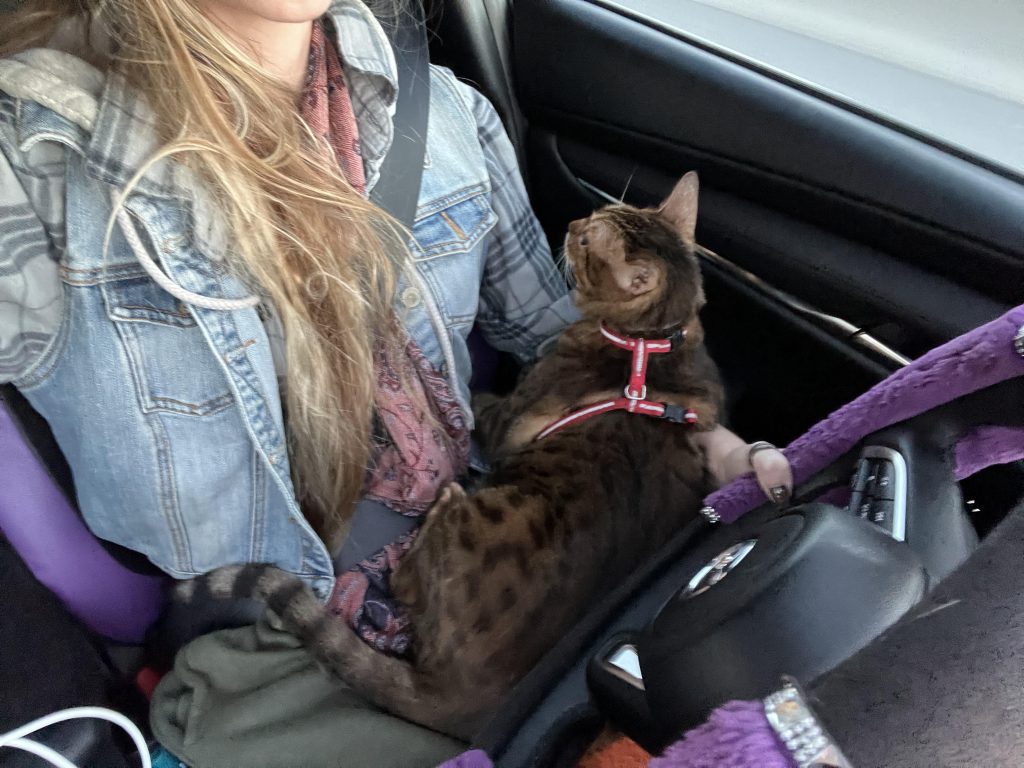
Imagine this: you’re all set for a road trip, your furry friend is nestled in the back seat, and as soon as the car starts moving, the meowing begins. Sound familiar?
If you’ve ever wondered why your cat turns into a tiny opera singer during car rides, you’re not alone. This is a mystery many cat owners face, and it can be both puzzling and stressful. But what if I told you that understanding these vocalizations could make your trips much smoother?
Stick around, and you’ll discover the surprising reasons behind your cat's car-time meows and how to make travel more comfortable for both of you. Curious? Let’s dive in and uncover the secret language of your traveling feline.
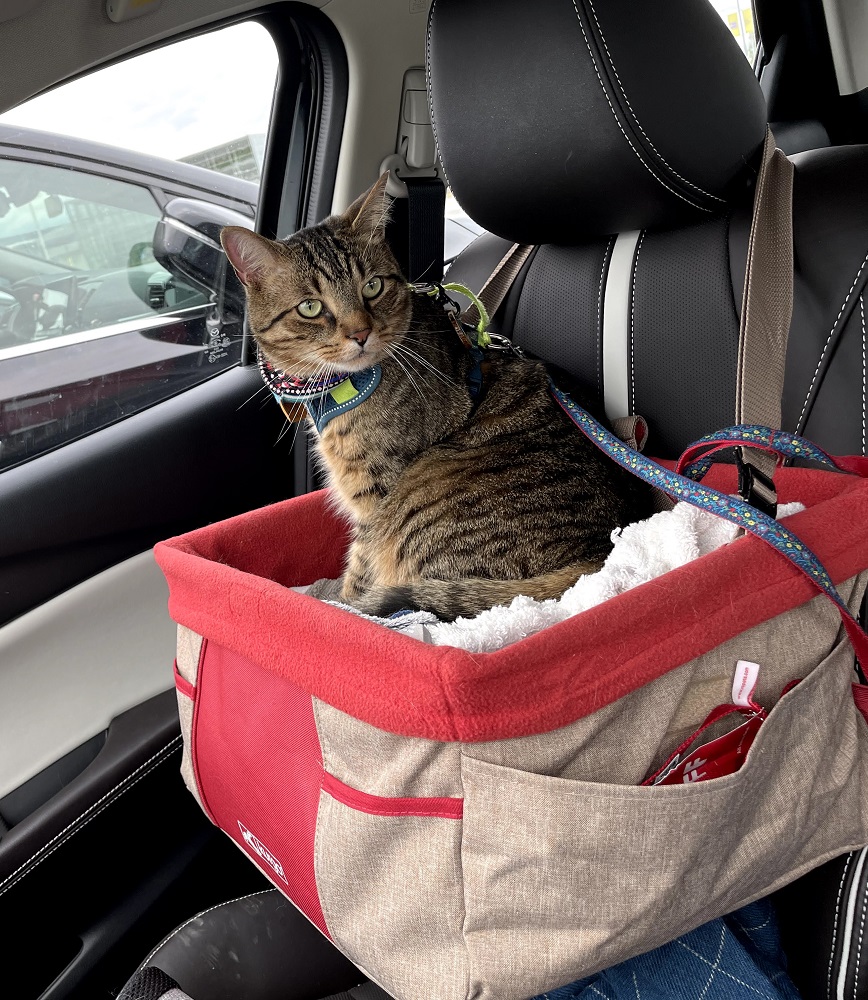
Credit: theoreticallyteddy.com
Cats And Car Rides
Traveling with your cat in the car can be a unique experience. Cats often react differently than dogs, making car rides a challenge for many pet owners. Understanding how cats behave and perceive these rides can help you make the journey smoother for both of you.
Common Cat Behaviors In Cars
Many cats meow loudly or continuously during car rides. This vocalization is often their way of expressing discomfort, anxiety, or confusion.
Other common behaviors include:
- Restlessness, such as pacing or trying to escape the carrier
- Hiding in corners or under seats
- Excessive grooming or drooling
- Wide eyes and flattened ears signaling stress
One cat owner shared how their feline would meow non-stop until they started playing calming music and covering the carrier with a light blanket. The meowing dropped significantly, showing how small changes can impact your cat’s comfort.
How Cats Perceive Moving Vehicles
Cats rely heavily on their senses to understand their environment. In a moving car, the constant motion, unfamiliar sounds, and changing scenery can be overwhelming.
Unlike humans, cats don’t understand the concept of travel or destination. They might see the moving world outside the window as a confusing blur or even a threat.
Consider how your cat’s inner ear, which helps with balance, reacts to the motion. The moving vehicle can cause disorientation similar to motion sickness in humans.
Have you noticed if your cat’s meowing increases when the car accelerates or takes sharp turns? This reaction could be their way of coping with the unsettling sensations of movement.
Stress And Anxiety Triggers
Stress and anxiety are common reasons why cats meow in the car. The unfamiliar environment and unusual sensations can overwhelm your feline friend. Understanding these triggers helps you create a calmer travel experience for your cat.
Fear Of The Unknown
Cats are creatures of habit. When placed in a moving car, they face a world full of new sights, smells, and sounds. This unfamiliar setting can trigger fear, making them vocalize to express discomfort.
Think about how you feel in an unfamiliar place without knowing what to expect. Your cat feels the same, but with less control over the situation. You can help reduce this fear by familiarizing your cat with the carrier and car before the trip.
Try short, positive car rides paired with treats or playtime. This builds a positive association and eases their fear of new experiences. Have you noticed your cat relaxing after a few rides?
Sensitivity To Motion And Noise
Cats have heightened senses. The motion of the car can make them feel unsteady or dizzy. Combined with engine sounds, honking, or other traffic noises, this sensory overload can cause anxiety.
Some cats meow to communicate their discomfort or to seek reassurance. You might observe pacing, pawing at the carrier, or wide eyes alongside the vocalizing. Providing a cozy, enclosed space with a blanket can help muffle some noise and reduce motion effects.
Consider playing calming music or using pheromone sprays designed for travel. These small adjustments can make a big difference in your cat’s comfort during car rides. What changes have you tried that helped your pet settle?
Communication Needs
Cats use meowing as a direct way to communicate their needs and feelings, especially when they’re in unfamiliar situations like car rides. Understanding these vocal signals can help you respond better to your feline friend’s emotional state. Their meows aren’t random; they serve clear purposes linked to their communication needs during travel.
Seeking Reassurance From Owners
When cats meow in the car, they often look to you for comfort. The new sounds and movements can make them anxious, so your voice and presence become anchors of safety. By meowing, your cat is essentially asking, “Are you here? Will you keep me safe?”
Try speaking softly or gently petting them if possible. This reassures your cat and can reduce their stress quickly. Have you noticed how your calm tone can sometimes quiet their nervous meows?
Expressing Discomfort Or Confusion
Car rides can be confusing for cats—they don’t understand why they’re confined or where they’re going. Meowing may signal that they are uncomfortable or unsure about the situation. It’s their way of saying, “I don’t like this,” or “What’s happening?”
Watch for other signs like pacing in the carrier or scratching at the door. These, combined with meowing, point to discomfort. Helping your cat feel more secure with familiar blankets or toys might ease their confusion and reduce vocal protests.

Credit: www.reddit.com
Physical Discomfort Factors
Cats meow in the car often because they feel physical discomfort. Unlike us, cats can’t tell us why they’re upset, so meowing is their way to communicate distress. Understanding these discomfort factors can help you make car rides less stressful for your feline friend.
Car Sickness In Cats
Car sickness is a common cause of meowing during rides. Your cat’s inner ear helps with balance, but the motion of the car can confuse it. This leads to nausea, dizziness, and sometimes vomiting.
If your cat starts meowing loudly or seems restless, it might be feeling sick. Have you noticed your cat drooling or licking its lips more than usual in the car? These are signs of nausea.
You can help by keeping the car ride smooth and avoiding sudden stops or sharp turns. Opening a window slightly for fresh air might also ease your cat’s discomfort. Some owners find that feeding their cat a light meal a few hours before travel reduces sickness.
Temperature And Space Issues
Cats are sensitive to temperature changes. A car that’s too hot or too cold can make your cat uncomfortable and prompt more meowing. Have you checked if your cat’s carrier is well-ventilated or if the car temperature is steady?
Space is another big factor. Cats like to feel secure, and cramped spaces can cause anxiety and restlessness. If your cat’s carrier is too small, it can lead to physical discomfort and increased vocalization.
Make sure your cat has enough room to turn around and settle comfortably. Adding a soft blanket or familiar scent inside the carrier can also make the environment more inviting. Are you giving your cat the space it needs to feel safe during trips?
Environmental Stimuli
Cats use meowing to communicate many feelings. The car is a place full of new sights, sounds, and smells. These environmental changes can make cats vocalize more. Understanding these triggers helps us see why cats meow in the car.
Visual And Auditory Overload
The car offers a lot for cats to see and hear. Passing cars, moving trees, and flashing lights create a busy scene. Loud engine sounds and honking add to the noise. This overload can confuse or scare cats.
Meowing becomes a way to express discomfort or seek comfort. Cats may want reassurance from their owners. They might also try to alert you to what they feel inside the car.
Smells And New Surroundings
Every car trip brings new smells. These scents are very different from home. Cats have strong noses and notice all these changes quickly.
New smells can make cats nervous or curious. They may meow to show their unease or ask for attention. The unfamiliar surroundings create stress, which leads to more vocalizing.

Credit: www.reddit.com
Tips To Calm Cats During Rides
Traveling with your cat can be a challenge, especially if meowing turns into a non-stop concert during car rides. Cats often express discomfort or anxiety through vocalization, but there are ways to ease their stress. Understanding how to calm your cat before, during, and after the trip can make car journeys more peaceful for both of you.
Preparation Before The Trip
Getting your cat ready before hitting the road helps reduce anxiety. Try taking short practice drives to get your cat used to the car environment without the pressure of a long trip.
Use a secure carrier that your cat already feels comfortable in. Place familiar items inside, like a favorite blanket or toy, to create a sense of safety.
Consider feeding your cat a light meal a few hours before the ride to avoid nausea. You might also speak softly to them or use calming pheromone sprays designed for cats.
Comfort Measures Inside The Car
Keep the carrier stable and positioned where your cat can see you. Sudden movements and loud noises can trigger more meowing, so drive smoothly and avoid abrupt stops.
Maintain a comfortable temperature inside the car and avoid strong smells that might irritate your cat. Soft background music or white noise can help mask unfamiliar sounds.
Talk to your cat gently during the ride. Your voice can be reassuring and help distract them from the unfamiliar surroundings.
Post-ride Care
Once you reach your destination, give your cat some quiet time to adjust. Let them explore the new environment at their own pace without forcing interaction.
Offer fresh water and a small treat to create positive associations with travel. If your cat seems overly stressed, a calming massage or brushing session can help soothe them.
Ask yourself: How does your cat react after car rides? Noticing their behavior can guide you on what comfort measures work best and what to adjust next time.
Frequently Asked Questions
Why Do Cats Meow More In The Car?
Cats meow more in cars due to stress and unfamiliar surroundings. The moving vehicle creates anxiety, prompting vocalizations to seek comfort or attention.
Can Car Rides Cause Anxiety In Cats?
Yes, car rides often cause anxiety in cats. The noises, motion, and confinement make them feel uneasy and stressed.
How Can I Calm My Cat During Car Trips?
To calm your cat, use a comfortable carrier, play soothing music, and offer treats. Frequent breaks and gentle petting also help reduce stress.
Is Meowing A Sign Of Car Sickness In Cats?
Meowing can indicate car sickness in cats. They might feel nauseous or uncomfortable, leading to vocal expressions of distress.
Conclusion
Cats meow in the car to express their feelings and needs. They might feel scared, curious, or want your attention. Understanding why helps you keep them calm and safe. Try talking softly and offering treats to comfort them. Remember, patience makes car rides better for your cat.
Each cat is different, so watch their behavior closely. This way, travel can become a more peaceful experience for both of you.

Lily Purrington is the founder of MyKittyPicks.com, a cozy corner of the web dedicated to helping cat lovers discover the best cat products, furniture, toys, and home decor ideas.
A lifelong cat enthusiast, Lily shares trusted tips, honest product recommendations, and stylish inspiration designed to keep kitties happy and homes beautiful.
Her mission is simple: to bring together practical advice and purr-fect picks that make life better for cats and the people who love them.


