
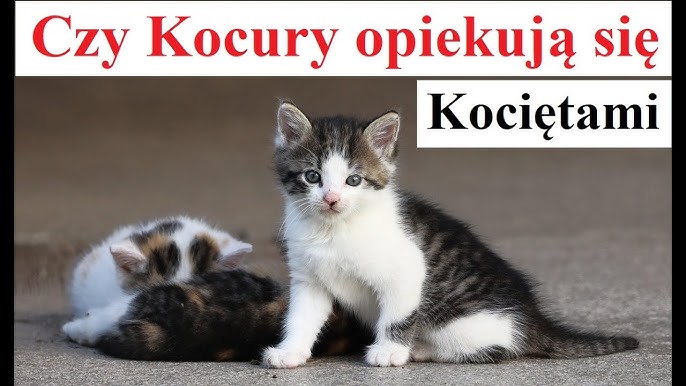
Have you ever wondered if male cats have a nurturing side? It’s a common belief that mother cats are the primary caregivers, while male cats tend to roam free.
But what if that isn’t the whole story? Understanding feline behavior can sometimes feel like unlocking a mystery, and we’re here to reveal the truth about male cats and their role in taking care of kittens. You’ll discover insights that might surprise you and even change the way you view your furry friends.
By the end of this article, you’ll have a clearer picture of how male cats fit into the family dynamic. Don’t miss out on uncovering these fascinating feline facts—your curiosity will be satisfied as you delve deeper into the world of cats and kittens.

Credit: www.reddit.com
Male Cat Behavior
Understanding male cat behavior helps you see why they often act differently around kittens. Unlike females, male cats don’t instinctively take on a caregiving role. Yet, their actions in a family setting can surprise you.
Typical Roles In Cat Families
Male cats usually focus on protecting territory rather than raising kittens. They might stay close to the mother cat but rarely engage in direct care like grooming or feeding. Sometimes, a male cat will watch over the kittens, offering a form of indirect protection.
Have you noticed your male cat sitting near the kitten’s nest without touching them? This behavior can be his way of guarding the family. Some males even help by keeping other males away, reducing threats to the kittens.
Territorial Instincts
Male cats are naturally territorial, often marking and defending areas to keep rivals out. This instinct becomes stronger when kittens are around since the male wants to ensure their safety. A male cat might patrol the perimeter more frequently or become aggressive toward unfamiliar cats.
Think about your own male cat’s reactions when new animals enter your home or yard. Does he become restless or more alert? That’s his protective instinct kicking in, which indirectly benefits the kittens by maintaining a secure environment.

Credit: www.reddit.com
Paternal Care In Cats
Male cats are usually not known for caring for kittens. In most cat families, the mother cat does all the work. She feeds, cleans, and protects the young ones. Yet, some male cats do show care for kittens. This care is rare but important to understand.
Paternal care in cats varies by situation and individual behavior. Some males help keep kittens safe or play gently with them. This care can improve the kittens’ chances of survival.
Instances Of Male Cats Caring For Kittens
Male cats sometimes groom or sleep near kittens. They may also protect them from danger. This behavior is more common in domestic cats than wild ones. Some male cats even bring food to the mother or kittens.
- Grooming kittens to keep them clean
- Staying close to provide warmth and safety
- Defending the area from threats
- Playing gently to help kittens learn social skills
Factors Influencing Male Involvement
Several factors affect whether male cats care for kittens. The male’s personality plays a big role. Some males are naturally more nurturing. The environment also matters. Safe and calm surroundings encourage care.
Another factor is the relationship between the male and the mother cat. If they trust each other, the male may help more. The age of the kittens also influences care. Older kittens receive more attention from males.
| Factor | Effect on Male Care |
|---|---|
| Personality | More nurturing males show more care |
| Environment | Calm places promote male involvement |
| Relationship with Mother | Good bond increases male support |
| Kitten Age | Older kittens get more male attention |
Comparison With Other Species
Exploring how male cats care for kittens reveals interesting contrasts across the animal kingdom. Parenting roles vary widely among species. Some males are deeply involved, while others play no role at all. These differences highlight unique behaviors and survival strategies.
Male Parenting In The Animal Kingdom
Many species show strong male care for offspring. For example:
- Emperor penguins protect eggs and feed chicks.
- Seahorse males carry babies in a pouch.
- Lion males guard the pride and young cubs.
Male involvement often increases offspring survival. It can include feeding, protection, and teaching. These roles depend on the species’ lifestyle and environment.
Unique Traits Of Domestic Cats
Male cats usually do not care for kittens. They often leave raising duties to the mother. This behavior stems from their wild ancestors.
Male cats focus on territory and mating. They rarely interact with kittens beyond occasional tolerance. The mother cat does all feeding, grooming, and teaching.
Domestic cats differ from social animals like wolves. Wolves have pack males helping with pups. Cats are more solitary, so males avoid raising young.
Benefits Of Male Cat Involvement
Male cats can play an important role in raising kittens. Their involvement offers many benefits that help kittens grow healthy and strong. Male cats contribute beyond just being fathers. Their presence shapes the kittens’ early life in positive ways.
Social Development Of Kittens
Male cats teach kittens how to interact with others. They show gentle play and appropriate behavior. Kittens learn social cues and boundaries by watching and playing with male cats. This helps kittens become confident and well-mannered cats later.
Protection And Security
Male cats often guard the kittens from threats. They create a safe environment for the kittens to explore. Their presence deters other animals from getting too close. This protection helps kittens feel secure and reduces stress during early life.
Challenges And Risks
Male cats rarely take on the role of caring for kittens. This behavior comes with several challenges and risks. Understanding these difficulties helps explain why male cats usually stay away from kitten care. The risks affect both the kittens’ safety and the male cat’s behavior.
Aggression And Territorial Conflicts
Male cats often show aggression around kittens. They may see kittens as threats to their territory. This can lead to fights between the male cat and the mother cat. Sometimes, males attack or harm the kittens. This aggression is a natural instinct to protect their space and status.
Territorial conflicts also increase stress in the home. The mother cat may become defensive or anxious. These tensions reduce the chances of peaceful kitten care by the male cat.
Impact On Kitten Survival
Kittens need gentle care and protection to survive. Male cats usually lack the nurturing skills required. Their aggressive or indifferent behavior can endanger kitten health. Injuries and stress caused by males can lower kitten survival rates.
Mother cats often hide kittens from males to keep them safe. Without proper care, kittens become vulnerable to cold, hunger, and predators. The absence of male caregiving means the mother must do all the work, which can be exhausting for her.

Credit: www.reddit.com
Encouraging Male Cat Care
Encouraging male cats to take part in caring for kittens can be a rewarding experience. While it’s not typical behavior for many male cats, creating the right conditions can spark nurturing instincts. You might be surprised at how involved your male feline can become with a little encouragement and patience.
Creating A Safe Environment
Your male cat needs to feel secure before he shows interest in the kittens. Provide a quiet, comfortable space away from loud noises and busy household areas. This reduces stress and makes him more likely to approach the kittens calmly.
Keep the kittens in an enclosed area where your male cat can observe without feeling overwhelmed. Gradually allow supervised interactions so he can get used to their presence. Safety for both the kittens and your male cat is key to building trust.
Positive Reinforcement Techniques
Reward your male cat for calm, gentle behavior around the kittens with treats and affection. This helps him associate positive feelings with caring actions. Avoid punishment if he shows disinterest or fear; patience is essential.
Use soft voice tones and gentle petting to encourage bonding moments. You can also engage him in play near the kittens to create positive connections. Have you noticed how your cat’s behavior changes when you reward small, caring gestures?
Frequently Asked Questions
Do Male Cats Help Raise Kittens?
Male cats usually do not help raise kittens. The mother cat primarily cares for feeding, grooming, and protection. Some males may protect the territory but rarely engage in direct kitten care.
Can Male Cats Be Good Fathers To Kittens?
Male cats typically do not act as caregivers. However, some neutered males may show gentle behavior around kittens. Fatherly care is uncommon in domestic cats.
Why Don’t Male Cats Care For Kittens?
Male cats instinctively avoid kitten care to prevent aggression. This behavior protects the males’ survival and dominance within their territory. Mother cats are programmed to nurture and defend offspring.
Do Male Cats Pose Any Threat To Kittens?
Unfamiliar male cats can sometimes threaten kittens. They may harm kittens to eliminate rival offspring. Mother cats usually protect kittens from such male aggression.
Conclusion
Male cats usually do not care for kittens like mothers do. Their role is often different, mostly staying apart. Some male cats may show gentle behavior, but it is rare. Kittens mainly rely on their mother for warmth and food.
Understanding cat behavior helps us appreciate their natural instincts. Each cat is unique, and some fathers might surprise you. Watching cats in their environment reveals how they interact. Caring for kittens is mostly a mother’s job in the wild. Knowing this helps pet owners provide better care and respect natural roles.

Lily Purrington is the founder of MyKittyPicks.com, a cozy corner of the web dedicated to helping cat lovers discover the best cat products, furniture, toys, and home decor ideas.
A lifelong cat enthusiast, Lily shares trusted tips, honest product recommendations, and stylish inspiration designed to keep kitties happy and homes beautiful.
Her mission is simple: to bring together practical advice and purr-fect picks that make life better for cats and the people who love them.


