
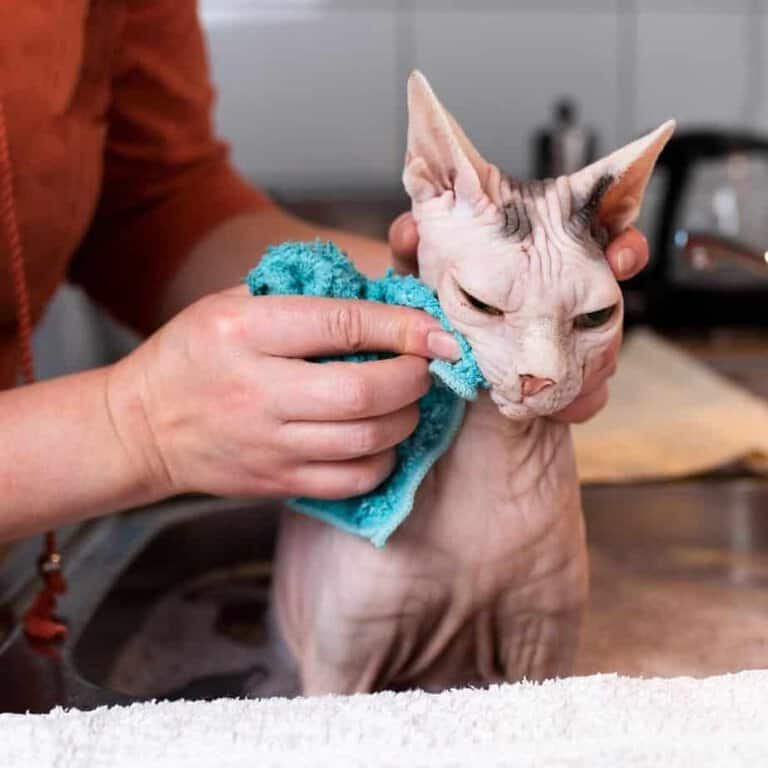
Thinking about bringing a hairless cat into your home? These unique and adorable pets can be a joy to have around.
But caring for them requires a bit of extra knowledge and effort. You might be wondering how to keep your hairless feline friend comfortable, healthy, and happy. After all, their lack of fur means they have different needs than your average cat.
Don’t worry—you’re in the right place. This guide will walk you through everything you need to know about caring for a hairless cat, ensuring that your new companion thrives. From skin care to diet and beyond, you’ll discover tips and tricks that make the process not only manageable but also enjoyable. Ready to become a pro at caring for your hairless cat? Let’s dive in!
Unique Needs Of Hairless Cats
Hairless cats have special needs that differ from other cats. Their lack of fur affects many aspects of their care. Understanding these unique needs helps keep them healthy and happy.
Skin Sensitivity
Hairless cats have very delicate skin. Their skin can easily get dry or irritated. Use gentle, hypoallergenic products for cleaning and grooming. Avoid harsh soaps and chemicals. Regular moisturizing with vet-approved lotions keeps their skin soft. Check for redness or sores often. Prompt care prevents infections and discomfort.
Temperature Regulation
Without fur, hairless cats feel cold faster than other cats. Provide warm bedding and cozy blankets. Keep the home temperature steady and comfortable. Use soft clothes designed for cats during chilly days. Avoid exposing them to drafts or cold floors. Staying warm is crucial for their health and energy.
Sun Protection
Hairless cats can get sunburned easily. Their skin is sensitive to direct sunlight. Limit their time in strong sun, especially midday. Use pet-safe sunscreen on exposed areas if outside is necessary. Provide shaded spots for outdoor play. Protecting their skin prevents pain and long-term damage.

Credit: www.amazon.com
Daily Skin Care Routine
Caring for a hairless cat means paying special attention to its skin every day. Their exposed skin can get oily, dirty, or dry quickly, so a consistent routine helps keep them comfortable and healthy. You might wonder how often you should bathe them or what products are safe to use—let’s break it down into simple steps.
Gentle Bathing Techniques
Hairless cats need regular baths because their skin produces oils that have nowhere to go. Use a mild, fragrance-free shampoo designed for sensitive skin to avoid irritation. Warm water and soft hands work best; avoid scrubbing hard.
Try to bathe your cat about once a week. This routine helped my own hairless cat feel less itchy and kept his skin clear of buildup. Make sure to rinse thoroughly to prevent any shampoo residue, which could cause dryness.
Moisturizing The Skin
After bathing, your cat’s skin can feel tight or dry. Apply a vet-approved moisturizer to keep the skin soft and prevent cracking. Look for products with natural ingredients like aloe vera or vitamin E.
Be careful not to use human lotions, as many contain harmful chemicals. A small amount goes a long way—too much can clog pores and cause problems. Have you noticed if your cat’s skin looks flaky or dull? That’s a sign it’s time to moisturize.
Cleaning Ears And Nails
Hairless cats often have wax buildup in their ears since there’s no hair to block debris. Use a damp cotton ball or a vet-recommended ear cleaner to gently wipe the outer ear. Never insert anything deep into the ear canal.
Regular nail trimming is also important. Dirt and oils can accumulate around their nails, so clean them with a soft cloth. Keeping nails short prevents scratches and reduces the chance of infections.
Diet And Nutrition
Diet and nutrition play a big role in caring for a hairless cat. These cats have unique needs because their skin is exposed. A healthy diet supports their skin health and overall well-being. Proper nutrition helps keep their skin soft and reduces dryness or irritation.
Foods For Healthy Skin
Foods rich in omega-3 and omega-6 fatty acids are great for skin health. These fats help keep the skin moisturized and reduce inflammation. Look for cat foods with fish oil or flaxseed. Protein is also important for skin repair and growth. Choose high-quality meat or fish as the main ingredient.
Vitamins and minerals support skin strength. Vitamin E and zinc help protect the skin from damage. Some good sources include:
- Chicken
- Turkey
- Salmon
- Eggs
- Leafy greens (in small amounts)
Avoid foods with too many fillers or artificial additives. These can cause allergies or skin problems.
Hydration Tips
Water keeps the skin hydrated from the inside out. Hairless cats need access to fresh water at all times. Some cats prefer running water, so consider a cat water fountain.
Wet cat food can also help increase water intake. It contains more moisture than dry food. Offer a mix of wet and dry food for balanced hydration and nutrition.
Watch for signs of dehydration such as dry gums or lethargy. Encourage your cat to drink more by placing water bowls in quiet areas.

Credit: hholove.com
Creating A Safe Environment
Creating a safe environment is vital for a hairless cat’s health and happiness. These cats need extra care because their skin is exposed. Protecting them from cold, injuries, and discomfort is key. A secure space helps them feel calm and loved. Follow these tips to make your home perfect for your hairless friend.
Temperature Control
Hairless cats get cold easily without fur. Keep your home warm, ideally between 70°F and 80°F. Avoid sudden temperature changes. Use heaters or heated beds during cold months. Ensure your cat has sunny spots to rest in. Avoid drafty areas or cold floors. Temperature comfort helps prevent illness and stress.
Avoiding Skin Injuries
Hairless cats have delicate skin that can scratch or burn. Remove sharp objects or rough surfaces in their space. Trim their nails regularly to avoid accidental scratches. Use gentle pet-safe lotions if recommended by your vet. Watch for signs of redness or wounds and treat quickly. Keeping their skin safe prevents infections and pain.
Providing Comfortable Bedding
Soft, warm bedding is essential for hairless cats. Use blankets and cushions made from gentle fabrics like fleece or cotton. Wash bedding often to keep it clean and free from irritants. Place beds in quiet, draft-free areas. Layer bedding to add warmth and comfort. Comfortable bedding supports restful sleep and skin health.
Recognizing Skin Problems
Hairless cats need extra care to keep their skin healthy. Their exposed skin is sensitive and prone to problems. Spotting skin issues early helps protect your cat from pain and infection. Watch closely for any unusual changes in their skin’s look or feel.
Signs Of Irritation And Infection
- Redness or blotchy patches on the skin
- Dry, flaky, or scaly areas
- Oily or greasy skin buildup
- Crusts or sores that do not heal
- Swelling or lumps under the skin
- Hairless cat scratching or rubbing more than usual
- Unpleasant smell from the skin
- Discharge or pus around sores
When To See A Vet
See a vet if your cat’s skin looks very red or swollen. Persistent itching or scratching is a clear warning. Open wounds or sores need professional care. If your cat shows signs of pain or discomfort, do not wait. Sudden changes in skin condition call for a vet’s advice. Early treatment stops infections from spreading or getting worse.

Credit: purebredkitties.com
Regular Vet Checkups
Regular vet checkups are vital for hairless cats. Their unique skin and health needs require professional care. Frequent visits help catch issues early. This keeps your cat happy and healthy. Your vet guides you on the best care practices. Regular checkups also build trust between you and your cat’s healthcare provider.
Skin Health Assessments
Hairless cats have sensitive skin that needs special attention. Vets examine the skin for dryness, rashes, or infections. They check for unusual spots or lumps. Early detection of skin problems prevents serious conditions. Your vet may recommend moisturizing treatments or special shampoos. These visits ensure your cat’s skin stays smooth and healthy.
Vaccination And Parasite Control
Vaccinations protect your cat from common diseases. Hairless cats can be more vulnerable to infections. Parasite control prevents fleas, ticks, and mites. Vets advise on safe and effective treatments. Staying up-to-date with vaccines and parasite control keeps your cat safe. Regular vet visits allow timely updates on these essential protections.
Frequently Asked Questions
How Often Should I Bathe A Hairless Cat?
Hairless cats need baths every 1-2 weeks to remove oils and dirt. Their skin lacks fur, so oils build up quickly. Use a gentle, cat-safe shampoo and warm water. Regular bathing keeps their skin healthy and prevents irritation or infections.
What Is The Best Diet For A Hairless Cat?
Feed a high-quality, protein-rich diet to support their metabolism. Hairless cats burn more energy to stay warm. Provide balanced nutrition with essential vitamins and fatty acids. Fresh water should always be available to keep them hydrated and healthy.
How Do I Protect My Hairless Cat From Sunburn?
Limit sun exposure and avoid direct sunlight during peak hours. Use pet-safe sunscreen on exposed skin when outdoors. Provide shaded areas and clothing designed for hairless cats. This prevents painful sunburn and reduces the risk of skin damage or cancer.
Why Do Hairless Cats Need Extra Warmth?
Without fur, hairless cats lose body heat quickly. Provide cozy blankets, heated beds, or warm clothing. Keep your home temperature comfortable, especially in cold seasons. Extra warmth helps maintain their body temperature and overall health.
Conclusion
Caring for a hairless cat takes patience and attention. Their skin needs regular cleaning to stay healthy. Keep them warm, as they feel cold easily. Give them gentle baths and protect from sunburn. Watch for any skin changes or discomfort.
Love and care help them thrive every day. These simple steps keep your cat happy and safe. Enjoy the special bond with your unique pet.

Lily Purrington is the founder of MyKittyPicks.com, a cozy corner of the web dedicated to helping cat lovers discover the best cat products, furniture, toys, and home decor ideas.
A lifelong cat enthusiast, Lily shares trusted tips, honest product recommendations, and stylish inspiration designed to keep kitties happy and homes beautiful.
Her mission is simple: to bring together practical advice and purr-fect picks that make life better for cats and the people who love them.


