
Keeping your cat safe is one of the most important things you can do as a pet owner. You want to protect your furry friend from hidden dangers that could harm them at home or outside.
But do you know the simple steps that can make a big difference in your cat’s safety? You’ll discover easy and effective tips to keep your cat happy and secure. By the end, you’ll feel confident that you’re doing everything possible to protect your beloved companion.
Keep reading—you won’t want to miss these essential cat safety tips!
Indoor Safety Measures
Keeping your cat safe indoors is vital for their health and happiness. Indoor cats face different risks than outdoor cats. It is important to create a secure and comfortable environment at home. This helps prevent accidents and stress.
Safe Spaces And Hiding Spots
Cats love quiet, cozy places to rest. Provide soft beds in calm corners of your home. Boxes and cat tunnels make great hiding spots. These areas help cats feel safe and relaxed. Avoid placing these spaces near loud noises or busy areas.
Hazardous Household Items
Many common household items can harm cats. Keep small objects like rubber bands and paper clips out of reach. Store cleaning supplies and medications in locked cabinets. Electrical cords should be hidden or covered to prevent chewing. Sharp objects must be kept away from curious paws.
Toxic Plants To Avoid
Some plants are poisonous to cats. Avoid lilies, poinsettias, and azaleas indoors. Common houseplants like philodendrons and aloe vera can cause illness. Use cat-safe plants such as spider plants or bamboo palm instead. Always check plant toxicity before bringing new greenery home.
Credit: catfriendly.com
Outdoor Safety Precautions
Letting your cat enjoy the outdoors can be rewarding, but it also brings risks that you must manage carefully. Outdoor safety precautions help protect your feline friend from dangers like traffic, predators, and parasites. Taking the right steps ensures your cat has fun without compromising their health or safety.
Supervised Outdoor Time
Never leave your cat outside unsupervised. Even a calm neighborhood can hide threats like aggressive animals or sudden loud noises. Stay close and watch your cat’s behavior to spot any signs of stress or danger quickly.
Try using a harness and leash for controlled exploration. This keeps your cat safe while allowing them to satisfy their curiosity. Have you noticed how much more confident your cat feels with you nearby?
Safe Enclosures And Catios
Building or buying a secure outdoor enclosure, often called a catio, creates a safe space for your cat to enjoy fresh air. These enclosures prevent escapes and protect against wildlife and traffic.
Look for features like:
- Sturdy mesh walls to keep predators out
- Shaded areas for sun protection
- Easy access doors for you and your cat
My friend’s catio transformed their outdoor time—no worries about lost cats or wildlife encounters. Could your yard benefit from a similar setup?
Preventing Fleas And Ticks
Outdoor cats face a higher risk of picking up fleas and ticks. These pests cause discomfort and can transmit diseases. Regular prevention is crucial to keep your cat healthy.
Use veterinarian-recommended flea and tick treatments year-round. Check your cat’s fur frequently, especially after outdoor play. Removing ticks promptly reduces the risk of infection—have you ever found a tick on your cat and wondered how it got there?
Nutrition And Hydration
Nutrition and hydration form the foundation of your cat’s health and happiness. What your cat eats and drinks directly affects their energy, coat condition, and overall wellbeing. Paying attention to these basics can prevent many common health issues and keep your feline friend thriving.
Balanced Diet Essentials
Your cat needs a diet rich in protein since they are obligate carnivores. Look for high-quality cat food with real meat as the main ingredient. Avoid products with excessive fillers like corn or soy, which offer little nutritional value.
Adding variety can also help. Mixing wet and dry food provides both hydration and dental benefits. Think about rotating flavors to keep your cat interested and ensure they get a range of nutrients.
Fresh Water Access
Water is crucial for your cat’s kidney health and overall hydration. Always provide fresh, clean water in a bowl that your cat can easily reach. Some cats prefer running water, so a pet fountain can encourage them to drink more.
Watch for signs of dehydration like lethargy or dry gums. If your cat isn’t drinking enough, try placing multiple water bowls around the house or adding water to their wet food.
Avoiding Harmful Foods
Many common human foods can be dangerous to cats. Never feed your cat onions, garlic, chocolate, caffeine, or alcohol—they can cause serious health problems even in small amounts.
Also, avoid giving them bones or fatty scraps, which can cause choking or digestive upset. If you’re unsure about a food, it’s safer to skip it and consult your vet instead.
Health And Wellness
Keeping your cat healthy is key to a long and happy life. Health and wellness cover many areas. From visits to the vet to protection against parasites, each part plays a vital role. Healthy cats stay active, playful, and full of energy. Understanding how to care for their health helps avoid many common problems.
Regular Vet Visits
Regular vet visits catch problems early. Cats often hide illness signs. A vet checks your cat’s weight, teeth, and heart. They also check for lumps or skin issues. Early detection means easier treatment. Schedule visits at least once a year. Older cats need more frequent check-ups. Keep a health record for your cat. This helps track changes over time.
Vaccination Importance
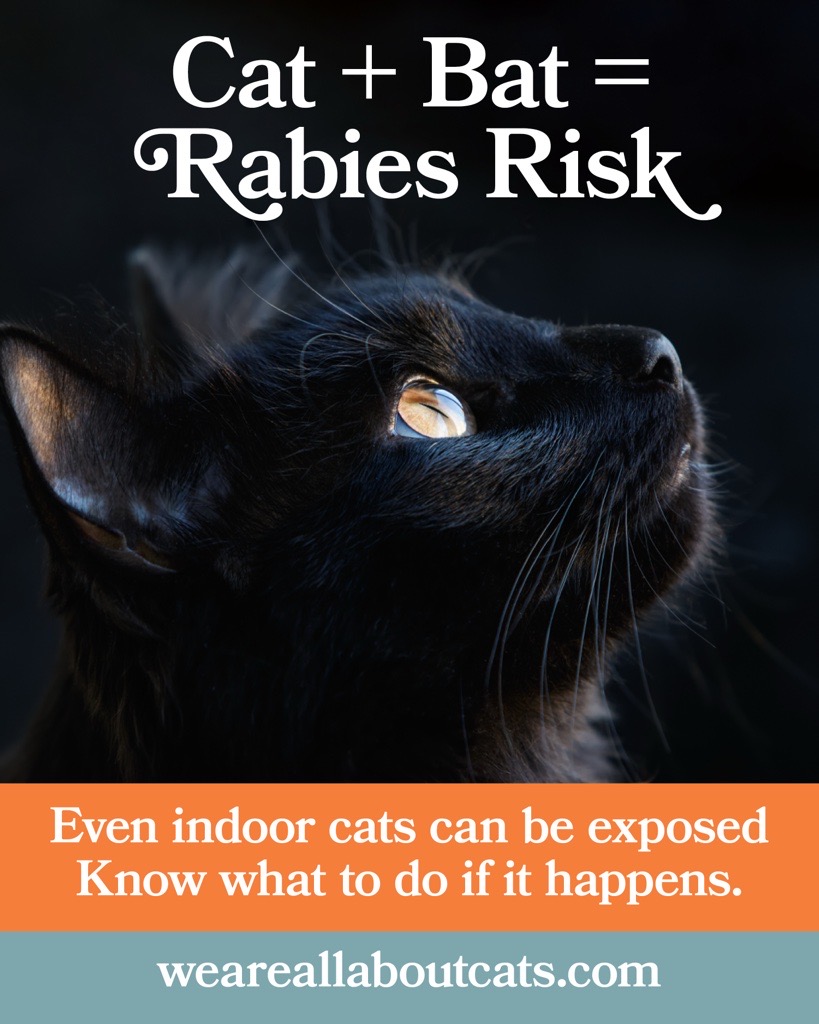
Vaccines protect cats from serious diseases. Common vaccines include rabies, feline distemper, and respiratory viruses. Vaccines strengthen your cat’s immune system. This reduces the chance of severe illness. Follow your vet’s vaccination schedule closely. Keep your cat indoors after vaccines. This prevents exposure to diseases until immunity builds.
Parasite Control
Parasites cause discomfort and health risks. Fleas, ticks, and worms are common threats. Parasites can cause itching, anemia, and infections. Use vet-recommended treatments regularly. These include topical drops, collars, or oral meds. Clean your cat’s bedding often. Check your cat’s fur for parasites regularly. Parasite control keeps your cat comfortable and healthy.
Emergency Preparedness
Emergency preparedness is essential to keep your cat safe during unexpected situations. Knowing what to do in a crisis can save your cat’s life. Being ready means understanding basic first aid, spotting illness early, and having a well-stocked emergency kit. Start by learning simple steps that anyone can follow. This knowledge helps reduce stress and improves your cat’s chances of recovery.
First Aid Basics
Learn how to handle minor injuries like cuts or burns. Keep calm and gently check your cat for wounds or swelling. Use clean cloths to stop bleeding. Avoid giving human medicine without vet advice. Know how to perform CPR in case your cat stops breathing. Practice safe handling to avoid scratches or bites. Keep emergency numbers handy for quick help.
Recognizing Signs Of Illness
Watch for changes in behavior or eating habits. Signs like vomiting, diarrhea, or difficulty breathing need quick attention. Sudden weakness or hiding more than usual can signal trouble. Check for unusual lumps, limping, or eye discharge. Early detection helps your vet provide faster treatment. Keep a record of symptoms and when they started.
Creating An Emergency Kit
Prepare a kit with essentials for your cat’s care. Include:
- Extra food and water for at least three days
- Medication and copies of vet records
- A first aid kit with bandages and antiseptic wipes
- A sturdy carrier for safe transport
- Comfort items like a favorite blanket or toy
- Contact numbers for your vet and emergency clinics
Store the kit in an easy-to-reach place. Update it regularly to keep supplies fresh. This kit ensures your cat stays comfortable and safe during emergencies.
Behavior And Mental Health
Your cat’s behavior and mental health play a huge role in their overall safety and happiness. Cats that feel bored, stressed, or anxious can develop behaviors that put them at risk. Paying attention to their mental well-being helps you prevent problems before they start and keeps your feline friend calm and secure.
Providing Enrichment
Enrichment keeps your cat’s mind active and prevents destructive behavior. Simple things like puzzle feeders, new toys, or window perches can make a big difference.
Have you noticed how your cat reacts to a cardboard box or a paper bag? These everyday items can become fun playgrounds. Rotating toys regularly keeps their interest alive and reduces boredom.
Managing Stress And Anxiety
Stress can come from changes in the environment, loud noises, or even new people or pets. Your cat might hide, overgroom, or lose appetite when anxious.
Try creating a quiet space where your cat can retreat. Using pheromone diffusers or calming sprays can also help soothe your cat during stressful times. Watching your cat’s body language closely helps you catch stress early.
Safe Play Practices
Playtime is essential, but it must be safe. Avoid string or small objects that your cat could swallow and choke on. Use wand toys or balls that are designed for cats.
Interactive play not only strengthens your bond but also provides exercise and mental stimulation. After play, store toys safely to prevent accidents when you’re not watching.
Travel And Transport Tips
Traveling with your cat can be stressful for both of you, but careful planning makes a big difference. Knowing how to safely transport your feline friend helps reduce anxiety and keeps your cat secure. Here are some key tips to make travel and transport smoother and safer.
Choosing The Right Carrier
Your cat’s carrier is their safe space during travel. Choose a carrier that is sturdy and well-ventilated, with enough room for your cat to turn around comfortably. Soft-sided carriers are great for short trips, but hard plastic carriers offer more protection during longer journeys.
Make sure the carrier has a secure latch to prevent escapes. Adding a familiar blanket or toy inside can comfort your cat and reduce stress. Have you ever noticed how a familiar scent can calm your cat in a new environment? Use that to your advantage.
Car Travel Safety
Never let your cat roam freely in the car. An unrestrained cat can distract the driver or get injured during sudden stops. Secure your cat in their carrier and place it on the floor behind the front seat or use a seatbelt attachment designed for carriers.
Keep the car temperature comfortable and avoid loud music or sudden noises. Frequent breaks during long trips allow your cat to stretch and use the litter box if needed. Do you know how your cat reacts to car rides? Observing their behavior helps you plan better.
Preparing For Vet Visits
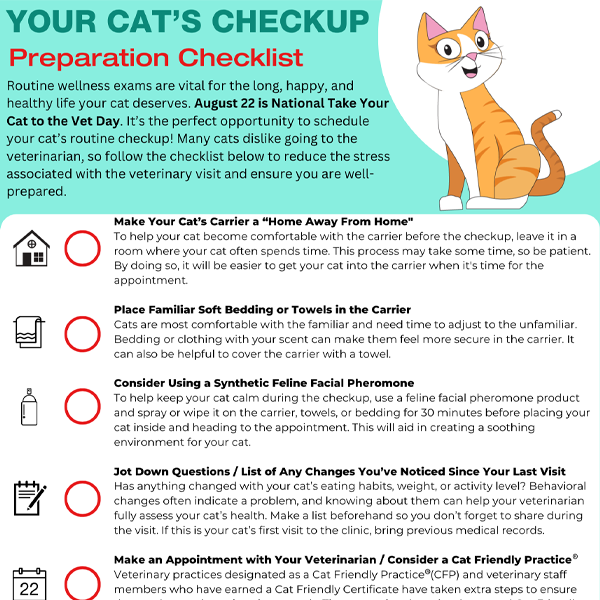
Vet visits can be stressful, so prepare your cat beforehand. Get your cat used to their carrier by leaving it open at home with treats inside. This helps your cat associate the carrier with positive experiences rather than just vet visits.
Bring a towel to cover the carrier during the wait; this can help calm your cat by limiting visual stimuli. Also, keep your cat’s health records handy and inform the vet of any travel-related stress or behavior changes. How do you make vet visits less scary for your cat? Small adjustments can make a big difference.

Credit: www.stonebrookfamilypet.com

Credit: justcatsclinic.com
Frequently Asked Questions
How Can I Keep My Cat Safe Indoors?
Keep your cat indoors by providing toys and scratching posts. Secure windows and balconies to prevent falls. Regularly check for toxic plants or chemicals. Indoor safety reduces risks like accidents and diseases.
What Are The Best Outdoor Safety Tips For Cats?
Use a secure cat harness and leash for outdoor walks. Supervise your cat to avoid traffic and predators. Create a fenced cat enclosure to let them explore safely.
How To Prevent My Cat From Eating Harmful Plants?
Identify and remove toxic plants from your home and garden. Provide safe cat grass alternatives. Teach your cat to avoid chewing on unknown plants by using deterrents.
Why Is Microchipping Important For Cat Safety?
Microchipping helps identify your cat if lost. It increases chances of a safe return. Always keep your contact information updated with the microchip registry.
Conclusion
Ensuring your cat’s safety is essential for their well-being. Cats need love, care, and a safe environment. Keep harmful items out of their reach. Secure windows and balconies to prevent falls. Regular vet visits help keep them healthy. Playtime keeps cats active and happy.
A safe home means a happy cat. Remember, small changes can make a big difference. Stay informed and protect your furry friend. Your cat’s safety is always a top priority. Keep these tips in mind and enjoy many happy moments together.

Lily Purrington is the founder of MyKittyPicks.com, a cozy corner of the web dedicated to helping cat lovers discover the best cat products, furniture, toys, and home decor ideas.
A lifelong cat enthusiast, Lily shares trusted tips, honest product recommendations, and stylish inspiration designed to keep kitties happy and homes beautiful.
Her mission is simple: to bring together practical advice and purr-fect picks that make life better for cats and the people who love them.


