
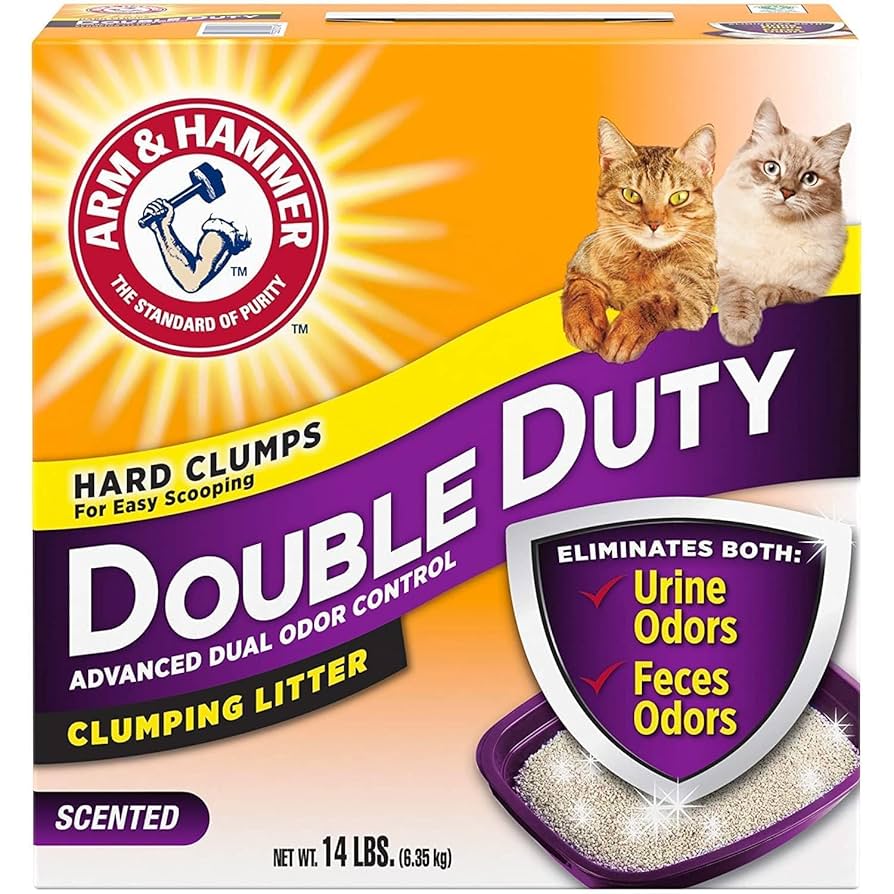
If you have a cat, you know how important it is to keep their litter box clean and fresh. But have you ever wondered what makes clumping cat litter so popular?
Understanding what clumping cat litter is can make a big difference in how you manage your cat’s bathroom habits. This simple switch could save you time, reduce odors, and make cleaning much easier. Keep reading to discover how clumping cat litter works and why it might be the perfect choice for you and your furry friend.
Credit: catit.us
Clumping Cat Litter Basics
Clumping cat litter is a popular choice for many cat owners. It helps keep the litter box clean and makes waste removal easier. Understanding how clumping litter works can help you choose the right type for your cat. This section explains the basics of clumping cat litter.
How Clumping Works
Clumping cat litter forms solid clumps when it comes into contact with moisture. These clumps trap urine and feces, making them easy to scoop out. This process helps control odors and keeps the litter box fresh longer.
Clumps are firm enough to lift without breaking apart. This prevents waste from spreading through the litter. Regular scooping keeps the box clean and reduces the need for full litter changes.
Types Of Clumping Litters
- Clay-based:Made from bentonite clay, it clumps quickly and tightly.
- Natural plant-based:Uses materials like corn, wheat, or pine for clumping.
- Silica gel:Absorbs moisture well but forms less defined clumps.
Each type has unique benefits. Clay is affordable and effective. Plant-based options are biodegradable. Silica gel controls odors well but costs more.
Common Ingredients
| Ingredient | Purpose |
|---|---|
| Bentonite Clay | Forms strong clumps by absorbing moisture |
| Natural Fibers (Corn, Wheat, Pine) | Provides clumping and biodegradability |
| Silica Gel Crystals | Absorbs moisture and controls odor |
| Fragrances | Mask unpleasant smells |
Benefits For Cats And Owners
Clumping cat litter offers clear benefits that both cats and their owners can appreciate. It simplifies daily maintenance and creates a cleaner, more comfortable space for your feline friend. Understanding these benefits can help you decide if clumping litter fits your lifestyle and your cat’s needs.
Ease Of Cleaning
Clumping litter quickly forms solid clumps when your cat urinates, making it easy to scoop out waste without disturbing the rest of the litter. This saves time and effort, especially if you have multiple cats or a busy schedule. Have you noticed how much less mess there is when you scoop regularly?
Odor Control
Since clumps trap moisture and odor inside, clumping litter keeps your home smelling fresher longer. Many brands also include natural deodorizers to fight ammonia smell from urine. If you’re sensitive to odors, switching to clumping litter might change your daily comfort level more than you expect.
Cat Comfort
Cats prefer litter that feels soft and clean under their paws. Clumping litter helps maintain a consistently fresh surface by allowing you to remove only the dirty parts. This means your cat always steps into a tidy box, encouraging healthy litter box habits and reducing stress.
Choosing The Right Clumping Litter
Choosing the right clumping litter can make a significant difference in your cat’s comfort and your home’s cleanliness. With so many options available, it can be challenging to decide which one suits both your needs and your feline friend’s preferences. Let’s break down the key factors to consider, ensuring your choice keeps your cat happy and your home fresh.
Scented Vs Unscented
One of the first decisions you’ll face is whether to choose scented or unscented clumping litter. Scented litter can help mask odors, providing a pleasant aroma in your home. However, some cats may find the strong scent off-putting, leading to litter box avoidance.
Unscented litter, on the other hand, is often more cat-friendly, especially for sensitive noses. Consider your cat’s preference and any allergies they might have. Test both types to see which one your feline prefers.
Dust Levels
Dust levels in clumping litter can impact your home’s air quality and your cat’s health. High dust content can cause respiratory issues for both pets and humans. Look for low-dust or dust-free options to minimize these risks.
Pay attention to the litter’s packaging and reviews to gauge dust levels. Your cat will appreciate a cleaner, less irritating environment, and you’ll notice less mess around the litter box area.
Eco-friendly Options
If sustainability is important to you, consider eco-friendly clumping litter options. These are often made from natural materials like corn, wheat, or recycled paper. Such choices not only reduce your carbon footprint but also provide a biodegradable alternative to traditional clay litter.
Explore the different materials available and assess their clumping ability and odor control. You might find that eco-friendly options meet your needs without compromising on performance.
Have you ever considered how your choice of litter affects your cat’s behavior or the environment? Making an informed decision could enhance your pet’s well-being and align with your values. Choose wisely and observe the positive changes it can bring.
Using Clumping Litter Effectively
Using clumping cat litter effectively helps keep your cat’s area clean and odor-free. It makes cleaning easier by forming solid clumps when wet. Proper use extends the litter’s life and improves your cat’s comfort.
Proper Litter Box Maintenance
Keep the litter box in a quiet, accessible place. Use a litter scoop daily to remove clumps and waste. Clean the box with warm water and mild soap once a week. Avoid strong cleaners that might scare your cat. Adding fresh litter after scooping keeps the box inviting.
Frequency Of Changing Litter
Change all the litter completely at least once a month. More often if you have multiple cats. Check the litter daily for clumps and odors. Clean boxes prevent bacteria and keep your cat healthy. Use the right amount of litter to allow clumping and absorption.
Handling Clumps And Waste
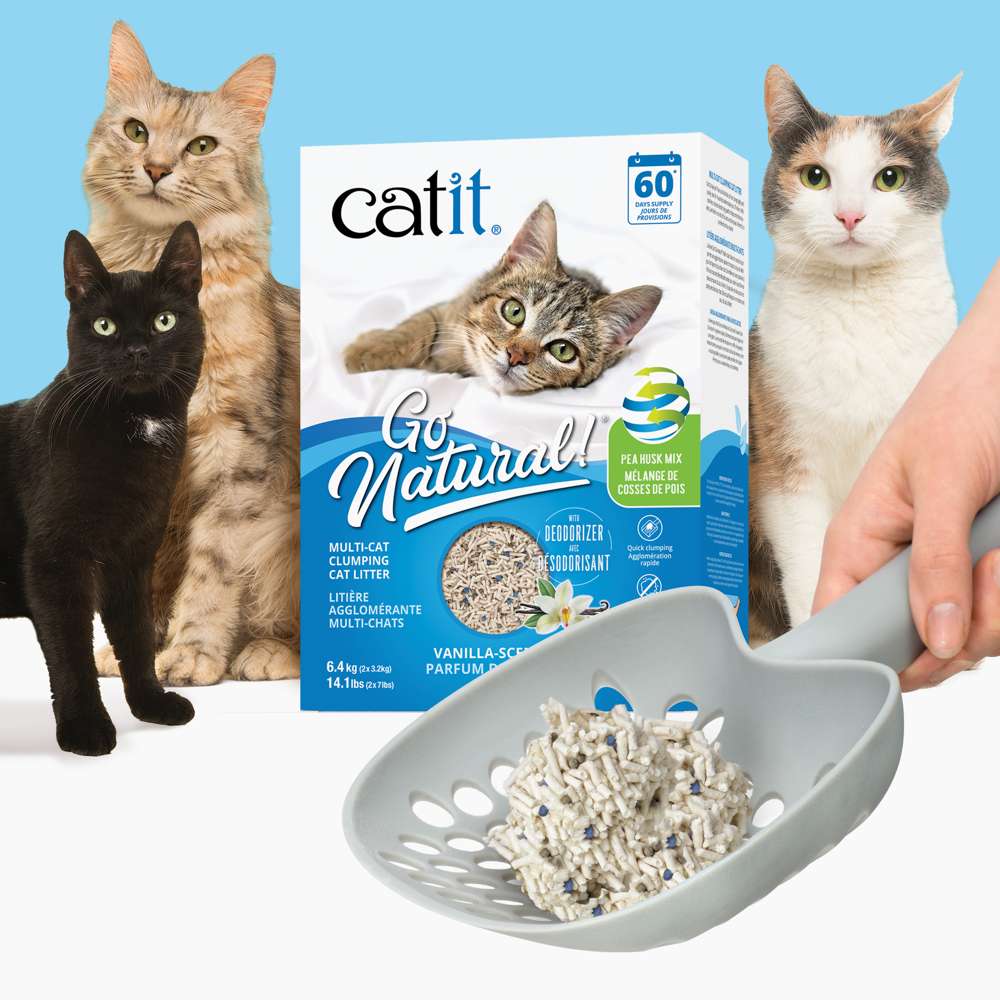
Scoop clumps as soon as you see them. Use a sturdy scoop with holes to shake out clean litter. Dispose of clumps in a sealed bag to control odor. Avoid flushing litter to protect plumbing and the environment. Regular scooping reduces odors and keeps the litter box fresh.
Common Concerns And Myths
Many cat owners worry about clumping cat litter. Some myths cause confusion. Knowing facts helps make good choices. This section clears up common concerns and myths about clumping litter.
Safety For Cats
Some believe clumping litter can harm cats. Clumping litter is usually safe for healthy cats. It is made to absorb moisture and form clumps. This helps keep the litter box clean. Cats rarely eat the litter, so risks are low.
For kittens or cats with health issues, dust or chemicals may cause mild irritation. Choosing low-dust, natural clumping litters reduces this risk. Always watch your cat’s behavior when switching litter types.
Tracking Issues
Tracking means litter sticks to a cat’s paws and spreads outside the box. Clumping litter can track, but not all types do. Some brands have larger granules or special coatings to reduce tracking.
Using a litter mat outside the box traps loose litter. Regular cleaning also keeps the area tidy. Picking the right litter texture helps control tracking problems.
Health Impacts
Concerns exist about dust and respiratory problems. Some clumping litters create dust, which may irritate sensitive cats or humans. Low-dust formulas limit this issue.
There is a myth that clumping litter causes urinary tract problems. Studies show no link between clumping litter and cat health. Proper hygiene and litter box maintenance are more important for health.

Credit: www.amazon.com
Tips For Cleaner Cats
Keeping your cat clean benefits both your pet and your home. Simple habits improve hygiene and comfort for cats using clumping cat litter. Clean cats feel better and reduce odors around the house. Follow these tips to help your cat stay fresh and healthy.
Encouraging Good Litter Habits
Teach your cat to use the litter box properly. Place the box in a quiet, accessible spot. Scoop clumps daily to keep the box fresh. Change the litter completely every week. Provide enough litter boxes if you have multiple cats. This stops overcrowding and messy accidents.
Regular Grooming
Brush your cat often to remove loose fur and dirt. Grooming prevents litter from sticking to their coat. Check paws and belly for litter clumps. Wipe them gently with a damp cloth if needed. Bathing is rarely necessary but can help if your cat gets very dirty.
Litter Box Placement
Choose a calm and private spot for the litter box. Avoid busy areas like kitchens or near loud appliances. Make sure the box is easy to reach but not in direct sunlight. Proper placement reduces stress and encourages regular use. Keep the area clean and dry to avoid odors and mess.

Credit: catit.us
Frequently Asked Questions
What Is Clumping Cat Litter Made Of?
Clumping cat litter is usually made from bentonite clay. This clay absorbs moisture and forms solid clumps. These clumps make cleaning easier. Some brands use natural materials like corn or wheat instead of clay. The clumping property helps control odor and keeps the litter box cleaner.
How Does Clumping Cat Litter Work?
Clumping cat litter absorbs moisture from cat urine. It forms firm clumps around wet areas. These clumps can be scooped out easily. This prevents urine from spreading and reduces odor. It also keeps the remaining litter dry and fresh for longer.
Is Clumping Cat Litter Safe For Cats?
Yes, clumping cat litter is generally safe for cats. Most brands use non-toxic ingredients. However, some cats may be sensitive to dust or fragrances. Always choose dust-free and unscented options for sensitive cats. Monitor your cat’s reaction when switching litter types.
How Often Should I Change Clumping Litter?
You should scoop clumps daily to maintain cleanliness. Replace the entire litter box every 1 to 2 weeks. This depends on the number of cats and litter box size. Regular changing prevents odor buildup and keeps your cat healthy and happy.
Conclusion
Clumping cat litter makes cleaning easier and faster. It forms solid clumps when wet, which helps remove waste quickly. This type of litter controls odors better than non-clumping options. Many cat owners prefer it for its convenience and cleanliness. Choosing the right clumping litter can keep your home fresh and your cat happy.
Give it a try to see the difference yourself. Simple, effective, and easy to use—clumping cat litter fits most cat owners’ needs.

Lily Purrington is the founder of MyKittyPicks.com, a cozy corner of the web dedicated to helping cat lovers discover the best cat products, furniture, toys, and home decor ideas.
A lifelong cat enthusiast, Lily shares trusted tips, honest product recommendations, and stylish inspiration designed to keep kitties happy and homes beautiful.
Her mission is simple: to bring together practical advice and purr-fect picks that make life better for cats and the people who love them.


