
You love your cat, but sometimes those playful paws can leave you with an unexpected scratch. It happens to the best of us.
You might wonder why it stings so much or worry about what to do next. Don’t stress—you’re not alone, and this guide is here to help you. Knowing how to treat a cat scratch properly is crucial for your health and peace of mind.
In the next few minutes, you’ll discover simple steps to care for that pesky scratch, ensuring it heals quickly and safely. Stick around; by the end of this article, you’ll feel confident in handling any future feline encounters.

Credit: justcatsclinic.com
Immediate Actions After A Scratch
Cat scratches can cause pain and sometimes infection. Acting fast reduces risks and helps healing. Follow these steps right after a scratch to care for the wound properly.
Clean The Wound
Rinse the scratch under cool, running water. Use mild soap to gently clean the area. Avoid harsh scrubbing, which can worsen the wound. Cleaning removes dirt and bacteria from the skin.
Stop The Bleeding
Apply gentle pressure with a clean cloth or bandage. Hold the pressure for a few minutes until bleeding stops. Raising the scratched area can help reduce blood flow. Avoid using strong pressure that might cause pain.
Apply Antiseptic
Use an antiseptic solution or cream to prevent infection. Dab a small amount on the cleaned scratch. Do not use too much, as it can irritate the skin. Let the wound air dry before covering it with a bandage.
Credit: www.latimes.com
Recognizing Infection Signs
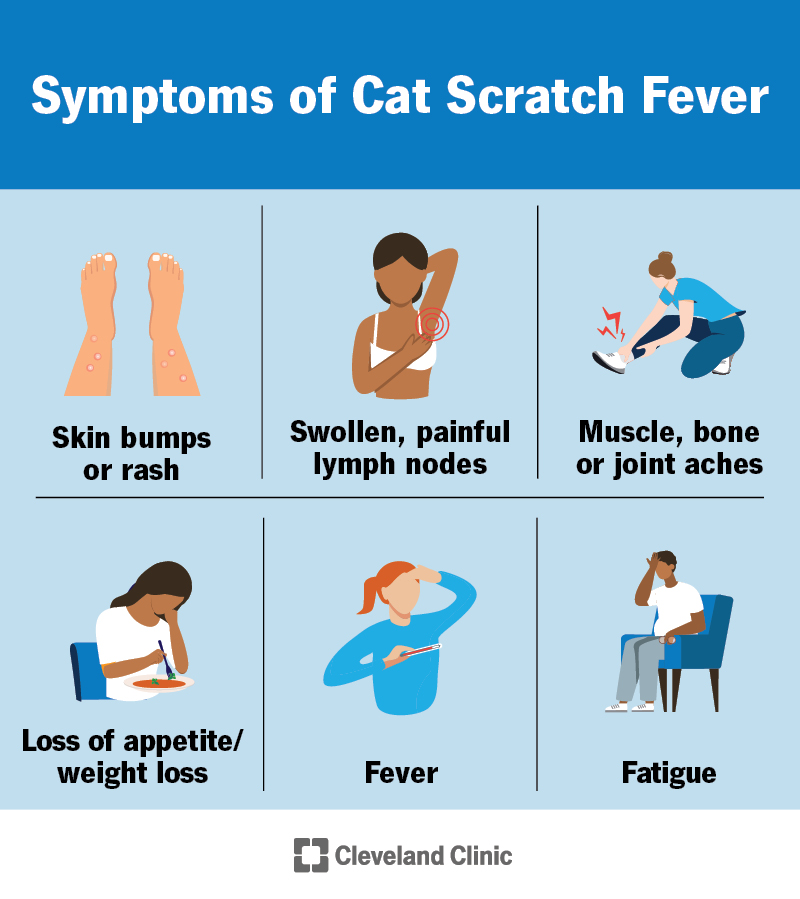
Cat scratches can cause infections if bacteria enter the skin. Early signs of infection need quick attention. Knowing these signs helps prevent serious problems. Watch the scratch closely for changes in appearance and feel. Recognizing infection signs allows prompt treatment and faster healing.
Redness And Swelling
Infected scratches often become red and swollen. The skin around the scratch may look inflamed. Redness can spread beyond the original scratch site. Swelling causes the area to feel warm and puffy. This reaction shows your body fighting bacteria. Monitor the size and color of the redness daily.
Pus And Discharge
Yellow or green pus is a clear infection sign. The scratch may leak fluid or have a crusty surface. Pus forms as white blood cells attack germs. Discharge often smells bad or looks thick. Keep the wound clean and avoid touching pus. Seek medical help if pus keeps increasing or does not stop.
Fever And Pain
Infections can cause fever and body aches. Pain may increase around the scratch over time. The area might feel tender, throbbing, or sharp. Fever signals that the infection affects your whole body. Check your temperature and pain level regularly. Call a doctor if fever or pain gets worse or lasts long.
Home Care Tips
Taking care of a cat scratch at home is crucial to prevent infection and speed up healing. Simple actions you take right after the scratch can make a big difference. Here are some practical tips to help you manage the wound effectively.
Keep The Area Dry
Moisture can slow down the healing process and increase the risk of infection. Try to keep the scratched area clean and dry as much as possible.
If you need to wash the wound, pat it dry gently with a clean towel instead of rubbing it. Avoid soaking the area in water, like during long baths, until it has healed significantly.
Avoid Scratching
It’s tempting to scratch the itch that often develops around healing wounds, but resist the urge. Scratching can reopen the wound and allow bacteria to enter.
If you find yourself wanting to scratch, try applying a cool compress or gently tap around the area instead. Have you noticed how distracting yourself with small actions can help break the itch cycle?
Use Over-the-counter Remedies
Over-the-counter antiseptic creams and ointments are your friends when treating cat scratches. Applying them can reduce inflammation and protect against infection.
Look for products containing ingredients like Neosporin or bacitracin. If pain or redness worsens, consider consulting a healthcare professional instead of relying solely on home remedies.

Credit: justcatsclinic.com
When To See A Doctor
Knowing when to see a doctor after a cat scratch is very important. Most cat scratches heal well at home with simple care. Some situations need medical attention to avoid serious problems. Watch for signs that show your body is not healing properly.
Persistent Symptoms
Look for redness, swelling, or pain that lasts more than a few days. If the wound keeps oozing pus or feels warm, infection might be present. Fever or swollen lymph nodes near the scratch also need a doctor’s check. These signs mean your body is fighting infection and needs help.
Deep Or Severe Wounds
Deep scratches that bleed heavily need professional cleaning. Cuts that are very wide or very deep might require stitches. Wounds caused by a cat bite are at higher risk of infection. Prompt medical care can prevent long-term damage or scarring. Never ignore severe wounds or heavy bleeding.
Tetanus And Rabies Concerns
Tetanus is a serious infection that can happen from animal scratches. If your tetanus shots are not up to date, see a doctor quickly. Rabies is rare but deadly; it spreads through bites from infected animals. If the cat’s health is unknown or it shows strange behavior, seek medical advice immediately. Doctors can give vaccines to protect you.
Preventing Future Scratches
Preventing future scratches from your cat helps keep both you and your pet safe. Cats scratch for many reasons, including play, stress, or fear. Understanding how to reduce these moments can protect your skin and improve your bond.
Handling Cats Safely
Learn to read your cat’s body language. Watch for signs like flattened ears or a twitching tail. These signs mean your cat feels threatened or annoyed.
Approach your cat calmly and slowly. Avoid sudden movements or loud noises. Always let your cat come to you first.
Support your cat’s body fully when picking them up. Hold them gently but firmly. Never grab their tail or paws.
Regular Cat Grooming
Trim your cat’s nails regularly to keep them short and less sharp. Use nail clippers made for pets. Be careful not to cut too close to the quick.
Brush your cat often to reduce shedding and stress. A calm grooming session can prevent aggressive scratching.
Check your cat’s paws for dirt or injuries. Clean them gently with a damp cloth when needed.
Using Protective Gear
Wear long sleeves and gloves when handling a nervous cat. This gear protects your skin from accidental scratches.
Use a thick towel to wrap your cat if you need to calm or move them. This prevents sudden movements.
Keep scratching posts and toys available. These tools give your cat safe places to scratch.
Frequently Asked Questions
How Do I Clean A Cat Scratch Properly?
Clean a cat scratch immediately with soap and warm water. Rinse well to remove dirt and bacteria. Apply an antiseptic to prevent infection. Keep the wound dry and covered with a clean bandage until it heals.
When Should I See A Doctor For A Cat Scratch?
See a doctor if the scratch becomes red, swollen, or painful. Also seek medical help if you develop fever or pus. Immediate care is crucial for deep wounds or if you haven’t had a tetanus shot recently.
Can Cat Scratches Cause Infections?
Yes, cat scratches can cause infections like cat scratch disease. Bacteria from the cat’s claws or saliva can enter the skin. Proper cleaning and care reduce infection risk. Watch for symptoms like redness, swelling, or fever.
How Long Does It Take For A Cat Scratch To Heal?
Most cat scratches heal within one to two weeks. Healing time depends on scratch depth and care quality. Keep the wound clean to speed recovery. If healing slows or worsens, consult a healthcare professional.
Conclusion
Treating a cat scratch quickly helps prevent infection and pain. Clean the wound with soap and water right away. Apply an antibiotic cream to keep bacteria away. Cover the scratch with a clean bandage to protect it. Watch for redness, swelling, or pus as signs to see a doctor.
Keep your cat’s nails trimmed to avoid deep scratches. Remember, simple care can make healing faster and easier. Stay calm and act fast to keep your skin healthy. Small steps make a big difference in treating cat scratches.

Lily Purrington is the founder of MyKittyPicks.com, a cozy corner of the web dedicated to helping cat lovers discover the best cat products, furniture, toys, and home decor ideas.
A lifelong cat enthusiast, Lily shares trusted tips, honest product recommendations, and stylish inspiration designed to keep kitties happy and homes beautiful.
Her mission is simple: to bring together practical advice and purr-fect picks that make life better for cats and the people who love them.


