

Have you ever found your cat curled up in the oddest place, like a cardboard box or on top of your freshly folded laundry? If so, you might wonder, “Do cats really need a bed?”
You’re not alone in pondering this. As a cat owner, you want to ensure your feline friend is comfortable and happy. But is a bed truly essential? Or is it just another unnecessary expense? Before you decide, let’s dive into why a dedicated sleeping spot could make a difference for your cat’s well-being—and perhaps even your peace of mind.
Stick around to discover insights that might just surprise you and help create a cozy haven for your furry companion.

Credit: www.petso.com.au
Benefits Of A Cat Bed
Providing a dedicated bed for your cat offers more than just a cozy spot to nap. It enhances their overall well-being and can even improve their behavior. Cats benefit in several practical ways when they have a space designed just for them.
Improved Comfort And Support
A cat bed cushions your cat’s body, protecting joints and bones from hard surfaces. Older cats or those with arthritis especially feel the difference. Have you noticed your cat avoiding cold floors? A soft bed gives them a warm, comfortable place to rest every day.
Sense Of Security
Cats love having their own safe zone where they can retreat and relax. A bed with raised edges or a cozy nook mimics the feeling of a den, helping reduce stress. Does your cat hide under furniture when visitors arrive? A bed can offer a secure spot without making them feel trapped.
Temperature Regulation
Cat beds help your feline friend stay warm during chilly months and cool during warmer days. Some beds are made with breathable materials or even heated options to maintain the perfect temperature. Ever seen your cat curl up tightly on a cold night? A bed can make that warmth more consistent and comfortable.
Types Of Cat Beds
Choosing the right bed for your cat can make a big difference in their comfort and happiness. Cat beds come in many styles, each designed to meet different needs and preferences. Understanding these types helps you pick one that your cat will actually use and enjoy.
Heated Beds
Heated beds are perfect if your cat loves warmth or if you live in a colder climate. These beds provide gentle heat, which can soothe aching joints and muscles, especially for older cats. I noticed my senior cat immediately gravitated to a heated bed—it became her favorite spot during chilly nights.
Many models have adjustable temperature settings and safety features to prevent overheating. Would your cat appreciate some extra warmth on cold days?
Orthopedic Beds
Orthopedic beds offer extra support, making them ideal for cats with arthritis or joint pain. These beds use memory foam or similar materials to cushion pressure points and improve sleep quality. You might see a noticeable difference in your cat’s mobility after resting on one.
Even young cats benefit from orthopedic beds by preventing future joint issues. Does your cat seem stiff or uncomfortable after sleeping on hard surfaces?
Covered And Cave Beds
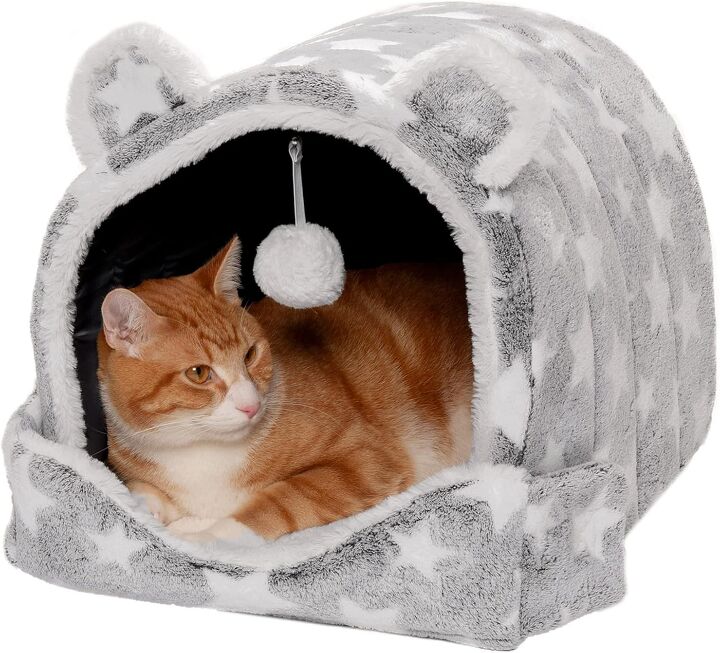
Covered or cave beds provide a cozy, enclosed space where cats feel safe and secure. Cats naturally seek out hiding spots, and these beds satisfy that instinct perfectly. I’ve found that shy or anxious cats especially enjoy these types of beds.
They come in various sizes and shapes, often with soft, plush interiors. Could a covered bed help your cat feel more relaxed at home?
Window Perches
Window perches offer a unique resting spot with a view, combining comfort with entertainment. Cats love watching birds, squirrels, and outdoor activity, which keeps them mentally stimulated. Installing a perch is a simple way to enrich your cat’s environment.
These beds usually attach securely to windows and come with soft padding. Have you noticed how much time your cat spends looking outside?
Choosing The Right Bed
Choosing the right bed for your cat is more than just picking something soft to lie on. It’s about understanding your cat’s habits, preferences, and needs. A well-chosen bed can improve their comfort and even influence their behavior positively.
Size And Shape Considerations
Not every cat likes the same size or shape of bed. Some cats curl up tightly, while others stretch out fully. Watch how your cat sleeps and use that as a guide.
For cats that curl up, round or oval beds with raised edges offer a sense of security. If your cat likes to sprawl, consider larger, flat beds or mats. Remember, a cramped bed can cause discomfort, making your cat avoid it altogether.
Material And Washability
The bed’s material affects both comfort and maintenance. Soft, plush fabrics are cozy, but make sure they are durable and easy to clean.
Look for beds with removable covers you can toss in the washing machine. Cats can be messy, and a clean bed helps prevent odors and allergens. Have you noticed your cat avoiding a bed because it smells funny? Cleanliness matters more than you might think.
Placement In The Home
Where you put the bed can be as important as the bed itself. Cats love warmth, quiet, and a good view of their surroundings.
Think about spots where your cat already naps or watches the world—near a sunny window or a cozy corner. Avoid high-traffic or noisy areas, which can stress your cat out. Does your cat prefer hiding under the bed or lying in the open? Let their choice guide you.

Credit: www.reddit.com
Alternatives To Traditional Beds
Cats enjoy cozy and warm places to rest. Traditional beds are common but not always necessary. Many cats prefer simple and creative alternatives. These options provide comfort and fit different home styles and budgets. Understanding these alternatives can help pet owners create perfect spots for their cats.
Blankets And Cushions
Soft blankets and cushions make great resting spots. Cats love the warmth and softness they provide. Use old sweaters or fleece blankets to make a comfy layer. Place them in quiet corners or near sunny windows. Wash them regularly to keep them fresh and clean.
Cardboard Boxes
Cardboard boxes are simple but very popular with cats. Boxes offer a safe, enclosed space that cats find comforting. Cut small openings for easy entry and exit. Add a soft blanket or towel inside for extra comfort. Boxes are cheap, easy to replace, and recyclable.
Furniture Adaptations
Adapt furniture to create cat-friendly resting areas. Chairs, shelves, or sofas can be turned into cozy spots. Add cushions or blankets to the chosen place. Make sure the area is stable and safe. Cats like high places, so consider raised shelves or window perches.
Encouraging Your Cat To Use The Bed
Getting your cat to use a bed can sometimes be a challenge, but it’s worth the effort. Cats are creatures of habit who love comfort and security. Encouraging your cat to adopt a bed involves making it feel familiar and rewarding, so your furry friend chooses it over other spots.
Using Familiar Scents
Cats rely heavily on scent to feel safe. Placing a piece of your clothing or a blanket with your cat’s scent in the bed can make it instantly more inviting. You might also add some of their favorite toys or a bit of catnip to create a comforting space that smells like home.
If your cat often curls up on your bed or sofa, try moving some of those familiar items onto their new bed. This small adjustment helps bridge the gap between old favorite spots and the new bed.
Positive Reinforcement
Reward your cat every time it shows interest in the bed. Use treats, gentle petting, or soft praise right when they step inside. This creates a positive association and encourages them to return.
Try sitting near the bed and gently coaxing your cat with a toy or your voice. Patience is key here; your calm presence can reassure them that the bed is a safe, happy place.
Avoiding Common Mistakes
Don’t force your cat into the bed or get frustrated if they ignore it at first. Cats resist pressure and need time to adjust. Avoid placing the bed in noisy or high-traffic areas where your cat might feel exposed or stressed.
Also, don’t keep moving the bed around. Stability helps your cat learn where to find their cozy spot. Remember, consistency and gentle encouragement work better than rushing the process.
Signs Your Cat Needs A New Bed
Recognizing when your cat needs a new bed helps keep them comfortable and happy. Cats rely on their beds for rest and security. Over time, beds wear out or become less inviting. Watching for certain signs can guide you to provide a fresh, cozy spot for your feline friend.
Wear And Tear Indicators
- Visible rips or holes in the fabric
- Flattened or misshaped cushioning
- Unpleasant odors that don’t go away
- Loose stuffing spilling out
- Discoloration or stains that can’t be cleaned
These signs suggest the bed no longer offers proper support or comfort.
Behavioral Changes
- Your cat avoids the bed entirely
- They choose new or unusual sleeping spots
- Restlessness or difficulty settling down
- Increased scratching or biting at the bed
- More frequent moving from one spot to another
Such behaviors often mean your cat finds the bed uncomfortable or uninviting.
Health Considerations
- Older cats may need softer, more supportive beds
- Arthritis or joint pain requires cushioning
- Allergies can worsen with dirty or dusty beds
- Skin irritations may develop from worn materials
- Regular cleaning is essential to prevent infections
Choosing the right bed supports your cat’s health and well-being.
Credit: www.petguide.com
Frequently Asked Questions
Do Cats Really Need Their Own Bed?
Cats don’t absolutely need a bed, but it provides comfort and security. A dedicated bed helps them feel safe and warm. It also protects furniture from fur and scratches. Beds can improve a cat’s sleep quality and overall well-being.
What Type Of Bed Suits Most Cats Best?
Soft, cozy beds with raised edges suit most cats well. They like warmth and a sense of enclosure. Materials like fleece or plush work best. Beds should be easy to clean and placed in quiet, safe areas for best results.
Can Cats Sleep Comfortably Without A Bed?
Yes, cats can sleep without a bed by using blankets or soft surfaces. However, a bed offers extra warmth and security. Without a bed, cats might choose furniture or boxes, which may not be as comfortable or hygienic.
How Often Should Cat Beds Be Cleaned?
Cat beds should be cleaned every 1-2 weeks to maintain hygiene. Frequent washing prevents odors, fur buildup, and pests like fleas. Use pet-safe detergents and ensure the bed is completely dry before reuse to keep your cat healthy and comfortable.
Conclusion
Cats enjoy comfort and safety when they have a cozy bed. A bed gives them a special place to rest and feel secure. It helps keep them warm, which is important for their health. Many cats like soft, quiet spots to relax.
Providing a bed shows you care about your pet’s happiness. It also helps protect your furniture from fur and scratches. Giving your cat a bed can improve their sleep and mood. So, a bed is a simple way to make your cat’s life better.

Lily Purrington is the founder of MyKittyPicks.com, a cozy corner of the web dedicated to helping cat lovers discover the best cat products, furniture, toys, and home decor ideas.
A lifelong cat enthusiast, Lily shares trusted tips, honest product recommendations, and stylish inspiration designed to keep kitties happy and homes beautiful.
Her mission is simple: to bring together practical advice and purr-fect picks that make life better for cats and the people who love them.


