
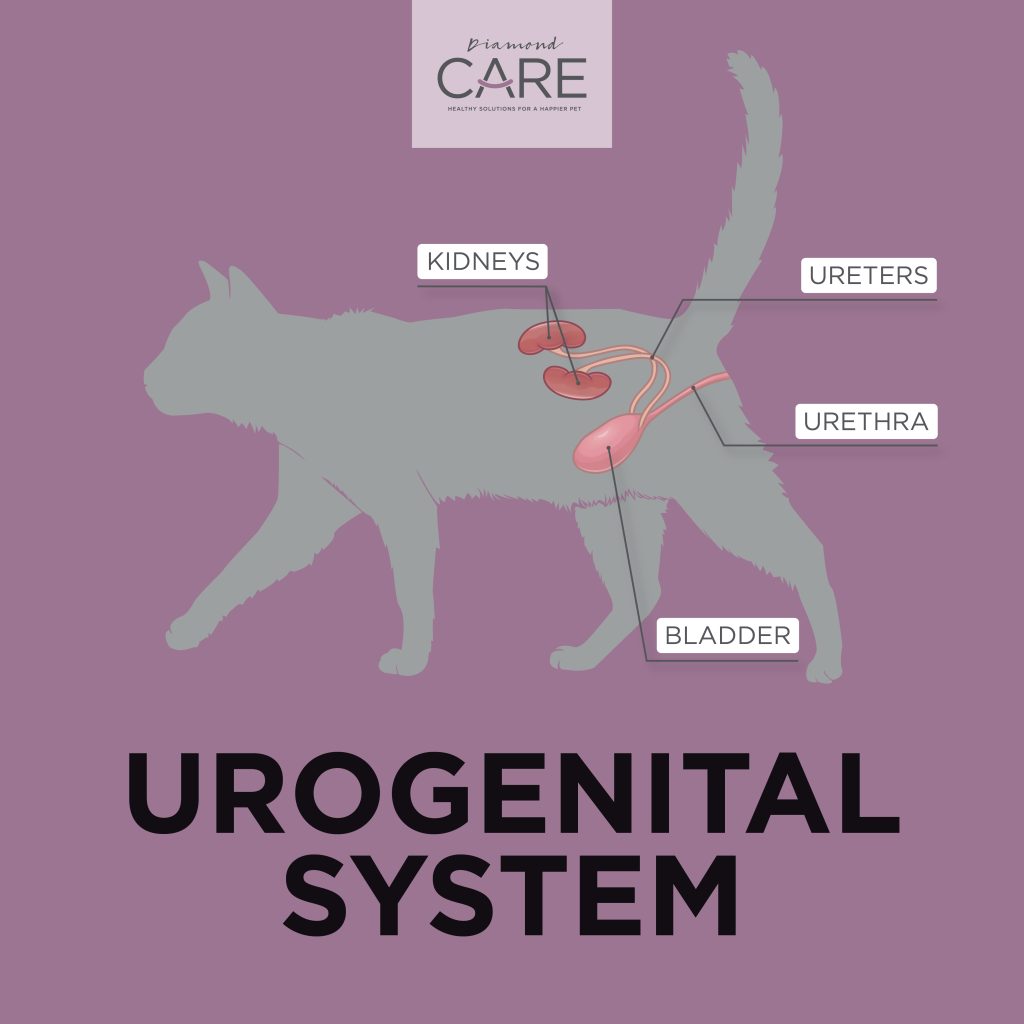
Are you worried because your cat is urinating more than usual? It can be confusing and even frustrating to see your furry friend spending so much time in the litter box or having accidents around the house.
You might wonder if something is wrong or if this behavior will get worse. Understanding why your cat urinates so much is important for their health and your peace of mind. Keep reading to discover the common reasons behind this behavior and what you can do to help your cat feel better.
Common Causes Of Frequent Urination
Frequent urination in cats can signal many health issues. Understanding common causes helps spot problems early. Cats may urinate often due to infections, organ problems, or stress. Watching your cat’s bathroom habits is important for its health.
Urinary Tract Infections
Urinary tract infections cause inflammation in the cat’s urinary system. This leads to pain and frequent urination. Cats may also strain or cry while urinating. These infections need prompt veterinary care to avoid complications.
Kidney Problems
Kidney issues reduce the organ’s ability to filter waste. Cats drink and urinate more to remove toxins. Early kidney disease often shows as increased urination. Regular check-ups help catch kidney problems early.
Diabetes In Cats
Diabetes causes high blood sugar levels in cats. Excess sugar leads to more urine production. Cats with diabetes often drink and urinate a lot. Weight loss and increased appetite may also occur.
Bladder Stones
Bladder stones irritate the bladder lining. They cause pain and frequent urination attempts. Stones may block urine flow, creating urgent visits to the litter box. Veterinary treatment is needed to remove stones safely.
Stress And Anxiety
Stress triggers changes in a cat’s behavior and health. Cats may urinate more due to anxiety or changes at home. Moving, new pets, or loud noises can increase stress. Creating a calm environment can reduce this problem.

Credit: www.feliway.co.uk
Signs To Watch For
Watching your cat closely can help spot health problems early. Changes in urination often signal an issue that needs attention. Small signs may seem normal but can hint at discomfort or illness. Knowing what to look for helps protect your cat’s health.
Changes In Urine Color Or Smell
Normal cat urine is usually light yellow and mild-smelling. Darker urine or strong odor may suggest infection or dehydration. Pink or red urine can indicate blood, which needs immediate care. Notice any sudden or lasting changes in your cat’s urine.
Frequent Licking Of Genital Area
Excessive licking around the genital area often shows irritation or pain. This behavior might mean a urinary tract infection or bladder problem. Watch if your cat spends more time cleaning than usual. It could be a sign to visit the vet.
Accidents Outside The Litter Box
Urinating outside the litter box can be a sign of stress or illness. Cats may avoid the box due to pain or discomfort. Keep track of any new accidents, especially if your cat is usually well-trained. This change often points to a medical issue.
Increased Thirst
Drinking more water than usual often accompanies frequent urination. This could indicate diabetes or kidney problems. Measure how much your cat drinks each day to notice any rise. Increased thirst combined with urination needs veterinary evaluation.
When To See A Vet
Understanding why your cat urinates excessively is crucial for their health. Frequent urination might indicate an underlying issue. It is essential to identify when professional help is needed. Visiting a vet at the right time can prevent complications. Here are key signs to watch for.
Persistent Symptoms
If your cat’s urination habits do not improve, consult a vet. Consistent issues might suggest a medical condition. Cats cannot communicate discomfort directly. Persistent symptoms require veterinary attention.
Pain Or Discomfort
Observe your cat’s behavior while urinating. Signs of pain, like vocalizing or straining, are concerning. These symptoms should prompt a vet visit. Pain during urination is not normal.
Blood In Urine
Notice any discoloration in the litter box. Blood in urine is a serious symptom. It could indicate infections or urinary tract issues. Seek immediate veterinary care if you spot blood.
Sudden Behavior Changes
Watch for sudden changes in your cat’s habits. Avoiding the litter box or frequent trips might signal a problem. Behavioral changes can indicate stress or health issues. A vet can help identify the cause.
Home Remedies And Quick Fixes
Finding ways to reduce your cat’s frequent urination at home can provide quick relief. Simple changes often improve your cat’s comfort. These remedies focus on hydration, cleanliness, stress, and diet. Each area plays a key role in your cat’s urinary health.
Improving Hydration
Proper hydration helps flush the urinary tract and reduces irritation. Offer fresh water in several places around the house. Some cats prefer running water from a pet fountain. Wet cat food increases water intake compared to dry food. Encourage drinking by adding a little water to meals. Keep water bowls clean to avoid bacteria build-up.
Maintaining Litter Box Cleanliness
Clean litter boxes encourage cats to use them regularly. Scoop waste at least once a day. Wash the litter box with mild soap weekly. Avoid strong-smelling cleaners that can deter cats. Provide enough litter boxes—one more than the number of cats. Place boxes in quiet, private areas to reduce stress.
Stress Reduction Techniques
Stress can cause cats to urinate more often or outside the box. Create a calm environment with cozy resting spots. Use pheromone diffusers or sprays designed for cats. Play with your cat daily to reduce anxiety. Keep a consistent routine for feeding and playtime. Avoid loud noises and sudden changes in the home.
Diet Adjustments
A balanced diet supports urinary health and reduces excess urination. Choose high-quality cat food with proper moisture levels. Avoid foods high in magnesium and phosphorus. Consider a special urinary care formula recommended by veterinarians. Monitor your cat’s weight to prevent obesity, which can worsen urinary issues. Consult your vet before making major diet changes.
Preventing Frequent Urination
Frequent urination in cats can be worrying, but there are clear steps you can take to help prevent it. Understanding the causes and keeping a close watch on your cat’s health and habits will make a big difference. Small, consistent actions can keep your feline friend comfortable and reduce the risk of urinary problems.
Regular Vet Checkups
Scheduling regular vet visits is essential. Your vet can spot early signs of urinary tract infections, diabetes, or kidney issues that cause frequent urination. Don’t wait for symptoms to become severe—early detection can save your cat from discomfort and complicated treatments.
Think about how often you’ve skipped a vet visit thinking your cat seemed fine. Could a quick checkup have prevented a health scare? Asking this helps remind you why consistency matters.
Balanced Diet
Your cat’s diet plays a huge role in urinary health. Feeding high-quality, balanced food with proper moisture content helps maintain the right pH in their urine. Dry kibble alone can sometimes contribute to dehydration, which may increase urination frequency.
Try adding wet food or fresh water sources around the house. You might notice your cat drinking more and urinating less often. Have you noticed any changes when switching food types?
Safe Environment
Stress can cause your cat to urinate more frequently or outside the litter box. Providing a calm and secure environment reduces anxiety-related urination. Create quiet spaces, offer hiding spots, and keep litter boxes clean and accessible.
Think about your cat’s daily routine and surroundings. Is there anything new or stressful that could be affecting them? Small changes can make a big difference in their comfort level.
Monitoring Behavior
Keeping track of your cat’s urination patterns helps you spot problems early. Note any changes in frequency, volume, or behavior around the litter box. This info is invaluable for your vet to diagnose issues quickly.
Consider keeping a simple journal or using an app to record these details. Have you noticed your cat spending more time in the litter box or showing signs of discomfort? Observing closely puts you in control of their health.

Credit: www.youtube.com
Credit: www.tippaws.com
Frequently Asked Questions
Why Does My Cat Urinate More Than Usual?
Increased urination in cats can signal health issues like urinary tract infections or diabetes. Stress and diet changes can also cause frequent urination. Always consult a vet to diagnose the exact cause and get appropriate treatment to ensure your cat’s well-being.
Can Diet Affect How Much My Cat Urinates?
Yes, diet plays a crucial role in your cat’s urination frequency. Wet food increases water intake, leading to more urine output. Conversely, dry food may reduce urination but can risk dehydration. A balanced diet helps maintain healthy urinary habits and prevents complications.
When Should I Worry About My Cat’s Urination?
If your cat urinates outside the litter box or shows signs of pain, seek veterinary advice immediately. Frequent urination, blood in urine, or lethargy are red flags. Early diagnosis helps treat underlying conditions like infections or kidney issues effectively.
Could Stress Cause My Cat To Urinate Excessively?
Stress can indeed cause cats to urinate more often or outside the litter box. Changes in environment, new pets, or loud noises can trigger this behavior. Reducing stress through routine, safe spaces, and enrichment helps manage and prevent excessive urination.
Conclusion
Frequent urination in cats can signal health issues. Watching your cat’s behavior helps spot problems early. A vet visit is important for proper diagnosis. Treating the cause improves your cat’s comfort and health. Remember, timely action prevents serious complications. Caring for your cat means paying attention to changes.
Don’t ignore signs like excessive urination or discomfort. Your cat depends on you for a happy life. Stay alert and act quickly for the best care.

Lily Purrington is the founder of MyKittyPicks.com, a cozy corner of the web dedicated to helping cat lovers discover the best cat products, furniture, toys, and home decor ideas.
A lifelong cat enthusiast, Lily shares trusted tips, honest product recommendations, and stylish inspiration designed to keep kitties happy and homes beautiful.
Her mission is simple: to bring together practical advice and purr-fect picks that make life better for cats and the people who love them.


