
If you’ve ever dealt with the stubborn smell of cat urine in your home, you know how frustrating it can be. You might be wondering if bleach is the quick fix to eliminate that unpleasant odor for good.
But does bleach really get rid of cat urine smell, or could it make things worse? You’ll discover the truth behind using bleach and learn the best ways to tackle those tough pet odors. Keep reading to find out how to make your home smell fresh again—without any guesswork.

Credit: smart.dhgate.com
Why Cat Urine Smell Is Tough
Cat urine smell is one of the most stubborn odors to remove from homes. It sticks to carpets, furniture, and even walls. The smell can return even after cleaning. This is because cat urine has a unique chemical makeup and strong compounds that cling to surfaces. Understanding why this smell is tough helps find better cleaning solutions.
Chemical Composition Of Cat Urine
Cat urine contains ammonia, urea, and uric acid. These chemicals create a strong, pungent odor. Uric acid crystals do not dissolve easily in water. They can settle deep in carpet fibers and porous materials. Ammonia is sharp and irritating to the nose. It also reacts with air, making the smell worse over time.
Why Odor Lingers
Uric acid crystals stick to surfaces and resist regular cleaning. Water and soap cannot break them down fully. These crystals keep releasing the bad smell. The longer urine stays, the deeper it soaks in. This makes the odor return even after washing. Without special cleaners, the smell is almost impossible to remove completely.
How Bleach Works As A Cleaner
Understanding how bleach works as a cleaner can help you decide if it’s the right choice for dealing with tough stains and odors, like cat urine. Bleach is a powerful chemical that kills germs and breaks down organic matter. But does that mean it fully eliminates the smell of cat urine? Let’s explore the science behind bleach and its cleaning abilities.
Bleach’s Disinfecting Properties
Bleach contains sodium hypochlorite, which is excellent at killing bacteria, viruses, and fungi. This makes it a go-to product for disinfecting surfaces in kitchens and bathrooms.
When you apply bleach, it reacts with the proteins and enzymes in bacteria, breaking them down and stopping their growth. This is why bleach can make your space feel cleaner and safer.
But here’s something to consider: bleach works by breaking down the biological material that causes stains and germs, not by masking or absorbing odors.
Limitations Of Bleach On Odors
Cat urine contains ammonia and other compounds that create a strong, lingering smell. Bleach’s chemical reaction actually can make this worse by releasing toxic fumes when mixed with ammonia.
Even if you clean the surface, bleach doesn’t remove the uric acid crystals deeply embedded in carpets or fabrics. These crystals are often the real source of the persistent odor.
So, if you rely only on bleach, you might eliminate surface bacteria but still face that stubborn smell. Have you noticed that some cleaning jobs need more than just disinfecting? This is a perfect example.
Bleach And Cat Urine Smell
Cat urine is notorious for its strong and lingering odor. Many pet owners might reach for bleach as a quick fix, but is it truly effective? Let’s delve into the relationship between bleach and cat urine smell to uncover the truth.
Can Bleach Neutralize The Odor?
Bleach is a powerful disinfectant and is often seen as a go-to solution for eliminating odors. However, when it comes to cat urine, bleach might not be the miracle solution you hope for. While it can sanitize surfaces, it does not effectively neutralize the uric acid in cat urine, which is the primary cause of the smell.
Think of the times you’ve cleaned with bleach, only to have the smell of cat urine return shortly after. This happens because bleach does not break down uric acid crystals. Without targeting these crystals, the odor can persist, leaving you frustrated and searching for other solutions.
Potential Risks Of Using Bleach On Urine Stains
Using bleach on urine stains isn’t just ineffective; it can also be risky. When bleach mixes with ammonia—a component found in cat urine—it can release toxic fumes. These fumes are harmful to both humans and pets.
Moreover, bleach can damage certain surfaces, like carpets and upholstery, leading to discoloration or weakening of fibers. If you’ve ever tried using bleach on a favorite rug, only to find it faded or ruined, you know the disappointment firsthand.
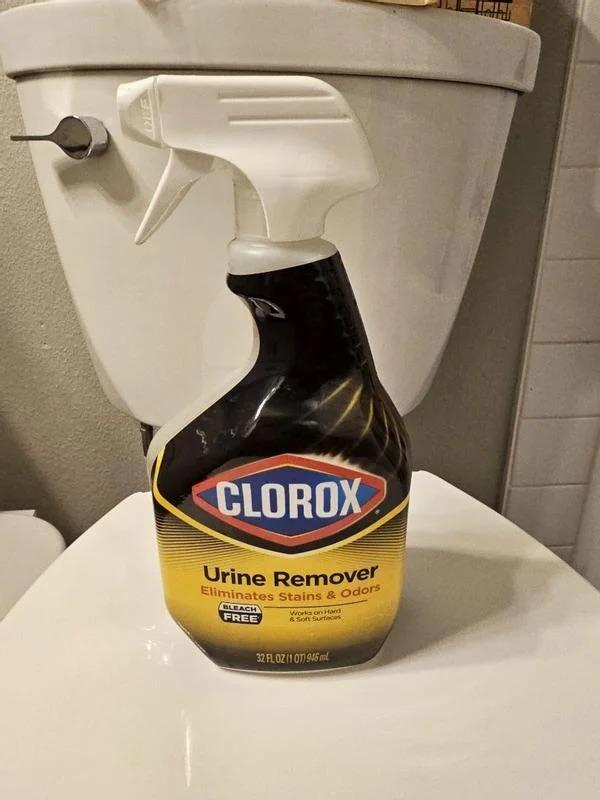
So, what’s the alternative? Consider using enzymatic cleaners specifically designed to break down uric acid. These cleaners can effectively eliminate the root cause of the odor, offering a safer and more reliable solution for your home.
Are you currently battling cat urine smells in your home? Before reaching for the bleach, weigh the risks and consider more targeted cleaning products that can truly tackle the problem.
Credit: www.clorox.com
Safer Alternatives To Bleach
Bleach is a common go-to for cleaning tough stains and odors, but it isn’t always the best choice for removing cat urine smell. It can be harsh on surfaces, harmful to your pets, and sometimes even mask the odor rather than eliminate it. Luckily, there are safer alternatives that effectively tackle the problem without the risks.
Enzymatic Cleaners For Urine
Enzymatic cleaners are specially designed to break down the proteins and bacteria in cat urine. They don’t just cover up the smell—they actually remove the source of it. Using one of these cleaners can make a huge difference, especially if the urine has soaked into carpets or upholstery.
I once struggled with a persistent urine smell on my living room rug. Regular cleaning didn’t help, but an enzymatic cleaner worked wonders within a few uses. If you want a reliable solution that’s safe for your pets and home, this is worth trying.
Natural Remedies That Work
Natural options like vinegar, baking soda, and hydrogen peroxide offer gentle yet effective ways to handle cat urine odor. Vinegar neutralizes ammonia in urine, while baking soda absorbs lingering smells. Mixing these with a bit of water and applying to the affected area can freshen things up without harsh chemicals.
Have you ever noticed how simple household items sometimes outperform expensive products? Try sprinkling baking soda on a dried urine spot, let it sit, then vacuum it up. It’s a small step that can make a big difference in odor control.
- Vinegar solution:Mix equal parts white vinegar and water, spray on the area, and blot dry.
- Baking soda:Sprinkle on dry surfaces, leave for a few hours, then vacuum.
- Hydrogen peroxide mix:Combine 3% hydrogen peroxide with a few drops of dish soap for stubborn odors.
Tips To Prevent Cat Urine Odor
Preventing cat urine odor is easier than removing it later. Keeping your home fresh starts with simple habits. These tips help stop bad smells before they begin. They create a clean space for both you and your cat.
Proper Litter Box Maintenance
Clean the litter box daily to avoid odors. Use clumping litter to trap urine quickly. Change the litter fully at least once a week. Wash the box with mild soap and water during litter changes. Place the box in a quiet, accessible area to encourage use. Using a litter mat can catch stray litter and keep the area tidy.
Immediate Cleaning Strategies
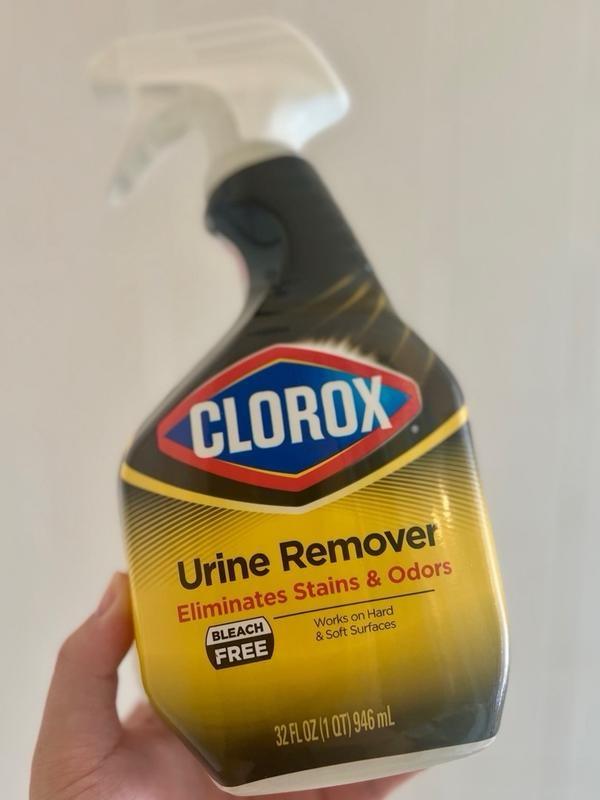
Wipe up urine spots as soon as you notice them. Use paper towels or cloths to absorb liquid quickly. Avoid bleach, which can make the smell worse and harm your cat. Instead, use enzymatic cleaners that break down urine molecules. Spray the cleaner generously and let it sit to work. Blot the area dry and repeat if needed for strong odors.
Credit: www.clorox.com
Frequently Asked Questions
Does Bleach Remove Cat Urine Smell Completely?
Bleach can mask cat urine odor temporarily but does not eliminate it fully. It may fail to break down urine enzymes causing smell persistence.
Is Bleach Safe For Cleaning Cat Urine?
Bleach is harsh and can irritate pets and humans. Use it cautiously and avoid mixing with ammonia or acids to prevent toxic fumes.
What Is Better Than Bleach For Cat Urine Odor?
Enzymatic cleaners are more effective than bleach. They break down urine molecules at the source, removing odors permanently and safely.
Can Bleach Damage Surfaces When Cleaning Cat Urine?
Yes, bleach can discolor or weaken some fabrics and carpets. Test on a small area before use to avoid surface damage.
Conclusion
Bleach can remove some cat urine stains but often leaves a strong smell. It does not fully get rid of the urine odor. Using special cleaners made for pet urine works much better. These cleaners break down the smell-causing chemicals.
Always test any cleaner on a small area first. Clean the spot quickly to stop the smell from setting in. Proper cleaning helps keep your home fresh and clean. Choose products made for pet stains to get the best results.

Lily Purrington is the founder of MyKittyPicks.com, a cozy corner of the web dedicated to helping cat lovers discover the best cat products, furniture, toys, and home decor ideas.
A lifelong cat enthusiast, Lily shares trusted tips, honest product recommendations, and stylish inspiration designed to keep kitties happy and homes beautiful.
Her mission is simple: to bring together practical advice and purr-fect picks that make life better for cats and the people who love them.


