
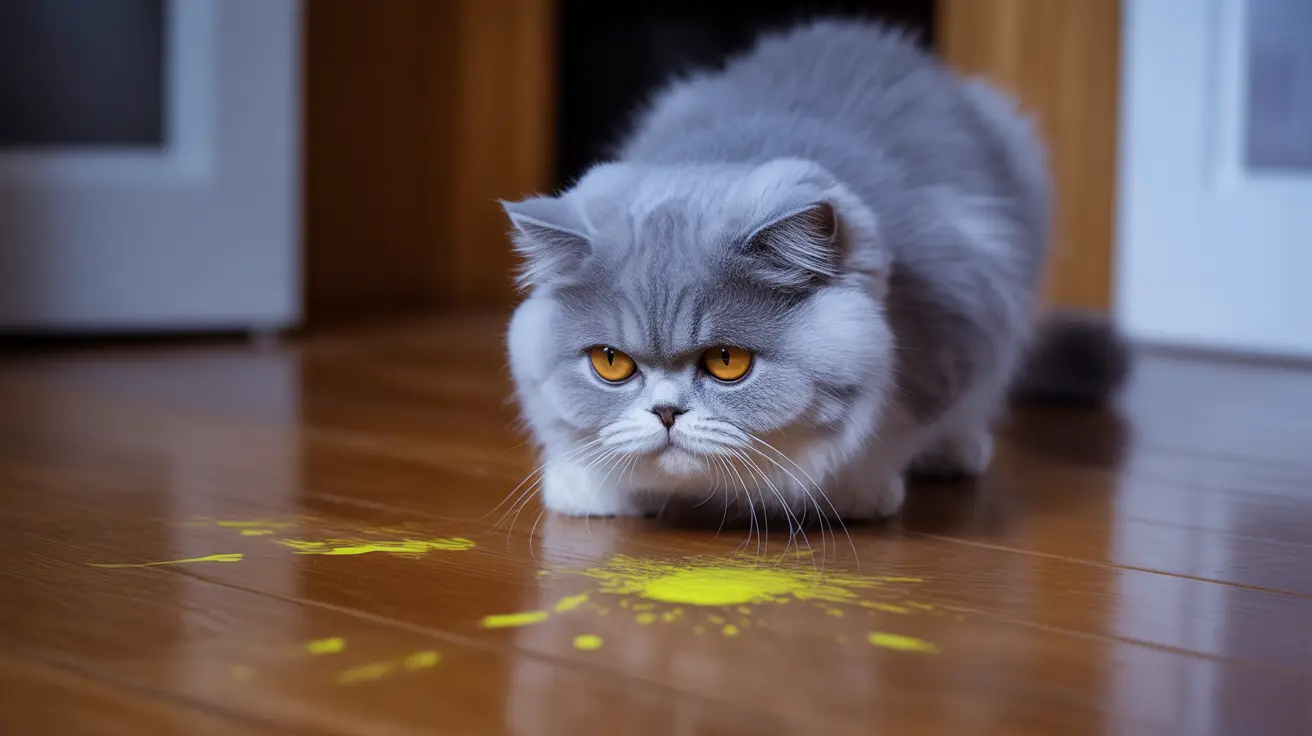
If you’ve ever dealt with cat urine on your laminate flooring, you know how stubborn that smell can be. It’s not just unpleasant—it can also make your whole home feel less fresh.
But don’t worry, you don’t have to live with that odor or replace your floors. You’ll discover simple, effective steps to completely remove cat urine smell from your laminate flooring. By the end, your home will smell clean and inviting again.
Keep reading, and say goodbye to that lingering odor for good!
Credit: www.petscare.com
Identify The Source
Removing cat urine smell from laminate flooring starts with finding where the odor comes from. This step helps to clean the right spots thoroughly. Missing any area means the smell might stay or return. Careful checking makes the cleaning process easier and more effective.
Locate All Affected Areas
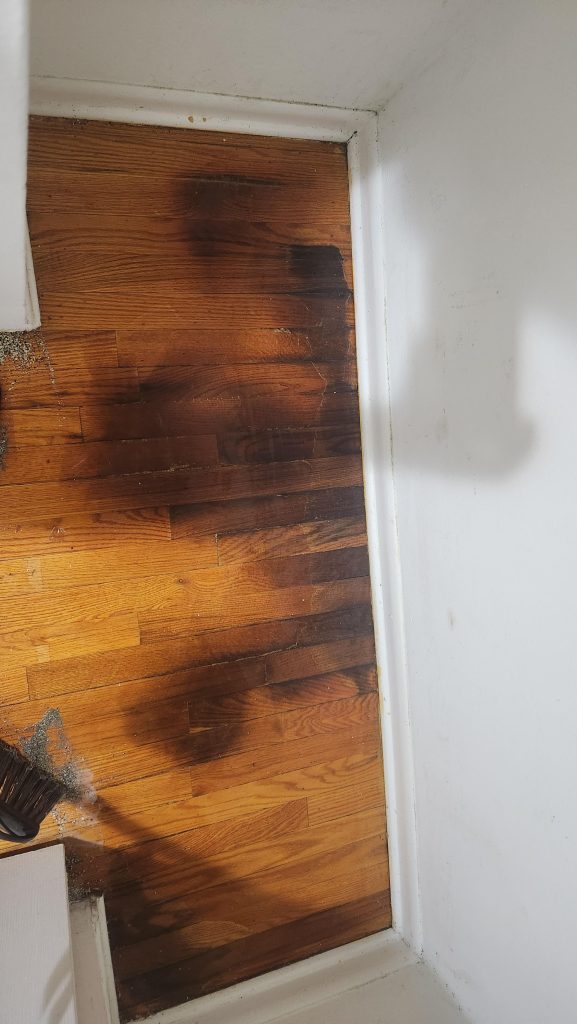
Check your entire floor for signs of cat urine. Look for wet patches or discoloration on the laminate. Smell the floor closely to find the strongest odor spots. Use your nose to guide you, as some areas might not look wet. Mark these places to clean them well later.
Check For Hidden Spots
Cat urine can seep into cracks and under furniture. Move furniture and rugs to inspect the floor underneath. Check baseboards and corners where your cat might hide. Sometimes urine soaks into the laminate edges or gaps. Use a black light at night to spot hidden stains easily.

Credit: floorsanding.co.uk
Prepare The Area
Before tackling the stubborn cat urine smell on your laminate flooring, setting up the space correctly makes a big difference. Preparing the area helps you clean more effectively and prevents the odor from spreading further. Taking a few simple steps first can save you frustration later.
Remove Loose Debris
Start by clearing away any loose dirt, dust, or pet hair on the floor. Use a broom or vacuum cleaner to get rid of these particles. This step prevents you from pushing grime deeper into the laminate surface during cleaning.
Pay close attention to corners and edges where debris tends to accumulate. Removing this buildup lets your cleaning solution work directly on the urine stains without interference. Have you ever noticed how small dirt bits can make a stain seem worse?
Ventilate The Room
Next, open windows and doors to allow fresh air inside. Good airflow helps dissipate the strong urine odor as you clean. It also speeds up drying time, which is crucial to prevent moisture damage on laminate floors.
If you have a fan, position it to blow air across the floor. This will enhance ventilation and keep the space comfortable for you while working. Have you tried cleaning without fresh air and ended up feeling dizzy from the smell?
Choose Safe Cleaners
Safe cleaners protect your laminate flooring while removing cat urine smells effectively. Using gentle, non-toxic products keeps floors clean without damage or harsh odors. Choose solutions designed for pets to maintain a fresh, healthy home environment.
Choosing the right cleaner for cat urine on laminate flooring is essential. Safe cleaners protect the floor and remove odors effectively. Understanding the types of cleaners that are safe helps maintain the integrity of the laminate while ensuring your home stays fresh.Avoid Harsh Chemicals
Harsh chemicals can damage laminate flooring. They might strip the finish or cause discoloration. Always read labels carefully. Look for products that specify they are safe for laminate. Common harsh chemicals to avoid include bleach and ammonia.Use Enzymatic Cleaners
Enzymatic cleaners are a great option for cat urine. They break down the urine’s proteins, removing odors at their source. These cleaners are safe for laminate flooring. Apply them according to the instructions on the bottle. Let the cleaner sit for the recommended time. This ensures it works effectively. Rinse the area with a damp cloth after use. This removes any residue and helps protect the floor’s finish.Cleaning Techniques
Dealing with cat urine on laminate flooring requires more than just wiping it up. Proper cleaning techniques ensure the smell disappears and your floor stays undamaged. Let’s focus on how to clean effectively without causing harm to your laminate surface.
Apply Cleaner Properly
Start by choosing a cleaner that’s safe for laminate floors, like a vinegar and water mix or a commercial enzyme-based cleaner. Spray the cleaner evenly over the affected area—avoid soaking the floor as excess moisture can cause swelling or warping.
Have you noticed that applying too much cleaner sometimes spreads the odor instead of removing it? Using just enough product to cover the spot lets the cleaner break down the urine without damaging your floor.
Scrub Gently
Use a soft-bristled brush or a microfiber cloth to gently scrub the area. Vigorous scrubbing can scratch or dull the laminate finish, making your floor look worse.
Think about how you clean delicate surfaces like your smartphone screen—gentle pressure works best. This careful approach helps lift urine residues without harming your floor’s protective layer.
Rinse Thoroughly
After scrubbing, wipe the area with a clean, damp cloth to remove any cleaner residue. Leftover cleaner can attract dirt or leave a sticky film that traps odors.
Dry the floor well with a towel to prevent moisture from seeping into seams. Have you ever noticed that a wet floor smells worse? Keeping the surface dry stops that from happening.
Deodorize Effectively
Getting rid of cat urine smell from laminate flooring can feel frustrating, especially when the odor lingers despite cleaning. Deodorizing effectively means targeting the smell at its source and neutralizing it rather than just masking it. Let’s explore simple, practical ways you can freshen up your floors with ingredients you likely have at home.
Use Baking Soda
Baking soda is a powerful odor absorber that works wonders on laminate floors. After cleaning the affected area, sprinkle a generous layer of baking soda directly over the spot. Let it sit for several hours or overnight to soak up the smell.
Once the baking soda has absorbed the odor, vacuum or sweep it up thoroughly. You might be surprised how much the smell diminishes after this simple step. Have you ever noticed how baking soda can freshen even the most stubborn odors in your fridge? It works just as well on floors.
Try Vinegar Solutions
Vinegar is another effective tool for neutralizing cat urine smells. Mix equal parts of white vinegar and water in a spray bottle. Spray the solution lightly over the affected area without soaking the laminate to avoid damage.
The acidic nature of vinegar breaks down the urine compounds and neutralizes the odor. After letting it sit for 5 to 10 minutes, wipe the area dry with a clean cloth. You may want to repeat this process a couple of times for strong smells.
Have you ever tested vinegar on a small hidden spot first? It’s a good habit to protect your flooring from any unwanted effects. Simple ingredients like baking soda and vinegar can make a big difference when used carefully.

Credit: www.reddit.com
Prevent Future Odors
Preventing future cat urine odors on laminate flooring is key to keeping your home fresh and your floors intact. Addressing the root causes and maintaining good habits can save you from repeated cleaning struggles. It’s not just about fixing the smell but stopping it before it starts.
Train Your Cat
Training your cat to use the litter box consistently is essential. If your cat avoids the box, try changing the litter type or cleaning it more often. Cats are sensitive to cleanliness and location, so placing the box in a quiet, accessible area helps.
Observe your cat’s behavior for signs of stress or health issues, which can cause accidents. Sometimes, a vet visit is necessary to rule out medical problems. Have you noticed your cat’s habits change recently? That could be a clue to prevent unwanted spots on your floor.
Regular Cleaning Routine
Maintaining a regular cleaning schedule keeps odors from settling into the laminate. Wipe up any accidents immediately with an enzyme cleaner designed for pet stains. These cleaners break down urine molecules, preventing lingering smells.
Don’t forget to mop the entire floor regularly to remove dirt and prevent buildup. Using a vinegar and water solution occasionally can help neutralize odors without damaging the laminate. How often do you clean your floors? Increasing frequency can make a big difference in odor control.
When To Call Professionals
Knowing when to call professionals for cat urine smell on laminate flooring can save you time, money, and frustration. Some odors are more than just surface-level issues; they signal deeper damage that requires expert intervention. Recognizing these signs early helps you avoid costly repairs and ensures a healthy living environment.
Signs Of Deep Damage
If the smell lingers despite thorough cleaning, it might be time to get professional help. Persistent odor often means the urine has soaked into the subfloor or seams of the laminate.
- Visible warping or bubbling in the laminate planks
- Discoloration or dark stains that don’t fade after cleaning
- Soft or spongy spots underfoot indicating moisture damage
- Recurring odor that returns quickly after cleaning
Have you noticed any of these? Ignoring them can lead to mold growth or structural issues, which can be costly and harmful to your health.
Restoration Options
Professionals use specialized equipment and treatments to tackle deep-set urine stains and odors. They often start with moisture meters to pinpoint affected areas and may remove damaged planks to treat the subfloor.
- Deep cleaning with enzymatic solutions that break down urine molecules
- Replacing damaged laminate sections to stop the smell permanently
- Applying sealants or odor blockers to prevent future issues
- Drying and deodorizing the subfloor with industrial-grade machines
These restoration steps go beyond surface cleaning and ensure your flooring looks and smells fresh again. Do you want a quick fix or a long-term solution? Calling a professional might be the smartest choice for your home’s health and your peace of mind.
Frequently Asked Questions
How Can I Remove Cat Urine Smell From Laminate Flooring?
Use an enzymatic cleaner designed for pet urine. Avoid harsh chemicals that damage laminate. Clean promptly to prevent odor absorption. Wipe and air dry thoroughly for best results.
What Household Items Remove Cat Urine Odor On Laminate?
White vinegar and baking soda work well. Apply vinegar, let sit, then sprinkle baking soda. Wait for it to dry, then vacuum. This neutralizes odor without harming laminate surfaces.
Can I Use Bleach To Clean Cat Urine On Laminate?
No, bleach can damage laminate flooring and worsen odors. It may discolor the surface and break down protective layers. Stick to pet-safe enzymatic cleaners for effective and safe odor removal.
How Long Does Cat Urine Smell Last On Laminate?
If untreated, urine odor can last weeks or months. Laminate absorbs urine quickly, making odors persistent. Prompt cleaning is crucial to prevent long-term smells and damage.
Conclusion
Removing cat urine smell from laminate flooring takes patience and care. Act quickly to stop the odor from setting in. Use gentle cleaners that do not harm the floor’s surface. Repeat treatments may be needed for strong smells. Keep your home fresh by cleaning accidents right away.
Your efforts will make the floor smell clean again. A fresh-smelling floor helps keep your home welcoming. You can handle this problem with simple steps. The key is to stay consistent and careful.

Lily Purrington is the founder of MyKittyPicks.com, a cozy corner of the web dedicated to helping cat lovers discover the best cat products, furniture, toys, and home decor ideas.
A lifelong cat enthusiast, Lily shares trusted tips, honest product recommendations, and stylish inspiration designed to keep kitties happy and homes beautiful.
Her mission is simple: to bring together practical advice and purr-fect picks that make life better for cats and the people who love them.


