

If you’ve ever walked into your basement and been hit by that strong, unpleasant cat urine smell, you know how hard it is to ignore. That odor doesn’t just disappear on its own—it lingers, making your space uncomfortable and even unhealthy.
But don’t worry, you’re not stuck with it forever. You’ll discover simple, effective steps to get rid of that stubborn smell for good. Keep reading, and you’ll soon enjoy a fresh, clean basement again.

Credit: food52.com
Identify The Source
Finding the source of cat urine in the basement is key to stopping the smell. The smell often comes from hidden spots that are hard to see or reach. Identifying these areas helps clean more effectively and prevents repeat accidents. Careful inspection and smart tools can reveal where the urine is hiding.
Locate Hidden Spots
Cat urine can soak into cracks, corners, and porous surfaces. Look closely at baseboards, carpet edges, and underneath furniture. Check behind boxes or stored items. Urine stains may appear faded or darkened compared to surrounding areas.
Pay attention to damp or discolored patches on floors and walls. These often mark where the urine has soaked in. Smell can guide you too. Follow the strongest odor to narrow down the source.
Use Uv Light Detection
UV light reveals urine stains invisible to the naked eye. Turn off the basement lights and use a UV flashlight. Urine will glow bright yellow or green under the light. Scan all areas carefully, including corners and hidden spaces.
Mark any spots that glow for thorough cleaning. UV detection helps find old stains that still cause odor. This tool saves time and improves cleaning results.
Credit: veterinarysecrets.com
Prepare The Area
Preparing the basement before tackling the cat urine smell is crucial. This phase sets the stage for effective cleaning and prevents the odor from lingering or spreading further. Taking the time to organize and freshen the space can make a noticeable difference in your results.
Clear Clutter
Start by removing anything stored in the affected area. Boxes, furniture, and old fabrics can trap and hold the smell. Clearing these items gives you full access to surfaces that need cleaning.
Don’t just move clutter around—take a moment to check if any items have absorbed the odor. If you notice a persistent smell, consider washing or discarding those belongings. This step helps avoid reintroducing the smell after you clean.
Ventilate The Basement
Fresh air is your ally in reducing strong odors. Open windows and doors, if possible, to create a flow of air through the basement. This circulation helps evaporate moisture and dissipate the urine smell naturally.
If your basement has no windows, using fans or a dehumidifier can speed up ventilation. Running these devices while you clean helps keep the space dry and less hospitable to odor-causing bacteria. Have you checked your basement’s airflow before? You might be surprised at how much it influences odor control.
Choose The Right Cleaning Products
Removing cat urine smell from your basement requires the right cleaning products. The wrong choice can worsen the smell or damage surfaces. It’s crucial to select products that effectively break down the urine compounds. This ensures a fresh, clean environment in your home.
Enzymatic Cleaners
Enzymatic cleaners are highly effective for cat urine. They contain enzymes that break down the urine molecules. This action eliminates the odor at its source. Unlike regular cleaners, they don’t just mask the smell. They’re safe for most surfaces, including concrete and carpets. Follow instructions on the label for the best results.
Natural Alternatives
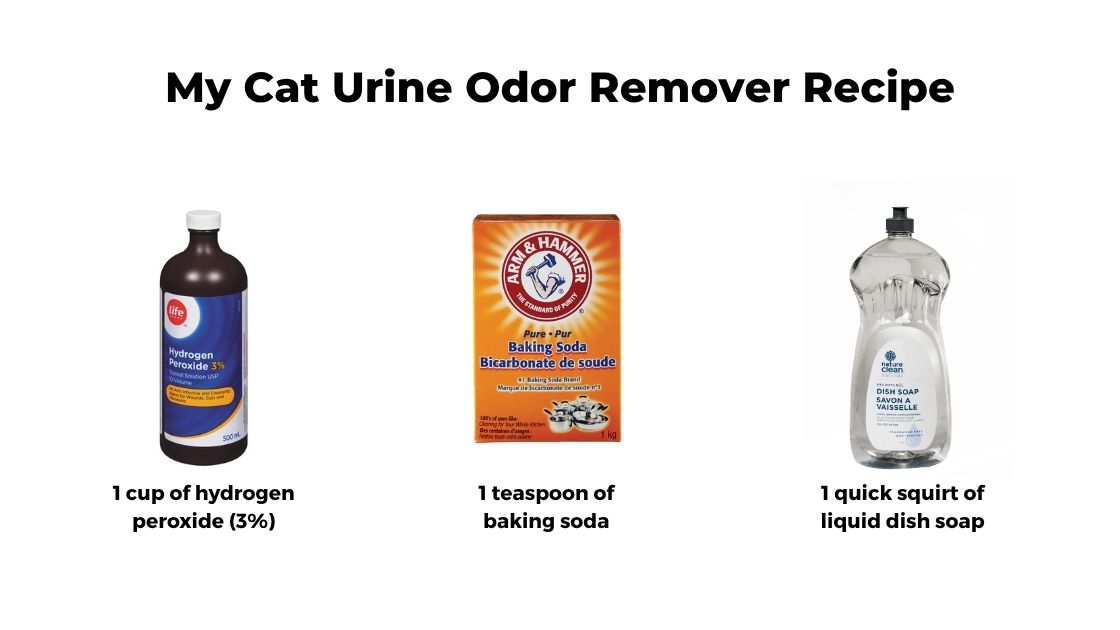
Some prefer natural methods to remove cat urine smell. Vinegar and baking soda are popular choices. Vinegar neutralizes the ammonia in urine. Mix equal parts water and vinegar, then spray on the affected area. Baking soda absorbs odors. Sprinkle it on the area after cleaning with vinegar. Let it sit, then vacuum thoroughly.
Essential oils like lavender or tea tree add a pleasant scent. Use cautiously, as some oils can harm pets. Always ensure proper ventilation when using natural cleaners. They are eco-friendly and safe for pets and children.
Deep Cleaning Techniques
Getting rid of cat urine smell from a basement needs deep cleaning. Surface cleaning only hides the odor temporarily. Deep cleaning targets urine stains and bacteria that cause smell. It requires specific techniques for different basement materials. Proper cleaning removes stains and stops smell from coming back.
Carpet And Rug Treatment
Carpets and rugs absorb urine deeply. Regular cleaning does not reach all the layers. Use an enzyme-based cleaner to break down urine molecules. Follow these steps:
- Blot the wet area with paper towels to remove excess urine.
- Apply enzyme cleaner generously over the stained area.
- Let the cleaner sit for at least 30 minutes to work effectively.
- Blot the area again to soak up the cleaner and urine residue.
- Rinse lightly with water and blot dry.
- Allow carpets or rugs to air dry completely.
Repeat the treatment if smell persists. Avoid steam cleaning before enzyme treatment. Heat can set the urine smell deeper.
Concrete And Floor Cleaning
Concrete floors can hold urine in small cracks and pores. Use a strong cleaning process to reach deep stains and odors.
- Start by scrubbing the floor with a stiff brush and a mixture of water and mild detergent.
- Rinse the floor thoroughly with clean water.
- Mix an enzyme cleaner with water and apply it over the stained areas.
- Let the enzyme solution soak for at least one hour.
- Scrub the floor again to help the cleaner penetrate deep.
- Rinse with water and dry the floor completely.
For stubborn odors, apply a diluted vinegar solution after enzyme treatment. Test the vinegar on a small area first to avoid damage.
Deodorizing Methods
Removing cat urine smell from a basement requires more than cleaning. Deodorizing is key to making the space fresh again. Using natural substances can help absorb and neutralize bad odors effectively. These methods are safe, simple, and easy to apply at home. They work well on floors, carpets, and other surfaces that hold the smell.
Baking Soda Applications
Baking soda is a powerful odor absorber. Sprinkle it directly on the affected area. Let it sit for several hours or overnight for best results. Then, vacuum up the baking soda thoroughly. For deep odor, mix baking soda with water to form a paste. Apply the paste on tough spots and let it dry. After drying, brush or vacuum the residue away. Baking soda helps neutralize acids in cat urine, reducing the smell effectively.
Activated Charcoal Usage
Activated charcoal traps odor molecules in its porous surface. Place charcoal bags or loose charcoal near the smelly area. Leave them for a few days to absorb the odor fully. For large spaces, use multiple charcoal bags. Replace the charcoal regularly to maintain freshness. It works silently and naturally without harsh chemicals. Activated charcoal is ideal for continuous odor control in basements.
Prevent Future Incidents
Stopping cat urine smells in the basement means preventing new accidents. Taking simple steps helps keep your basement fresh and clean. Focus on controlling your cat’s behavior and making the area less attractive to them.
Restrict Cat Access
Keep your cat away from the basement. Close doors or use barriers to block entry. Cats often return to spots they marked before. Limiting their access breaks this habit and protects your basement from new stains.
Try creating a cozy space for your cat in other parts of your home. Cats like comfort and safety. Providing a better area reduces their desire to explore the basement.
Use Repellents
Repellents keep cats out of unwanted areas. Use sprays made for cats or natural options like citrus scents. Cats dislike these smells and avoid those spots.
Spray repellents around basement entrances and corners. Reapply often to maintain their effect. Avoid harsh chemicals that could harm your cat or damage surfaces.
When To Call Professionals
Cat urine smell in the basement can be tough to remove. Sometimes, home cleaning efforts fall short. Professionals have tools and knowledge to handle strong odors and deep stains. Knowing when to call them saves time and stress. It also prevents damage to your home.
Severe Odor Cases
Strong urine odors that linger for days need expert care. Professionals use industrial-grade cleaners and equipment. They can reach deep into porous surfaces like concrete and wood. This level of cleaning removes odors that home products cannot. Persistent bad smells can affect air quality and health. Experts help restore a fresh and safe environment.
Persistent Stains
Stains that don’t fade after regular cleaning require professional attention. Urine can seep into cracks and flooring layers. Professionals identify hidden spots causing stains and smells. They use special enzymes and cleaning methods to break down urine compounds. This stops stains from returning and protects your basement floors. Professional treatment keeps your basement looking clean and fresh.

Credit: www.amazon.com
Frequently Asked Questions
How Can I Remove Cat Urine Smell From Basement Floors?
Use enzymatic cleaners specifically designed for pet urine. Clean the area thoroughly, then allow it to air dry. Avoid ammonia-based cleaners as they may worsen the odor. Repeat cleaning if necessary for stubborn smells.
What Household Items Help Eliminate Cat Urine Odor?
White vinegar and baking soda are effective household remedies. First, apply vinegar to neutralize the urine, then sprinkle baking soda to absorb odors. Let it sit, then vacuum. This method is safe and affordable for many surfaces.
Why Does Cat Urine Smell Linger In Basements?
Basements often have porous surfaces like concrete that absorb urine deeply. Poor ventilation and moisture can trap odors, making them persistent. Immediate and thorough cleaning is essential to prevent long-lasting smells.
Can An Air Purifier Remove Cat Urine Odor In Basement?
Air purifiers reduce airborne odors but don’t eliminate urine stains. Use them alongside cleaning methods for better results. HEPA filters help with allergens, while activated carbon filters absorb some odors.
Conclusion
Removing cat urine smell from your basement takes time and effort. Clean the area well with special cleaners made for pet odors. Dry the space completely to stop smells from coming back. Use ventilation to keep fresh air flowing. Treat any stains quickly to avoid long-lasting smells.
Keep your basement dry and tidy to prevent future problems. Small steps can make your basement smell clean again. Patience and regular care work best for lasting results.

Lily Purrington is the founder of MyKittyPicks.com, a cozy corner of the web dedicated to helping cat lovers discover the best cat products, furniture, toys, and home decor ideas.
A lifelong cat enthusiast, Lily shares trusted tips, honest product recommendations, and stylish inspiration designed to keep kitties happy and homes beautiful.
Her mission is simple: to bring together practical advice and purr-fect picks that make life better for cats and the people who love them.


