
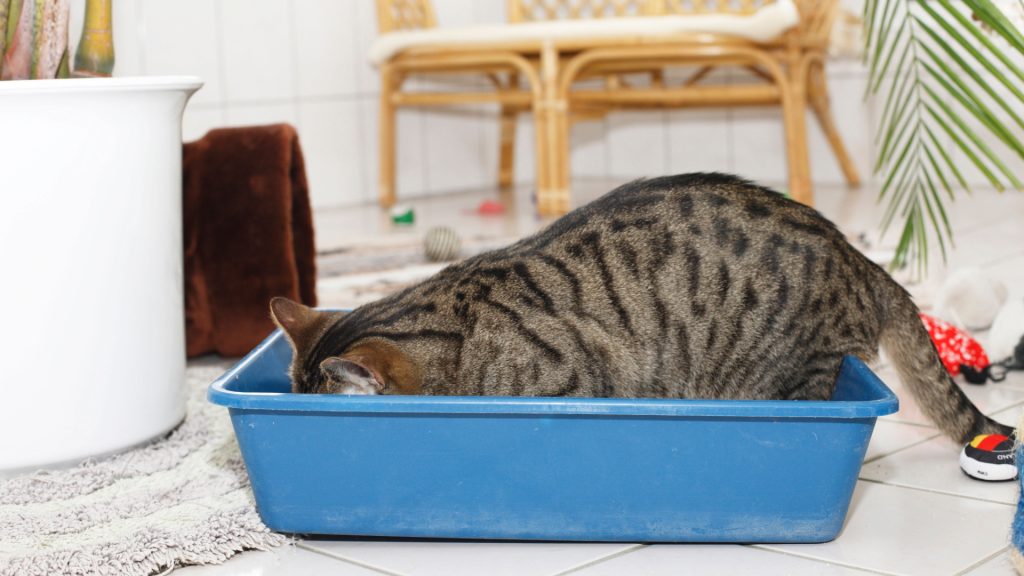
Have you ever caught your cat nibbling on its litter and wondered, “Why do cats eat litter?” It’s a strange and worrying habit that many cat owners notice but don’t fully understand.
You might be asking yourself if this behavior is normal or a sign of something serious. You’ll discover the surprising reasons behind this odd habit and what you can do to keep your furry friend safe and healthy. Keep reading to uncover the truth and protect your cat from potential harm.
Reasons Cats Eat Litter
Cats eating litter is a strange behavior that worries many pet owners. This habit can stem from different causes. Understanding these reasons helps in keeping your cat safe and healthy. Cats may eat litter due to physical needs, mental states, or simple curiosity. Each reason points to how cats interact with their environment and their health.
Nutritional Deficiencies
Cats sometimes eat litter because their diet lacks key nutrients. A lack of minerals or vitamins can make cats search for alternative sources. Eating litter might be their way to get missing nutrients. This behavior may signal an unbalanced diet or health issue. Check your cat’s food to ensure it meets all dietary needs.
Curiosity And Playfulness
Cats are naturally curious and playful animals. They explore new textures and objects by tasting them. Litter can seem interesting because of its feel and smell. Young cats or kittens especially like to try new things. Eating litter might just be a way to explore their world.
Stress And Anxiety
Stress can cause unusual habits in cats, including eating litter. Changes at home or loud noises can make cats anxious. Eating litter might help them feel calmer. This behavior can be a sign your cat needs more comfort. Providing a safe and quiet space can reduce stress.
Medical Conditions
Some health problems cause cats to eat non-food items like litter. Conditions such as pica or digestive issues may be involved. Eating litter could indicate illness or discomfort. A vet visit is important to rule out medical causes. Early diagnosis helps prevent serious health problems.
Texture And Taste Attraction
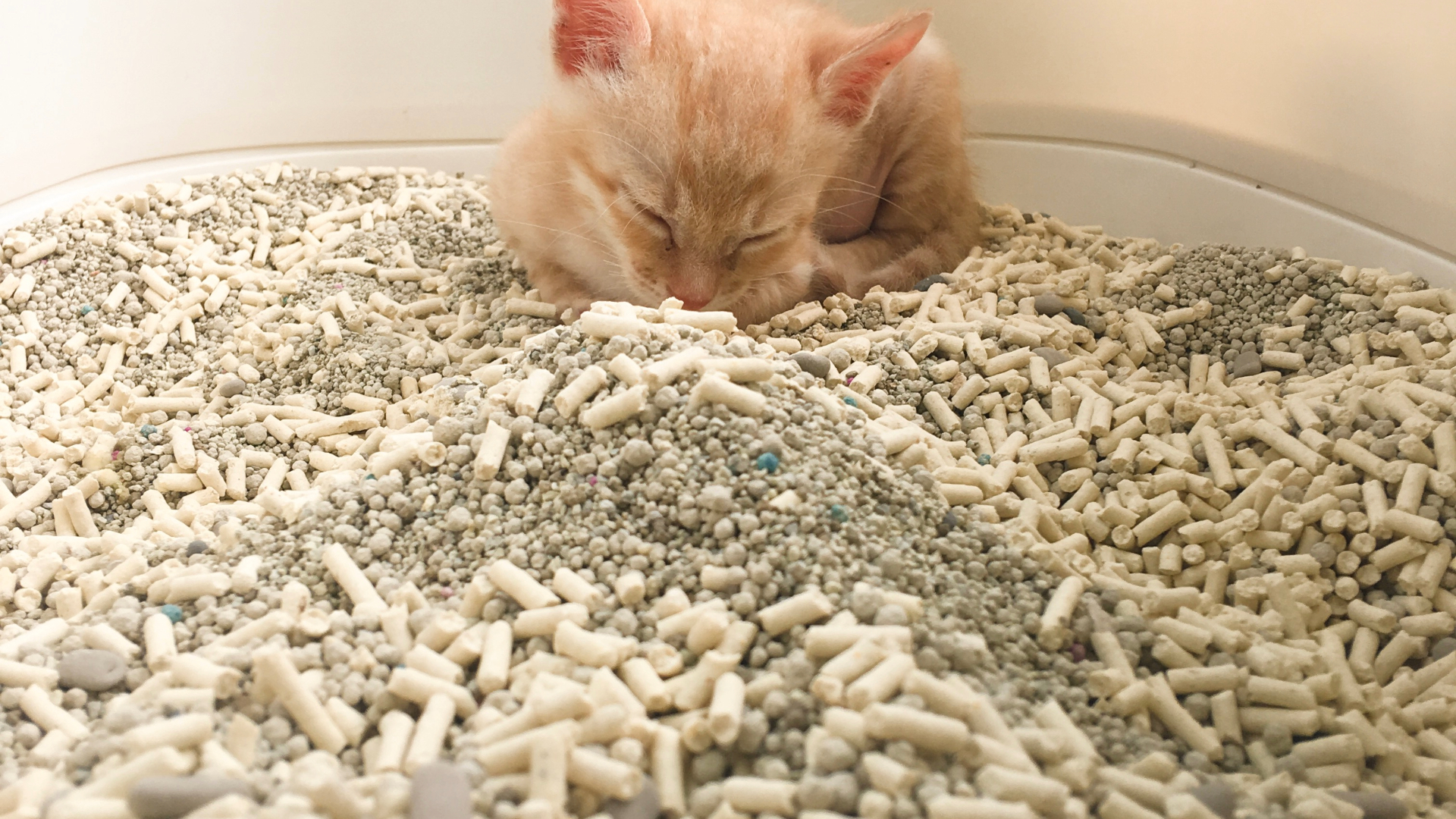
Cats might like the texture or taste of certain litters. Some litters have scents or flavors that attract cats. Soft or clumping litters feel different and can be tempting. This attraction varies with each cat’s preference. Switching to a plain, unscented litter may stop this behavior.
Credit: www.inkl.com
Types Of Cat Litter And Risks
Cats sometimes eat their litter, which can be harmful. Different types of cat litter pose different risks. Understanding these types helps keep your cat safe.
Clay-based Litters
Clay litters are common and affordable. They clump well, making cleaning easier. But clay litter contains dust that can irritate your cat’s lungs. Eating clay litter can cause blockages or stomach issues. The dust may also trigger allergies or breathing problems.
Silica Gel Litters
Silica gel litter absorbs moisture quickly. It controls odor and lasts longer than clay. Silica beads are small and might attract curious cats. Eating silica gel can cause dehydration or digestive troubles. It is not toxic, but can cause discomfort and blockages if swallowed.
Natural And Biodegradable Litters
These litters use materials like corn, wheat, or pine. They are safer if eaten in small amounts. Natural litters have less dust and fewer chemicals. They break down in the environment and smell fresh. Eating natural litter may cause mild stomach upset but fewer risks overall.
Health Risks Of Eating Litter
Eating litter might seem harmless or even funny at first, but it carries serious health risks for your cat. Understanding these dangers can help you take quick action and protect your pet’s well-being. Let’s look closely at the main health problems caused by litter ingestion.
Digestive Blockages
When cats eat litter, the particles can clump together inside their digestive system. This can cause blockages that stop food and liquids from passing through. A blocked intestine is a medical emergency and can lead to severe pain, vomiting, and even surgery.
Have you noticed your cat straining or vomiting after licking litter? These could be warning signs of a blockage. Immediate veterinary care is essential to prevent long-term damage.
Toxicity Concerns
Many cat litters contain chemicals or clumping agents that are toxic if swallowed. Ingredients like sodium bentonite or silica gel can irritate your cat’s organs or cause poisoning. Even small amounts may lead to symptoms such as lethargy, drooling, or loss of appetite.
Consider the type of litter you use—is it safe if accidentally eaten? Switching to natural, non-toxic options might reduce the risk. Always keep an eye on your cat’s behavior and check for signs of poisoning.
Infections And Irritations
Litter isn’t sterile; it can harbor bacteria, fungi, or parasites. When ingested, these pathogens can cause infections in your cat’s mouth, throat, or digestive tract. Additionally, the rough texture of some litters may cause irritation or small wounds inside the mouth and stomach.
Have you noticed your cat pawing at its mouth or showing discomfort after litter box visits? These could hint at irritation or infection. Prompt vet visits can catch these issues early before they become serious.

Credit: www.petscare.com
How To Stop Cats From Eating Litter
Cats may eat litter due to boredom, curiosity, or lack of nutrients in their diet. Sometimes, they mistake litter for food or try to soothe digestive issues. Understanding these reasons helps prevent this behavior effectively.
Cats eating litter can be a puzzling and concerning behavior for many pet owners. If you’ve ever found your feline friend nibbling on their litter, you’re not alone. Understanding why this occurs is essential, but more importantly, knowing how to stop it can ensure your cat’s health and happiness. Here are some effective strategies to help deter this behavior.Improving Diet And Nutrition
A well-balanced diet is crucial for your cat’s well-being. Sometimes, cats eat litter because they are missing essential nutrients. Consider consulting with your vet to ensure your cat’s diet is meeting all their dietary needs. Adding more protein or switching to a high-quality cat food might be necessary.Providing Enrichment And Toys
Cats might eat litter out of boredom. Enrich their environment with toys and activities that stimulate their mind and body. Interactive toys, puzzle feeders, and regular playtime can provide the mental and physical stimulation they crave. Ask yourself: Is your cat getting enough playtime each day?Reducing Stress Factors
Stress can lead to unusual behaviors in cats, including eating litter. Identify any changes in their environment that could be causing anxiety. This could be a new pet, loud noises, or even moving to a new home. Create a calm and stable environment for your cat to help alleviate stress-related behaviors.Switching Litter Types
Not all litters are the same, and your cat might find some more tempting to eat than others. If your cat is eating clumping litter, try switching to a non-clumping or natural litter made from materials like corn or paper. These alternatives are less likely to cause harm if ingested.Consulting A Veterinarian
If your cat continues to eat litter despite your best efforts, it’s time to consult a veterinarian. They can rule out any underlying health issues such as anemia or pica, a condition where animals eat non-food items. An expert’s guidance can provide peace of mind and a tailored solution for your feline friend. Implementing these changes can make a significant difference. What steps will you take today to ensure your cat’s health and safety?Preventive Tips For Cat Owners
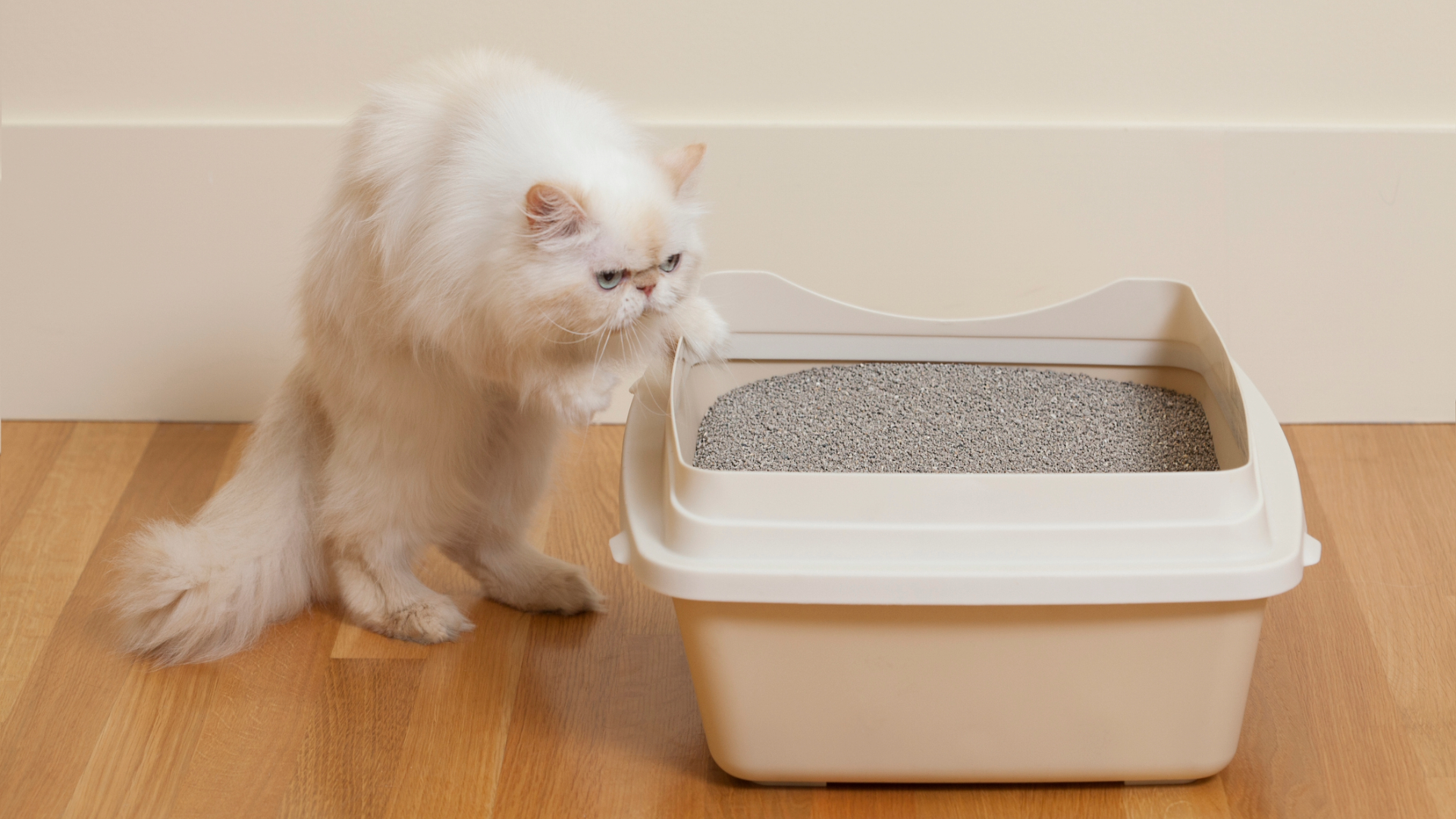
Preventing cats from eating litter is important for their health. Cat owners can take simple steps to stop this behavior early. These tips help keep cats safe and happy. Watch your cat closely and act quickly to solve the problem.
Regular Health Checkups
Visit the veterinarian often to check your cat’s health. Health issues can cause unusual eating habits. Problems like nutrient deficiencies or digestive troubles may lead cats to eat litter. Early detection helps treat these problems fast. Keep up with vaccinations and routine exams for best results.
Maintaining Clean Litter Boxes
Keep litter boxes clean and fresh. Cats dislike dirty boxes and may try to eat litter out of stress. Scoop waste daily and change litter regularly. Use unscented, clumping litter to reduce odors. Clean the box with mild soap to avoid harsh smells. A clean box encourages healthy bathroom habits.
Monitoring Cat Behavior
Watch for signs of stress or boredom in your cat. Eating litter can be a sign of anxiety or lack of stimulation. Provide toys and playtime to keep your cat busy. Notice changes in eating or bathroom habits quickly. Address problems early to prevent litter eating from becoming a habit.
Credit: www.petsradar.com
Frequently Asked Questions
Why Do Cats Eat Litter Sometimes?
Cats may eat litter due to curiosity, boredom, or stress. Some litters contain attractants like clay or scents. Nutritional deficiencies or health issues can also cause this behavior. It’s important to monitor your cat and consult a vet if it persists.
Is Eating Litter Harmful To Cats?
Yes, eating litter can be harmful. It may cause digestive blockages or poisoning if ingested in large amounts. Some litters contain chemicals or dust that irritate the stomach. Always choose non-toxic, dust-free litter to reduce risks.
How Can I Stop My Cat From Eating Litter?
Provide plenty of toys and mental stimulation to reduce boredom. Ensure your cat has a balanced diet to prevent nutritional cravings. Clean the litter box regularly and use safe, non-toxic litter. Consult a vet for persistent behaviors.
Does Litter Type Affect Cats Eating It?
Yes, some cats prefer certain litter types and may eat scented or clumping litters. Natural litters like paper or wood are less likely to be ingested. Choosing the right litter can reduce the risk of litter eating.
Conclusion
Cats eating litter can signal health or behavior issues. It might mean boredom, stress, or nutritional gaps. Watch your cat closely and try to understand its needs. Changing the litter type or providing more playtime helps. Consult a vet if the habit continues or worsens.
Keeping your cat safe and happy takes patience and care. Small changes can make a big difference in their behavior. Stay attentive and show love to prevent litter eating.

Lily Purrington is the founder of MyKittyPicks.com, a cozy corner of the web dedicated to helping cat lovers discover the best cat products, furniture, toys, and home decor ideas.
A lifelong cat enthusiast, Lily shares trusted tips, honest product recommendations, and stylish inspiration designed to keep kitties happy and homes beautiful.
Her mission is simple: to bring together practical advice and purr-fect picks that make life better for cats and the people who love them.


