
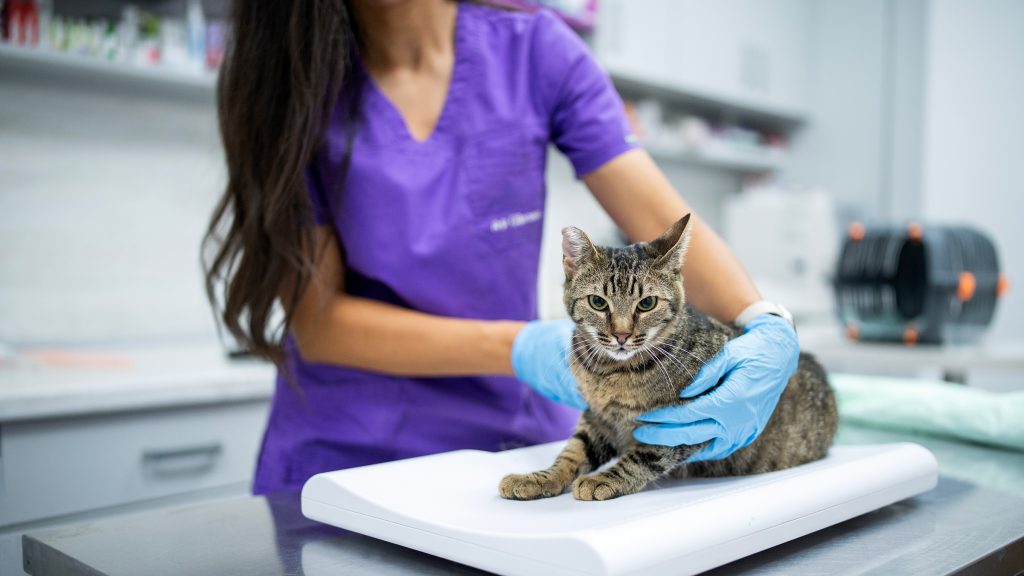
If your cat is showing signs of anxiety, you’re probably looking for safe ways to help them feel calm. Gabapentin is often recommended by vets, but you might be wondering: How much gabapentin can I give my cat for anxiety?
Giving the right dose is crucial to keep your furry friend safe and comfortable. You’ll discover clear, easy-to-understand guidance on dosing gabapentin for your cat’s anxiety. Keep reading to find out what you need to know to help your cat relax without worry.
Credit: www.goodrx.com
Gabapentin And Cats
Gabapentin is a medication that veterinarians often prescribe for cats. It helps calm their nervous system. Many cats suffer from anxiety due to changes in their environment or loud noises. Gabapentin can make these situations easier for them. Understanding how this drug works and its uses can help pet owners manage their cat’s anxiety safely.
What Is Gabapentin?
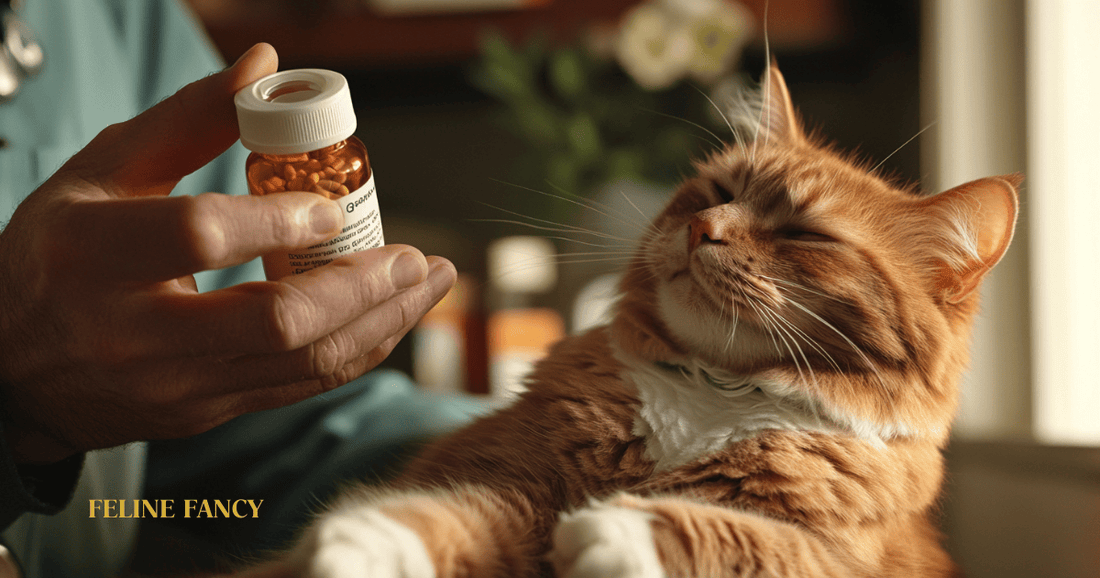
Gabapentin is a drug originally made for humans. It treats nerve pain and seizures. Veterinarians use it for cats to calm anxiety and reduce pain. The medicine affects the cat’s brain to lower stress signals. It does not cure anxiety but helps control symptoms. Gabapentin is usually given as a pill or liquid.
Uses For Anxiety In Cats
Gabapentin helps cats in several stressful situations. These include:
- Visits to the vet
- Travel in cars
- Loud noises like fireworks or thunderstorms
- Moving to a new home
The medication helps cats feel less scared and more relaxed. It can make grooming or handling easier too. Gabapentin works best when given before the stressful event. Always follow the vet’s advice on how much to give.
Credit: felinefancy.co.uk
Determining The Right Dose
Determining the right dose of gabapentin for your cat is essential for safety and effectiveness. The correct amount depends on several key factors. Giving too much can cause side effects, while too little may not help with anxiety. Understanding these points helps you manage your cat’s comfort better.
Factors Influencing Dosage
- Cat’s weight: Heavier cats often need higher doses.
- Age: Older cats may need lower doses due to slower metabolism.
- Health conditions: Kidney or liver issues affect how gabapentin is processed.
- Severity of anxiety: More anxious cats might require adjusted doses.
- Other medications: Some drugs can interact with gabapentin.
Typical Dosage Ranges
Most cats receive gabapentin doses between 5 to 10 mg per kilogram of body weight. This is usually given every 8 to 12 hours. For example, a 4-kilogram cat might get 20 to 40 mg per dose. Starting at the lower end is safer to observe any reactions. Your cat’s response guides any dose changes.
Consulting Your Veterinarian
Your vet knows your cat’s health history and can recommend the best dose. Never give gabapentin without veterinary advice. The vet may suggest blood tests before starting the medication. Regular check-ups help track your cat’s progress and adjust doses if needed. Always follow the vet’s instructions carefully to keep your cat safe.
Administering Gabapentin Safely
Gabapentin dosage for cats varies based on weight and anxiety level. Always consult a vet before giving any medication. Proper dosing ensures your cat’s safety and comfort.
Administering Gabapentin Safely Cats with anxiety can benefit from gabapentin if used correctly. It’s vital to ensure your pet’s safety while administering this medication. Here are some guidelines to help you give gabapentin to your cat safely.Proper Dosage Techniques
Always consult your vet for the correct dosage. Dosages depend on your cat’s weight and condition. Use a syringe or pill pocket for accurate dosing. Follow your vet’s instructions carefully.Timing And Frequency
Gabapentin works best with a consistent schedule. Give the medication at the same time each day. This helps maintain a steady level in your cat’s system. Usually, a vet will suggest once or twice daily dosing.Avoiding Overdose
Overdose can be harmful. Watch for signs like dizziness or lethargy. If you suspect an overdose, contact your vet immediately. Store medication out of reach from pets and children to prevent accidents.Possible Side Effects
Giving gabapentin to your cat for anxiety can be effective, but it’s important to understand the possible side effects. Knowing what to expect helps you keep your cat safe and comfortable. Side effects can range from mild to serious, so watch your cat closely after giving the medication.
Common Reactions
Many cats experience mild side effects when taking gabapentin. These often include:
- Sleepiness or drowsiness
- Loss of balance or wobbliness
- Mild digestive upset, like vomiting or diarrhea
Some cats may seem a bit more relaxed or less active than usual. This can feel like your cat is just taking a nap, but you should still monitor their behavior carefully.
When To Seek Veterinary Help
Not all side effects are harmless. If your cat shows signs like:
- Severe lethargy or unresponsiveness
- Difficulty breathing or excessive drooling
- Repeated vomiting or diarrhea lasting more than 24 hours
- Seizures or unusual twitching
Contact your vet immediately. These symptoms could indicate a serious reaction or overdose. Don’t hesitate to get professional advice if you feel something is off.
Alternatives To Gabapentin
Gabapentin is a common choice for managing anxiety in cats. Still, some pet owners seek other options. Alternatives to gabapentin include different medications and natural methods. These can help reduce anxiety safely and effectively. Understanding these options helps you choose the best care for your cat’s needs.
Other Anxiety Treatments
Several medications can treat anxiety in cats besides gabapentin. Your vet may suggest:
- Fluoxetine – an antidepressant often used for anxiety.
- Buspirone – a drug that helps with mild to moderate anxiety.
- Clomipramine – a tricyclic antidepressant that calms nerves.
- Alprazolam – a fast-acting anti-anxiety medication.
Each drug has benefits and possible side effects. Veterinary advice is essential before starting any treatment. Dosage and safety depend on your cat’s health and condition.
Non-medical Approaches
Non-medical methods help reduce anxiety naturally. These approaches focus on comfort and environment:
- Creating a quiet, safe space for your cat.
- Using pheromone diffusers that mimic calming scents.
- Providing plenty of playtime and exercise.
- Offering interactive toys to distract and entertain.
- Maintaining a consistent daily routine.
- Using calming supplements like L-theanine or valerian root.
These strategies improve your cat’s overall well-being. They also reduce stress triggers and promote relaxation.
Credit: www.goodrx.com
Frequently Asked Questions
How Much Gabapentin Is Safe For Cats With Anxiety?
The typical gabapentin dose for cats is 5-10 mg per kg of body weight. Always consult your vet for exact dosing. Never exceed the recommended amount to avoid side effects.
How Often Can I Give Gabapentin To My Cat?
Gabapentin is usually given every 8 to 12 hours for anxiety in cats. Your vet will determine the best schedule based on your cat’s needs.
Can Gabapentin Cause Side Effects In Cats?
Yes, gabapentin can cause drowsiness, dizziness, or loss of coordination. If side effects worsen, contact your vet immediately.
Is Gabapentin Safe For Long-term Use In Cats?
Gabapentin can be safe long-term under vet supervision. Regular check-ups are important to monitor your cat’s health and adjust dosage.
Conclusion
Gabapentin can help calm your anxious cat safely. Always check the right dose with your vet first. Never give more than recommended to avoid risks. Watch your cat for any side effects after giving the medicine. Small doses usually work best for anxiety in cats.
Your vet knows what is safe and effective. Treat your cat with care and patience. This helps your furry friend feel better and stress less. Trust professional advice for your cat’s health needs.

Lily Purrington is the founder of MyKittyPicks.com, a cozy corner of the web dedicated to helping cat lovers discover the best cat products, furniture, toys, and home decor ideas.
A lifelong cat enthusiast, Lily shares trusted tips, honest product recommendations, and stylish inspiration designed to keep kitties happy and homes beautiful.
Her mission is simple: to bring together practical advice and purr-fect picks that make life better for cats and the people who love them.


