

Have you ever wished your cat could ditch the litter box for good? Imagine the convenience of your feline using the toilet just like you do.
It sounds almost impossible, but with the right approach, you can actually train your cat to make this switch. Not only will this save you time and effort, but it can also keep your home cleaner and fresher. Keep reading, and you’ll discover simple, step-by-step tips that can help you transform your cat’s bathroom habits for good.
Your cat—and your cleaning routine—will thank you!
Credit: www.amazon.com
Benefits Of Toilet Training
Training a cat to use the toilet offers several benefits. It keeps your home cleaner and saves space. Toilet training also reduces litter waste and odors. Cats enjoy a more natural way to relieve themselves. This training can strengthen the bond between you and your pet.
Cost Savings
Toilet training cuts down on litter expenses. You buy less cat litter or none at all. This saves money over time. No need to replace heavy litter bags often.
Improved Hygiene
Using a toilet means fewer messes on the floor. It lowers the risk of bacteria spreading. Your cat’s waste goes directly into the toilet. This keeps your home fresher and cleaner.
Environmental Benefits
Less litter means less waste in landfills. Toilet-trained cats reduce plastic bag use. This helps protect the environment. It’s a small step toward eco-friendly pet care.
Convenience For Pet Owners
No more daily litter box cleaning chores. You save time and effort each day. It makes travel or busy days easier. Your cat takes care of itself more independently.
Better For Some Cats
Some cats dislike dirty litter boxes. Toilet training eliminates this problem. It can reduce stress and improve behavior. Cats feel more comfortable with a clean spot.
Preparing Your Cat
Preparing your cat for toilet training sets the stage for success. Cats need time and patience to adjust to this new habit. Careful preparation helps reduce stress and makes the transition easier.
Choosing The Right Time
Pick a calm period for training. Avoid times when your cat feels stressed or sick. Make sure your cat is healthy and uses the litter box regularly. Starting during a quiet time helps your cat focus on learning.
Gathering Necessary Supplies
Collect all items before starting. You will need a special toilet training seat designed for cats. Have treats ready for rewards. Keep cleaning supplies handy for accidents. Preparing all supplies keeps the process smooth and organized.
Creating A Comfortable Environment
Set up the toilet area so your cat feels safe. Keep the bathroom door open for easy access. Place the training seat securely on the toilet. Ensure the bathroom is quiet and free from distractions. Comfort helps your cat feel confident while learning.
Starting With The Litter Box
Begin by placing the litter box near the toilet to help your cat get used to the new spot. Gradually move the box closer to the toilet over several days to ease the transition.
Starting with the Litter Box Training a cat to use the toilet begins with the litter box. This approach requires patience and consistency. Cats are creatures of habit. They need gradual changes to adapt smoothly. Let’s explore the first steps.Positioning Near The Toilet
Place the litter box close to the toilet. This helps your cat associate the area with bathroom activities. Ensure the spot is quiet and private. Cats prefer undisturbed places for their business. Avoid high-traffic areas or noisy spots. Keep the litter box clean. A dirty box discourages use. Regular cleaning is essential for success.Gradually Raising The Litter Box
Once your cat is comfortable, start raising the litter box. Use sturdy materials like books or a small stool. Increase the height slowly over several days. Ensure the box remains stable at all times. This step mimics the height of a toilet. Your cat will adjust to using an elevated surface. Monitor your cat’s reaction. Adjust the pace if needed. Patience is key to a smooth transition.
Credit: www.amazon.com
Introducing The Training Seat
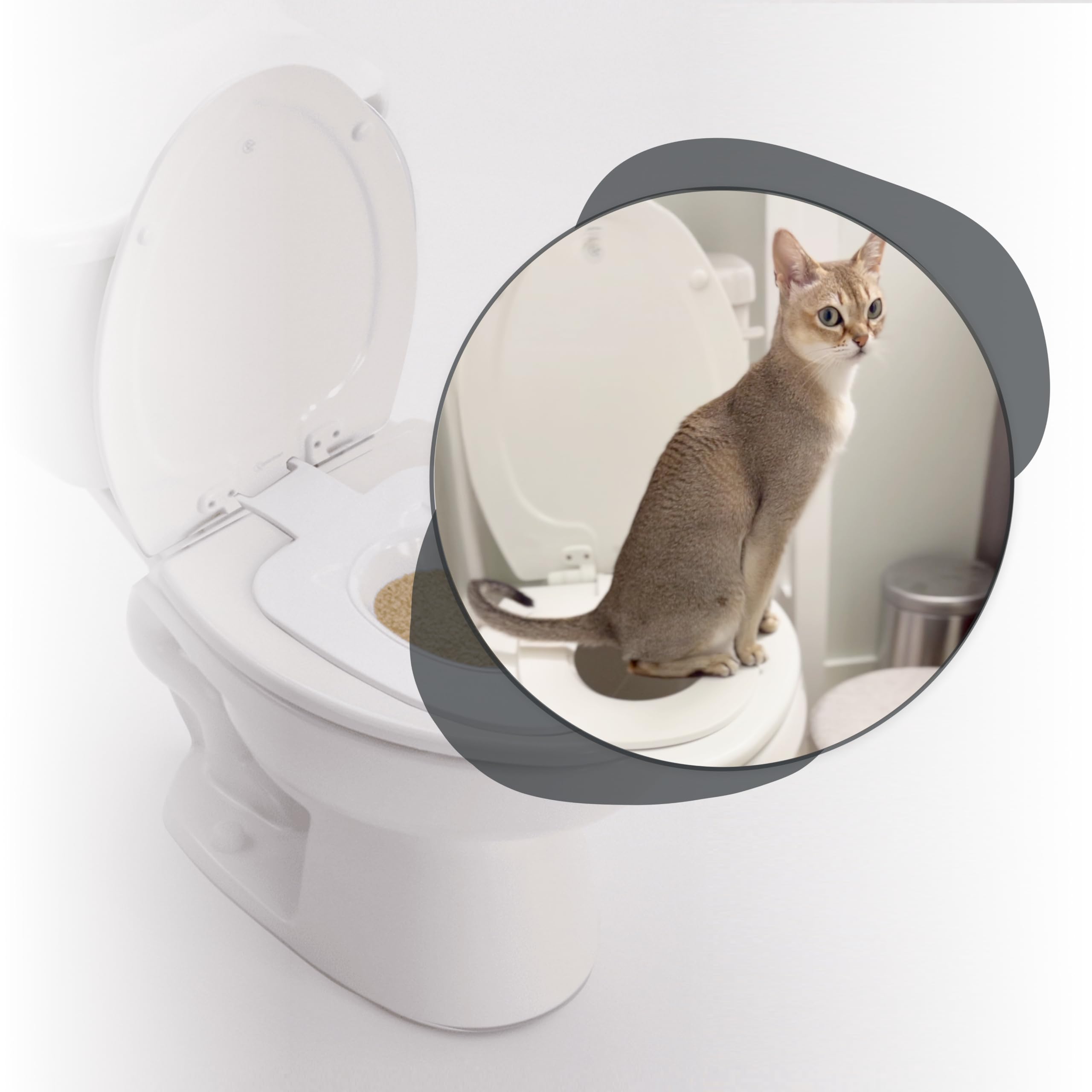
Introducing the training seat is a key part of toilet training your cat. This special seat fits over your toilet bowl. It helps your cat get used to the new place for doing their business. The training seat is designed to feel safe and comfortable. It encourages your cat to move from the litter box to the toilet.
The training seat holds litter at first. This makes the change easier for your cat. Gradually, the litter amount reduces until your cat uses the toilet alone. Patience and consistency matter during this phase. Your cat will learn step by step to balance and use the seat.
Selecting A Toilet Training Kit
Choose a training kit that fits your toilet size. Some kits have rings that fit most toilets. Look for durable, easy-to-clean materials. Kits with adjustable parts work best for most cats. Check reviews to find one others found helpful. Avoid kits that are too small or unstable.
Placing The Training Seat
Put the training seat securely on the toilet bowl. Ensure it does not wobble or move. The seat should sit flat and stable. Position it so your cat can jump up easily. Keep the toilet lid open during training. This helps your cat feel welcome and safe.
Adding Litter To The Seat
Fill the training seat with a small amount of litter. Use the same litter your cat uses in their box. Start with enough litter to cover the bottom lightly. This helps your cat recognize the smell and feel familiar. Gradually reduce the litter as your cat adjusts. This step makes the transition smoother and less stressful.
Transitioning To The Toilet
Transitioning your cat to use the toilet is a crucial phase in the training process. It requires patience and a step-by-step approach to help your cat feel comfortable with the change. Your goal is to slowly shift their behavior from litter use to toilet use without causing stress or confusion.
Reducing Litter Gradually
Start by slowly decreasing the amount of litter in the training seat. Cats rely on the texture of litter, so removing it all at once can make them resist the change. Try reducing the litter by small amounts every few days to let your cat adjust.
Observe your cat’s reaction closely. If they seem hesitant or stop using the toilet, slow down the process. You want to make the transition smooth, not rushed.
Keep the litter clean and fresh during this phase. Dirty litter can discourage your cat, making toilet training harder. Have you noticed how your cat’s behavior changes with different litter amounts?
Removing The Training Seat
Once your cat is comfortable with very little or no litter, it’s time to remove the training seat entirely. This step can be tricky because your cat now needs to balance on the toilet seat itself.
Place the toilet lid down and encourage your cat to jump up and sit there. You might need to offer treats or praise to build positive associations. Some cats take to this quickly, while others need more time to feel safe.
Watch for signs of discomfort or slipping, and provide extra support if needed. Your patience here will pay off, as your cat learns to trust the new setup. How do you think your cat will react to this final step?
Common Challenges
Training a cat to use the toilet is not always easy. Many cat owners face common challenges during the process. Understanding these obstacles helps keep the training on track and less stressful.
Cats are creatures of habit. Changing their bathroom routine takes time and effort. Patience and consistency are key to success.
Dealing With Accidents
Accidents happen often during toilet training. Cats may miss the toilet or refuse to use it at times. Clean accidents quickly to avoid bad smells or stains.
Use enzymatic cleaners to remove odors. This prevents cats from returning to the same spot. Do not punish your cat. This can create fear and slow progress.
Handling Resistance
Some cats resist toilet training more than others. They may avoid the toilet or show stress signs. Watch for signs like hiding or refusing to eat.
Try to make the toilet area comfortable. Add familiar scents or toys nearby. Gradually introduce the toilet training steps. Never force your cat to use the toilet.
Maintaining Patience
Training a cat takes weeks or even months. Results do not come overnight. Stay calm and keep a positive attitude.
Celebrate small wins like sitting on the toilet. Consistent practice helps cats learn faster. Remember, every cat learns at its own pace.
Tips For Success
Training your cat to use the toilet can be a rewarding challenge. Success depends on a combination of patience, observation, and the right techniques. These tips will help you guide your cat smoothly through the process while keeping their comfort and motivation in mind.
Positive Reinforcement
Reward your cat immediately after they use the toilet correctly. Use treats, praise, or petting to create a positive association.
Have you noticed how your cat responds to certain rewards better than others? Use those to keep their interest high.
Avoid punishment. It can confuse your cat and slow down progress.
Consistency In Training
Set a regular routine for toilet training sessions. Cats thrive on predictable schedules.
Keep the training environment stable. Sudden changes can stress your cat and cause setbacks.
Be patient. Cats need time to learn new behaviors, so stick with the routine even if progress seems slow.
Monitoring Your Cat’s Comfort
Watch for signs of stress or discomfort, like avoiding the toilet or excessive meowing. These can mean your cat isn’t ready to move forward.
Adjust the training pace if your cat seems uneasy. Sometimes slowing down helps build confidence.
Remember, your cat’s wellbeing is more important than speed. Would you want to rush into a new routine without feeling ready?

Credit: raleighncvet.com
Frequently Asked Questions
How Long Does Toilet Training A Cat Take?
Toilet training a cat usually takes 4 to 8 weeks. Consistency and patience are key during this period. Progress may vary depending on your cat’s temperament and age. Regular practice and positive reinforcement speed up training success.
What Supplies Are Needed To Train A Cat To Toilet?
You need a special cat toilet training seat, treats, and patience. Start with a litter tray near the toilet. Gradually move it onto the toilet using the training seat. Reward your cat frequently to encourage good behavior.
Can All Cats Learn To Use The Toilet?
Most cats can learn toilet training, but some may resist. Younger cats adapt faster due to their flexibility and curiosity. Older or shy cats may need extra time and encouragement. Always observe your cat’s comfort and adjust training accordingly.
What Are Common Challenges In Toilet Training Cats?
Cats may fear the toilet’s height, water, or sound. They might resist leaving their litter box. Some cats can fall in or avoid the toilet. Address challenges with patience, gradual steps, and positive reinforcement to succeed.
Conclusion
Training a cat to use the toilet takes time and patience. Each cat learns at its own speed. Celebrate small steps and stay consistent. This method can save litter costs and reduce mess. Remember, not every cat will adapt easily.
Always watch your cat’s comfort and safety. With care, this training can work well. Keep your expectations realistic and enjoy the process. A clean home and happy cat are worth the effort.

Lily Purrington is the founder of MyKittyPicks.com, a cozy corner of the web dedicated to helping cat lovers discover the best cat products, furniture, toys, and home decor ideas.
A lifelong cat enthusiast, Lily shares trusted tips, honest product recommendations, and stylish inspiration designed to keep kitties happy and homes beautiful.
Her mission is simple: to bring together practical advice and purr-fect picks that make life better for cats and the people who love them.


