
Have you ever wished your cat could understand commands or learn fun tricks? Clicker training is a simple and effective way to communicate with your feline friend.
It turns training into a game that both you and your cat will enjoy. Imagine your cat responding eagerly to your clicker, making your bond stronger and your home happier. If you want to discover how to teach your cat new behaviors quickly and with less frustration, keep reading.
This guide will show you exactly how to clicker train your cat step by step.
Why Clicker Training Works
Understanding why clicker training works can change the way you interact with your cat. This method taps into your cat’s natural learning abilities in a way that’s clear and rewarding. It’s simple but powerful, making training a positive experience for both of you.
Basics Of Clicker Training
Clicker training uses a small device that makes a clicking sound to mark a specific behavior. The click acts as a clear signal for your cat, telling them exactly when they’ve done something right. You then follow the click with a treat, so your cat learns to connect the sound with a reward.
Consistency is key. Each time your cat performs the desired behavior, you click and reward immediately. This helps your cat understand what you want and motivates them to repeat the behavior.
Benefits For Cats
Clicker training strengthens the bond between you and your cat. It gives your cat mental stimulation and a sense of accomplishment. This can reduce boredom and unwanted behaviors like scratching furniture.
Training sessions are short and fun, which suits a cat’s attention span perfectly. You can teach everything from simple tricks to important commands like “come” or “stay.”
Common Misconceptions
Many people think cats can’t be trained or that they don’t respond to rewards. But cats are smart and love positive reinforcement. Clicker training is about communication, not punishment.
Another myth is that clicker training is complicated or time-consuming. In reality, just a few minutes a day can bring noticeable results. Have you ever thought your cat ignored you? Maybe it was just unclear about what you wanted.
Getting Started With Clicker Training
Starting clicker training with your cat can feel like entering a new world of communication. It’s a simple, clear way to tell your cat exactly when they’ve done something right. Getting the basics right will set you up for success and make the learning process enjoyable for both of you.
Choosing The Right Clicker
Not all clickers are created equal. Look for a clicker that produces a sharp, consistent sound that your cat can easily hear. Some clickers have a loud “click,” while others offer a softer “snap.”
If you notice your cat seems startled or uninterested, try switching to a quieter or different-sounding clicker. The goal is to have a sound that grabs your cat’s attention but doesn’t scare them.
Selecting Treats Your Cat Loves
Treats are your cat’s motivation. Use small, soft treats that your cat finds irresistible and can eat quickly during training. Avoid big or hard treats that can interrupt the flow or distract your cat.
Think about what your cat naturally goes crazy for—whether that’s tiny pieces of chicken, fish, or special cat treats. If your cat isn’t interested in the first treat you try, don’t get discouraged. Keep experimenting until you find the perfect reward.
Setting Up A Quiet Training Space
Your cat’s focus will improve in a calm, distraction-free environment. Pick a quiet room or corner where your cat feels safe and relaxed. Turn off noisy gadgets and keep other pets away during training sessions.
Training in the same spot helps your cat associate that space with learning and fun. Have your clicker and treats ready before you begin to avoid unnecessary interruptions. Are there particular times of day when your cat is more alert and willing to engage?
Teaching Your Cat To Associate The Clicker
Clicker training a cat requires patience and consistency. Start by teaching your cat to associate the clicker sound with something positive. This process lays the foundation for more advanced training. It helps your cat understand that the clicker signals a reward is coming. Let’s explore how to do this effectively.
Pairing Clicks With Rewards
Begin with a clicker and your cat’s favorite treats. Find a quiet spot to reduce distractions. Press the clicker, then immediately give your cat a treat. Repeat this several times. The goal is to create a link between the sound and the reward. Make sure the treat follows the click quickly. This timing is crucial for building the association.
Building Positive Associations
Consistency is key. Practice multiple times a day in short sessions. Keep the sessions fun and rewarding for your cat. Watch for signs your cat understands the click means a treat. Look for excitement or anticipation when the clicker sounds. Once your cat makes this connection, you can introduce simple commands. The association strengthens their learning process.
Simple Clicker Training Steps
Clicker training your cat can seem tricky at first, but breaking it down into simple steps makes the process clear and effective. The key is to communicate clearly with your cat using the clicker as a marker for good behavior. These steps help you harness your cat’s natural tendencies and gently guide them toward new tricks and commands.
Capturing Natural Behaviors
Start by observing what your cat already does naturally. When your cat sits, stretches, or even looks at you, use the clicker to mark that moment and immediately follow with a treat.
This is called “capturing,” and it helps your cat understand which behaviors you like. It’s easier for your cat to learn when you reward something they already do. Have you noticed how your cat’s curiosity or stretches can be turned into training moments?
Shaping New Behaviors
Sometimes your cat won’t do the exact behavior you want right away. Shaping means rewarding small steps that get closer to the final behavior.
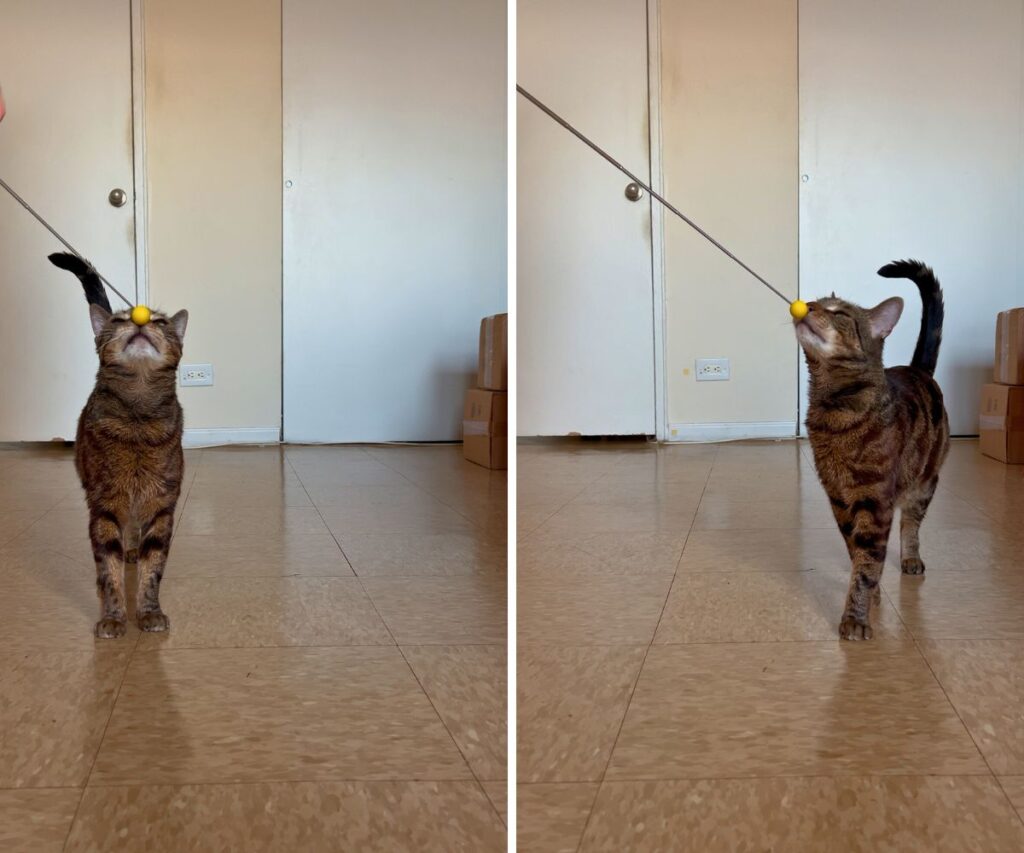
If you want your cat to touch a target, start by clicking and rewarding any movement toward it. Then, only click when the cat gets closer or touches it. This step-by-step approach keeps your cat motivated and clear about what you want.
Using Lures And Prompts
Lures are treats or toys you use to guide your cat into the desired position or action. Hold a treat near your cat’s nose and slowly move it to lead them where you want.
Prompts can be gestures or sounds paired with the lure to help your cat associate the action with your cue. Over time, you can fade out the lure, and your cat will respond to just the prompt or clicker sound. Have you tried moving a treat in front of your cat to guide them? It’s a simple way to communicate your expectations.
Troubleshooting Training Challenges
Training a cat with a clicker can be rewarding but challenging. Some cats get distracted easily or lose interest quickly. Others might not respond well at first. Troubleshooting these issues helps keep training on track and makes it fun for both you and your cat. Understanding common obstacles helps solve problems faster and improves results.
Dealing With Distraction
Cats notice many things around them. Sounds, movements, or other pets can pull their attention away. Choose a quiet, calm space for training sessions. Keep sessions short, about 5 minutes, to maintain focus. Use high-value treats that your cat loves to keep their interest. Remove toys or objects that might distract during training.
Managing Lack Of Interest
Sometimes cats ignore the clicker or treats. Try different types of rewards, like small pieces of chicken or fish. Train when your cat is slightly hungry, not full. Use a soft, excited voice to encourage them. Start with very simple actions your cat knows, like sitting or looking at you. Praise often to build interest gradually.
Avoiding Common Mistakes
- Click too early or too late – timing matters.
- Use the clicker only for marking correct behavior.
- Don’t punish your cat if they don’t respond.
- Keep training sessions consistent and regular.
- Be patient; cats learn at their own pace.

Credit: www.catschool.co
Advanced Clicker Training Tips
Advanced clicker training takes your cat’s skills to the next level. It builds on basic commands and challenges your cat’s mind. This keeps training fun and rewarding for both of you. Use clear signals and patience to help your cat learn complex behaviors.
Increasing Training Difficulty
Raise the challenge by adding steps to commands. Break actions into smaller parts and teach each part separately. Gradually combine these parts into a full behavior. Use the clicker to mark precise moments. Change the training location to test your cat’s focus. Shorten the time between command and reward to improve speed.
Introducing New Commands
Start new commands with simple actions your cat knows. Link the new word or signal to a familiar behavior. Use the clicker to mark correct responses immediately. Repeat often but keep sessions short to avoid stress. Use treats your cat loves as rewards. Be patient; some commands take longer to learn.
Maintaining Consistency
Train at the same time and place daily. Use the same words and hand signals each session. Everyone in the household should follow the same rules. Keep training sessions brief but frequent for steady progress. Always reward good behavior quickly after clicking. Consistency builds trust and helps your cat understand expectations.
Incorporating Training Into Daily Life
Adding clicker training to your cat’s everyday routine makes learning a natural part of life for both of you. It turns moments that might otherwise be boring or stressful into chances to connect and grow together. This approach helps keep training fun and effective without overwhelming your cat or yourself.
Short Training Sessions
Keep sessions brief—around 5 minutes works best. Cats have short attention spans and can lose interest quickly. Small, frequent bursts of training fit easily into your day and prevent frustration.
You might practice during quiet times, like after meals or before bedtime. These moments are calm, making it easier for your cat to focus. Have your clicker and treats ready, so you don’t waste time searching for them.
Using Training For Behavior Issues
Clicker training isn’t just for tricks; it can help manage unwanted behaviors too. If your cat scratches furniture, click and reward when they use the scratching post instead. This positive reinforcement encourages better habits without punishment.
Think about what triggers your cat’s behavior and use training to redirect it. For example, if your cat jumps on counters, catch them in the act and reward them when they jump down. This teaches them what you want rather than just telling them “no.”
Strengthening Your Bond
Training sessions build trust between you and your cat. Your cat learns you are a source of fun and rewards, not just food and care. This bond makes your cat more willing to listen and engage.
Have you noticed your cat looking forward to training time? That eagerness is a sign your relationship is growing stronger. Sharing these positive experiences can deepen your connection every day.

Credit: www.outdoorbengal.com
Credit: caticles.com
Frequently Asked Questions
What Is Clicker Training For Cats?
Clicker training is a positive reinforcement method using a clicking sound. It helps cats learn new behaviors effectively. The click marks the desired action, followed by a reward. This technique strengthens communication between you and your cat.
How Long Does Clicker Training Take?
Training duration varies by cat and consistency. Most cats respond well within a few weeks. Short, regular sessions of 5-10 minutes work best. Patience and repetition are key to successful clicker training.
Can All Cats Be Clicker Trained?
Yes, most cats can learn with clicker training. Motivation levels differ, so use treats your cat loves. Some cats may take longer, but with patience, all can improve behavior.
What Treats Work Best For Clicker Training?
Use small, soft, and tasty treats your cat enjoys. Treats should be easy to chew and quick to eat. Avoid overfeeding; small portions keep motivation high during training.
Conclusion
Clicker training helps build trust between you and your cat. It takes time, patience, and small steps each day. Keep sessions short and fun to hold your cat’s interest. Celebrate every little success to encourage learning. Soon, your cat will respond to clicks and commands.
This training can improve behavior and deepen your bond. Enjoy the process and watch your cat grow smarter and happier. Consistency is key. Keep practicing, and results will follow.

Lily Purrington is the founder of MyKittyPicks.com, a cozy corner of the web dedicated to helping cat lovers discover the best cat products, furniture, toys, and home decor ideas.
A lifelong cat enthusiast, Lily shares trusted tips, honest product recommendations, and stylish inspiration designed to keep kitties happy and homes beautiful.
Her mission is simple: to bring together practical advice and purr-fect picks that make life better for cats and the people who love them.


