

Have you ever wondered how to train your cat without the usual frustration? You might think cats can’t be trained, but that’s not true.
With the right approach, you can teach your furry friend simple tricks and good habits. Imagine your cat listening to you, using the litter box perfectly, or even coming when called. This guide will show you easy, practical steps to build a strong bond and get your cat to respond the way you want.
Ready to unlock your cat’s hidden potential? Keep reading to discover how!
Credit: catexplorer.co
Preparing For Training
Preparing your cat for training is a crucial step that sets the stage for success. It involves creating the right setting, having the right tools at hand, and knowing what you want to achieve. Without this groundwork, even the most motivated cat can become confused or uninterested.
Choosing The Right Environment
Pick a quiet space where your cat feels comfortable and safe. Avoid areas with lots of distractions like loud noises or other pets. A calm environment helps your cat focus better on the training.
Think about the time of day, too. Cats are often more alert in the morning or early evening, so choose a time when your cat is naturally more active. Have you noticed when your cat is most playful? That’s usually the best moment to start.
Gathering Necessary Supplies
Gather all the items you’ll need before starting. This usually includes treats your cat loves, a clicker if you use clicker training, toys, and a comfortable place for your cat to sit or lie down.
Having everything ready prevents interruptions and keeps the training smooth. I once had to stop mid-session because I forgot treats, and my cat lost interest completely. Don’t let that happen to you!
- Soft, small treats for quick rewards
- A clicker or a consistent verbal cue
- Favorite toys to keep engagement high
- A quiet, comfortable spot for your cat
Setting Realistic Goals
Decide what you want to achieve with your training sessions. Start with simple commands like “sit” or “come.” If you expect too much too soon, both you and your cat might get frustrated.
Break your goals into small, clear steps. For example, first get your cat to touch your hand, then reward that behavior before moving on. What small success can you celebrate today?
Basic Training Techniques
Training a cat takes patience and gentle rewards. Use treats and praise to encourage good behavior. Short, consistent sessions help cats learn faster.
When training a cat, understanding their behavior is key. Cats have unique personalities and react differently to training. Basic training techniques can help improve communication and build trust with your feline friend. Focus on positive reinforcement, timing, and reading their body language. These techniques make training more effective and enjoyable.Using Positive Reinforcement
Positive reinforcement involves rewarding your cat for good behavior. Use treats, praise, or petting as rewards. Make sure rewards are immediate and consistent. This helps your cat associate actions with rewards. Avoid scolding or punishment, as cats respond better to kindness. Gradually reduce treats as your cat learns.Timing And Consistency
Timing is crucial in cat training. Reward your cat immediately after the desired behavior. Consistency helps reinforce the behavior. Train at the same time each day. Keep training sessions short, around 5-10 minutes. This prevents boredom and frustration. Be patient and persistent. Cats learn at their own pace.Reading Cat Body Language
Understanding cat body language is essential. Cats communicate through their tails, ears, and eyes. A relaxed cat has a soft body posture. Look for signs like slow blinking or purring. These indicate comfort and readiness to learn. If your cat’s ears are back or tail is twitching, stop training. This shows stress or discomfort. Respect your cat’s signals and adjust your approach.Litter Box Training
Litter box training is essential for every cat owner. It helps keep your home clean and your cat happy. Cats naturally bury their waste, so teaching them to use a litter box is usually easy. Consistency and patience are key.
Selecting The Best Litter Box
Choose a litter box that suits your cat’s size and age. Small kittens need low-entry boxes for easy access. Adult cats prefer bigger boxes with high sides to prevent spills. Covered boxes provide privacy but some cats dislike them.
- Pick a box large enough for your cat to turn around comfortably.
- Consider material: plastic boxes are common and easy to clean.
- Choose between covered or open boxes based on your cat’s preference.
Encouraging Proper Use
Place the litter box in a quiet, private spot. Avoid noisy or busy areas. Show your cat the box after meals and naps. Gently place kittens inside to help them learn. Praise or reward your cat after they use the box.
- Keep the litter box clean by scooping daily.
- Use unscented, clumping litter that feels comfortable.
- Keep multiple boxes if you have several cats.
Handling Accidents
Accidents happen. Never punish your cat. Clean messes promptly with an enzyme cleaner to remove odors. This stops your cat from returning to the same spot. Watch for patterns to identify causes such as stress or illness.
- Keep a calm attitude to avoid stressing your cat.
- Place a litter box near accident spots temporarily.
- Consult a vet if accidents continue despite training.
Credit: www.whiskas.com.ph
Teaching Simple Commands
Teaching simple commands to your cat builds trust and improves behavior. Cats learn through repetition and rewards. Keep training sessions short and fun to hold their attention. Use treats or praise to encourage good responses. Patience is key, as cats can be independent and curious.
Training To Come When Called
Choose a clear, consistent word for calling your cat. Use a happy tone to make it inviting. Start in a quiet room with few distractions. Show your cat a treat, then say their name followed by the call word. When your cat comes, give the treat and praise immediately. Repeat this often, gradually adding distance and distractions.
Teaching Sit And Stay
Hold a treat close to your cat’s nose. Slowly move the treat above their head. This motion encourages them to sit naturally. Once seated, say “sit” and give the treat right away. For “stay,” ask for a sit first. Show your palm and say “stay.” Wait a few seconds, then reward. Increase the waiting time slowly over sessions.
Using Clicker Training
A clicker makes training clear and fun. Click the device the moment your cat does the right action. Follow the click with a treat immediately. This helps cats understand which behavior is correct. Use the clicker for commands like “come,” “sit,” or “stay.” Keep sessions short and positive for best results.
Managing Unwanted Behavior
Managing unwanted behavior in cats can feel like a puzzle. You want to keep your feline friend happy while protecting your home and sanity. Understanding the reasons behind their actions helps you respond effectively and maintain a peaceful environment.
Discouraging Scratching Furniture
Scratching is a natural behavior for cats, but it can damage your furniture quickly. Instead of punishment, offer appealing alternatives like scratching posts or pads placed near their favorite spots.
You can make these alternatives more attractive by sprinkling catnip or attaching toys. Covering furniture with double-sided tape or aluminum foil often deters scratching because cats dislike the texture.
Have you tried redirecting your cat’s attention right when you see them scratching the wrong surface? Immediate redirection works better than delayed reactions.
Reducing Aggression
Aggression often signals stress, fear, or overstimulation. Watch for triggers such as loud noises or sudden movements and minimize exposure when possible.
Provide plenty of playtime with interactive toys to help your cat release energy positively. If aggression persists, consider calming products like pheromone diffusers or consult a vet.
Remember, yelling or physical punishment can increase aggression. Instead, stay calm and give your cat space until they settle down.
Handling Excessive Meowing
Excessive meowing can be your cat’s way of seeking attention, hunger, or discomfort. Make sure their basic needs—food, water, litter box—are always met first.
Try ignoring the meowing if you know all needs are covered. Reward quiet behavior with treats or affection to reinforce calmness.
Ask yourself: Could your cat be bored or lonely? Adding more playtime or a companion might reduce the noise.
Credit: www.catschool.co
Advanced Training Tips
Advanced training takes your cat’s skills beyond basic commands. It challenges their mind and strengthens your bond. You’ll find that patience and creativity become your best tools as you move to higher levels of training.
Introducing New Tricks
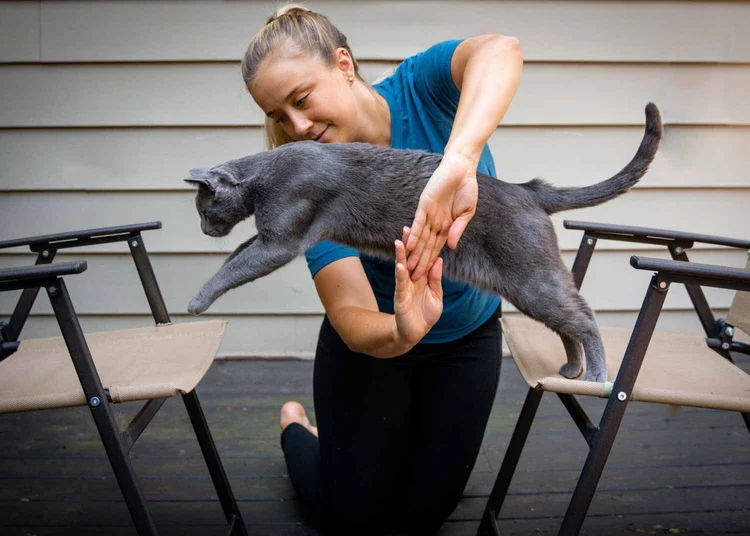
Start by building on what your cat already knows. Add one new trick at a time to avoid overwhelming them. Choose tricks that match your cat’s personality—some prefer jumping through hoops, others enjoy fetching small toys.
Use short, consistent training sessions—about 5 to 10 minutes each. Repeat the new trick several times a day to help your cat remember it. Reward immediately with treats or affection to make the learning positive.
Have you noticed your cat’s favorite way to learn? Tailor your approach to fit their style and keep the process enjoyable.
Using Interactive Toys
Interactive toys turn training into playtime and keep your cat engaged. Toys like laser pointers, puzzle feeders, and feather wands encourage movement and focus.
These toys also help teach your cat to respond to cues like “chase” or “catch.” Using interactive toys during training sessions makes learning feel less like work and more like fun.
Try rotating different toys to maintain interest. This prevents boredom and helps your cat stay motivated during practice.
Maintaining Training Momentum
Consistency is key to keeping your cat’s skills sharp. Set a daily routine for training to build momentum. Even a few minutes each day can make a big difference.
Celebrate small wins and don’t get discouraged by setbacks. Some days your cat might be less interested—adjust and try again later.
Ask yourself: How can you make training a natural part of your daily life? The more seamless it feels, the easier it will be to maintain progress.
Common Challenges
Training a cat is rewarding but not without its hurdles. You might find that your feline friend doesn’t always respond as expected. Understanding common challenges helps you stay patient and adapt your approach effectively.
Dealing With Stubborn Cats
Some cats have a strong independent streak that makes training feel like an uphill battle. They may ignore commands or lose interest quickly. Try breaking tasks into smaller steps and reward even the smallest progress to keep them motivated.
Changing the type of reward can also make a difference. If treats don’t work, use playtime or affection instead. Have you noticed your cat responds better to certain incentives?
Adjusting To Multiple Pets
Training one cat is different from training several. Other pets can distract your cat or compete for your attention. Schedule training sessions individually to give each pet focused time.
Observe how your pets interact during sessions. Sometimes, one cat learns by watching another. Could pairing training efforts speed up progress?
Overcoming Fear And Anxiety
Fear can block learning. If your cat shows signs of stress—hiding, hissing, or refusing to engage—slow down the process. Create a calm environment and use a soft voice to build trust.
Consistency is key to reducing anxiety. Short, positive sessions help your cat feel safe. Have you tried using familiar toys or scents to comfort your cat during training?
Frequently Asked Questions
How Long Does It Take To Train A Cat?
Training a cat usually takes a few weeks to months. Consistency and patience are key. Short, daily sessions help cats learn effectively.
What Is The Best Method To Train A Cat?
Positive reinforcement is the best method. Use treats, praise, and play to reward good behavior. Avoid punishment, as it can harm trust.
Can I Train My Cat To Use The Litter Box?
Yes, cats naturally prefer clean, accessible litter boxes. Place the box in a quiet spot. Reward your cat when it uses the box properly.
How Do I Teach My Cat To Come When Called?
Use a consistent cue word or sound. Call your cat and reward it with treats or affection when it responds. Practice regularly for success.
Conclusion
Training a cat takes time and patience. Small steps work best. Reward good behavior with treats or praise. Keep sessions short and fun to hold attention. Cats learn better when they feel safe and relaxed. Practice daily to see steady progress.
Remember, every cat is different. Enjoy the process and celebrate small wins. Training builds trust and strengthens your bond. With care and consistency, your cat will learn new skills. Stay calm and positive throughout the journey. Training a cat is possible for anyone willing to try.

Lily Purrington is the founder of MyKittyPicks.com, a cozy corner of the web dedicated to helping cat lovers discover the best cat products, furniture, toys, and home decor ideas.
A lifelong cat enthusiast, Lily shares trusted tips, honest product recommendations, and stylish inspiration designed to keep kitties happy and homes beautiful.
Her mission is simple: to bring together practical advice and purr-fect picks that make life better for cats and the people who love them.


