
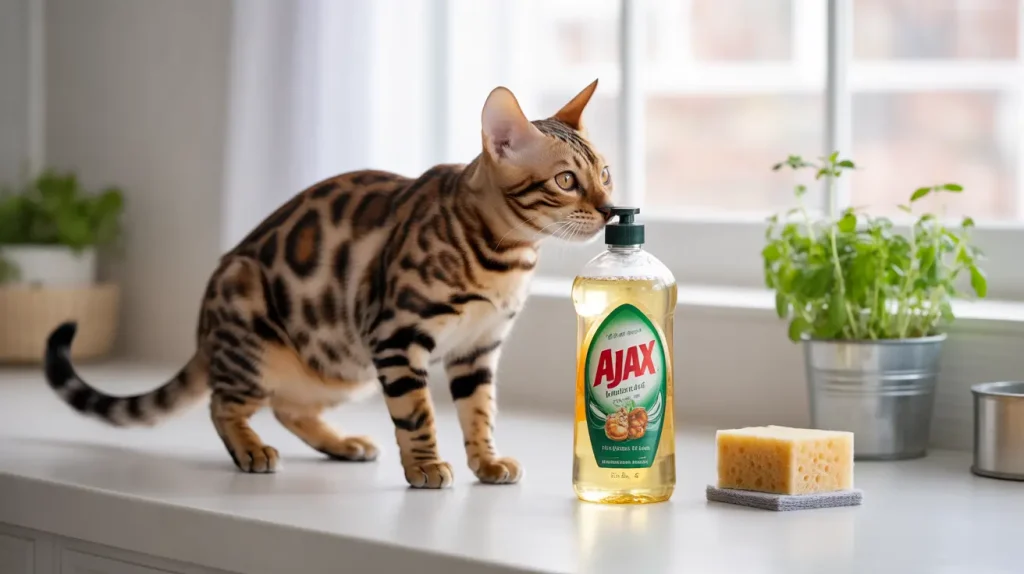
If you have cats at home, you probably worry about the cleaning products you use around them. You might be asking yourself, “Is Ajax dish soap safe for cats?”
After all, your furry friends are curious and can easily come into contact with soaps and detergents. Understanding whether this common household cleaner could harm your pets is crucial for their health and your peace of mind. Keep reading to discover the facts you need to protect your cats while keeping your home clean and safe.
Ajax Dish Soap Ingredients
Understanding the ingredients in Ajax Dish Soap helps assess its safety for cats. The formula contains various chemicals designed to remove grease and clean dishes effectively. Some of these components may irritate pets if they come into contact.
Knowing what is inside Ajax can guide pet owners in keeping their cats safe from harmful exposure. Below are common chemicals found in Ajax and substances that might pose risks.
Common Chemicals In Ajax
- Surfactants – These break down oils and grease.
- Fragrances – Added for a fresh scent.
- Preservatives – Prevent product spoilage.
- Colorants – Give the soap its distinct color.
- pH Adjusters – Maintain stability of the formula.
Potential Harmful Substances
- Surfactants can cause skin irritation in cats.
- Fragrances might trigger allergic reactions.
- Certain preservatives could be toxic if ingested.
- Soap residues may upset a cat’s digestive system.

Credit: www.reddit.com
Effects Of Ajax On Cats
Ajax dish soap is a common household cleaner, but its effects on cats can be concerning. Cats have sensitive skin and unique metabolisms that react differently to many chemicals. Understanding how Ajax can impact your furry friend is crucial to keeping them safe.
Skin Irritation And Allergies
Ajax contains detergents and fragrances that can irritate your cat’s skin. Even small amounts left on dishes or surfaces might cause redness, itching, or rashes when your cat comes into contact with them. If you notice your cat scratching more than usual or developing flaky skin, consider if Ajax exposure might be the cause.
Allergic reactions are also possible. Some cats may develop hives or swelling after exposure to Ajax. You should rinse dishes thoroughly to remove any soap residue that could trigger these symptoms.
Ingestion Risks
Cats often groom themselves, so ingesting Ajax residue is a real risk. Even small amounts swallowed can lead to vomiting, drooling, or diarrhea. In more severe cases, it can cause difficulty breathing or lethargy.
Have you ever wondered what to do if your cat licks a dish cleaned with Ajax? Monitor them closely and contact your vet immediately if you see any unusual signs. It’s safer to use pet-friendly cleaning products around areas your cat can reach.
Signs Of Soap Poisoning In Cats
Soap poisoning in cats can happen more easily than you might expect. Even small amounts of dish soap like Ajax can cause your feline friend discomfort or worse. Knowing the signs early can help you act fast and protect your cat’s health.
Physical Symptoms
Watch closely for any unusual physical signs. Soap poisoning often causes vomiting and diarrhea, which can lead to dehydration quickly. You might notice excessive drooling or foaming at the mouth because the soap irritates their mouth and throat.
Skin irritation is another red flag. Your cat’s fur may become greasy or matted, and their skin might look red or inflamed. Sometimes, their breathing can become labored if the soap affects their lungs, so pay attention to any coughing or wheezing.
Behavioral Changes
Behavior can shift dramatically when your cat is poisoned. You may see them become unusually lethargic or weak, lacking the energy they normally have. They might hide away or refuse to eat and drink, which is a serious concern.
Some cats become restless or agitated, pacing or meowing more than usual. Others might show signs of pain or discomfort, like pawing at their mouth or rubbing their face on furniture. If you notice these changes, don’t ignore them—your cat is trying to tell you something is wrong.

Credit: www.gianteagle.com
Emergency Steps For Soap Exposure
Soap exposure can be dangerous for cats. Ajax dish soap contains chemicals that may irritate their skin and mouth. Quick action helps reduce harm and soothes your pet. Knowing what to do right away is key to keeping your cat safe after contact with soap.
Immediate Actions To Take
- Rinse your cat’s skin or fur with lukewarm water immediately.
- Use gentle water flow to avoid stressing your cat.
- Remove any soap residue from around the eyes and mouth carefully.
- Do not use any other chemicals or soaps to clean your cat.
- Dry your cat gently with a soft towel after rinsing.
- Watch for signs of discomfort or unusual behavior.
When To Contact A Veterinarian
- If your cat shows vomiting, drooling, or difficulty breathing, call the vet.
- Contact the vet if your cat’s skin looks red, swollen, or painful.
- Seek help if your cat is lethargic or refuses to eat.
- Consult the vet immediately if your cat swallowed the soap.
- Keep emergency numbers handy for quick access during incidents.
Safer Alternatives For Cat Owners
Choosing safer cleaning options helps protect cats from harmful chemicals. Many common soaps, like Ajax, contain ingredients that can irritate or poison pets. Using gentle, non-toxic cleaners keeps homes clean and cats safe. It also reduces the risk of accidental exposure or ingestion.
Exploring alternatives gives peace of mind. Natural and pet-friendly products work well without harsh chemicals. Making your own soap solutions at home ensures control over ingredients. Both approaches create a safer environment for cats and their owners.
Pet-friendly Cleaning Products
Many brands offer cleaning products designed with pets in mind. These products use mild ingredients that are less likely to harm cats. Look for labels that say “pet-safe” or “non-toxic.”
- Plant-based formulas
- No strong fragrances or dyes
- Free from ammonia and bleach
Choosing these products helps keep floors, dishes, and surfaces safe. Always store them out of pets’ reach to avoid accidents.
Diy Natural Soap Solutions
Simple ingredients can make effective cleaning solutions at home. These recipes avoid harsh chemicals and reduce risks for cats.
- Mix baking soda with water for scrubbing
- Use diluted white vinegar for disinfecting
- Combine castile soap and water for gentle washing
These natural options clean well and are easy to prepare. Test a small area first to ensure no damage or residue. Homemade solutions offer a safe way to maintain hygiene around pets.
Preventing Accidental Exposure
Accidental exposure to cleaning products like Ajax dish soap can pose serious risks to your cat’s health. Preventing such incidents requires deliberate actions and awareness within your home. Taking simple steps can create a safer environment for your furry friend.
Proper Storage Tips
Store Ajax dish soap out of reach of your cat. High cabinets or locked cupboards work best to keep curious paws and noses away.
Use containers with secure lids to avoid spills or leaks. Even a small amount of soap on the floor can tempt your cat to lick or walk through it.
Think about where your cat spends most of its time. Avoid storing cleaning products near food bowls or resting spots to minimize risk.
Educating Family Members
Everyone in your household should understand the dangers of Ajax dish soap to cats. Share clear instructions about safe handling and storage.
Remind guests and children not to leave soap bottles open or unattended. Sometimes, accidental exposure happens because someone forgets to close a bottle properly.
Ask yourself: have you explained to everyone why these precautions matter? Awareness can prevent many accidents before they happen.

Credit: www.gianteagle.com
Frequently Asked Questions
Is Ajax Dish Soap Toxic To Cats?
Ajax dish soap contains chemicals that can be harmful to cats. If ingested or in contact with skin, it may cause irritation or poisoning. Always avoid using it directly on cats and keep it out of their reach.
Can Ajax Soap Be Used To Clean Cat Dishes?
It is not recommended to use Ajax soap for cleaning cat dishes. Residues may remain and cause stomach upset if ingested by cats. Use pet-safe dish soaps to ensure your cat’s health and safety.
What Should I Do If My Cat Ingests Ajax Soap?
If your cat ingests Ajax soap, rinse its mouth immediately with water. Monitor for symptoms like vomiting or drooling. Contact a veterinarian promptly for proper treatment and advice.
Are There Safer Alternatives To Ajax Soap For Cleaning Around Cats?
Yes, there are many pet-safe cleaning products available. Look for soaps labeled non-toxic and safe for pets. Natural options like vinegar and baking soda are also effective and safe for homes with cats.
Conclusion
Ajax dish soap can be harmful to cats if swallowed or exposed. Always keep cleaning products out of your pet’s reach. Use pet-safe soaps for washing items your cat touches. Watch your cat closely after any accidental contact with dish soap.
Quick action can prevent serious health problems. Choosing safer cleaning options helps protect your cat’s health. Remember, your cat depends on you for a safe home. Stay informed and cautious to keep your pet happy and healthy.

Lily Purrington is the founder of MyKittyPicks.com, a cozy corner of the web dedicated to helping cat lovers discover the best cat products, furniture, toys, and home decor ideas.
A lifelong cat enthusiast, Lily shares trusted tips, honest product recommendations, and stylish inspiration designed to keep kitties happy and homes beautiful.
Her mission is simple: to bring together practical advice and purr-fect picks that make life better for cats and the people who love them.


