
Choosing the right material for your cat’s water fountain can make a big difference in your pet’s health and happiness. You want something safe, durable, and easy to clean – but with so many options, it’s easy to feel overwhelmed.
What if the material you pick could encourage your cat to drink more water, keeping them hydrated and lively? You’ll discover which materials work best for cat water fountains and why they matter. By the end, you’ll know exactly what to look for to give your furry friend the best drinking experience possible.
Keep reading to find out!
Importance Of Choosing The Right Material
Choosing the right material for a cat water fountain affects your pet’s health and safety. The material impacts cleanliness, durability, and how easy it is to maintain the fountain. A poor choice can lead to bacteria buildup or even harm your cat.
Some materials keep water fresher and cooler. Others resist scratches and stains better. Selecting a safe, non-toxic material prevents allergic reactions and bad odors. It also helps ensure your cat drinks enough water every day.
Hygiene And Safety
Materials like stainless steel and ceramic resist bacteria growth well. Plastic often holds scratches that trap germs. A clean surface means healthier water and fewer risks for your cat.
Durability And Longevity
Strong materials last longer and handle daily use. Stainless steel and ceramic fountains are tough and don’t crack easily. Plastic fountains might break or wear out faster.
Ease Of Cleaning
Non-porous materials clean quickly and thoroughly. Smooth surfaces prevent dirt buildup. This keeps water fresh and your cat happy.
Appearance And Comfort
Some cats prefer quiet, stable fountains. Heavy materials like ceramic stay in place. A sturdy fountain feels safer and more inviting to your pet.

Credit: oneisall.com
Stainless Steel Fountains
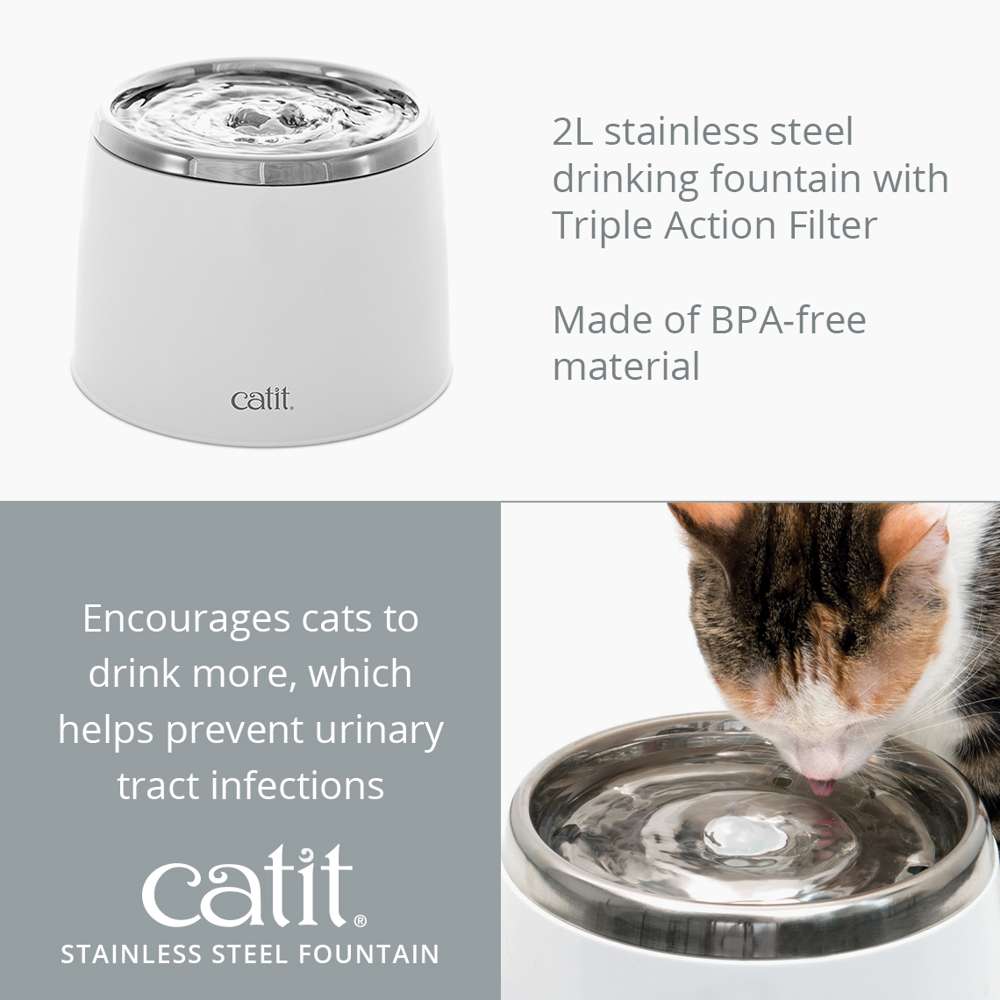
Stainless steel fountains are a popular choice for many cat owners who want a durable and safe watering option. These fountains offer a sleek look and resist damage better than many other materials. If you want a fountain that lasts and stays clean, stainless steel is worth considering.
Benefits Of Stainless Steel
Stainless steel is highly durable and can handle rough use by curious cats without cracking or breaking. It doesn’t absorb odors or bacteria, which keeps the water fresh and safe for your pet. Unlike plastic, it won’t leach harmful chemicals into the water, making it healthier for your cat.
Its smooth surface discourages slime buildup, so your cat’s water stays clearer longer. Plus, many cats prefer the taste of water from stainless steel because it doesn’t hold any residual flavors. Its modern look also fits well in most home decors.
Maintenance Tips
- Clean the fountain at least once a week with warm soapy water to prevent bacteria growth.
- Use a soft cloth or sponge to avoid scratching the steel surface, which can trap germs.
- Rinse thoroughly to ensure no soap residue remains that might deter your cat from drinking.
- Check the pump regularly to remove hair and debris that can block water flow.
- If you notice any rust spots, address them immediately with a stainless steel cleaner to maintain hygiene.
Have you noticed your cat drinking less? It might be time to inspect the fountain for cleanliness or worn parts. Keeping a stainless steel fountain well-maintained ensures your cat stays hydrated and healthy every day.
Ceramic Water Fountains
Ceramic water fountains offer a blend of style and functionality that many cat owners appreciate. They provide a natural, sturdy option that often fits well in various home décors. Understanding the benefits and care of ceramic fountains can help you decide if this material suits your cat’s needs and your lifestyle.
Advantages Of Ceramic
Ceramic fountains are heavy and stable, so they won’t tip over easily during your cat’s enthusiastic drinking sessions. This stability helps prevent spills and keeps the area around the fountain dry.
The non-porous surface of ceramic resists bacteria and odors better than some plastics, promoting a healthier drinking environment for your cat. Plus, ceramic is often dishwasher safe, making it easier to keep the fountain clean.
Many cats prefer the natural feel of ceramic over plastic, which can sometimes impart a strange taste or smell to the water. Have you noticed your cat’s reaction to different materials? Ceramic might encourage better hydration.
Cleaning And Care
Cleaning ceramic fountains is straightforward but important to maintain water quality. Use warm, soapy water and a soft brush to scrub the surface and remove any buildup.
Avoid harsh cleaners or abrasive scrubbers that could scratch the ceramic, as scratches can harbor bacteria. Regular cleaning every few days keeps the water fresh and your cat healthy.
Remember to clean the pump and any tubing as well, since debris can block the water flow. Taking a few extra minutes weekly can save you from more significant maintenance issues later.
Plastic Fountains: Pros And Cons
Plastic cat water fountains are a popular choice for many pet owners. They are lightweight and come in various designs. These fountains can be easy to clean and handle. Still, there are both benefits and drawbacks to consider before choosing plastic.
Affordability And Availability
Plastic fountains often cost less than other materials. Many brands offer a wide selection of plastic models. Replacement parts and filters are easy to find. This makes plastic fountains a budget-friendly option. They suit owners who want a simple, low-cost water solution for cats.
Health And Safety Concerns
Some plastics may contain harmful chemicals like BPA. These chemicals can leach into water over time. Cheaper plastics might wear down quickly, causing rough surfaces. Rough spots can harbor bacteria and germs. Regular cleaning is essential to keep the fountain safe. Look for BPA-free and food-grade plastic options to reduce risks.
Comparing Material Durability
Choosing the right material for a cat water fountain affects its durability and your pet’s health. Different materials last longer and keep water cleaner in various ways. Understanding these differences helps pick the best fountain for your cat.
Longevity Of Different Materials
Stainless steel fountains resist rust and damage well. They often last many years with simple care. Ceramic fountains also last long but can chip or crack if dropped. Plastic fountains may wear out faster and show scratches easily. Scratches can trap dirt and bacteria.
Each material needs proper cleaning to maintain strength. Regular washing helps prevent buildup that can weaken the fountain. Choosing a durable material means fewer replacements and less waste.
Impact On Water Quality
Material type affects water taste and safety. Stainless steel does not absorb odors or chemicals. It keeps water fresh and free from harmful substances. Ceramic can also keep water clean but may absorb smells if not cleaned well. Plastic may release chemicals into water, especially when scratched or old.
Good water quality encourages cats to drink more. This supports their health and hydration. Selecting materials that protect water quality is key for a happy, healthy cat.
Environmental Considerations
Choosing the right material for your cat's water fountain goes beyond durability and safety. Environmental impact is a key factor that affects not only your pet but the planet too. Understanding how materials influence the environment helps you make a choice that supports sustainability and reduces waste.
Eco-friendly Options
Materials like stainless steel and glass stand out as eco-friendly choices. They last longer and resist wear without releasing harmful chemicals, unlike some plastics. These options are also easier to clean, which keeps your cat’s water fresh and reduces the need for frequent replacements.
Have you noticed how some plastic fountains start to smell or discolor over time? This often means they contain additives that aren’t great for the environment or your pet’s health. Choosing biodegradable or BPA-free plastics can minimize these issues, but metals and glass still lead in eco-friendliness.
Recycling And Disposal
When it’s time to replace the fountain, think about how you’ll dispose of the old one. Stainless steel and glass can often be recycled, reducing landfill waste. In contrast, many plastic fountains end up in trash because they’re made from mixed materials or coatings that complicate recycling.
Consider if your fountain’s parts can be separated easily—this makes recycling much simpler. If you have a stainless steel fountain, for example, you can usually take it to a scrap metal recycler. How often do you check if your pet products can be recycled before buying new ones?
Top Picks For Durable Cat Water Fountains
Choosing the right material for a cat water fountain ensures it lasts long and stays safe. Durable fountains resist scratches, stains, and odors. They also keep water fresh and clean for your pet. Here are some top picks for cat water fountains known for their durability and quality.
Popular Brands And Models
- PetSafe Drinkwell Platinum:Made of BPA-free plastic with a stainless steel top. It resists stains and is easy to clean.
- Catit Flower Fountain:Combines durable plastic with a compact design. It has a triple-action filter to keep water pure.
- Veken Pet Fountain:Crafted from food-grade PP material. It has a quiet pump and multiple water flow settings.
- Petkit Eversweet 2:Features a stainless steel bowl and BPA-free plastic parts. It offers smart water circulation and easy cleaning.
- Pioneer Pet Raindrop Fountain:Made of stainless steel. It is highly durable and easy to clean, reducing bacteria build-up.
Customer Reviews And Ratings
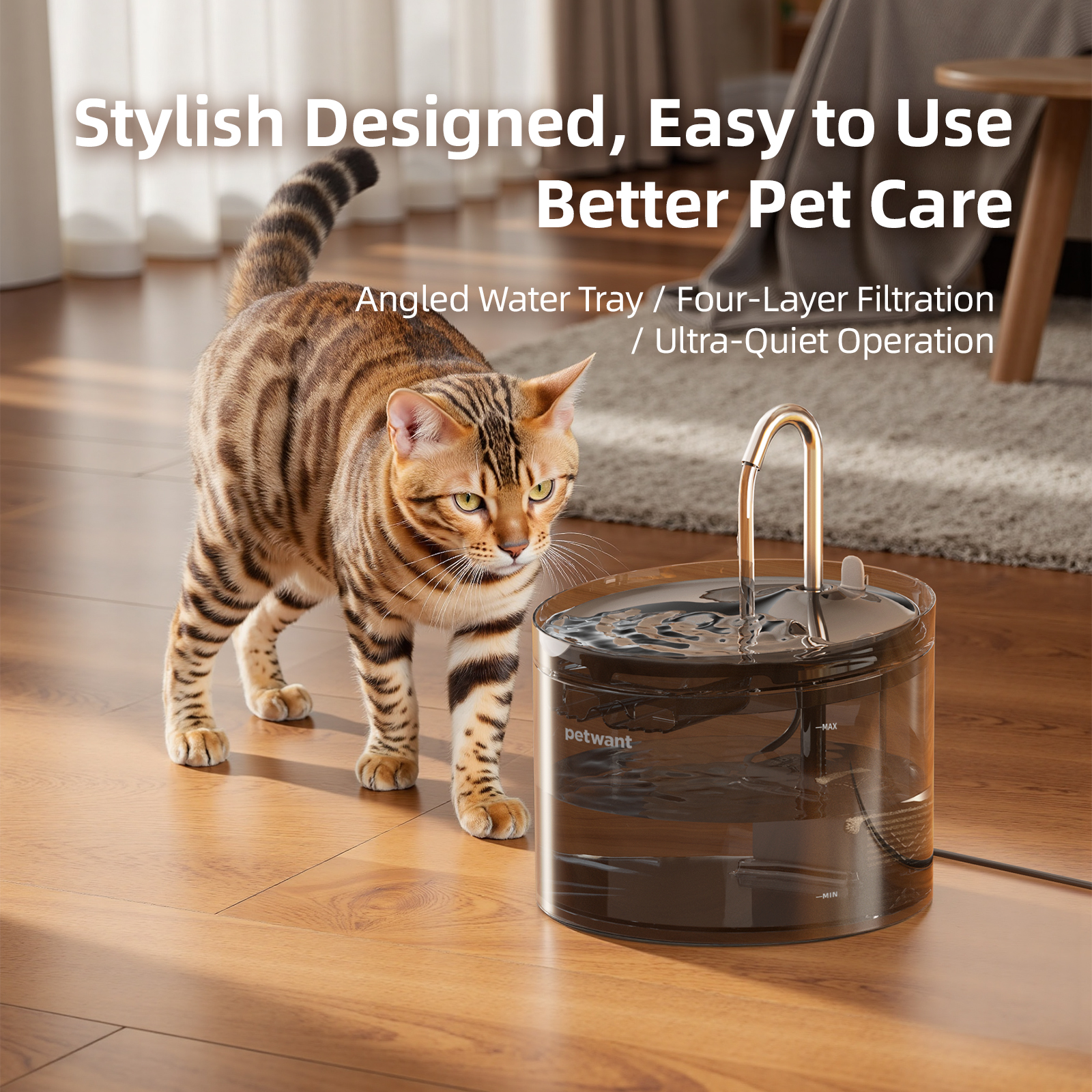
Many pet owners praise stainless steel fountains for lasting years without damage. Users find plastic models lightweight but less resistant to scratches. Customers also highlight the importance of easy cleaning and filter replacement. High ratings often reflect quiet operation and steady water flow. Most reviewers agree durable materials keep water tasting fresh and safe for cats.
Credit: petwant.com

Credit: www.chicagotribune.com
Frequently Asked Questions
What Materials Are Safest For Cat Water Fountains?
Stainless steel and ceramic are safest materials for cat water fountains. They resist bacteria buildup and are easy to clean. Avoid plastic as it may harbor germs and cause allergies. Safe materials ensure your cat drinks clean, fresh water, promoting better health and hydration.
Why Is Stainless Steel Preferred For Cat Water Fountains?
Stainless steel is preferred due to its durability and hygiene. It resists rust and bacteria, making it safe for cats. It’s easy to clean and doesn’t retain odors. This material ensures long-lasting use and promotes your cat’s health by providing clean water.
Are Ceramic Cat Fountains Better Than Plastic Ones?
Yes, ceramic fountains are better as they are non-toxic and easy to clean. They don’t leach chemicals like some plastics. Ceramic is also heavier, preventing spills. It offers a safer, more hygienic option for cats who need fresh, clean water daily.
Can Plastic Fountains Harm Cats’ Health?
Plastic fountains can harm cats if low-quality plastic is used. They may contain harmful chemicals or develop scratches that harbor bacteria. Over time, plastic can degrade and affect water quality. Always choose BPA-free, high-quality plastic or other safer materials.
Conclusion
Choosing the right material for your cat’s water fountain matters a lot. Stainless steel and ceramic are easy to clean and safe for pets. Plastic may hold odors and bacteria if not cleaned well. Think about your cat’s health and comfort first.
A clean fountain encourages your cat to drink more water. This helps keep them healthy and happy. Pick a material that suits your needs and your cat’s habits. Clean the fountain often to keep water fresh and tasty. Your cat will thank you with better health and energy.

Lily Purrington is the founder of MyKittyPicks.com, a cozy corner of the web dedicated to helping cat lovers discover the best cat products, furniture, toys, and home decor ideas.
A lifelong cat enthusiast, Lily shares trusted tips, honest product recommendations, and stylish inspiration designed to keep kitties happy and homes beautiful.
Her mission is simple: to bring together practical advice and purr-fect picks that make life better for cats and the people who love them.


