

Is your cat water fountain making a noise that’s louder than you expected? You’re not alone.
Many cat owners wonder why their fountains suddenly sound like a mini waterfall in their home. This loud noise can be annoying and might even worry you about your pet’s comfort. But understanding why your cat water fountain is so loud can help you fix the problem quickly.
Keep reading to find out what causes the noise and how you can make your fountain quiet again—so both you and your cat can enjoy a peaceful, happy home.

Credit: www.reddit.com
Common Causes Of Loud Cat Water Fountains
If your cat water fountain is making more noise than you expected, it can be annoying for both you and your feline friend. Understanding the common causes of loud cat water fountains can help you fix the issue quickly and keep the water flowing smoothly. Let’s look at the main reasons behind that unexpected noise and what you can do about each.
Pump Malfunctions
The pump is the heart of your cat’s water fountain. If it starts making loud or unusual sounds, it might be malfunctioning.
Sometimes, the motor inside the pump wears out or gets damaged. Other times, the pump might be working harder than usual because it’s clogged or partially blocked.
Have you checked if your pump is securely fitted? A loose pump can vibrate against the fountain, causing extra noise. Tightening or replacing the pump often solves the problem.
Water Level Issues
Maintaining the right water level is crucial for quiet operation. Too little water can cause the pump to strain and make loud, grinding noises.
On the other hand, too much water might splash around and create extra sounds. You want the water just right—enough to cover the pump but not so much that it spills.
Try adjusting the water level and observe if the noise changes. It’s a simple fix that many overlook but can immediately reduce loud sounds.
Debris And Blockages
Debris like pet hair, dirt, or food particles can easily get trapped inside the fountain’s pump or tubing. This buildup can cause the pump to struggle and become noisy.
Regular cleaning is essential. When was the last time you took apart the fountain to clean every nook? Even a small blockage can increase noise and reduce water flow.
Try cleaning the pump and filters thoroughly. You might be surprised how much quieter your fountain becomes afterward.
Identifying The Source Of The Noise
Figuring out why your cat water fountain is so loud begins with pinpointing exactly where the noise is coming from. Without identifying the source, any attempt to fix the problem might just be a guess. Taking a careful approach lets you tackle the issue efficiently and avoid unnecessary frustration.
Listening For Specific Sounds
Start by tuning your ears to the different noises your fountain makes. Is it a constant buzzing, a rhythmic splashing, or a sudden rattling? Each sound hints at a different cause.
Try to isolate the noise by turning off other appliances or background sounds. This will help you focus solely on the fountain’s noise. Does the sound get louder near the pump, the water basin, or the tubing?
Ask yourself: Does the noise change if you touch or move parts of the fountain? For example, pressing gently on the pump housing might reveal if the vibration is the culprit. This simple test can point you directly to the noisy component.
Visual Inspection Techniques
Look closely at your fountain’s parts for any visible issues. Check for cracks, loose fittings, or debris stuck around the pump or water flow areas. Sometimes, a small obstruction can cause unusual noise.
Pay attention to the pump’s position. Is it sitting flat and stable? A tilted or uneven pump can create more noise through vibration. Make sure it’s properly secured and aligned.
Don’t forget to examine the water level. Low water can cause the pump to work harder and sound louder. If the water level looks low, refill and observe if the noise decreases.
Quick Fixes For A Noisy Fountain
If your cat water fountain has started to sound louder than usual, it can be distracting and even stressful for both you and your pet. Luckily, many causes of noise are easy to fix with a few simple adjustments and regular care. Tackling the problem early can extend the life of your fountain and keep your cat happily hydrated.
Adjusting The Water Level
Have you checked the water level recently? Too little water can cause the pump to work harder, creating a louder noise. Make sure the water level stays above the minimum line marked on the fountain.
On the other hand, overfilling can cause splashing, which adds to the noise. Adjust the water to a balanced level so the flow is smooth and quiet. You might find that a slight change in water height reduces gurgling sounds significantly.
Cleaning And Maintenance Tips
Dirt, hair, and debris often build up in your fountain, especially around the pump and filter. This buildup can make the pump noisy or reduce its efficiency. Clean your fountain at least once a week using mild soap and warm water.
Pay close attention to the pump parts and the tubing. Removing gunk and mineral deposits can quiet the fountain drastically. Do you notice any slimy residue or blockages? Clearing these out might surprise you with how much noise drops instantly.
Replacing Or Repairing The Pump
If adjusting the water and cleaning don’t solve the noise problem, the pump itself might be worn out or damaged. Pumps have moving parts that can wear down over time, causing rattling or buzzing sounds.
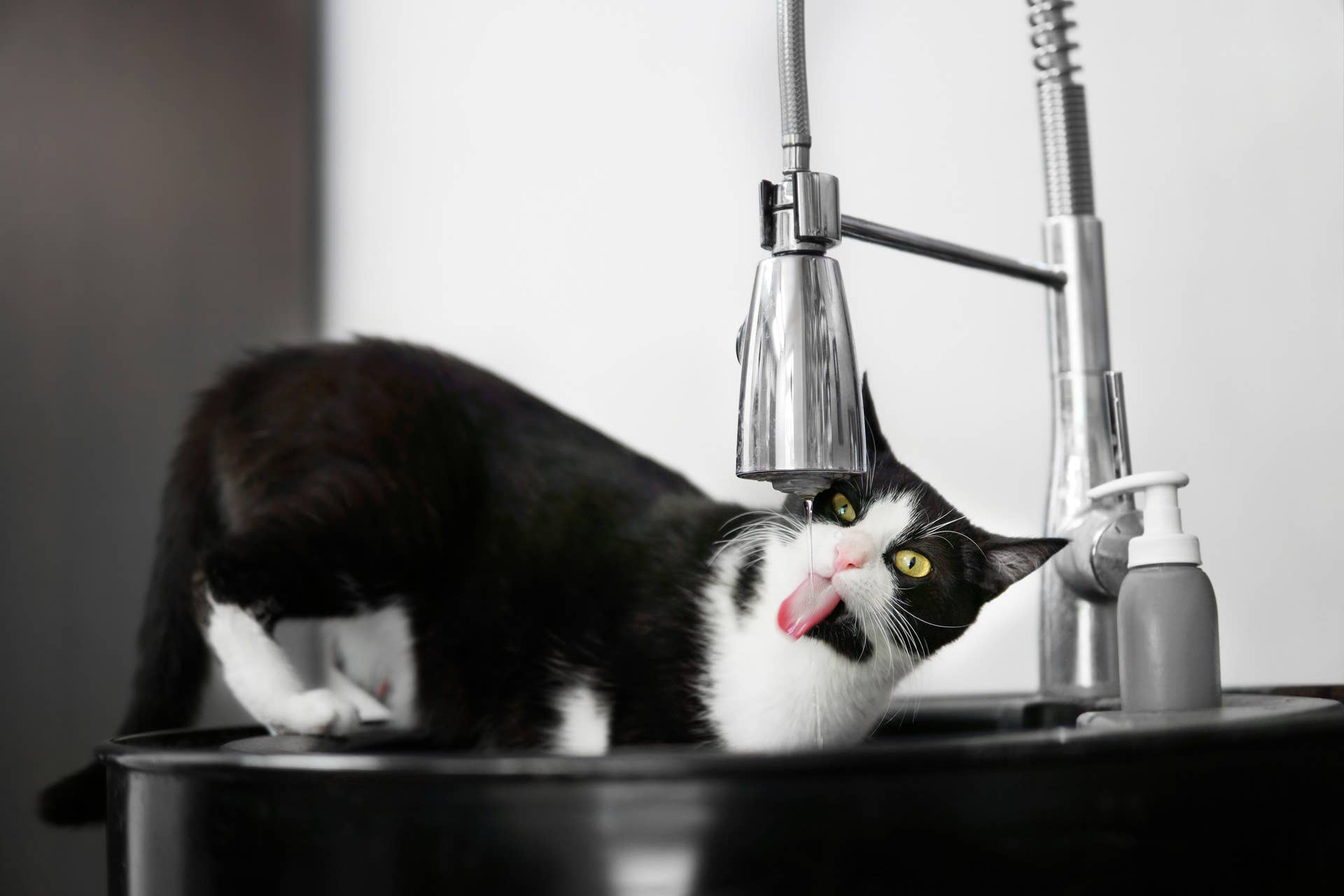
Try inspecting the pump for cracks or loose components. Sometimes, replacing a small part or the entire pump is the best solution. Have you checked your fountain’s warranty? Some manufacturers offer replacements for faulty pumps, saving you money and hassle.
Credit: pethelpful.com
Preventative Measures For Future Noise
Preventing loud noises from your cat water fountain saves stress and keeps pets happy. Consistent care and smart choices reduce noise before it starts. Small efforts make the fountain run quietly and smoothly.
Regular Cleaning Schedule
Set a cleaning routine to stop noise build-up. Dirt and algae cause the pump to work harder and get noisy. Clean the fountain parts weekly to keep water clear and flow steady.
- Rinse the pump and filter with fresh water.
- Remove hair and debris from the intake area.
- Use mild soap if needed, then rinse well.
- Dry parts before reassembling to prevent mold.
Regular cleaning avoids clogs and pump strain. A clean fountain hums softly, not loudly.
Choosing Quiet Fountain Models
Select fountains designed to minimize noise. Look for models with:
- Sealed or vibration-absorbing pumps.
- Adjustable flow settings for a gentle stream.
- Soundproof materials or silicone bases.
Quiet fountains create a calm environment. Investing in a low-noise model saves future hassle.
When To Seek Professional Help
Knowing when to seek professional help for your cat water fountain can save you time, money, and frustration. Sometimes, the noise isn’t just a minor annoyance—it could signal a deeper problem that requires expert attention. Understanding the signs and weighing the costs will help you decide the best course of action for your fountain and your feline friend.
Recognizing Persistent Issues
If you’ve tried cleaning and adjusting your cat water fountain but the loud noise keeps coming back, it’s a clear warning sign. Persistent buzzing, grinding, or rattling noises that don’t improve after routine maintenance often indicate worn-out parts or motor problems.
Ask yourself: Has the noise increased over time or changed in tone? Is the fountain’s performance affected, like reduced water flow or leaks? These are red flags that suggest professional diagnosis is necessary.
Ignoring these symptoms can lead to complete breakdowns, which might harm your cat’s hydration habits. A professional can pinpoint the exact cause and recommend repairs or replacements that you might miss on your own.
Cost-benefit Analysis Of Repairs
Before you rush into repairing or replacing your fountain, consider the costs versus the benefits carefully. Professional repairs might cost more upfront but can extend the life of your fountain significantly.
| Factor | Repair | Replacement |
|---|---|---|
| Cost | Moderate to high depending on parts | High initial expense |
| Time | Usually quicker turnaround | May require research and setup |
| Longevity | Can extend fountain life | Brand new unit, longer lifespan |
| Effectiveness | Depends on damage extent | Guaranteed new performance |
Think about how much you value the fountain’s current design and features. Would repairing it preserve what you love about it, or is it more practical to invest in a new one? Your decision should balance cost, convenience, and the fountain’s benefit to your cat’s health.

Credit: www.amazon.ca
Frequently Asked Questions
Why Is My Cat Water Fountain Making Loud Noises?
Loud noises often come from pump vibrations or trapped air inside. Cleaning the pump and ensuring it’s fully submerged reduces noise. Placing the fountain on a soft surface also helps absorb sound and prevent loud vibrations.
How Can I Reduce My Cat Fountain’s Loud Buzzing?
Regularly cleaning the pump and removing debris lowers buzzing sounds. Lubricating moving parts and tightening loose components also helps. Using a rubber mat under the fountain absorbs vibrations, making the fountain quieter for your pet.
Does Water Level Affect Fountain Noise?
Yes, low water levels expose the pump and cause louder noise. Always keep the water above the minimum level to ensure smooth pump operation and reduce sound. Check water levels daily for optimal fountain performance and quietness.
Can The Fountain’s Location Increase Noise Levels?
Placing the fountain on hard or uneven surfaces can amplify noise. Use a rubber mat or soft cloth underneath to dampen vibrations. Avoid placing the fountain near walls or corners that may reflect sound and increase loudness.
Conclusion
A loud cat water fountain can be annoying for both you and your pet. Dirt, worn parts, or poor placement often cause noise. Regular cleaning and proper setup usually fix the problem. Quiet fountains keep your cat happy and hydrated.
Pay attention to sounds and act quickly. Your cat deserves a calm and fresh water source. Simple care can make a big difference. Keep your home peaceful and your cat healthy.

Lily Purrington is the founder of MyKittyPicks.com, a cozy corner of the web dedicated to helping cat lovers discover the best cat products, furniture, toys, and home decor ideas.
A lifelong cat enthusiast, Lily shares trusted tips, honest product recommendations, and stylish inspiration designed to keep kitties happy and homes beautiful.
Her mission is simple: to bring together practical advice and purr-fect picks that make life better for cats and the people who love them.


