
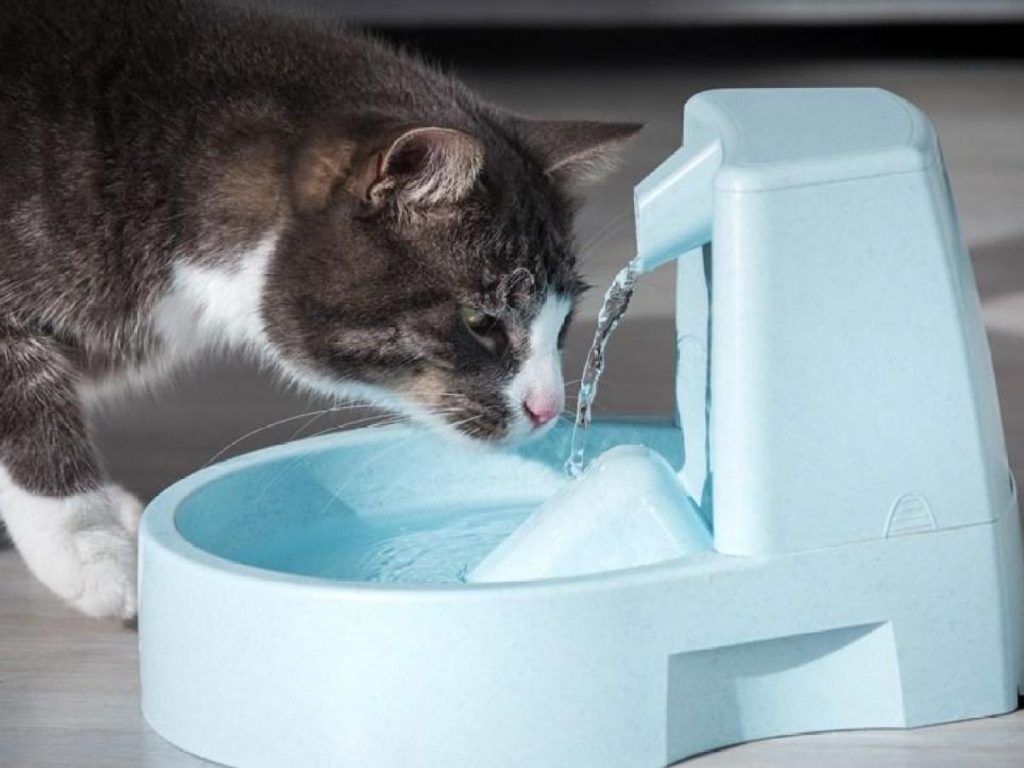
Are you wondering how many water fountains you should have for your cats? Giving your furry friends the right amount of fresh water is key to keeping them healthy and happy.
But is one fountain enough, or do you need more? Getting this right can make a big difference in your cat’s hydration and overall well-being. Keep reading to discover the simple answer and expert tips that will help you care for your cats like a pro.
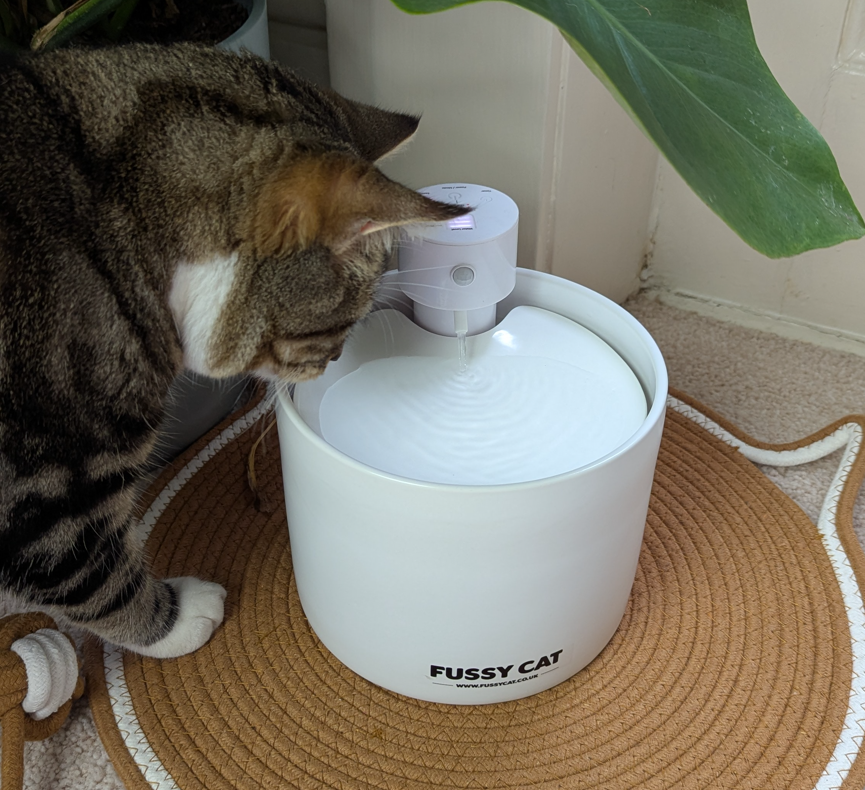
Credit: www.fussycat.co.uk
Importance Of Hydration For Cats
Cats need water to stay healthy and active. Water helps their body work well every day. Without enough water, cats can get sick quickly. They might have problems with their kidneys or urinary tract. Proper hydration supports their digestion and keeps their skin and coat shiny. Drinking enough water also helps cats keep their energy and mood balanced.
Many cats do not drink enough water from a bowl. Some prefer moving water or multiple water sources. Knowing how many water fountains a cat needs can help encourage more drinking. This can prevent health issues and improve their quality of life.
Benefits Of Proper Hydration For Cats
- Supports kidney and bladder health
- Prevents urinary tract infections
- Improves digestion and nutrient absorption
- Keeps skin and coat healthy
- Maintains energy and mood levels
- Lethargy or weakness
- Dry gums or mouth
- Sunken eyes
- Loss of appetite
- Constipation
How Water Fountains Encourage Cats To Drink More
- Provide fresh, moving water
- Appeal to cat’s natural instincts
- Reduce bacteria growth compared to bowls
- Offer multiple fountains in different places
- Make drinking more fun and interesting
Factors Influencing Water Needs
Understanding the factors that influence your cat’s water needs helps you decide how many water fountains to provide. Each cat is unique, and their hydration depends on several important elements. Paying attention to these can improve your cat’s health and happiness.
Age And Size
Young kittens and older cats often need more frequent access to water. Kittens are growing quickly, so they drink more relative to their size. Senior cats may have health issues that increase their water intake or make drinking harder.
Size also plays a role. Larger cats naturally need more water than smaller ones. If you have multiple cats of different sizes, consider separate fountains to meet their individual needs.
Diet Type
Wet food contains a lot of moisture, which can reduce your cat’s need to drink from a fountain. Cats eating primarily dry food will need more water to stay hydrated. If your cat shifts between diets, you might need to adjust the number of fountains accordingly.
Do you notice your cat drinking less after switching to wet food? That’s a sign their water needs are partially met through their meals.
Activity Level
Active cats burn more energy and lose fluids faster, increasing their need for water. If your cat spends a lot of time running or playing, they will benefit from easy access to fresh water throughout the day.
Less active or indoor cats might require fewer fountains, but always watch for signs of dehydration. Is your cat exploring outdoors or chasing toys? More fountains can support their hydration.
Climate And Environment
Warm and dry environments make cats drink more to stay cool and hydrated. If you live in a hot climate or your home tends to be warm, extra water sources are a good idea. Cold or humid climates might lower your cat’s water needs slightly.
Have you observed your cat drinking more in summer? It’s a natural response to heat that can guide how many fountains you provide.
Benefits Of Water Fountains
Water fountains offer many benefits for cats and their owners. They provide a constant flow of fresh water that appeals to cats’ natural instincts. These fountains encourage cats to drink more, which is important for their health. Clean and moving water is more attractive than still water in a bowl.
Using water fountains can help keep your cat hydrated and reduce health risks related to dehydration. They also help maintain cleaner water by reducing bacteria growth. Understanding these benefits can guide how many fountains you need for your cats.
Encouraging Drinking
Cats often prefer running water over still water. The sound and movement grab their attention. This encourages them to drink more often. More water intake helps prevent urinary and kidney problems. Water fountains make drinking fun and easy for cats.
Keeping Water Fresh
Water fountains circulate water continuously. This circulation keeps the water cool and fresh. Stagnant water can taste bad and discourage cats from drinking. Fountains reduce water waste by providing a constant supply. Fresh water is safer and more appealing to cats.
Reducing Bacterial Growth
Standing water can quickly grow bacteria. Bacteria can cause illness in cats. Flowing water in fountains limits bacterial growth. Many fountains have filters that trap impurities. This helps maintain cleaner water for a longer time. Clean water supports your cat’s overall health.
Determining The Right Number Of Fountains
Choosing the right number of water fountains for your cat(s) is more than just guessing. It depends on their habits, the number of cats in your home, and how easy it is for them to reach fresh water. Getting this right helps keep your furry friends hydrated and healthy.
Single Cat Households
If you have just one cat, one water fountain is usually enough. Cats often prefer fresh, running water, so a fountain encourages them to drink more. However, if your cat is shy or tends to avoid certain spots, placing a second fountain in a different room might help.
Think about your cat’s behavior. Does it like privacy when drinking? Does it avoid noisy or busy areas? Adjust the fountain placement accordingly to suit your cat’s preferences.
Multi-cat Households
With multiple cats, it’s best to have more fountains than cats. A good rule of thumb is one fountain per cat plus one extra. This helps reduce competition and ensures each cat has easy access to water.
Remember, some cats can be territorial. Providing several fountains in different areas lowers stress and encourages all your cats to stay hydrated. Have you noticed your cats waiting for their turn at the water bowl? This is a sign you may need more fountains.
Space And Accessibility
Where you place the fountains matters as much as how many you have. Cats prefer quiet, low-traffic spots away from their food and litter boxes. Make sure each fountain is easy to reach and not hidden behind furniture.
Consider your home’s layout. In a large house, spread fountains across different rooms or floors. This way, your cats won’t have to travel far to find water. Accessibility can make a big difference in how often they drink.
Choosing The Right Fountain Type
Choosing the right water fountain for your cat is more than just picking a cute design. It involves understanding the different types available and how they fit your cat’s habits and your lifestyle. The right fountain keeps your cat hydrated, happy, and healthy, so let’s break down what to look for.
Electric Vs. Non-electric
Electric fountains constantly circulate water, which keeps it fresh and encourages your cat to drink more. This movement also helps oxygenate the water, making it taste better to your cat. However, they need a power source and occasional maintenance on pumps, which might be a hassle if you travel often or have limited outlets.
Non-electric fountains rely on gravity and your cat’s interaction to release water. They’re quieter and don’t require electricity, making them safer and more portable. But the water can become stagnant faster, so you’ll need to clean and refill them more often to avoid bacteria buildup.
Material Considerations
The material of the fountain affects durability, safety, and ease of cleaning. Stainless steel fountains are sturdy, resist bacteria, and don’t retain odors, but they can be pricier. Ceramic fountains are attractive and easy to clean but can break if knocked over.
Plastic fountains are affordable and lightweight, but some cats might dislike the smell or texture. Also, plastic can scratch easily, which may harbor bacteria over time. Think about your cat’s preferences and your budget when choosing the material.
Ease Of Cleaning
Cleaning your cat’s water fountain regularly is essential to prevent germs and keep your cat drinking happily. Look for fountains with simple designs and removable parts that are dishwasher safe. Complex fountains with hidden crevices might look nice but can trap dirt and make cleaning a chore.
Have you ever noticed your cat turning away from their water bowl? It could be because the fountain isn’t clean enough. Investing a little extra time in choosing a fountain that’s easy to clean saves you frustration and protects your cat’s health.

Credit: catit.ca
Maintenance And Cleaning Tips
Keeping your cat’s water fountain clean is essential for their health and hydration. Dirty fountains can harbor bacteria and unpleasant smells that deter your cat from drinking enough water. Understanding how often to clean, which products to use, and when to replace filters will make maintenance easier and more effective.
Frequency Of Cleaning
You should clean your cat’s water fountain at least once a week to prevent slime and bacteria buildup. If you have multiple cats using the same fountain, consider cleaning it twice a week to keep the water fresh. Pay attention to signs like cloudy water or an odd smell — these mean it’s time to clean immediately.
Safe Cleaning Products
Use mild dish soap or a vinegar solution to clean the fountain parts safely. Harsh chemicals can leave residues that harm your cat or cause them to avoid the fountain. Rinse all parts thoroughly with warm water to remove any soap or vinegar before reassembling the fountain.
Filter Replacement
Filters need changing every 2 to 4 weeks, depending on usage and water quality. If you notice slower water flow or unusual tastes, replace the filter right away. Keep extra filters on hand so you’re never caught off guard—your cat’s water should always be crisp and clean.
Signs Of Dehydration In Cats
Dehydration in cats is a serious issue that needs quick attention. Cats may not drink enough water, especially if they have only one fountain or bowl. Recognizing the signs of dehydration helps keep cats healthy and comfortable.
Behavioral Changes
- Less active or lethargic than usual
- Hiding or seeking quiet places
- Reduced appetite or refusal to eat
- Increased irritability or restlessness
Physical Symptoms
- Dry or sticky gums
- Sunken eyes
- Poor skin elasticity – skin stays lifted when pinched
- Rapid breathing or increased heart rate
- Constipation or dry, hard stools
When To Consult A Vet
Seek veterinary care immediately if dehydration signs last more than a day. Cats refusing water or food need urgent help. Vomiting, diarrhea, or weakness with dehydration require professional treatment. Early care prevents serious health risks.
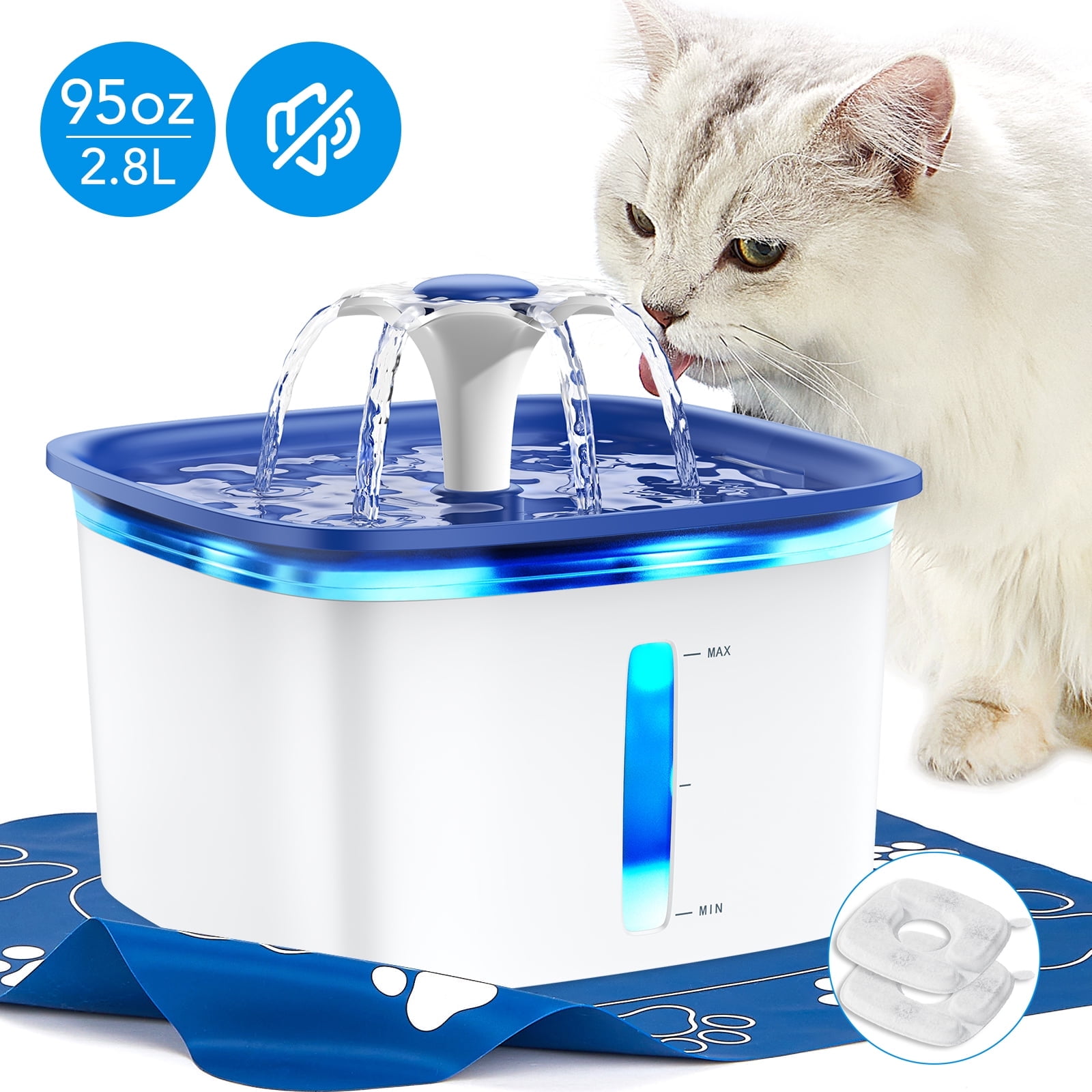
Credit: www.walmart.com
Frequently Asked Questions
How Many Water Fountains Does One Cat Need?
One cat typically needs one water fountain to stay hydrated. Multiple fountains are beneficial if you have several cats or large spaces. Providing fresh water encourages drinking and supports your cat’s health.
Why Use A Water Fountain Instead Of A Bowl?
Water fountains keep water fresh and oxygenated, appealing to cats. They reduce bacteria buildup and encourage cats to drink more. This helps prevent dehydration and urinary issues.
Can Multiple Cats Share One Water Fountain?
Multiple cats can share one fountain, but it may cause competition. Ideally, provide one fountain per cat to reduce stress and ensure water access for all.
Where Should I Place My Cat’s Water Fountain?
Place the fountain away from food and litter boxes. Choose a quiet, accessible area to encourage regular drinking. Clean the fountain frequently to maintain water quality.
Conclusion
Cats need fresh water to stay healthy and happy. One water fountain per cat helps keep them well hydrated. Some cats prefer drinking from different spots. Placing multiple fountains around your home encourages drinking. Clean fountains regularly to avoid bacteria buildup.
Watch your cat’s habits to know their needs. Proper hydration supports their energy and digestion. Simple steps can improve your cat’s water intake. A happy cat drinks enough water every day. Keep fountains filled and easily accessible for best results.

Lily Purrington is the founder of MyKittyPicks.com, a cozy corner of the web dedicated to helping cat lovers discover the best cat products, furniture, toys, and home decor ideas.
A lifelong cat enthusiast, Lily shares trusted tips, honest product recommendations, and stylish inspiration designed to keep kitties happy and homes beautiful.
Her mission is simple: to bring together practical advice and purr-fect picks that make life better for cats and the people who love them.


