
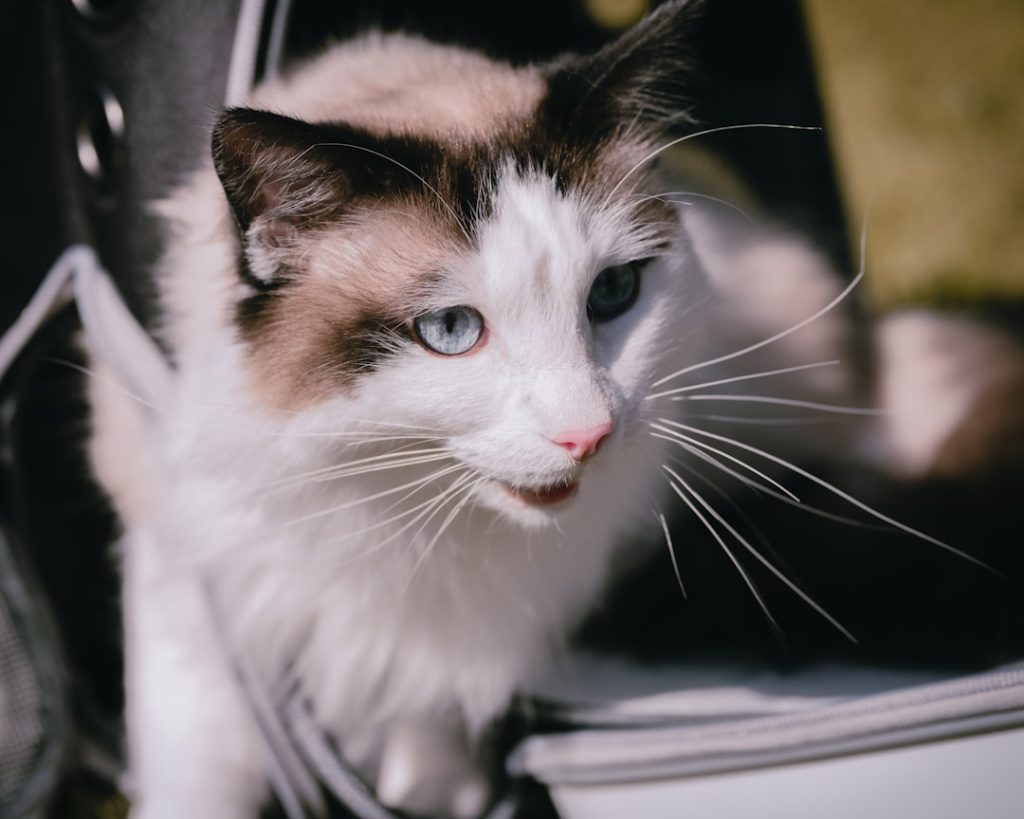
Are you fascinated by the mysterious allure of cats? Ever wondered how you could turn your passion for these enigmatic creatures into a rewarding career?
Becoming a cat breeder could be your purr-fect calling. Imagine being surrounded by playful kittens, each with its own unique personality, and knowing you played a role in bringing them into the world. But, where do you start? What steps must you take to become a responsible and successful cat breeder?
You’ll discover the essential insights and practical steps needed to transform your love for cats into a thriving venture. Get ready to dive into a world where feline companionship and business acumen meet. Your journey to becoming a top-notch cat breeder begins here. Keep reading, and let’s unlock the secrets together!
Choosing The Right Breed
Choosing the right breed is crucial in becoming a successful cat breeder. Your choice impacts your breeding goals and business success. Each breed has its own characteristics and needs. It’s important to align them with your capabilities and goals. This section will guide you through essential aspects to consider.
Research Popular Breeds
Start by researching popular cat breeds. Siamese, Maine Coon, and Persian cats are well-known. Each breed has unique traits and care needs. Learn about their health issues, grooming needs, and behavior. This knowledge helps you understand what to expect. It also prepares you for potential challenges.
Consider Personal Preferences
Your personal preferences matter when selecting a breed. Do you prefer active or calm cats? Short-haired or long-haired? Consider your lifestyle and personal likes. Choosing a breed you love ensures long-term commitment. Passion for a breed translates to better care.
Evaluate Market Demand
Market demand is another key factor. Research which breeds are in demand. Look at local trends and online searches. Popular breeds can lead to more sales. However, niche breeds might have less competition. Balance your passion with market needs.

Credit: www.gccfcats.org
Understanding Cat Genetics
Becoming a cat breeder involves understanding cat genetics to ensure healthy and desirable traits in kittens. Knowledge of breeding practices, cat health, and genetic traits is essential. This understanding helps in selecting the right breeding pairs for producing quality litters.
Understanding cat genetics is crucial for anyone aspiring to be a successful cat breeder. Grasping the nuances of feline genetics can make the difference between breeding healthy cats and those prone to genetic disorders. As you embark on this journey, you’ll discover how genetics influence everything from a cat’s physical characteristics to its temperament. This knowledge not only aids in selecting breeding pairs but also ensures the well-being of future generations. Let’s dive into the essentials of cat genetics.Basics Of Genetics
Cat genetics is the blueprint that determines every trait your feline friends possess. You might have wondered why some cats have blue eyes or why others are more prone to certain behaviors. It all boils down to their genetic makeup, which consists of DNA inherited from both parents. Understanding dominant and recessive genes is key. Dominant genes tend to overshadow recessive ones, which means they are more likely to be expressed in a cat’s appearance. This concept is crucial when planning your breeding strategy. Imagine wanting to breed cats with a specific coat color; knowing which genes are dominant can guide you in selecting the right breeding pairs. Genetic variation also plays a significant role. It’s the reason siblings can look so different despite sharing the same parents. Embrace this diversity, as it can lead to unique traits that might be desirable in certain breeds.Common Genetic Disorders
Breeding cats comes with the responsibility to minimize genetic disorders. Some disorders are more common in specific breeds due to their genetic makeup. For example, Persian cats are prone to polycystic kidney disease, while Maine Coons might face hypertrophic cardiomyopathy. Knowing these risks allows you to make informed decisions. You can test potential breeding pairs for specific genetic markers that indicate a predisposition to these disorders. This proactive approach can prevent the heartbreak of dealing with sick kittens. Is it worth risking the health of a kitten for aesthetic appeal? This is a question you should ask yourself before proceeding with any breeding plan.Importance Of Pedigree
Pedigree is more than just a fancy lineage chart. It’s a valuable tool that provides insight into a cat’s genetic background. By studying pedigrees, you can trace the inheritance of traits and identify potential genetic issues before they arise. A well-documented pedigree can reveal generations of health records, which help you select cats with the best genetic profiles. This foresight is crucial in building a reputable breeding program. Think of pedigree as your map in the world of cat breeding. Would you venture into unknown territories without a guide? Your cat’s pedigree is that guide, ensuring you breed responsibly and with purpose. Understanding cat genetics is an ongoing learning process. As you gain experience, you’ll appreciate the intricacies of breeding not just for beauty, but for health and vitality too.Setting Up A Breeding Facility
Starting a cat breeding facility requires knowledge about feline care and breeding techniques. Ensure a clean, safe environment for the cats. Understanding genetics and health screenings is crucial for responsible breeding practices.
Setting up a breeding facility is a crucial step for aspiring cat breeders. A well-designed space ensures the health and happiness of your cats. It also helps in maintaining a smooth operation. Let’s explore the key aspects of setting up your breeding facility.Space Requirements
Adequate space is essential for a breeding facility. Each cat needs its own comfortable area. This prevents stress and promotes well-being. Ensure you have separate areas for different activities. These include play, rest, and feeding. Kittens require their own secure space. This keeps them safe and allows them to grow without disturbance.Safety And Cleanliness
Safety should be your top priority. Ensure all areas are free from hazards. This includes sharp objects and toxic substances. Regular cleaning is crucial. It prevents the spread of diseases and keeps the environment healthy. Use pet-safe cleaning products. They protect the cats from harmful chemicals. A clean facility reflects your care for the cats.Essential Equipment
Proper equipment is vital for a successful breeding facility. Start with comfortable bedding for each cat. Provide scratching posts and toys. They keep the cats entertained and active. Invest in quality feeding bowls and litter boxes. These should be easy to clean. Consider air purifiers for better air quality. This ensures a healthy living environment for your cats.Legal And Ethical Considerations
Aspiring cat breeders must understand legal and ethical responsibilities. Compliance with breeding laws is essential. Prioritizing animal welfare ensures ethical breeding practices.
Embarking on the journey to become a cat breeder involves more than just a love for felines. It requires a thorough understanding of the legal and ethical considerations that come with the responsibility. As you explore this path, it’s crucial to ensure you’re not only compliant with the law but also committed to ethical breeding practices and animal welfare.Licensing Requirements
Before you start breeding cats, check your local government regulations. Many areas require breeders to have specific licenses. These licenses ensure that you’re operating legally and maintaining proper standards. You might need to register with a local animal control agency. Some regions also require inspections of your breeding facility. Keep your paperwork organized and up-to-date to avoid any legal issues.Ethical Breeding Practices
Ethical breeding is about more than just producing kittens. It’s about ensuring the health and well-being of the cats. Breeders should prioritize the genetic health of their animals to prevent hereditary diseases. Consider genetic testing for common breed-specific health issues. This step helps in producing healthier kittens. Always be transparent with potential cat owners about any known health issues. Ask yourself, are you breeding for the betterment of the breed or just for profit? Responsible breeders focus on the quality, not quantity. They find loving homes for their kittens and provide lifetime support to the owners.Animal Welfare Regulations
Animal welfare is at the heart of responsible breeding. You must provide a safe, clean, and nurturing environment for your cats. This includes proper nutrition, regular veterinary care, and socialization. Research the specific animal welfare laws in your region. These laws are designed to protect animals from neglect and abuse. Complying with these regulations is not just a legal obligation but a moral one. Consider joining a reputable breeder association. These organizations often have codes of conduct and guidelines that align with animal welfare standards. They can also provide support and resources for breeders. Taking the time to understand and implement these legal and ethical considerations ensures that you’re contributing positively to the world of cat breeding. How will you ensure your breeding practices align with these principles?Health And Nutrition
Becoming a cat breeder involves more than just pairing cats. Ensuring their health and nutrition is crucial. Healthy cats lead to healthy litters, which is the goal. Proper nutrition and routine veterinary care are fundamental to breeding success. This section explores feeding guidelines, veterinary care, and preventative health measures for cat breeders.
Feeding Guidelines
Cats need a balanced diet to thrive. Choose high-quality cat food with essential nutrients. Protein, fats, and vitamins are vital for their health. Fresh water should always be available. Monitor their weight and adjust portions as needed. Avoid overfeeding to prevent obesity. Treats should be limited to special occasions.
Veterinary Care
Regular vet visits are essential for breeding cats. Schedule annual check-ups for routine health assessments. Vaccinations protect them from common diseases. Deworming is necessary to prevent parasites. Discuss any health concerns with your vet. Early detection of issues can prevent serious problems.
Preventative Health Measures
Preventative care keeps breeding cats healthy. Maintain a clean living environment to reduce disease risks. Practice good hygiene to avoid infections. Ensure they get enough exercise for physical health. Mental stimulation is also important. A stress-free cat is a healthy cat. Regular grooming helps maintain their skin and coat.

Credit: responsiblepetbreeders.com.au
Breeding Process
The breeding process is a vital part of becoming a cat breeder. It requires knowledge, patience, and careful planning. Understanding each step ensures healthy cats and happy owners. Let’s explore the key stages of this process.
Mating Procedures
Selecting the right pair is crucial. Ensure both cats are healthy and fit for breeding. Their genetics and temperament should complement each other. Introduce the cats slowly to reduce stress. Monitor their behavior closely during mating. Ensure a safe and calm environment for them.
Pregnancy Care
Once mating is successful, focus on the female cat. Provide her with nutritious food to support her pregnancy. Regular vet check-ups are essential to monitor her health. Create a quiet, comfortable space for her to rest. Keep her stress-free throughout her pregnancy.
Kitten Birth And Care
The birth of kittens is exciting. Be prepared with necessary supplies. Watch for signs of labor in the mother. Ensure she has a safe place to give birth. Once kittens arrive, check their health immediately. Keep them warm and fed. Monitor the mother’s recovery and care for her needs. Socialize kittens gradually for better adjustment.
Marketing And Sales
Marketing and sales play a crucial role in cat breeding success. Building a strong brand helps potential buyers trust your expertise. Effective advertising strategies can expand your reach. Pricing and contracts ensure fair exchanges with your clients. Understanding these aspects can enhance your breeding business.
Building A Brand
Your brand represents your values and quality. Choose a memorable name and logo. Showcase your dedication to healthy cats. Share stories about your breeding journey. Use social media to connect with cat lovers. Post engaging content regularly. Respond to inquiries quickly. Build trust through transparency.
Effective Advertising Strategies
Use platforms where cat enthusiasts gather. Facebook groups and Instagram are popular. Create informative posts about cat care. Collaborate with pet influencers. Host online webinars about breeding tips. Use eye-catching photos of your kittens. Showcase their playful nature. Offer promotions during holidays.
Pricing And Contracts
Set prices that reflect your investment. Consider costs like food, vet care, and housing. Research competitor pricing for similar breeds. Ensure your pricing is fair. Draft clear contracts for each sale. Specify terms on health guarantees. Include details about spaying or neutering. Protect both breeder and buyer interests.

Credit: cfa.org
Continuous Learning And Networking
Becoming a cat breeder involves continuous learning and networking with experienced breeders. Attend workshops and join online forums to gain insights. Connecting with others helps you understand best practices and breed standards.
Continuous learning and networking are vital for aspiring cat breeders. These activities not only enhance your knowledge but also expand your connections. Successful breeding requires keeping up with latest trends and research. Building relationships with experienced breeders can provide valuable insights. Let’s explore how attending cat shows, joining breeder associations, and staying updated with research can help you grow in this field.Attend Cat Shows
Cat shows are fantastic opportunities to learn and network. These events allow you to meet other breeders and enthusiasts. Observing different breeds will deepen your understanding. You can ask questions and gather advice from experts. Participating in workshops can enhance your breeding skills. Cat shows often feature seminars on various topics. Make sure to attend these to expand your knowledge.Join Breeder Associations
Joining breeder associations can greatly benefit your breeding journey. These organizations offer access to resources and mentorship. You can connect with experienced breeders who share your passion. Being part of an association provides credibility. It shows your commitment to ethical breeding practices. Associations often organize events and discussions. This is another chance to learn and engage with peers.Stay Updated With Research
Research plays a crucial role in successful breeding. Staying updated helps you understand genetic health issues. It allows you to make informed decisions in breeding practices. Subscribe to journals and publications focused on feline health. Online platforms often share recent studies and findings. Incorporating new knowledge keeps your breeding practices modern. Always prioritize the well-being of the cats you breed.Frequently Asked Questions
What Qualifications Do I Need To Breed Cats?
To become a cat breeder, no formal qualifications are required. However, understanding feline genetics and health is essential. Attend workshops, read books, and consult with established breeders. Knowledge about breeding standards and ethics is crucial. Joining cat breeder associations can provide valuable resources and networking opportunities.
How Do I Start A Cat Breeding Business?
Begin by researching cat breeds and their demands. Create a business plan outlining breeding goals and expenses. Register your business and obtain necessary permits. Design a safe, healthy environment for cats. Build a network with veterinarians and other breeders. Prioritize ethical breeding practices and animal welfare.
What Costs Are Involved In Cat Breeding?
Initial costs include purchasing breeding cats, setting up facilities, and obtaining licenses. Ongoing expenses cover food, veterinary care, and grooming. Marketing and show participation also incur costs. Budget for unexpected emergencies and genetic testing. Financial planning is crucial to ensure sustainability and profitability in breeding.
How Can I Ensure Ethical Cat Breeding?
Focus on health, temperament, and breed standards. Avoid overbreeding and prioritize genetic diversity. Regular veterinary check-ups are essential. Provide a nurturing environment and proper socialization. Transparency with clients and adherence to breeding regulations is key. Ethical breeding maintains the integrity and welfare of the breed.
Conclusion
Becoming a cat breeder takes dedication and care. Start with learning about cat breeds. Attend workshops and connect with experienced breeders. Create a clean, safe home for your cats. Keep their health a priority. Regular vet visits are essential. Breeding involves patience and responsibility.
It’s not just about profit. Focus on improving breed quality. Build a network for advice and support. Always be ready for unexpected challenges. Enjoy the rewarding journey of raising healthy, happy kittens. Your passion will guide you. Remember, every breeder makes a difference.
Keep learning and growing. Good luck on your journey!

Lily Purrington is the founder of MyKittyPicks.com, a cozy corner of the web dedicated to helping cat lovers discover the best cat products, furniture, toys, and home decor ideas.
A lifelong cat enthusiast, Lily shares trusted tips, honest product recommendations, and stylish inspiration designed to keep kitties happy and homes beautiful.
Her mission is simple: to bring together practical advice and purr-fect picks that make life better for cats and the people who love them.


