
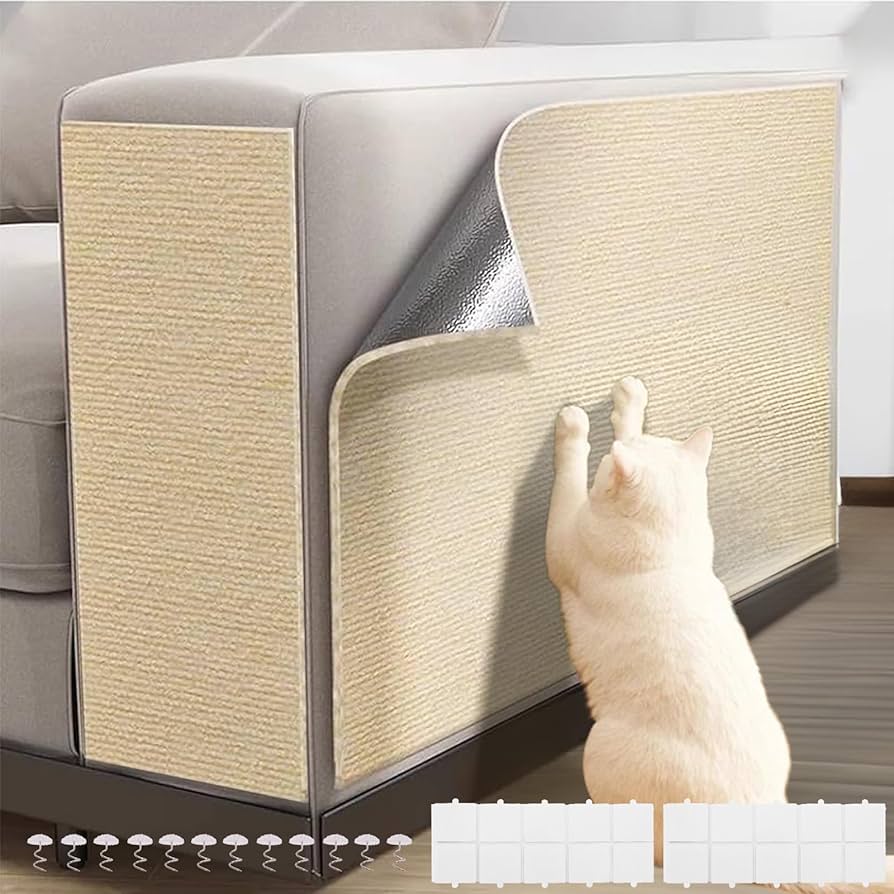
Are you tired of your favorite sofa or wooden table looking worn out because of your cat’s scratching? You’re not alone.
Cats naturally scratch to mark their territory and keep their claws healthy, but that doesn’t mean your furniture has to pay the price. Imagine a home where your cat stays happy and your furniture stays intact. You’ll discover simple and effective ways to stop your cat from scratching your furniture—without stress for you or your furry friend.
Keep reading to protect your home and keep your cat content.

Credit: www.youtube.com
Why Cats Scratch
Cats scratch for many natural reasons. Scratching is a normal and healthy behavior for them.
Understanding why cats scratch helps you protect your furniture better.
Natural Instincts
Scratching is part of a cat’s natural instinct. It helps keep their claws sharp and healthy. Cats also use scratching to remove the outer layer of their claws.
Marking Territory
Cats have scent glands in their paws. When they scratch, they leave their scent behind. This marks their territory and tells other animals to stay away.
- Scent marking helps cats feel safe in their space.
- Scratching spots show other cats who owns the area.
- Marking also helps reduce stress for cats.
Exercise And Stretching
Scratching gives cats a good stretch. It helps them exercise their paws, legs, and back. This keeps their muscles strong and flexible.
| Benefit | Description |
| Stretching | Keeps muscles flexible and healthy |
| Exercise | Strengthens paws and leg muscles |
| Stress Relief | Helps cats feel relaxed and calm |
Identifying Problem Areas
Cats scratch furniture to mark their territory and keep their claws sharp. Finding where they scratch helps stop the damage.
Look closely around your home to spot the places your cat likes to scratch most. This lets you protect those spots better.
Common Furniture Targets
Cats often choose certain furniture pieces to scratch. These items usually have textures cats enjoy, like fabric or wood.
Chairs, sofas, and wooden tables are common targets. Curtains and carpets can also be frequent scratching spots.
- Sofas and armchairs with fabric covers
- Wooden legs of tables and chairs
- Carpeted areas near doors or windows
- Window curtains and drapes
- Door frames and baseboards
Behavior Patterns
Cats scratch more when they feel stressed or bored. They also scratch to stretch their muscles and mark their space.
Scratching often happens after naps, before playtime, or when a new pet or person is in the house.
- Scratching helps cats relieve stress
- They use claws to mark territory
- Scratching stretches their muscles
- They scratch more after sleeping
- Changes in the home can increase scratching
Providing Alternatives
Cats scratch to keep their claws sharp and mark their territory. Giving them proper alternatives helps protect your furniture. You can guide your cat to scratch on suitable items instead.
Providing alternatives is important to satisfy your cat’s natural behavior. It also keeps your home safe from damage.
Choosing The Right Scratching Posts
Pick scratching posts made of materials cats like to scratch. Sisal rope and cardboard are good choices. Soft carpet can also work but may confuse cats about furniture.
Choose posts tall enough for your cat to stretch fully. Stability is key so the post won’t tip over during use.
- Use sisal-covered posts for durability
- Include vertical and horizontal scratching options
- Make sure posts are sturdy and do not wobble
- Consider the size of your cat when buying posts
Placement Tips
Place scratching posts in areas where your cat spends time. Near windows, sleeping spots, or next to favorite furniture works well. This encourages use.
Keep posts visible and easy to reach. Avoid hiding them in corners or behind doors. This helps your cat notice and use them often.
- Put posts close to where cats scratch now
- Move posts if your cat avoids them
- Use multiple posts in different rooms
- Place posts near resting or playing spots
Using Cat Trees And Pads
Cat trees combine scratching posts with climbing and resting areas. They give cats a fun place to play and scratch. This reduces furniture damage.
Scratching pads are flat and can be placed on the floor or furniture. They offer a different texture and may attract cats who like to scratch horizontally.
- Choose cat trees with multiple scratching surfaces
- Place cat trees near windows or favorite rooms
- Use scratching pads to protect specific furniture areas
- Try different textures to find what your cat prefers
Credit: www.ysdiecut.com
Deterring Scratching On Furniture
Cats scratch furniture to mark territory and keep their claws sharp. This behavior can damage your home. You can try several ways to protect your furniture.
Using covers, tape, and scents can help stop cats from scratching where they should not. These methods are safe and easy to apply.
Protective Covers And Sprays
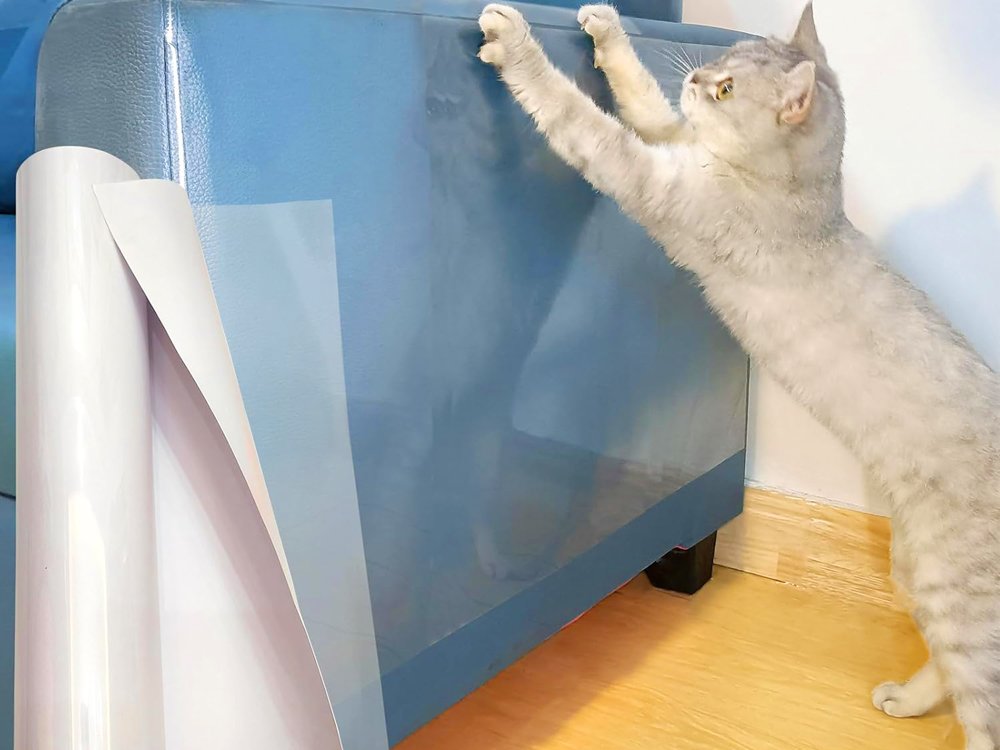
Protective covers can shield your furniture from cat claws. Plastic or vinyl covers are good choices. You can also use sprays designed to deter scratching. These sprays have smells cats do not like but are safe for them.
Double-sided Tape Tricks
Cats dislike sticky surfaces on their paws. Applying double-sided tape on furniture corners can stop them from scratching there. The tape feels unpleasant and makes cats avoid those spots.
- Cut tape into strips and stick on edges of sofas or chairs.
- Replace tape every few days for best effect.
- Use wide tape for larger surfaces.
- Remove tape gently to avoid furniture damage.
Scent Repellents
Cats have a strong sense of smell. Some scents keep them away from furniture. Citrus, lavender, and eucalyptus are common repellents. Use essential oils or commercial sprays safely around your pets.
| Scent | How to Use | Safety Tips |
| Citrus | Spray diluted juice or oil | Keep away from eyes and nose |
| Lavender | Place sachets near furniture | Use small amounts, avoid ingestion |
| Eucalyptus | Apply diluted oil on cloths | Do not apply directly on cats |
Training And Positive Reinforcement
Cats love to scratch, but furniture is not the best place. Teaching cats where to scratch is important. Using positive reinforcement can help with this.
Training cats involves patience and rewards. Cats respond well to positive reinforcement. Let’s explore how to guide this behavior.
Redirecting Behavior
Offer scratching posts to your cat. Place them near the furniture they scratch. Encourage your cat to use these instead.
Gently move your cat to the post when they scratch furniture. Praise them when they use the post.
- Provide multiple scratching posts
- Choose posts with different textures
- Place posts in favorite spots
Reward Systems
Rewards help cats learn new habits. Use treats to encourage good scratching behavior. Reward immediately after they use the post.
Consistency is key with rewards. Make sure to praise and treat every time they use the post.
- Use small treats for rewards
- Keep treats near scratching posts
- Praise with a soft voice
Consistent Commands
Use simple commands to guide your cat. Words like “no” or “scratch here” can be helpful. Always use the same words.
Be patient with your cat. Consistent commands help them understand. Repeat them often during training.
- Use clear and simple words
- Repeat commands calmly
- Stay patient and consistent
Maintaining Cat Claws
Cats love to scratch furniture. It helps them keep their claws healthy. It can damage your furniture, though. There are ways to stop this.
Maintaining your cat’s claws is important. Regular care can save your furniture.
Regular Trimming
Trimming your cat’s claws helps a lot. It stops them from scratching too deeply.
You can use a cat claw trimmer. Be gentle and make it a routine.
- Trim claws every few weeks
- Use a calm voice to soothe your cat
- Start trimming when they are young
Soft Nail Caps
Soft nail caps are a great option. They cover the claws and prevent damage.
You can find them in pet stores. They come in different sizes and colors.
- Glue the caps to the claws
- Replace them every few weeks
- Ensure your cat is comfortable with them
When To Consult A Vet Or Behaviorist
Sometimes cats scratch furniture because they feel stressed or anxious. Other times, scratching becomes a serious problem. Knowing when to get help can protect your cat and your home.
Vets and animal behaviorists can find the cause of the problem. They also suggest ways to stop the behavior safely and kindly.
Signs Of Stress Or Anxiety
Cats often show stress in different ways. Scratching may be one sign. You might see your cat:
- Hiding more than usual
- Meowing loudly or often
- Not eating or grooming
- Showing aggression or fear
- Scratching excessively on furniture
If you notice these signs along with scratching, it is good to talk to a vet or behaviorist. They can check if your cat has anxiety or health problems.
Persistent Scratching Issues
Scratching is natural for cats. But if your cat scratches furniture all the time, it can cause damage and stress for both of you.
| Reason | Possible Action |
| Scratching to mark territory | Use pheromone sprays, provide scratching posts |
| Health issues like skin problems | Visit a vet for diagnosis and treatment |
| Boredom or lack of stimulation | Add toys and playtime |
| Stress from changes in home | Consult behaviorist for calming techniques |
If scratching keeps happening despite your efforts, get professional advice. Early help can prevent bigger problems.

Credit: www.amazon.com
Frequently Asked Questions
How Can I Stop My Cat From Scratching Furniture?
Provide scratching posts near furniture. Use catnip or toys to attract cats to posts. Trim your cat’s nails regularly. Use deterrent sprays on furniture to discourage scratching.
Why Do Cats Scratch Furniture?
Cats scratch to mark territory, stretch muscles, and sharpen claws. It’s a natural behavior to keep their claws healthy and express emotions.
What Types Of Scratching Posts Work Best?
Sturdy posts covered in sisal or carpet work best. Vertical or horizontal posts suit different cats. Ensure posts are tall enough for full-body stretch.
Are Deterrent Sprays Effective Against Scratching?
Yes, deterrent sprays with safe ingredients discourage cats from scratching furniture. Apply regularly and combine with positive reinforcement for best results.
Conclusion
Preventing cats from scratching furniture takes patience and care. Provide your cat with good scratching posts nearby. Use soft covers or sprays to protect your furniture. Reward your cat when they use their scratching posts. Keep their claws trimmed and healthy.
These simple steps help keep your home safe and your cat happy. Small changes make a big difference over time. Give your cat love and attention to reduce unwanted scratching. A calm cat means less damage and more peace.

Lily Purrington is the founder of MyKittyPicks.com, a cozy corner of the web dedicated to helping cat lovers discover the best cat products, furniture, toys, and home decor ideas.
A lifelong cat enthusiast, Lily shares trusted tips, honest product recommendations, and stylish inspiration designed to keep kitties happy and homes beautiful.
Her mission is simple: to bring together practical advice and purr-fect picks that make life better for cats and the people who love them.


