

Are you tired of your cat suddenly biting you out of nowhere? It can be frustrating and even painful when your furry friend turns from cuddly to scratchy in a flash.
But don’t worry—understanding why your cat bites and learning how to stop it can make your relationship much happier. You’ll discover simple, effective ways to prevent your cat from biting, so you can enjoy more calm and loving moments together.
Keep reading, because the solution is easier than you think!

Credit: www.amazon.ca
Reasons Cats Bite
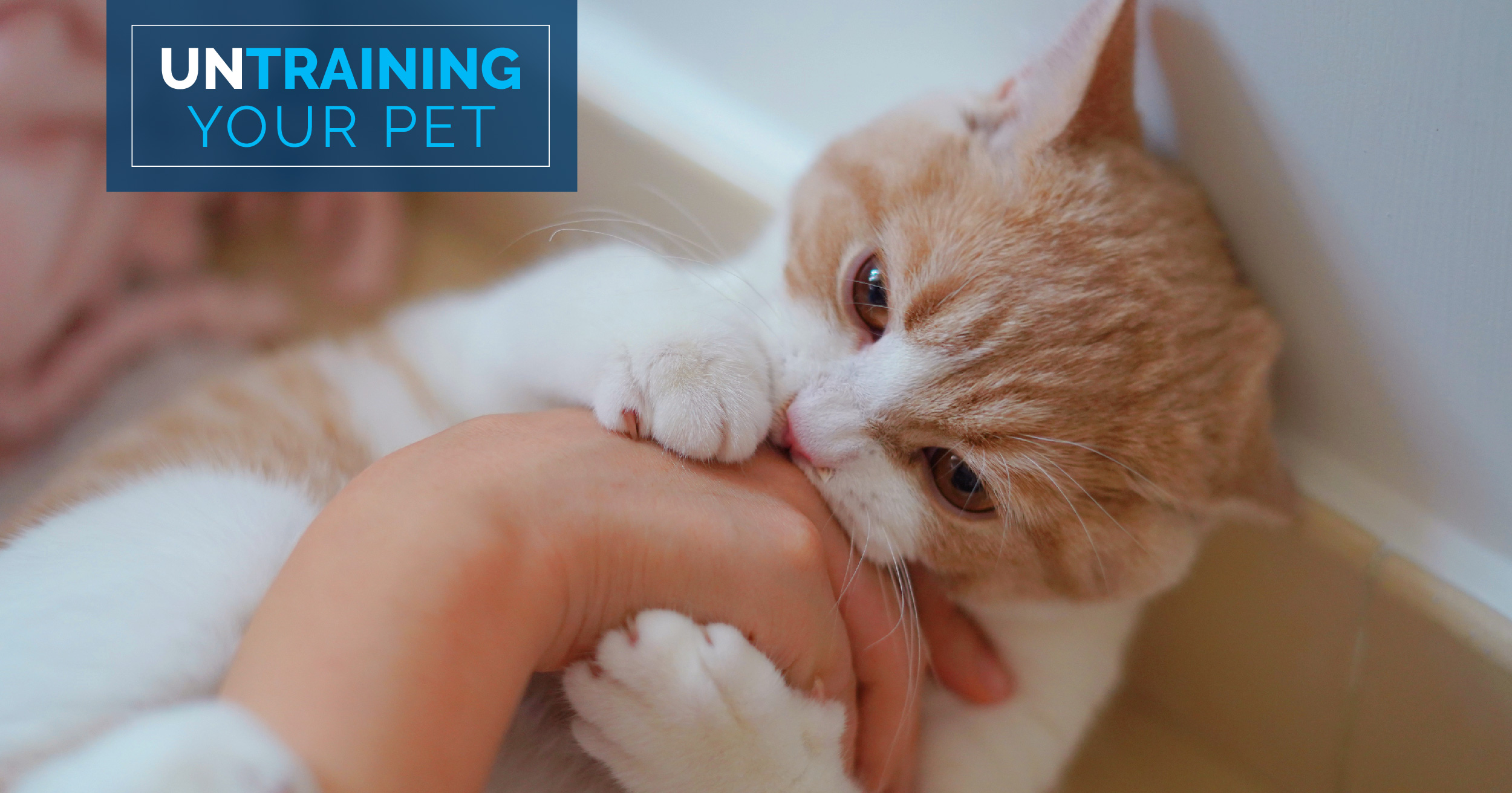
Cats bite for different reasons. Understanding why helps you prevent bites.
This guide explains common causes of biting in cats and what to watch for.
Play Aggression
Young cats often bite during play. They use their teeth and claws to explore.
- Play biting shows excitement or hunting instinct.
- Cats may bite if play is too rough.
- They learn limits by playing with other cats.
- Stopping play suddenly can cause biting out of surprise.
Fear And Stress
Cats bite when scared or stressed. This is a defense response.
Common stress triggers include loud noises, new people, or changes at home.
| Stress Cause | Why It Triggers Biting |
| Loud Noises | Startle cat and make it feel unsafe |
| Strangers | Cat may feel threatened or unsure |
| New Environment | Causes anxiety and need to protect itself |
Overstimulation
Cats get overstimulated during petting or play. This can cause sudden biting.
Signs of overstimulation include tail flicking, ear twitching, and restlessness.
- Limit petting sessions to short times
- Watch for signs of discomfort
- Give your cat space to move away
Medical Issues
Pain or illness can make cats bite. This is their way to protect sore areas.
If a calm cat suddenly bites often, check for health problems with a vet.

Credit: www.amazon.ca
Recognizing Warning Signs
Cats show signs before they bite. Watching these signs helps you avoid bites.
Understanding your cat’s signals improves your bond. It keeps both of you safe.
Body Language Cues
Body language shows how your cat feels. Look for stiff tails or flattened ears.
- Swishing or flicking tail fast
- Flattened ears against the head
- Dilated pupils
- Hunched body posture
- Quick, jerky movements
Vocal Signals
Cats use sounds to warn you. Growling or hissing means they feel threatened.
- Low growls or grumbles
- Hissing sounds
- Sharp yowls or screams
- Rapid meowing with an angry tone
- Sudden silence after noise
Behavior Changes
Changes in behavior may warn of biting. Watch for sudden mood shifts or hiding.
| Behavior | What It Means |
| Sudden hiding | Stress or fear |
| Swatting at hands | Annoyance or warning |
| Refusing petting | Overstimulated |
| Excessive grooming | Anxiety |
| Restlessness | Discomfort or pain |
Safe Handling Techniques
Handling cats carefully helps stop biting behavior. Cats feel safe when you respect their limits. Knowing how to pet and avoid triggers keeps your cat calm.
This guide shows ways to handle your cat gently. Follow these tips to build trust and avoid bites.
Respecting Personal Space
Cats need their space to feel safe. Watch your cat’s body language to know when to back off. Avoid forcing contact if your cat moves away or hides.
- Let your cat come to you first
- Do not chase or corner your cat
- Give your cat quiet places to retreat
- Watch for signs like tail flicking or ears back
Proper Petting Methods
Pet your cat in ways it enjoys. Most cats like gentle strokes on the head, cheeks, and under the chin. Avoid touching the belly or tail unless your cat likes it.
| Petting Area | Cat’s Reaction | Tip |
| Head | Usually positive | Use soft strokes |
| Cheeks | Usually positive | Stroke gently |
| Under Chin | Often positive | Watch cat’s response |
| Belly | Usually negative | Only pet if cat allows |
| Tail | Often negative | Avoid unless trusted |
Avoiding Triggers
Know what upsets your cat. Loud noises, sudden moves, or rough play can cause biting. Keep your hands away from the cat’s mouth during play.
- Use toys instead of hands for play
- Speak softly and move slowly around your cat
- Stop interaction if your cat shows stress signs
- Give your cat breaks from stimulation
Redirecting Aggression
Cats may bite due to stress or fear. Redirecting this aggression helps keep both you and your cat safe.
Using the right approach can calm your cat and reduce biting incidents.
Using Toys For Play
Toys are a great way to redirect your cat’s biting urges. They provide a safe outlet for energy.
- Use wand toys to keep your hands away from sharp claws.
- Provide balls or small toys to chase and bite.
- Rotate toys to keep your cat interested.
- Offer stuffed toys for your cat to bite and kick.
Providing Mental Stimulation
Mental challenges reduce boredom and lower aggression. A busy cat is less likely to bite.
| Activity | Description |
| Puzzle Feeders | Make cats work for their food, keeping them engaged. |
| Training Sessions | Teach simple commands to improve focus and behavior. |
| Interactive Toys | Automated toys that move to stimulate hunting instincts. |
| New Environments | Safe exploration areas to satisfy curiosity. |
Encouraging Positive Behavior
Reward calm and gentle actions to teach your cat good habits. Avoid punishment as it can increase aggression.
Try this simple reward plan:
- Notice when your cat plays without biting.
- Give a treat or soft praise immediately.
- Use a calm voice to reinforce good behavior.
- Ignore biting by stopping play and walking away.
Creating A Calm Environment
Preventing your cat from biting starts with a calm environment. Cats are sensitive and need a peaceful space to feel safe and relaxed.
Creating a calm space can reduce your cat’s stress and improve their behavior. A serene environment helps in minimizing biting incidents.
Establishing Routine
Cats thrive on routine. Having a daily schedule helps them feel secure. Regular feeding and playtime are important.
Keep a consistent routine for meals and activities. This predictability helps reduce anxiety and unwanted biting.
- Feed your cat at the same times each day
- Set regular playtime sessions
- Maintain a consistent sleeping area
Safe Spaces For Cats
Cats need a safe space where they can retreat and relax. This space should be quiet and free from disturbances.
Provide a cozy bed or a quiet corner for your cat. This helps them feel secure and reduces stress-induced biting.
- Create a quiet corner with soft bedding
- Ensure the space is away from loud noises
- Keep the area clean and comfortable
Reducing Stress Factors
Identify and reduce stress factors in your cat’s environment. Loud noises and sudden changes can cause anxiety.
Minimize disruptions and maintain a peaceful home. This helps in preventing stress-related behaviors like biting.
- Limit exposure to loud sounds
- Avoid abrupt changes in the home
- Provide toys to keep your cat engaged
Credit: www.diamondpet.com
Training Tips To Stop Biting
Cats sometimes bite because they want attention or feel scared. Training can help stop this behavior.
Use gentle and clear methods to teach your cat not to bite. Patience is important during training.
Positive Reinforcement
Reward your cat when it behaves well. This helps your cat learn what is good behavior.
Use treats, petting, or soft words to encourage your cat. Give rewards right after good actions.
- Offer a small treat after gentle play
- Give praise when your cat stops biting
- Ignore bad behavior and reward calmness
Consistency In Responses
Always respond the same way to biting. This helps your cat understand what is wrong.
If you allow biting sometimes, your cat will get confused. Everyone in the home should react the same.
- Say “no” firmly when your cat bites
- Stop playing immediately after a bite
- Do not yell or hit your cat
Time-out Strategies
If your cat bites, give it a short time-out. This teaches that biting ends fun and attention.
Place your cat in a quiet room or separate space for a few minutes. Keep calm and be patient.
- Use a calm voice to say “no”
- Gently remove your cat from play
- Leave the cat alone for 2 to 5 minutes
- After time-out, resume play calmly
When To Seek Professional Help
Cats may bite for different reasons. Understanding when to seek professional help is important. This will ensure your cat’s well-being.
If your cat’s biting becomes frequent or aggressive, it might be time for expert advice. Let’s explore some options.
Behavioral Specialists
Behavioral specialists can identify why your cat is biting. They offer strategies to manage and reduce biting.
- Consult a certified animal behaviorist.
- Get personalized advice for your cat.
- Follow a tailored behavior modification plan.
Veterinary Checkups
A vet checkup can reveal health issues causing biting. Pain or discomfort might make a cat bite more often.
Medication Options
In some cases, medication can help. It should only be used if prescribed by a vet.
| Medication | Purpose |
| Anti-anxiety pills | Reduce stress |
| Pain relief | Alleviate discomfort |
| Behavioral meds | Correct behavior |
Frequently Asked Questions
Why Does My Cat Suddenly Start Biting?
Cats bite due to fear, overstimulation, or play aggression. Understanding their body language helps prevent bites. Avoid rough play and give your cat space when needed.
How Can I Train My Cat Not To Bite?
Use positive reinforcement and gentle redirection. Reward calm behavior with treats and toys. Never punish, as it increases fear and aggression.
What Are The Signs A Cat Is About To Bite?
Look for flattened ears, twitching tail, and dilated pupils. These signals indicate stress or irritation. Stop interaction immediately to prevent biting.
Can Toys Help Reduce Cat Biting Behavior?
Yes, toys redirect biting instincts safely. Interactive toys keep cats engaged and satisfied. Regular play sessions decrease aggressive biting toward humans.
Conclusion
Preventing your cat from biting takes patience and care. Observe your cat’s behavior to understand triggers. Use gentle play to avoid roughness. Reward calm actions with treats and praise. Give your cat space when it feels stressed. Consistency helps your cat learn good habits.
Remember, biting is a natural way cats communicate. Respect your cat’s signals to build trust. With time, your cat will bite less often. Enjoy a happier, safer bond with your pet.

Lily Purrington is the founder of MyKittyPicks.com, a cozy corner of the web dedicated to helping cat lovers discover the best cat products, furniture, toys, and home decor ideas.
A lifelong cat enthusiast, Lily shares trusted tips, honest product recommendations, and stylish inspiration designed to keep kitties happy and homes beautiful.
Her mission is simple: to bring together practical advice and purr-fect picks that make life better for cats and the people who love them.


