

Have you ever wondered what could happen if a cat bites you? It might seem like a small scratch, but cat bites can lead to serious health problems you might not expect.
Understanding the diseases a cat bite can cause is important to keep you and your loved ones safe. You’ll discover the hidden risks behind those sharp little teeth and learn how to protect yourself before a simple bite turns into a bigger problem.
Keep reading—you don’t want to miss this crucial information.

Credit: www.goodrx.com
Common Infections From Cat Bites
Cat bites can cause infections that need quick attention. The bacteria in a cat’s mouth can enter the skin through a bite.
Knowing the types of infections helps to treat the bite properly. Some infections can become serious if ignored.
Bacterial Infections
Bacterial infections are common after cat bites. The most common bacteria is Pasteurella multocida. It causes redness, swelling, and pain at the bite site.
- Symptoms include warmth and pus at the wound.
- Infections can spread to joints and bones.
- Antibiotics are needed to stop the infection.
Cat Scratch Disease
Cat scratch disease happens when bacteria from a cat’s scratch or bite enters the skin. It causes swollen lymph nodes and fever.
| Symptom | Description |
| Swollen Lymph Nodes | Usually near the bite or scratch |
| Fever | Low to moderate fever |
| Fatigue | Feeling tired or weak |
| Skin Lesion | Red bump or blister at the bite site |
Tetanus Risk
Tetanus bacteria can enter through deep cat bite wounds. It affects the nervous system and causes muscle stiffness.
Tetanus symptoms include:
- Jaw cramping
- Muscle spasms
- Difficulty swallowing
- Fever and sweating
Getting a tetanus shot after a cat bite is important if your vaccine is not up to date.
Credit: www.mdpi.com
Serious Illnesses Linked To Cat Bites
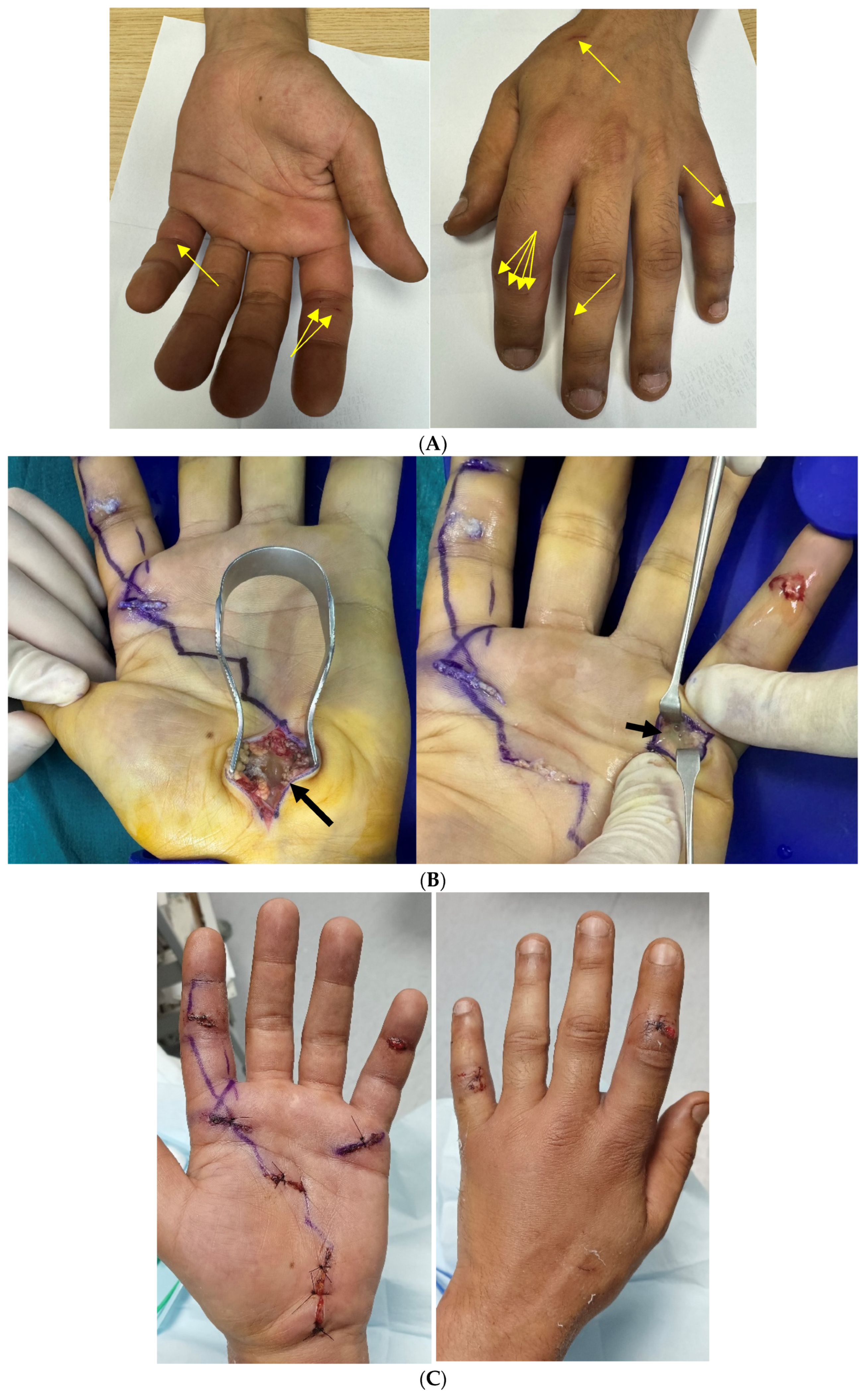
Cat bites can cause more than just pain and swelling. They can lead to serious infections and illnesses. It is important to know the risks and symptoms to get help quickly.
This guide explains three main illnesses that can result from a cat bite. Knowing about these can help you stay safe and healthy.
Pasteurella Multocida
Pasteurella multocida is a common bacteria found in cats’ mouths. It can cause infection if it enters the skin through a bite.
Symptoms include redness, swelling, pain, and pus. The infection can spread quickly and cause fever or chills.
- Rapid swelling around the bite
- Redness and warmth
- Pus or discharge
- Fever and chills
Sepsis And Bloodstream Infections
If the infection from a cat bite is not treated, it can enter the bloodstream. This can lead to sepsis, a life-threatening condition.
Sepsis causes body-wide inflammation and can damage organs. It needs fast medical treatment to prevent serious problems.
- High fever
- Rapid heartbeat
- Confusion or dizziness
- Shortness of breath
Rabies Transmission
Rabies is a deadly virus that cats can carry and spread through bites. It affects the brain and nervous system.
Rabies symptoms start with weakness and fever. It can progress to confusion, paralysis, and death if untreated.
- Pain or tingling at the bite
- Fever and headache
- Difficulty swallowing
- Muscle weakness or paralysis
Symptoms To Watch After A Cat Bite
Cat bites can cause infections that may be serious. It is important to watch for signs of illness after a bite.
Knowing the symptoms helps you get treatment early. This can prevent complications and keep you healthy.
Local Signs Of Infection
Infections often start where the cat bit you. Look for redness, swelling, or pain around the bite.
The area may feel warm and can develop pus or drainage. These signs show that bacteria are growing in the wound.
- Redness around the bite
- Swelling and tenderness
- Warmth near the wound
- Pus or fluid leaking
- Increasing pain
Systemic Symptoms
Sometimes the infection spreads and causes symptoms in the whole body. These symptoms mean the infection is serious.
Watch for fever, chills, or feeling very tired. These signs show your body is fighting a strong infection.
- Fever over 100.4°F (38°C)
- Chills or shivering
- Fatigue and weakness
- Headache or muscle pain
- Swollen lymph nodes near the bite
When To Seek Medical Help
Get medical care right away if you see signs of infection or feel very sick. Early treatment can stop the infection.
Call a doctor if the bite looks worse or you have fever or chills. Also seek help if you have trouble moving the bitten area.
- Redness spreading beyond the bite
- High fever or chills
- Severe pain or swelling
- Difficulty moving the bitten limb
- Signs of pus or bad smell from the wound
Credit: www.petmd.com
Preventing Infections From Cat Bites
Cat bites can cause serious infections. Bacteria from the cat’s mouth can enter the skin.
It is important to act quickly to stop infections. Knowing how to care for a cat bite helps keep you safe.
Immediate First Aid
Wash the bite area with soap and water right away. This helps remove bacteria from the skin.
Apply gentle pressure to stop any bleeding. Avoid squeezing the wound too hard to prevent damage.
- Clean the wound for at least 5 minutes
- Use clean, running water
- Do not use harsh chemicals like bleach
Proper Wound Care
Keep the wound covered with a clean bandage. Change the bandage daily or if it gets wet or dirty.
Watch for signs of infection. These include redness, swelling, pain, or pus around the bite.
- Keep the bite dry and clean
- Elevate the wounded area if possible
- Do not pick at scabs or open wounds
Vaccination And Antibiotics
See a doctor if the bite is deep or shows infection signs. You may need antibiotics to fight bacteria.
Make sure your tetanus shots are up to date. Cats can carry germs that cause serious illness.
- Doctor may prescribe antibiotics
- Tetanus vaccine helps prevent disease
- Rabies shots may be needed in some cases
Risk Factors Increasing Complications
Cat bites can cause infections and health problems. Some factors raise the chance of serious complications after a bite.
Knowing these risk factors helps in getting the right care quickly. This lowers the chance of severe illness.
Immune System Issues
People with weak immune systems get infections easier from cat bites. Their bodies cannot fight germs well.
Conditions like cancer, HIV, or medications that lower immunity make bites more dangerous.
- Weakened defense against bacteria
- Longer healing time
- Higher risk of spreading infection
Diabetes And Chronic Conditions
Diabetes slows down healing and increases infection risk from cat bites. High blood sugar harms blood flow.
Other chronic illnesses like heart or kidney disease also raise complications after a bite.
- Reduced blood circulation
- Slower wound recovery
- Increased chance of serious infection
Delayed Treatment Consequences
Waiting too long to treat a cat bite can cause infections to grow. Early care stops germs from spreading.
Ignoring symptoms like redness or swelling can lead to severe illness and longer recovery.
- Higher risk of abscesses and cellulitis
- Possible spread to blood or bones
- Need for stronger antibiotics or surgery
Medical Treatments For Cat Bite Infections
Cat bites can lead to serious infections. It’s important to treat them quickly and properly. Medical care is often needed to prevent complications.
Doctors use different methods to treat infections from cat bites. The right treatment depends on the severity and type of infection.
Antibiotic Options
Antibiotics are the first line of defense against infections. They help to kill bacteria and stop the infection from spreading. A healthcare provider will choose the best antibiotic based on the type of bacteria.
- Amoxicillin and clavulanate
- Doxycycline
- Cephalexin
Surgical Intervention
Sometimes, surgery is needed to clean a deep wound. It helps remove infected tissue and drains pus. This process speeds up healing and prevents further infection.
Follow-up Care
Follow-up care is crucial to ensure proper healing. It involves checking the wound and making sure the infection is under control.
| Follow-up Step | Description |
| Wound Check | Inspect for signs of healing or infection |
| Medication Review | Ensure antibiotics are effective |
| Doctor Consultation | Discuss any concerns or complications |
Frequently Asked Questions
What Infections Can A Cat Bite Cause?
A cat bite can cause bacterial infections like Pasteurella, Staphylococcus, and Streptococcus. These bacteria can lead to redness, swelling, and pain. Prompt cleaning and medical care are essential to prevent complications.
Can Cat Bites Transmit Serious Diseases?
Yes, cat bites can transmit serious diseases, including cat scratch disease (Bartonella henselae) and tetanus. These infections may cause fever, swollen lymph nodes, and fatigue, requiring medical treatment.
How To Prevent Infections From Cat Bites?
Clean the wound immediately with soap and water. Apply antiseptic and cover it with a sterile bandage. Seek medical advice for deep or infected bites to reduce infection risk.
When Should I See A Doctor After A Cat Bite?
See a doctor if the bite is deep, bleeding heavily, or shows signs of infection. Symptoms like redness, warmth, swelling, or pus need urgent medical evaluation.
Conclusion
Cat bites can cause serious infections if not treated quickly. Common diseases include bacterial infections and rabies. Always clean the wound and watch for redness or swelling. Visit a doctor if you notice pain or fever. Early care helps prevent complications.
Stay safe by handling cats gently and knowing bite risks. Protect yourself and your pet by acting fast. Remember, quick attention makes a big difference.

Lily Purrington is the founder of MyKittyPicks.com, a cozy corner of the web dedicated to helping cat lovers discover the best cat products, furniture, toys, and home decor ideas.
A lifelong cat enthusiast, Lily shares trusted tips, honest product recommendations, and stylish inspiration designed to keep kitties happy and homes beautiful.
Her mission is simple: to bring together practical advice and purr-fect picks that make life better for cats and the people who love them.


