
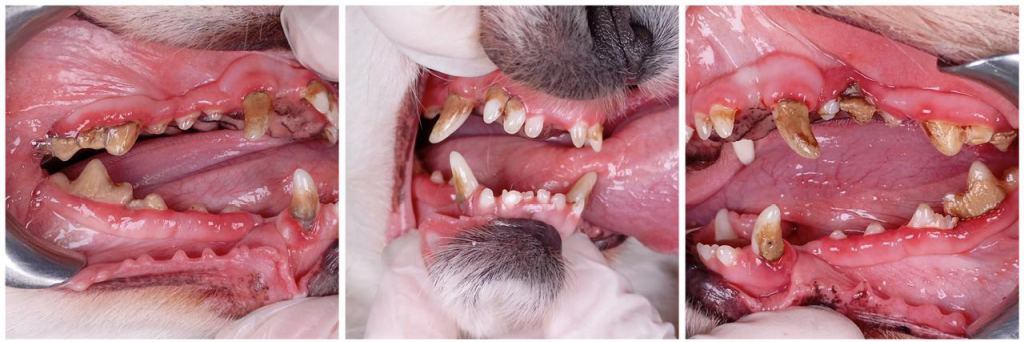
Have you ever noticed your dog or cat having bad breath or difficulty chewing? These could be signs of a hidden problem that many pet owners overlook—periodontal disease.
This common condition affects more pets than you might think and can lead to serious health issues if left untreated. Understanding why periodontal disease is so widespread in dogs and cats can help you protect your furry friend’s smile and overall well-being.
Keep reading to discover the surprising reasons behind this problem and what you can do to keep your pet’s mouth healthy and pain-free.
Causes Of Periodontal Disease
Periodontal disease is common in dogs and cats. It affects their gums and teeth. The disease starts with small problems that grow over time.
Understanding what causes periodontal disease helps pet owners take better care. Three main causes are bacterial plaque formation, tartar buildup, and immune response.
Bacterial Plaque Formation
Bacterial plaque is a sticky film that forms on teeth. It contains many bacteria that grow fast. Food particles and saliva help plaque build up.
If plaque is not cleaned, it harms the gums. The bacteria cause inflammation and infection. This is the first step of periodontal disease.
Tartar Buildup
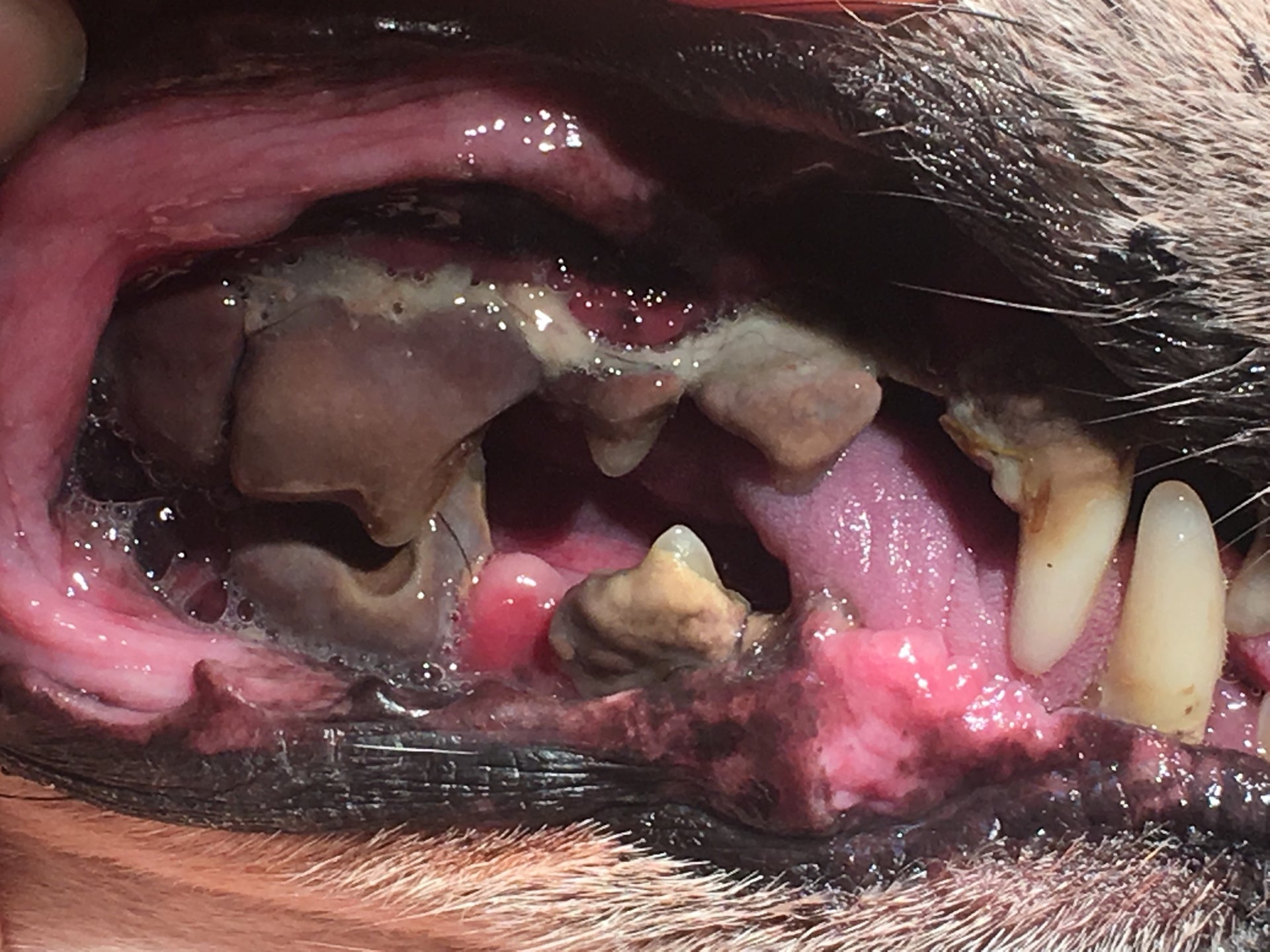
Tartar forms when plaque hardens on the teeth. It is a rough, yellow or brown layer. Tartar is hard to remove without dental cleaning.
Tartar keeps more bacteria close to the gums. This makes inflammation worse. It can cause gums to pull away from teeth, creating pockets.
- Plaque turns into tartar if not brushed away
- Tartar traps bacteria near the gum line
- Tartar makes teeth look dirty and unhealthy
Immune Response
The pet’s immune system tries to fight the bacteria in plaque and tartar. This causes the gums to become red and swollen. The immune response can damage gum tissue.
Chronic immune response leads to loss of bone around teeth. This weakens the teeth and can cause them to fall out. The immune system’s reaction is a key part of the disease.
Credit: drjudymorgan.com
Risk Factors In Pets
Periodontal disease is a common problem in dogs and cats. It affects the gums and teeth and can cause pain and infection.
Several risk factors make pets more likely to get this disease. Knowing these helps owners take better care of their pets.
Breed Susceptibility
Some breeds have a higher risk of periodontal disease. Small dog breeds often have crowded teeth. This makes it easier for plaque to build up.
Cats with flat faces also face more dental problems. Their teeth can be misaligned, which traps food and bacteria.
- Small dog breeds like Dachshunds and Chihuahuas
- Flat-faced cats like Persians and Himalayans
- Breeds with crowded or misaligned teeth
Age And Dental Health
Older pets are more likely to have periodontal disease. Over time, plaque hardens into tartar. This causes gum inflammation and tooth loss.
Young pets can also get dental issues if their teeth are not cleaned regularly. Healthy teeth need regular care at any age.
- Plaque builds up faster as pets age
- Older pets have weaker immune systems
- Regular dental care is important for all ages
Diet And Chewing Habits
What pets eat affects their dental health. Soft food can stick to teeth and cause plaque. Hard food helps scrape teeth clean.
Pets that chew toys or bones often have better dental health. Chewing helps remove plaque and keeps gums strong.
- Soft diets increase plaque build-up
- Hard food helps reduce tartar
- Chewing toys and bones support gum health
Symptoms To Watch For
Periodontal disease is very common in dogs and cats. It happens when bacteria build up around the teeth and gums.
Knowing the symptoms can help you catch this problem early. Early care can protect your pet’s health.
Bad Breath
One of the first signs of periodontal disease is bad breath. It smells worse than normal pet breath.
This smell happens because bacteria grow in the mouth. The bacteria release odors that cause bad breath.
- Smelly breath that does not go away
- Foul odor noticed when pet opens mouth
- Bad breath even after teeth cleaning
Red And Swollen Gums
Healthy gums are usually pink and firm. Red or swollen gums show infection or irritation.
The gums may bleed easily when touched or during chewing. This is a clear sign of gum disease.
- Gums look bright red instead of pale pink
- Gums feel puffy or tender
- Bleeding spots on gums or around teeth
Tooth Loss
Periodontal disease can weaken the teeth. Teeth may become loose and fall out.
Lost teeth make it hard for pets to eat and can cause pain. Tooth loss means the disease is advanced.
- Teeth wobble or feel loose
- Missing teeth that were once there
- Pet avoids hard food due to mouth pain
Prevention And Care
Periodontal disease is common in dogs and cats. It affects their gums and teeth. Good care helps keep their mouths healthy.
Early prevention stops pain and tooth loss. Owners should follow simple steps to protect their pets’ dental health.
Regular Dental Checkups
Regular checkups allow vets to find dental problems early. They check for signs of gum disease and tooth damage.
These visits help keep pets comfortable and pain-free. Vets can give advice on care and treatment if needed.
Home Dental Hygiene
Daily home care helps stop plaque buildup. Brushing your pet’s teeth removes food and bacteria.
Use pet-friendly toothpaste and soft toothbrushes. Start slowly and be gentle to make pets comfortable.
- Brush teeth daily or at least several times a week
- Offer dental chews made for dogs or cats
- Provide toys that help clean teeth
- Feed dental health diets if recommended
Professional Cleaning
Professional cleaning removes tartar that brushing cannot. It helps prevent serious gum infections and tooth loss.
Vets perform cleanings under anesthesia to clean deep below the gumline. This keeps pets safe and pain-free during the process.
Impact On Overall Health
Periodontal disease is common in dogs and cats. It affects more than just their teeth and gums. This disease can harm their whole body.
Understanding the effects of periodontal disease helps pet owners keep their pets healthy. The disease can cause serious health problems beyond the mouth.
Systemic Infections
Bacteria from the mouth can enter the bloodstream. This spreads infection to other parts of the body. Pets can develop serious illnesses from these infections.
Systemic infections may cause fever and weakness. They can also make pets less active and less hungry.
- Heart infections
- Liver infections
- Kidney infections
Organ Damage
Periodontal disease can damage important organs. The bacteria and inflammation harm the heart, liver, and kidneys. This damage can lower pet’s quality of life.
Organ damage from dental disease is often silent. Pets may not show signs until the damage is severe.
- Heart valves can become inflamed and weak
- Liver function can decrease due to infection
- Kidneys may fail from ongoing damage
Behavioral Changes
Pain from periodontal disease changes how pets behave. They may stop eating or grooming. Pets can become irritable or withdrawn.
Behavioral changes can signal dental pain. Owners should watch for signs and seek veterinary care quickly.
- Loss of appetite
- Difficulty chewing or dropping food
- Avoiding touch near the mouth
- Less playfulness or energy
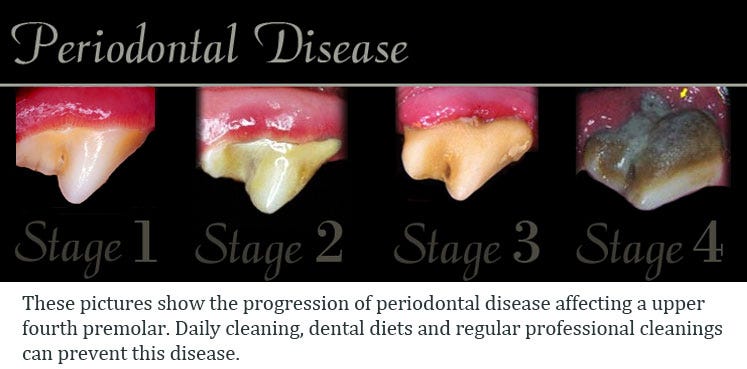
Credit: medium.com

Credit: www.4pawsanimal.com
Frequently Asked Questions
What Causes Periodontal Disease In Dogs And Cats?
Periodontal disease in pets is mainly caused by plaque buildup on teeth. This leads to inflammation and infection of gums. Poor dental hygiene and lack of regular cleaning increase risk. Age and breed also play a role in susceptibility.
How Common Is Periodontal Disease In Pets?
Periodontal disease affects over 80% of dogs and cats older than three years. It is one of the most frequent health issues in pets. Early detection and treatment are crucial to prevent serious complications.
What Are The Signs Of Periodontal Disease In Pets?
Common signs include bad breath, red or swollen gums, and difficulty eating. Pets may also show loose teeth or excessive drooling. Regular veterinary check-ups help identify symptoms early for timely care.
Can Periodontal Disease Affect Pet’s Overall Health?
Yes, untreated periodontal disease can lead to heart, kidney, and liver problems. Bacteria from infected gums can enter the bloodstream and cause systemic infections. Maintaining oral health is vital for your pet’s overall well-being.
Conclusion
Periodontal disease affects many dogs and cats due to bacteria buildup. Poor dental care and aging increase the risk. Pets may hide pain, making early signs hard to spot. Regular check-ups help catch problems early. Brushing your pet’s teeth keeps gums healthy.
Healthy teeth mean happier pets and fewer health issues. Pay attention to your pet’s mouth for signs of trouble. Small steps in dental care make a big difference. Keep your furry friends smiling bright and strong.

Lily Purrington is the founder of MyKittyPicks.com, a cozy corner of the web dedicated to helping cat lovers discover the best cat products, furniture, toys, and home decor ideas.
A lifelong cat enthusiast, Lily shares trusted tips, honest product recommendations, and stylish inspiration designed to keep kitties happy and homes beautiful.
Her mission is simple: to bring together practical advice and purr-fect picks that make life better for cats and the people who love them.


