
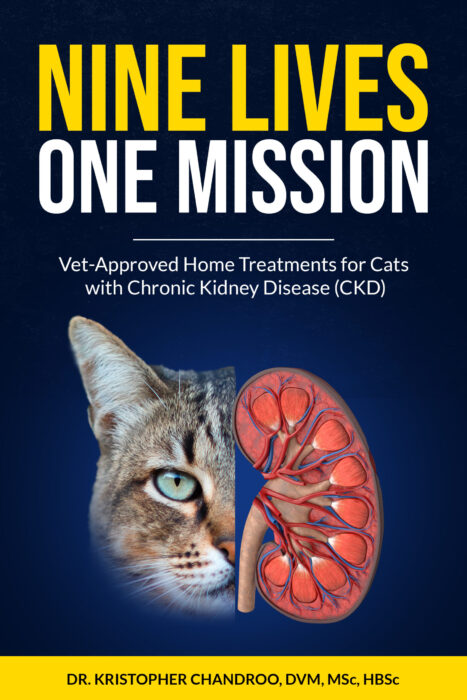
If your cat has been diagnosed with kidney disease, you’re probably feeling worried and unsure about what comes next. You want to do everything possible to help your furry friend live a happy, comfortable life.
The good news is, while kidney disease in cats can’t always be cured, there are ways you can manage it and improve your cat’s quality of life. You’ll discover what kidney disease really means for your cat, the treatments available, and practical steps you can take right now.
Keep reading—your cat’s health and happiness depend on the choices you make today.
Signs Of Kidney Disease In Cats
Kidney disease is common in cats, especially as they age. Early detection helps manage the condition better.
Knowing the signs of kidney disease can help you seek care for your cat sooner. Watch for changes in behavior and health.
Early Symptoms To Watch
Early symptoms of kidney disease in cats are often subtle. These signs may include changes in eating and drinking habits.
Some common early signs are:
- Increased thirst and urination
- Loss of appetite
- Weight loss
- Vomiting or nausea
- Lethargy or less energy
Progression Indicators
As kidney disease progresses, symptoms become more noticeable. The cat may show signs of discomfort and serious illness.
Look for these signs as the disease advances:
- Bad breath with a chemical smell
- Dehydration despite drinking water
- Weakness and difficulty walking
- Swelling in the limbs or abdomen
- Ulcers or sores in the mouth
Credit: www.goodrx.com
Causes Of Kidney Disease
Kidney disease in cats happens when their kidneys stop working well. It can be slow or sudden. Knowing the causes helps to prevent and manage the illness.
Several factors can lead to kidney damage. These include the cat’s health, environment, and inherited traits. Understanding these helps owners keep cats healthy.
Common Risk Factors
Some common risks increase the chance of kidney disease in cats. Age is one of the biggest risks. Older cats often have weaker kidneys.
- Older age raises risk
- Chronic infections can harm kidneys
- High blood pressure affects kidney function
- Exposure to toxins like certain plants or chemicals
- Dehydration over time stresses the kidneys
Genetic And Environmental Influences
Some cats inherit kidney problems from their parents. Certain breeds have higher risks. The environment also plays a role in kidney health.
| Factor | Effect on Kidneys |
| Breed Genetics | Some breeds get kidney disease more often |
| Diet Quality | Poor diet can strain kidneys |
| Water Access | Limited water leads to dehydration |
| Exposure to Toxins | Can cause kidney damage |
| Living Conditions | Stress and infections may increase risk |
Diagnosis Methods
Detecting kidney disease in cats early helps manage their health better. Vets use several tests to find out how well the kidneys work.
Understanding these tests helps pet owners know what is going on inside their cat’s body. This guide covers common veterinary tests and how results are read.
Veterinary Tests And Procedures
Vets use blood work, urine tests, and imaging to check for kidney problems. Each test shows different signs of kidney health or damage.
- Blood Tests: Measure waste products like creatinine and BUN.
- Urine Tests: Check urine concentration and protein levels.
- Ultrasound: Visualizes kidney size and structure.
- Blood Pressure: High pressure can worsen kidney disease.
Interpreting Results
Test results show how severe kidney disease is. Vets look at numbers and patterns to plan treatment.
| Test | Normal Range | Indicates |
| Creatinine | 0.6 – 2.4 mg/dL | Kidney filtering ability |
| BUN (Blood Urea Nitrogen) | 14 – 36 mg/dL | Waste buildup in blood |
| Urine Specific Gravity | 1.015 – 1.045 | Concentration of urine |
| Protein in Urine | Low to none | Kidney damage sign |
| Blood Pressure | 120 – 140 mmHg | Risk factor for kidney disease |
Dietary Changes
Changing your cat’s diet helps manage kidney disease. Feeding kidney-friendly foods supports their health.
Proper hydration also plays a big role in treating kidney problems in cats. Water intake affects kidney function.
Kidney-friendly Foods
Choose foods low in protein and phosphorus. These reduce kidney workload and slow disease progress.
- Wet food with reduced protein
- Low-phosphorus dry food
- Omega-3 fatty acids from fish oils
- Foods rich in antioxidants
- Limited sodium to control blood pressure
Hydration Importance
Water helps flush toxins from kidneys. Cats with kidney disease need more fluids to stay healthy.
| Hydration Tips | Details |
| Provide fresh water | Change water daily to keep it clean |
| Use water fountains | Encourage drinking with moving water |
| Feed wet food | Wet food adds moisture to diet |
| Add water to dry food | Mix water into kibble to increase intake |
Medications And Supplements
Kidney disease in cats can be managed with the right medications and supplements. These help slow the disease and improve your cat’s quality of life.
Your veterinarian will guide you on the best treatments. It is important to follow their advice closely.
Prescribed Treatments
Medications prescribed by vets target specific problems caused by kidney disease. They help control symptoms and protect kidney function.
- Phosphate Binders:These reduce phosphate levels in the blood to protect kidneys.
- Blood Pressure Medications:High blood pressure harms kidneys, so these keep it in check.
- Appetite Stimulants:These help cats eat more when they lose interest in food.
- Anti-nausea Drugs:Kidney disease often causes nausea; these medicines ease it.
- Potassium Supplements:Some cats need these if their potassium levels fall too low.
Natural Supplements
Natural supplements can support kidney health alongside prescribed treatments. Always check with your vet before starting any.
| Supplement | Benefit | Notes |
| Omega-3 Fatty Acids | Reduce inflammation and support kidney function | Found in fish oil; use vet-recommended doses |
| Antioxidants | Protect kidney cells from damage | Includes vitamins E and C |
| Probiotics | Help balance gut bacteria and reduce toxin buildup | Choose formulas for cats |
| Herbal Extracts | May support kidney health naturally | Only under vet supervision |
Home Care Tips
Caring for a cat with kidney disease requires attention and compassion. Simple changes at home can make a big difference in your cat’s health.
Understanding how to manage symptoms and provide comfort is key. Here are some tips to help you take care of your furry friend.
Managing Symptoms
Managing symptoms involves providing the right diet and ensuring proper hydration. Regular vet visits are crucial to monitor your cat’s condition.
- Provide fresh water at all times
- Feed a diet prescribed by your vet
- Monitor your cat’s weight regularly
Creating A Comfortable Environment
A comfortable environment helps your cat feel safe and relaxed. Ensure they have a cozy place to rest and access to their favorite spots.
Consider using soft bedding and keeping their litter box clean. You might also use a humidifier to maintain air moisture.
| Comfort Item | Benefit |
| Soft bedding | Improves sleep quality |
| Quiet space | Reduces stress |
| Clean litter box | Encourages regular use |
Monitoring And Follow-up
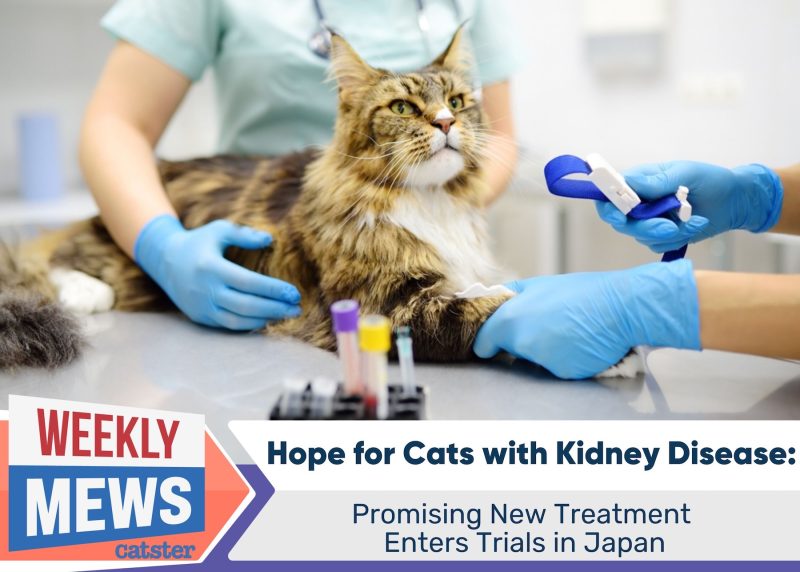
Managing kidney disease in cats requires careful monitoring. Regular vet visits and tracking progress help ensure effective treatment.
It is important to keep an eye on your cat’s health. This can prevent complications and improve their quality of life.
Regular Vet Visits
Regular check-ups with your vet are crucial. They help track the condition of your cat’s kidneys over time.
- Schedule vet visits every three to six months
- Discuss any changes in your cat’s behavior
- Ensure vaccinations are up to date
Tracking Progress
Monitoring your cat’s symptoms is vital. Keep a record of their eating, drinking, and urination habits.
| Symptom | Frequency |
| Increased Thirst | Daily |
| Weight Loss | Weekly |
| Lethargy | Occasional |
Use these records to inform your vet. This helps in adjusting treatment plans promptly.
Credit: www.catster.com
Preventive Measures
Kidney disease in cats is a serious health issue. Taking steps to prevent it helps keep your cat healthy. Early care and good habits can protect your cat’s kidneys.
Preventive measures include lifestyle changes and early detection. These focus on reducing risks and finding problems early. This helps slow down kidney damage or avoid it.
Lifestyle Adjustments
Changing your cat’s daily routine can support kidney health. Proper diet, hydration, and exercise keep kidneys working well. Avoiding toxins and stress also helps.
- Feed a balanced diet with low phosphorus and protein
- Provide fresh water at all times to prevent dehydration
- Encourage regular, gentle play for good circulation
- Keep your cat indoors to avoid harmful chemicals or plants
- Limit exposure to medicines that may harm the kidneys
Early Detection Strategies
Finding kidney disease early improves treatment success. Watch for signs and visit the vet often. Tests can detect kidney problems before symptoms appear.
| Sign | What to Watch For | Action |
| Increased thirst | Your cat drinks more water | Schedule a vet checkup |
| Frequent urination | More trips to the litter box | Keep a diary and inform vet |
| Weight loss | Cat looks thinner without reason | Request blood and urine tests |
| Reduced appetite | Eating less than usual | Monitor closely and consult vet |
| Lethargy | Less active or sleepy | Seek veterinary advice promptly |
Credit: www.mdpi.com
Frequently Asked Questions
What Are Common Signs Of Kidney Disease In Cats?
Common signs include increased thirst, frequent urination, weight loss, vomiting, and lethargy. Early detection improves treatment success and quality of life.
Can Kidney Disease In Cats Be Cured Completely?
Kidney disease in cats cannot be fully cured. Treatment focuses on slowing progression and managing symptoms to improve comfort and lifespan.
How Is Kidney Disease Diagnosed In Cats?
Diagnosis involves blood tests, urine analysis, and physical exams. These help assess kidney function and detect abnormalities early for prompt treatment.
What Treatments Help Manage Kidney Disease In Cats?
Treatments include special diets, fluid therapy, medications, and supplements. These support kidney function, control symptoms, and enhance overall well-being.
Conclusion
Treating kidney disease in cats takes patience and care. Early diagnosis helps slow the disease’s progress. Diet changes and medications support your cat’s health. Regular vet visits keep track of any changes. Many cats live comfortably with proper treatment. Remember, your attention makes a big difference.
Stay informed and act quickly if symptoms appear. Your cat depends on you for a better life.

Lily Purrington is the founder of MyKittyPicks.com, a cozy corner of the web dedicated to helping cat lovers discover the best cat products, furniture, toys, and home decor ideas.
A lifelong cat enthusiast, Lily shares trusted tips, honest product recommendations, and stylish inspiration designed to keep kitties happy and homes beautiful.
Her mission is simple: to bring together practical advice and purr-fect picks that make life better for cats and the people who love them.


