

Have you ever wondered if a dehydrated cat will still urinate? If your furry friend isn’t drinking enough water, you might worry about how their body is handling the lack of fluids.
Understanding how dehydration affects your cat’s bathroom habits is key to keeping them healthy and spotting problems early. You’ll discover what happens inside your cat’s body when they don’t get enough water, and why their urination patterns can tell you a lot about their well-being.
Keep reading to learn how to protect your cat and ensure they stay happy and hydrated.
Credit: gsvs.org
Dehydration Signs In Cats
Recognizing dehydration in your cat early can make a huge difference in their health and comfort. Cats are experts at hiding discomfort, so you need to be alert to subtle signs. Understanding these dehydration signals helps you act fast before serious issues develop.
Physical Symptoms To Watch
Look closely at your cat’s body for changes. Dry or sticky gums are a clear warning sign. You might notice their skin loses elasticity—if you gently pinch the skin at the back of their neck, it won’t snap back quickly like it should.
Other signs include sunken eyes and lethargy. Your cat may also have a reduced appetite and less frequent urination. Have you checked if their nose feels dry instead of cool and moist?
Behavioral Changes
Dehydration doesn’t only affect how your cat looks—it changes how they act. You may find your cat hiding more or seeming unusually irritable. Some cats become restless or avoid playing, which is a big shift if they’re normally active.
Notice if your cat drinks water more often but still seems thirsty. This can be a subtle but important clue. How often do you observe your cat’s normal behavior to catch these changes early?
Credit: gsvs.org
How Dehydration Affects Urination
Dehydration has a direct impact on a cat’s urination patterns. When a cat loses too much water, their body works hard to conserve fluids. This changes how often and how much they urinate. Understanding these changes helps in spotting dehydration early.
Urine Concentration And Volume
Dehydrated cats produce urine that is darker and thicker. Their kidneys hold on to water, making urine more concentrated. The volume of urine decreases because less water is expelled from the body. This concentrated urine helps reduce water loss but can strain the kidneys.
Frequency Of Urination
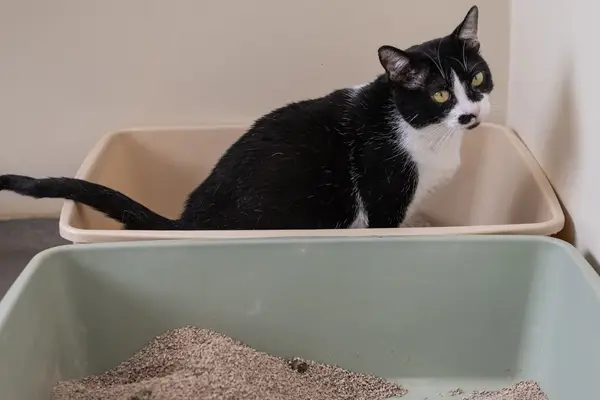
With less water in their body, cats tend to urinate less often. The body tries to keep water, so the urge to urinate is lower. This means a dehydrated cat may visit the litter box fewer times each day. Watching for less frequent urination is a key sign of dehydration.
Health Risks Of Dehydration
Dehydration in cats poses significant health risks. When a cat lacks adequate water, its body struggles to function properly. This can lead to several severe health issues. Understanding these risks is crucial for cat owners.
Kidney Problems
Dehydration puts immense strain on a cat’s kidneys. The kidneys filter waste from the blood. Without enough water, this process becomes inefficient. Over time, this can lead to kidney damage. Cats with chronic dehydration may develop kidney disease. This condition is serious and often irreversible.
Urinary Tract Infections
Dehydrated cats are prone to urinary tract infections (UTIs). Water helps flush bacteria from the urinary tract. Without enough water, bacteria can grow. This leads to infections, which cause discomfort and pain. UTIs can escalate to more severe conditions if untreated. Prompt treatment is essential for preventing complications.
When To Seek Veterinary Care
Knowing when to seek veterinary care for a dehydrated cat is crucial. Dehydration can quickly lead to serious health issues. Early intervention can save your cat’s life. Watch for signs that your cat’s condition is worsening. Act fast if you notice any troubling symptoms.
Critical Warning Signs
- Very little or no urination
- Dry, sticky gums and sunken eyes
- Weakness or lethargy
- Rapid breathing or heart rate
- Vomiting or diarrhea
- Loss of appetite or refusal to drink water
- Collapse or unresponsiveness
These signs show your cat needs urgent veterinary care. Do not wait or try home remedies.
Emergency Treatments
Veterinarians will start with fluids, usually given under the skin or intravenously. This helps restore hydration quickly. They may also run blood tests to check for organ damage. Medications can control nausea or infections if present. Hospitalization might be necessary for severe dehydration. Follow the vet’s advice carefully to ensure full recovery.
Preventing Dehydration In Cats
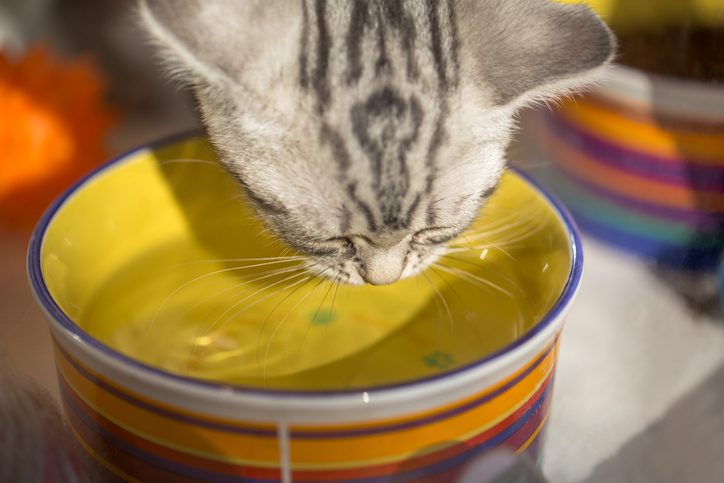
Preventing dehydration in cats is vital for their health and well-being. Cats often hide signs of illness, making hydration an easy issue to overlook. Dehydration can cause serious problems, including reduced urination and kidney issues. Taking simple steps helps keep your cat hydrated and healthy.
Hydration Tips
- Provide fresh water daily in clean bowls.
- Place water bowls in quiet, accessible spots.
- Use a cat water fountain to encourage drinking.
- Offer multiple water sources around the home.
- Change water often to keep it fresh and cool.
- Monitor your cat’s water intake regularly.
Dietary Considerations
Wet cat food contains more moisture than dry food. Feeding wet food helps increase your cat’s water intake naturally.
Mix wet and dry food to balance hydration and nutrition. Avoid salty or processed foods that can worsen dehydration. Adding a bit of water or broth to food can boost hydration too.
Credit: mendocinoanimalhospital.net
Frequently Asked Questions
Will A Dehydrated Cat Urinate Less Often?
Yes, a dehydrated cat typically urinates less. This happens because the body conserves water, producing concentrated urine to prevent further fluid loss.
How Does Dehydration Affect A Cat’s Urination?
Dehydration reduces urine output and makes urine darker. It stresses the kidneys and may lead to urinary tract issues if untreated.
Can A Dehydrated Cat’s Urine Indicate Health Problems?
Yes, concentrated, dark urine in a dehydrated cat signals potential kidney stress or urinary tract infection. Timely vet care is essential.
What Are Signs Of Dehydration In Cats Besides Urination Changes?
Signs include dry gums, lethargy, sunken eyes, and poor skin elasticity. These symptoms require immediate veterinary attention to prevent severe complications.
Conclusion
A dehydrated cat may urinate less than usual. This happens because the body tries to save water. Watch your cat’s water intake and urination closely. Small changes can signal health problems early. Always offer fresh water and check for signs of dehydration.
Quick action helps keep your cat healthy and comfortable. Remember, keeping your cat hydrated is key to its wellbeing.

Lily Purrington is the founder of MyKittyPicks.com, a cozy corner of the web dedicated to helping cat lovers discover the best cat products, furniture, toys, and home decor ideas.
A lifelong cat enthusiast, Lily shares trusted tips, honest product recommendations, and stylish inspiration designed to keep kitties happy and homes beautiful.
Her mission is simple: to bring together practical advice and purr-fect picks that make life better for cats and the people who love them.


