
You’ve taken a responsible step by neutering your cat, expecting a calmer and more relaxed companion. Yet, to your surprise, your furry friend is still trying to mate.
You might wonder, “Why is my neutered cat still displaying these behaviors? ” This unexpected scenario can be confusing and even a bit frustrating. You’ll discover the reasons behind this behavior and gain insights into your cat’s world. Understanding these behaviors not only helps you to address them but also strengthens the bond you share with your pet.
Get ready to explore the fascinating reasons behind your neutered cat’s surprising antics, and learn what steps you can take to help your feline friend. Stay with us, and unlock the secrets of your cat’s instincts and behaviors.
Neutering And Hormones
Neutering changes a cat’s body by altering hormone levels. Hormones control many behaviors, including mating instincts. Understanding how neutering affects these hormones helps explain why some cats still try to mate after surgery.
How Neutering Affects Hormone Levels
Neutering removes the testicles, which produce testosterone. Testosterone is the hormone that drives mating behavior in male cats. Without testicles, the body makes much less testosterone.
Lower testosterone usually means less interest in mating. Many neutered cats lose the urge to seek mates. This change often reduces aggressive and territorial behavior too.
Residual Hormones After Surgery
Some testosterone can remain in a cat’s body after neutering. Hormones stored in tissues take time to break down. This leftover hormone can cause mating behaviors to continue briefly.
Also, the brain may still send mating signals for a while. These signals fade as hormone levels drop fully. This process can take weeks or months in some cats.
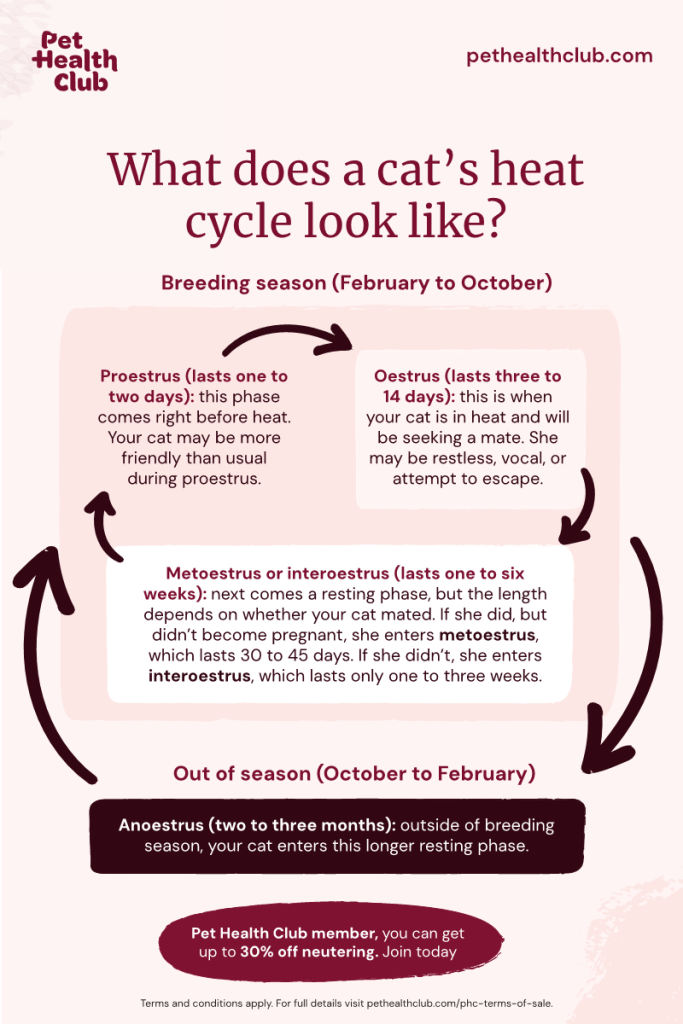
Credit: pethelpful.com
Behavioral Causes
Neutering a cat does not always stop mating behaviors. Some cats keep trying to mate due to habits and instincts they learned before neutering. These behaviors can continue even without hormones driving them.
Understanding these behavioral causes helps in managing your cat’s actions better. It shows why a neutered cat may still act like it wants to mate.
Learned Mating Behaviors
Cats learn mating actions early in life. They may repeat these actions out of habit. Even after neutering, the cat’s brain remembers these behaviors.
Neutered cats might continue to mount or try to mate with other cats. This is not about hormones but about routine and memory. They may feel comfort or satisfaction from these actions.
Dominance And Territory Display
Some mating behaviors are linked to showing dominance. Cats use mounting to assert control over other cats. This helps them mark territory and rank within a group.
Neutered cats may still mount as a way to show strength or defend their space. This behavior is about social order, not reproduction.
Medical Reasons
Sometimes, a neutered cat still showing mating behavior can be confusing and concerning. Medical reasons often play a key role in this unexpected activity. Understanding these medical issues can help you decide the best next steps for your pet’s health and happiness.
Incomplete Neutering Issues
Incomplete neutering happens when some testicular tissue remains after surgery. This leftover tissue can continue producing hormones, which drive mating behaviors.
Have you noticed your cat acting like an intact male despite neutering? This could be why. A vet can perform hormone tests or ultrasound scans to check if any tissue is still active.
If incomplete neutering is confirmed, a second surgery might be necessary. Catching this early can save your cat from ongoing frustration and behavioral problems.
Hormonal Imbalances Or Disorders
Hormones control much of your cat’s behavior, including mating instincts. Sometimes, hormonal imbalances can mimic the effects of intact reproductive organs.
Conditions like adrenal gland disorders or rare tumors can cause excess hormone production. This can confuse your cat’s body into thinking it still needs to mate.
Symptoms might include aggression, marking, or persistent mounting. A thorough veterinary exam and blood work can identify these issues.
Addressing hormonal imbalances often requires medication or hormone therapy. Have you checked if your cat’s hormone levels are normal? This step could be crucial in resolving persistent mating behavior.

Credit: www.reddit.com
Psychological Factors
Cats rely heavily on their mental state for daily behaviors. Even after neutering, some cats may continue mating actions. This often links to psychological factors rather than physical urges. Stress and anxiety can trigger these behaviors. Sometimes, cats seek comfort or attention through mating-like actions. Understanding these factors helps manage your cat’s behavior better.
Stress And Anxiety Effects
Stress can cause unusual behaviors in neutered cats. Loud noises, new people, or changes in the home can upset them. Anxiety may lead cats to repeat mating motions. These actions become a coping mechanism to relieve tension. Stressful environments make cats feel insecure and restless. This restless feeling can mimic mating instincts, even if the cat is neutered.
Seeking Attention Or Comfort
Cats sometimes use mating behaviors to get attention. If your cat feels lonely or bored, it may try this. The behavior can be a way to comfort themselves. It provides a sense of security or familiarity. Cats need mental stimulation and social interaction. Without it, they may act out in confusing ways.
When To See A Vet
Neutered cats usually stop trying to mate. If your cat still shows mating behavior, it might signal a health problem. Watching your cat’s actions closely helps you decide when to visit a vet. Early attention can prevent serious issues and keep your cat healthy.
Signs That Need Medical Attention
- Persistent mating behavior after neutering
- Swelling or redness around the genitals
- Frequent licking of genital area
- Signs of pain or discomfort
- Changes in urination habits
- Loss of appetite or lethargy
- Sudden aggression or anxiety
These signs may point to infections, hormone imbalances, or other health issues. Do not delay a vet visit if you notice any of these.
Diagnostic Tests And Treatments
The vet will perform a physical exam first. Blood tests check hormone levels and infections. Urine tests find urinary tract problems. Sometimes, ultrasound or X-rays are needed for a closer look.
Treatment depends on the diagnosis. Antibiotics help infections. Hormone therapy may be given for imbalances. Surgery might be necessary in rare cases. Follow the vet’s advice closely for the best results.
Managing Unwanted Mating Behavior
Managing unwanted mating behavior in neutered cats requires patience and consistent effort. Even after neutering, some cats may continue to show mating behaviors due to hormones or learned habits. Adjusting their environment and using behavioral training can help reduce these actions effectively.
Environmental Adjustments
Changing the cat’s surroundings can lower mating urges. Limit exposure to other cats, especially intact ones. This reduces triggers that cause mating behavior.
- Keep doors and windows closed to prevent outside cat contact.
- Provide plenty of toys and playtime to distract your cat.
- Use pheromone diffusers to create a calm environment.
- Ensure a quiet, stress-free space for your cat to relax.
Behavioral Training Tips
Training your cat helps redirect its energy and focus. Reward calm behavior and gently discourage mating actions.
- Use treats to reinforce positive behavior immediately.
- Distract your cat with interactive toys when it attempts mating moves.
- Ignore or calmly redirect your cat to avoid reinforcing the behavior.
- Maintain a consistent daily routine to reduce stress and confusion.

Credit: www.petscare.com
Frequently Asked Questions
Why Does My Neutered Cat Still Try To Mate?
Neutered cats may display mating behaviors due to residual hormones or learned habits. Surgery lowers hormones but doesn’t erase instincts immediately. Stress, dominance, or play can trigger this behavior even after neutering.
Can Neutering Stop All Mating Behaviors In Cats?
Neutering greatly reduces mating urges but may not eliminate all behaviors. Some cats retain habits from before surgery. Behavioral training and time usually help reduce these actions.
Is It Normal For Neutered Cats To Mount Other Cats?
Yes, mounting can be a sign of dominance or play, not just mating. Neutered cats may mount to assert social status or out of habit. It’s common and usually harmless.
How Long After Neutering Do Mating Urges Stop?
Mating urges typically fade within weeks to months after neutering. Hormone levels drop quickly, but behaviors may take longer to disappear. Patience and consistent behavior management help.
Conclusion
Neutered cats may still show mating behavior sometimes. This is normal and does not mean the surgery failed. Hormones can take time to leave the body. Sometimes, behavior comes from habit or stress. Pay attention to your cat’s needs and feelings.
Give extra care and patience during this time. If behavior worries you, ask a vet for advice. Understanding your cat helps build a strong bond. Your pet’s health and happiness matter most. Keep watching and enjoying your furry friend every day.

Lily Purrington is the founder of MyKittyPicks.com, a cozy corner of the web dedicated to helping cat lovers discover the best cat products, furniture, toys, and home decor ideas.
A lifelong cat enthusiast, Lily shares trusted tips, honest product recommendations, and stylish inspiration designed to keep kitties happy and homes beautiful.
Her mission is simple: to bring together practical advice and purr-fect picks that make life better for cats and the people who love them.


