

Have you ever found your favorite clothes soaked in cat urine and wondered, “Why does my cat urinate on my clothes?” It’s frustrating, confusing, and honestly, a bit gross. But don’t worry—you’re not alone, and there’s a reason behind this odd behavior.
Understanding why your cat chooses your clothes as their bathroom can help you stop it for good. Keep reading, because uncovering the truth might just save your wardrobe and strengthen the bond with your furry friend.
Credit: www.bonvoyagepetsitting.com
Common Causes Of Cat Urination On Clothes
Finding your cat urinating on your clothes can be frustrating and confusing. Understanding the common reasons behind this behavior helps you address the issue effectively. Let’s look at some key causes that may explain why your furry friend chooses your clothes as their bathroom.
Medical Issues
Sometimes, your cat’s behavior signals a health problem. Urinary tract infections, bladder stones, or kidney issues can cause discomfort and make your cat avoid the litter box. If you notice frequent urination or blood in the urine, a vet visit is essential.
Ignoring medical causes can worsen the condition and prolong the problem. Have you checked if your cat shows signs of pain or discomfort?
Stress And Anxiety
Cats are sensitive creatures, and stress can trigger unwanted behaviors like urinating on clothes. Changes in the home environment, new pets, or loud noises may make your cat anxious. They might seek comfort by marking familiar items like your clothes.
Think about recent changes in your household. Could your cat be feeling unsettled? Creating a calm space and using calming sprays might help reduce their anxiety.
Territorial Behavior
Marking territory is a natural instinct for cats, especially if they feel threatened by other animals. Clothes carry your scent, making them a prime target for marking. This behavior is common if there are outdoor cats nearby or multiple cats in your home.
Have you noticed other cats outside or tension among your pets? Managing territory disputes by providing separate resources can reduce this marking behavior.
Litter Box Problems
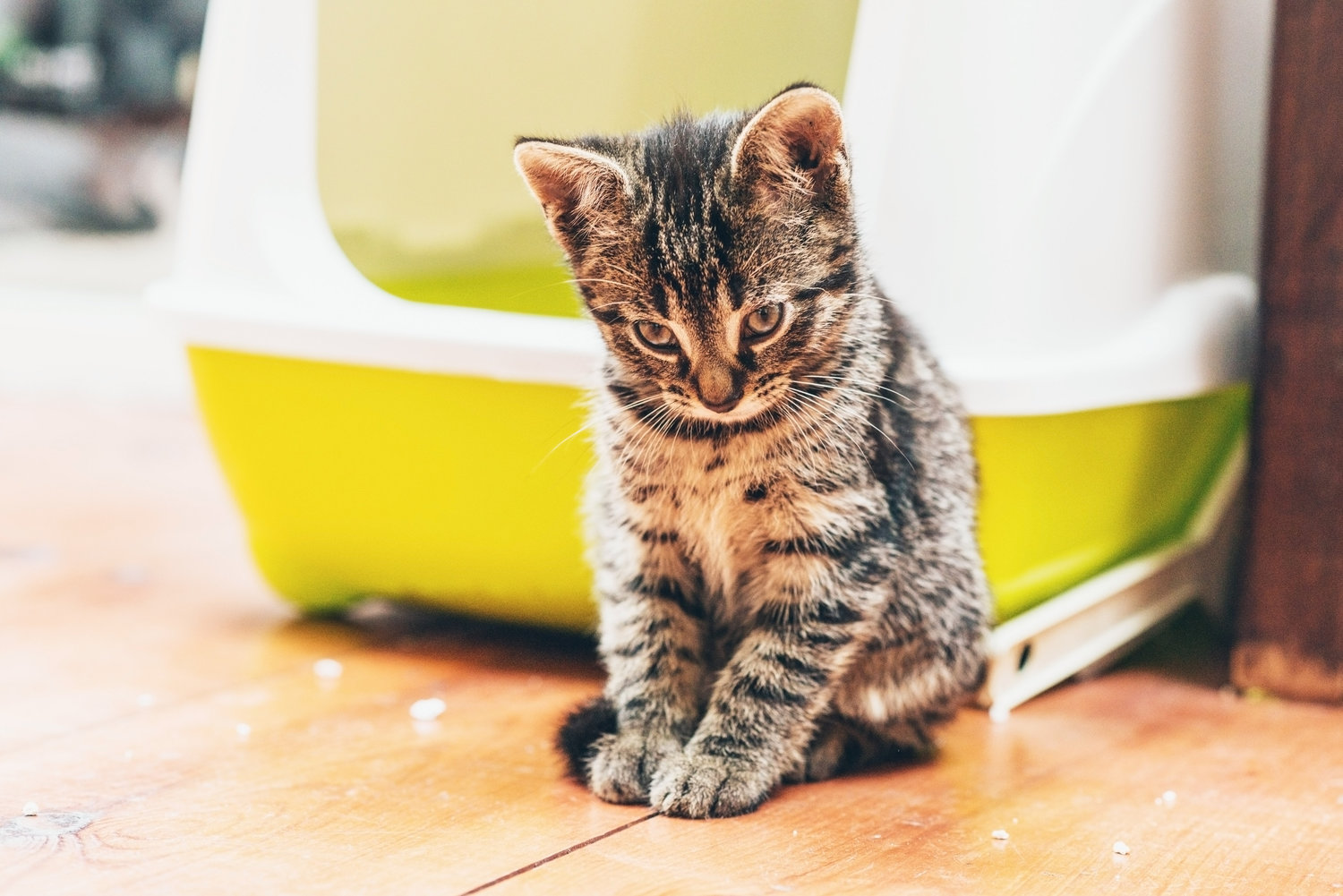
Your cat’s litter box setup could be the culprit. A dirty box, wrong type of litter, or inconvenient location might discourage your cat from using it. Cats prefer clean, quiet, and easily accessible litter boxes.
Ask yourself if you’re cleaning the box regularly or if it’s in a noisy corner. Adding extra boxes and trying different litters often solves the problem quickly.
How Medical Conditions Affect Urination
Medical conditions can significantly impact your cat’s urination habits, sometimes causing them to urinate outside their litter box, including on your clothes. Understanding these health issues can help you respond effectively and avoid frustration. Have you noticed changes in your cat’s behavior along with the accidents? It might be time to consider a health check.
Urinary Tract Infections
Urinary tract infections (UTIs) are a common reason cats urinate in unusual places. The infection causes pain and urgency, making it hard for your cat to hold it in until they reach the litter box. If your cat suddenly starts urinating on clothes or carpets, a UTI could be the culprit.
Look for signs like frequent attempts to urinate, crying out in pain, or blood in the urine. A quick vet visit can confirm this and provide antibiotics to clear the infection. Ignoring a UTI can lead to more serious complications, so don’t wait.
Kidney Disease
Kidney disease affects many cats, especially as they age, and it can cause increased thirst and urination. Your cat might urinate more often and in larger amounts, leading to accidents outside the litter box if they can’t get there in time. This increased frequency can confuse even the most well-trained cats.
If your cat is suddenly peeing on clothes more often and drinking more water, consider kidney disease as a possible cause. Early diagnosis can help manage the condition and improve your cat’s quality of life.
Diabetes In Cats
Diabetes causes your cat’s blood sugar to rise, leading to excessive thirst and urination. Cats with diabetes may struggle to control their bladder, resulting in accidents like urinating on your clothes. You might also notice weight loss or increased appetite alongside these symptoms.
Recognizing these signs early is crucial. A vet can test for diabetes and recommend insulin therapy or dietary changes. Acting quickly can prevent serious health issues and help your cat stay comfortable.
Stress Triggers For Cats
Cats may urinate on clothes due to stress from changes in their environment or routine. Feeling scared or insecure can trigger this behavior as a way to mark territory. Recognizing these stress signs helps prevent accidents and keeps your cat calm.
Understanding the reasons behind your cat’s behavior can be perplexing, especially when it involves them urinating on your clothes. One of the most common underlying reasons is stress. Cats are creatures of habit, and any disruption to their environment can lead to anxiety, causing them to act out in unusual ways.Changes In Environment
Cats thrive on familiarity. A sudden change in their environment, like moving to a new home or even just rearranging furniture, can be unsettling. This can lead your feline friend to seek comfort in your scent, making your clothes a target. Consider how you felt last time you had to adapt to a new routine or place. It can be overwhelming, right? Imagine how your sensitive cat feels with their world turned upside down.New Pets Or Family Members
Introducing a new pet or family member can be a significant stressor. Cats are territorial by nature, and the presence of a newcomer can make them feel threatened or insecure. This might cause them to mark their territory to reclaim a sense of security. Have you recently welcomed a new puppy or had a baby? Your cat might just be struggling with the adjustment, just like you would in a similar situation.Lack Of Stimulation
Boredom can also be a stress trigger for cats. Without adequate mental and physical stimulation, they may resort to undesirable behaviors. Does your cat have enough toys, or do you spend quality time playing with them? A bored cat might find solace in your laundry pile as a form of entertainment or comfort. Keeping your cat engaged can help mitigate stress-related behaviors. Paying attention to these potential stress triggers can help you understand and address the root of your cat’s behavior. What steps will you take to make your home a more comforting place for your furry companion?Territorial Marking Explained
Understanding why your cat urinates on your clothes often comes down to territorial marking. Cats are natural scent markers, and your clothing carries strong personal scents that they might want to claim as their own. This behavior is not just about marking territory but also about communicating and coping with their environment.
Scent Marking Behavior
Cats use urine to leave a scent mark, signaling that a particular space or item belongs to them. Your clothes are especially attractive because they carry your unique scent, which your cat wants to blend with their own. This mixed scent helps your cat feel secure and reassured in their territory.
Have you noticed your cat rubbing against your clothes before urinating? This is their way of spreading their scent through glands in their face and body. It’s a subtle but powerful message to other animals that this area is taken.
Conflict With Other Pets
When there are multiple pets in a household, territorial marking through urination can increase. Your cat might feel threatened by another pet’s presence and use your clothes to mark their claim. This behavior helps reduce uncertainty about boundaries and social ranking.
If your cat suddenly starts targeting your laundry, ask yourself: has a new pet arrived, or has your cat’s routine changed? Addressing these conflicts early can prevent stress and reduce unwanted marking. Try providing separate spaces and plenty of enrichment to help your cat feel more secure.
Litter Box Issues Leading To Accidents
Understanding why your cat chooses your clothes as a bathroom spot often leads back to problems with their litter box. Cats are particular creatures, and any discomfort or inconvenience with their litter box can push them to find alternate places to urinate. Let’s look closely at some common litter box issues that might be causing these accidents.
Dirty Or Inaccessible Litter Boxes
Have you checked the cleanliness of your cat's litter box recently? Cats prefer a clean environment, and a dirty litter box can quickly become off-putting. If the box isn’t scooped daily or cleaned regularly, your cat may avoid it.
Accessibility is another factor. If your cat is older or has mobility issues, a litter box that’s hard to reach can discourage use. Think about whether the box is in a place your cat can easily get to at any time.
Litter Type Preferences
Not all cats like the same type of litter. Some prefer clumping clay, while others might favor natural or crystal litter. If you switched brands or types recently, this change could confuse or bother your cat.
Watch your cat’s behavior around the box. Do they hesitate or paw at the litter? This might be a sign they dislike the texture or smell. Trying a few different litters could solve the problem quickly.
Location Problems
The spot you place the litter box matters a lot. Cats want privacy but also a sense of safety. A box placed near loud appliances or in a busy hallway might feel too exposed.
Consider if your cat has enough quiet, calm space to use the litter box comfortably. Moving it to a quieter corner could make a big difference. Have you thought about whether your cat feels stressed when using the box?

Credit: www.reddit.com
Preventing Clothes From Becoming Targets
Stopping your cat from peeing on clothes is key to a clean home. Clothes often smell like your scent, which can attract cats. They use urination to mark territory or express discomfort. Preventing this behavior needs attention to their habits and environment.
Proper Litter Box Maintenance
Clean litter boxes invite cats to use them. Scoop waste daily and change litter regularly. Place litter boxes in quiet, easy-to-find spots. Use the right type of litter your cat prefers. Multiple litter boxes help if you have many cats.
Reducing Stress Factors
Cats pee outside the box when stressed. Loud noises, new pets, or changes in routine cause stress. Keep a calm environment and give your cat safe spaces. Play and cuddle to build trust and comfort. Consistent feeding times also reduce anxiety.
Using Deterrents On Clothes
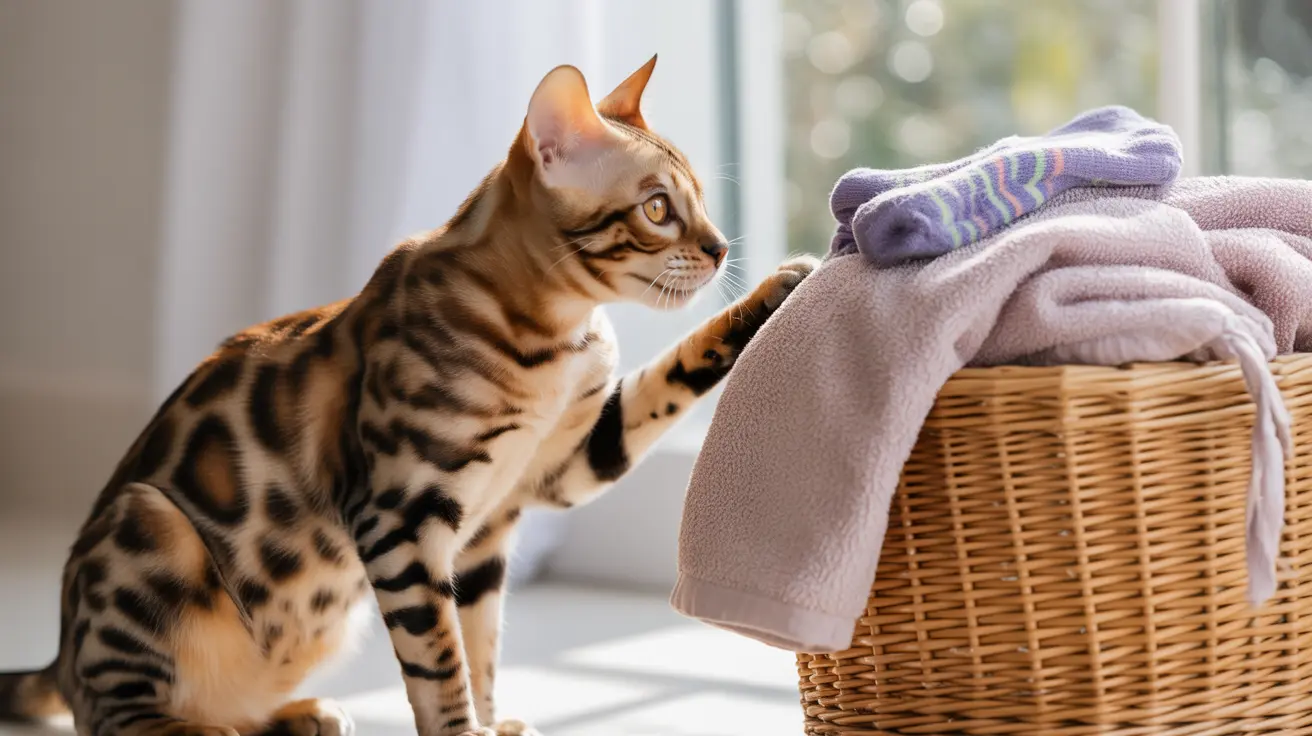
Keep clothes out of reach or in closed closets. Use pet-safe sprays that cats dislike on clothes piles. Citrus scents, vinegar, or commercial deterrents work well. Place aluminum foil or double-sided tape on clothes piles. Cats avoid textures and smells they dislike.
When To Seek Veterinary Help
Knowing when to seek veterinary help is crucial if your cat urinates on your clothes. This behavior might signal a health problem needing prompt attention. Early action improves your cat’s comfort and prevents worsening issues.
Watch for signs that go beyond simple accidents. Some symptoms require a vet’s evaluation to find the root cause. Understanding these can help you act quickly and wisely.
Recognizing Symptoms
- Frequent urination or straining to pee
- Blood in the urine
- Strong or unusual urine smell
- Excessive licking of the genital area
- Sudden changes in appetite or energy levels
- Signs of pain or discomfort when urinating
- Urine accidents happen more often or in unusual places
Diagnostic Tests
The vet may run tests to diagnose the problem accurately. Common tests include:
- Urinalysis to check for infection or crystals
- Blood tests to assess organ function
- Imaging like X-rays or ultrasound to see the bladder and kidneys
- Physical examination for any external issues
Treatment Options
Treatment depends on the diagnosis and severity of the condition. Options may include:
- Antibiotics for urinary tract infections
- Special diets to dissolve crystals or prevent stones
- Medications to reduce inflammation or pain
- Behavioral therapy if stress or anxiety is a factor
- Surgery in rare cases for severe blockages or injuries
Credit: www.petscare.com
Frequently Asked Questions
Why Does My Cat Urinate On My Clothes?
Cats may urinate on clothes due to stress, marking territory, or medical issues. Clothes often carry your scent, attracting them. It can also signal anxiety or a dirty litter box. Identifying the cause helps address this behavior effectively.
How Can I Stop My Cat From Urinating On Clothes?
Clean soiled clothes promptly and use enzymatic cleaners. Provide a clean litter box and reduce stressors. Offer more playtime and attention. Consult a vet to rule out medical problems. Consistency and patience are key to changing this behavior.
Is My Cat’s Urination A Health Problem?
Frequent urination outside the litter box can indicate urinary tract infections or bladder issues. If your cat urinates on clothes regularly, consult a veterinarian. Early diagnosis and treatment prevent serious complications and improve your cat’s comfort.
Does Stress Cause Cats To Urinate On Clothes?
Yes, stress and anxiety often cause cats to urinate on clothes. Changes in environment, new pets, or loud noises can trigger this behavior. Reducing stress through calm routines and safe spaces helps prevent accidents and promotes well-being.
Conclusion
Cats urinate on clothes for many reasons, like stress or health issues. Watching your cat’s behavior helps you find the cause. Clean their litter box often and keep clothes out of reach. Visiting a vet can rule out medical problems.
Showing patience and care helps your cat feel safe. Small changes at home can stop this problem. Understanding your cat’s needs improves your bond. Keep trying, and your clothes will stay clean again.

Lily Purrington is the founder of MyKittyPicks.com, a cozy corner of the web dedicated to helping cat lovers discover the best cat products, furniture, toys, and home decor ideas.
A lifelong cat enthusiast, Lily shares trusted tips, honest product recommendations, and stylish inspiration designed to keep kitties happy and homes beautiful.
Her mission is simple: to bring together practical advice and purr-fect picks that make life better for cats and the people who love them.


