
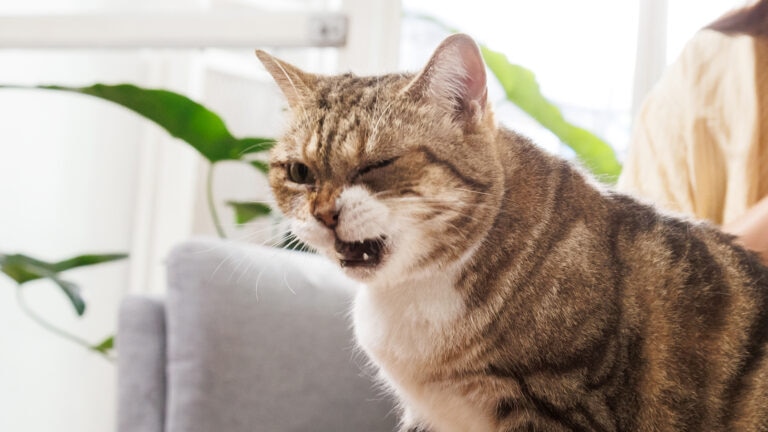
Is your cat urinating on your bed, leaving you frustrated and confused? You’re not alone, and it’s a problem many cat owners face.
But why does your furry friend choose your bed as their bathroom? Understanding the reasons behind this behavior can help you stop it for good. You’ll discover the surprising causes and simple solutions that will bring peace back to your bedroom—and your relationship with your cat.
Keep reading to find out what’s really going on and how you can fix it.
Credit: animals.howstuffworks.com
Common Reasons For Bed Urination
Cats urinating on your bed can be confusing and frustrating. Understanding why it happens helps find the right solution. Several common reasons can cause this behavior. These include health problems, emotional stress, and natural instincts. Each reason affects your cat differently. Recognizing these can improve your cat’s comfort and your peace of mind.
Medical Issues
Health problems often cause cats to urinate outside their litter box. Urinary tract infections are a frequent cause. They make urination painful and urgent. Kidney problems or diabetes also increase urination. If your cat shows sudden changes in bathroom habits, a vet visit is necessary. Medical issues must be ruled out first.
Stress And Anxiety
Cats feel stress from changes in their environment. Moving homes, new pets, or loud noises can upset them. Stress can lead to urinating on soft, familiar places like your bed. It is a way to cope with anxiety. Providing a calm, safe space reduces stress. Regular playtime and attention help your cat feel secure.
Territorial Marking
Marking territory is a natural cat behavior. Cats use urine to mark their space and feel safe. Your bed may smell like you, so your cat marks it to claim it. This is common in multi-cat homes or outdoor cats. Spaying or neutering reduces this behavior. Cleaning marked areas thoroughly can also help.

Credit: www.reddit.com
Health Problems Behind The Behavior
If your cat suddenly starts urinating on your bed, it’s important to consider their health. Sometimes, this behavior signals an underlying medical problem rather than just bad habits or territorial marking. Identifying these health issues early can save your cat discomfort and your home from repeated accidents.
Urinary Tract Infections
Urinary tract infections (UTIs) are a common cause of inappropriate urination in cats. The infection makes urination painful, so your cat might associate the litter box with discomfort and avoid it.
You might notice your cat straining to pee, licking its genital area more than usual, or crying out in pain. Have you seen your cat acting restless or spending more time outside the litter box? These signs suggest it’s time for a vet visit.
Kidney Disease
Kidney disease can disrupt a cat’s ability to concentrate urine, leading to increased thirst and urination. This means your cat might need to pee more frequently and could miss the litter box accidentally.
Older cats, in particular, are at risk for kidney problems. If your cat seems more tired than usual or loses weight while urinating outside the box, don’t ignore these red flags.
Diabetes
Diabetes causes excessive thirst and urination, which can overwhelm your cat’s litter habits. Increased urination means your cat might not always make it to the litter box, especially if it’s far away or dirty.
Look out for sudden weight loss, increased appetite, or lethargy alongside the urination issues. Could your cat’s frequent accidents be linked to a hidden health condition?
Emotional Triggers In Cats
Cats may urinate on beds due to stress or changes in their environment. Emotional triggers like anxiety or feeling unsafe can cause this behavior. Understanding these signs helps address the issue and comfort your cat.
Cats are incredibly sensitive creatures, and their behavior can be influenced by a variety of emotional triggers. When your feline friend suddenly starts urinating on your bed, it’s often a sign that something in their emotional world is amiss. Understanding these triggers can help you address the issue effectively and restore harmony in your home.Changes In Environment
Cats thrive on routine and familiarity. Even minor changes in their environment, like rearranging furniture or introducing new scents, can cause stress. I once moved my cat's litter box to a different room, and she immediately started acting out by urinating on my bed. It was her way of expressing discomfort with the new setup. Consider any recent changes in your home. Have you moved furniture, redecorated, or introduced new smells? Your cat may need time to adjust, and during this period, their usual routine is crucial.New Pets Or Family Members
Bringing a new pet or person into the household can be a significant stressor for cats. They may feel their territory is being invaded, leading to anxiety-driven behaviors. When my sister moved in with her dog, my cat showed her displeasure by urinating outside the litter box. To ease this transition, ensure your cat still feels loved and secure. Provide them with plenty of attention and create safe spaces where they can retreat from the new addition if needed.Lack Of Attention
Cats may seem independent, but they need attention and interaction. A lack of attention can lead to feelings of neglect, prompting your cat to act out to get your focus. Have you been busier than usual, perhaps with work or personal commitments? Make time each day for interactive play and bonding. Your cat will appreciate the effort, and it can help alleviate any negative behaviors stemming from feeling ignored. Could your cat’s behavior be a simple cry for more of your time? By identifying these emotional triggers, you can take steps to address your cat’s needs and prevent future incidents. Recognizing these signs is not just about solving a problem, but about strengthening your bond with your furry companion.
Credit: pethelpful.com
Litter Box Troubles
When your cat chooses your bed as their bathroom, litter box troubles often lie at the heart of the issue. Cats are particular creatures, and any problem with their litter box setup can lead to unwanted behavior. Understanding these troubles helps you create a more comfortable space for your feline friend and keeps your bed clean.
Dirty Or Inaccessible Litter Boxes
Cats hate dirty litter boxes. If you don’t scoop daily or change the litter regularly, your cat will avoid using it. I once noticed my cat peeking at the box but then retreating—turns out it was too filthy for her comfort.
Accessibility is another key factor. If your litter box is in a noisy area, behind a door, or hard to reach, your cat might look for alternatives. Have you checked if your cat can easily get to the box anytime they need?
Unsuitable Litter Type
Not all litter types suit every cat. Some prefer fine, clumping litter, while others dislike scented or rough textures. My neighbor’s cat refused to use the box until they switched from pine pellets to a softer clay litter.
Try experimenting with different litter materials. Observe your cat’s reaction and preferences closely. Could a simple change in litter type solve your problem?
Number Of Litter Boxes
The general rule is one litter box per cat plus one extra. If you have two cats and only one box, competition or territorial issues can arise. I had two cats sharing one box, and one started peeing on the bed until I added another box.
Are you providing enough litter boxes in different quiet spots? More boxes can reduce stress and unwanted accidents.
Behavioral Solutions To Try
Behavioral changes often help stop cats from urinating on beds. Cats react to their environment and feelings. Stress, anxiety, or confusion may cause this behavior. Trying simple solutions can make a big difference. These ideas focus on changing the cat’s experience and habits.
Cleaning And Odor Removal
Cleaning well removes urine smells that attract cats. Use enzymatic cleaners to break down odors fully. Avoid ammonia-based cleaners since they smell like urine to cats. Wash bedding and mattress covers often. This stops your cat from returning to the same spot.
Providing Comfortable Spaces
Cats need safe, cozy places to rest and feel secure. Create soft beds in quiet, low-traffic areas. Place litter boxes nearby but not too close to food or sleeping spots. Provide scratching posts and toys to reduce stress. Comfortable spaces help cats feel calm and less likely to mark territory.
Positive Reinforcement Techniques
Reward your cat for using the litter box correctly. Offer treats or gentle praise right after good behavior. Avoid punishment, which can increase anxiety and worsen problems. Use a calm voice and gentle petting to encourage trust. Positive reinforcement builds habits without fear or stress.
When To See A Vet
Noticing your cat urinating on your bed can be frustrating and confusing. While it might sometimes be a behavioral issue, there are moments when it signals a deeper health problem. Knowing when to see a vet is crucial to protect your cat’s well-being and your peace of mind.
Recognizing Urgent Symptoms
If your cat suddenly starts urinating on your bed, watch closely for signs that need immediate attention. Is your cat straining or crying while trying to urinate? This could indicate a urinary tract infection or blockage, which can be dangerous.
Other urgent symptoms include:
- Frequent attempts to urinate with little success
- Blood in the urine
- Excessive licking of the genital area
- Sudden changes in appetite or activity level
Ignoring these signs can lead to serious complications. If you see any of these, don’t wait—contact your vet immediately.
Preparing For The Vet Visit
Before you head to the vet, gather as much information as you can. Note when the inappropriate urination started and any other unusual behaviors you’ve observed. This helps your vet make a quicker diagnosis.
Try to collect a urine sample if possible; your vet may ask for this to run tests. Also, be ready to discuss your cat’s diet, litter box habits, and any recent changes in the household.
Remember, your calm and detailed input can make a big difference in your cat’s care. How would you feel if your vet had all the information upfront? It can shorten the visit and get your cat treated faster.
Frequently Asked Questions
Why Does My Cat Urinate On My Bed?
Cats may urinate on beds due to stress, medical issues, or territory marking. Beds often smell like owners, offering comfort or a target to express anxiety or dominance. Identifying the cause helps address this behavior effectively.
Can Medical Problems Cause Cats To Urinate On Beds?
Yes, urinary tract infections, bladder stones, or kidney issues can cause inappropriate urination. If your cat suddenly starts urinating on the bed, consult a vet to rule out health problems.
How Can Stress Make Cats Urinate On Beds?
Stress from changes like moving, new pets, or loud noises can trigger urination on beds. Cats use urination to mark territory or seek comfort during anxiety, making stress a common cause.
What Can I Do To Stop My Cat Urinating On My Bed?
Clean soiled areas with enzymatic cleaners, provide multiple litter boxes, and reduce stress. Consult a vet to check for health issues and consider behavior modification techniques for long-term solutions.
Conclusion
Cats urinating on beds can be frustrating and confusing. Stress, health issues, or marking territory often cause this behavior. Watch your cat closely and consult a vet if needed. Clean the bed well to remove smells and prevent repeats. Give your cat a quiet, safe space with a clean litter box.
Patience and care help solve the problem over time. Understanding your cat’s needs builds a stronger bond. Keep trying different solutions until you find what works best. Your cat will feel happier and safer soon.

Lily Purrington is the founder of MyKittyPicks.com, a cozy corner of the web dedicated to helping cat lovers discover the best cat products, furniture, toys, and home decor ideas.
A lifelong cat enthusiast, Lily shares trusted tips, honest product recommendations, and stylish inspiration designed to keep kitties happy and homes beautiful.
Her mission is simple: to bring together practical advice and purr-fect picks that make life better for cats and the people who love them.


