
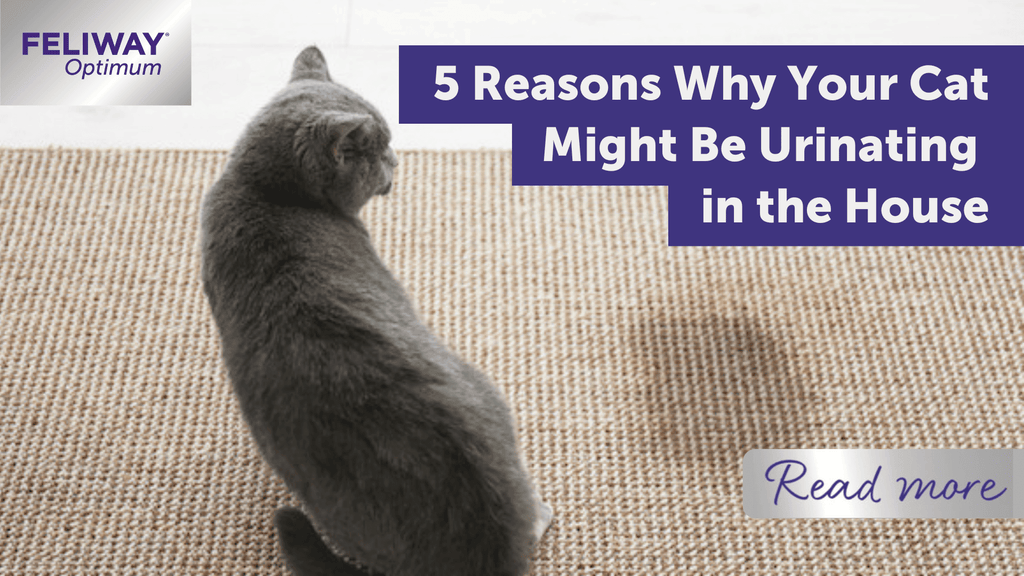
Have you ever come home to find your favorite chair or sofa marked with an unpleasant surprise? If your cat is urinating on furniture, you’re not alone—and it’s more common than you might think.
This behavior can be frustrating and confusing, especially when you don’t understand why your furry friend is doing it. But don’t worry. By learning the real reasons behind this habit, you can take steps to protect your home and help your cat feel comfortable and happy.
Keep reading to discover what’s causing your cat’s behavior and how you can fix it for good.

Credit: patienceforcats.com
Reasons Cats Target Furniture
Cats urinating on furniture can puzzle many pet owners. This behavior often signals an underlying issue. Understanding why cats choose furniture helps address the problem quickly. Cats do not urinate on furniture without a reason. Their actions often relate to health, emotions, or environment.
Medical Issues
Health problems can cause cats to urinate outside their litter box. Urinary tract infections are common culprits. Kidney disease or bladder stones may also trigger this behavior. Pain or discomfort makes cats avoid their usual bathroom spots. A vet visit is essential to rule out medical causes.
Stress And Anxiety
Stress affects cats deeply. Changes in the home, new pets, or loud noises can upset them. Urinating on furniture becomes a way to cope. It acts as a comfort or stress relief. Reducing stress helps stop this unwanted behavior.
Territorial Behavior
Cats use urine to mark territory. Furniture often holds strong scents or is in prime locations. Marking helps cats feel secure and claim their space. This behavior is common in multi-cat homes. Neutering or spaying can reduce territorial marking.
Litter Box Problems
Issues with the litter box lead many cats to avoid it. Dirty litter boxes discourage use. Cats dislike the type or location of their box. Small or hard-to-access boxes cause problems. Keeping the box clean and accessible encourages proper use.

Credit: www.reddit.com
Identifying The Root Cause
Understanding why a cat urinates on furniture requires finding the root cause. Cats do this for many reasons, from health issues to stress. Identifying the cause helps stop this behavior and keeps your home clean. Start by watching your cat and its surroundings closely.
Observing Cat Behavior
Watch your cat’s daily actions carefully. Notice if it avoids the litter box or acts anxious. Look for signs of stress like hiding or vocalizing more. Changes in eating or sleeping habits also matter. These clues reveal if the problem is behavioral or medical.
Checking Litter Box Hygiene
Ensure the litter box is clean and inviting. Cats dislike dirty boxes and may choose furniture instead. Scoop waste daily and change litter regularly. Try different types of litter to find what your cat prefers. Also, check if the box is in a quiet, easy-to-reach spot.
Consulting A Veterinarian
Visit a vet to rule out health problems. Urinary tract infections and kidney issues can cause accidents. The vet may perform tests to diagnose the problem. Treating medical issues early prevents further accidents. Always seek professional advice if behavior changes suddenly.
Immediate Actions To Stop Urination
Stopping cats from urinating on furniture needs quick and careful action. The key is to clean well, use safe deterrents, and limit your cat’s access to problem spots. These steps help protect your furniture and keep your home fresh.
Cleaning Techniques For Furniture
Use an enzyme cleaner to remove all urine smells from furniture. Regular cleaners do not break down the urine properly. Enzyme cleaners stop cats from smelling their urine and returning. Blot the area gently, then spray the cleaner and let it air dry. Avoid rubbing, which can spread the stain further.
Using Deterrents
Deterrents make furniture less appealing for your cat. Use safe sprays designed to keep cats away. Place aluminum foil or double-sided tape on surfaces cats like to urinate on. Cats dislike the texture and will avoid these areas. Avoid harsh chemicals that can harm your pet.
Restricting Access
Keep cats out of rooms with furniture they target. Close doors or use pet gates to block access. Cover furniture with plastic sheets temporarily. This stops your cat from going back to the same spot. Providing a clean litter box nearby also helps reduce accidents.

Credit: www.feliway.co.uk
Long-term Prevention Strategies
Stopping cats from urinating on furniture requires patience and consistent care. Long-term strategies help maintain a clean and stress-free home. These steps also support your cat’s comfort and well-being. Understanding and applying these strategies can prevent future issues.
Improving Litter Box Setup
Place litter boxes in quiet, easy-to-reach areas. Use unscented, clumping litter for better acceptance. Keep boxes clean by scooping daily and washing weekly. Provide one more box than the number of cats in your home. Experiment with different box styles to find what your cat prefers.
Reducing Stress Factors
Identify and remove triggers that upset your cat. Maintain a routine for feeding and playtime to create stability. Offer safe spaces where your cat can relax alone. Use pheromone diffusers to calm anxious cats. Avoid loud noises and sudden changes in the environment.
Regular Health Checkups
Schedule vet visits at least once a year. Check for urinary tract infections or other health problems. Early detection helps prevent inappropriate urination. Discuss any behavior changes with your vet promptly. Keep vaccinations and parasite control up to date for overall health.
When To Seek Professional Help
Persistent urination on furniture may signal health or behavior problems. Consulting a vet or cat behaviorist helps find the cause and proper treatment. Early help prevents damage and stress for both cat and owner.
When cats urinate on furniture, it can be troubling. Sometimes, it’s a sign they need professional help. Recognizing this early can save your home and your cat’s health.Behavioral Therapy Options
Cats might urinate on furniture due to stress. A behaviorist can help identify stress triggers. They offer techniques to reduce these stressors. Positive reinforcement is often used to change behavior. Consistency is key for success in these therapies.Medical Treatments
Medical issues might cause inappropriate urination. A vet can check for infections or kidney problems. Medications may be prescribed to address these issues. Regular check-ups ensure your cat stays healthy.Environmental Modifications
Changes at home can deter unwanted urination. Increase the number of litter boxes. Ensure they are clean and accessible. Consider using calming diffusers around the home. Provide safe spaces for your cat to relax. Small changes can make a big difference.Frequently Asked Questions
Why Do Cats Urinate On Furniture Instead Of Litter Boxes?
Cats may urinate on furniture due to stress, medical issues, or dirty litter boxes. They mark territory or avoid unpleasant litter conditions. Changing litter type or cleaning regularly helps. Consult a vet to rule out infections or bladder problems.
Can Stress Cause Cats To Urinate On Furniture?
Yes, stress can trigger inappropriate urination in cats. Changes in environment, new pets, or loud noises increase anxiety. Cats urinate on furniture to mark territory or feel secure. Reducing stress and providing a calm environment helps prevent this behavior.
How To Stop Cats From Urinating On Furniture?
Clean furniture with enzyme cleaners to remove odor. Provide a clean, accessible litter box with preferred litter. Reduce stress by maintaining routine and safe spaces. Consult a vet to address medical causes like infections or urinary issues.
Is Medical Illness A Reason For Cats Urinating On Furniture?
Yes, urinary tract infections, bladder stones, or kidney disease cause cats to urinate outside litter boxes. If behavior starts suddenly, see a vet promptly. Treating medical issues usually resolves inappropriate urination problems.
Conclusion
Cats urinating on furniture can frustrate many pet owners. Stress, health, or marking territory often cause this behavior. Understanding why your cat acts this way helps find the right solution. Clean accidents quickly to stop repeat spots. Provide a clean litter box and calm space for your cat.
Watch for signs of illness and visit the vet if needed. Patience and care make a big difference. Your cat can learn better habits with time. Keep trying, and your home will stay fresh and happy.

Lily Purrington is the founder of MyKittyPicks.com, a cozy corner of the web dedicated to helping cat lovers discover the best cat products, furniture, toys, and home decor ideas.
A lifelong cat enthusiast, Lily shares trusted tips, honest product recommendations, and stylish inspiration designed to keep kitties happy and homes beautiful.
Her mission is simple: to bring together practical advice and purr-fect picks that make life better for cats and the people who love them.


