

Choosing the perfect cat breed for your home can feel overwhelming. You want a furry friend that fits your lifestyle, personality, and space.
Imagine having a cat that not only brings joy but also matches your daily routine and energy levels. This guide will help you discover which cat breed is best for you, making the decision easier and more exciting. Keep reading to find your ideal feline companion and make your home complete.

Credit: www.bestlife4pets.com
Factors To Consider When Choosing A Cat
Choosing the right cat breed takes thought. Cats have different needs and personalities. Understanding key factors helps find a cat that fits your life. This ensures a happy home for both you and your new pet.
Living Space And Environment
Space matters. Small apartments suit smaller or less active cats. Large homes allow energetic breeds to roam freely. Consider windows and safe outdoor access. Some cats enjoy climbing and exploring. Others prefer quiet, cozy spots. Match the cat’s needs with your environment.
Activity Level
Different cats have varying energy levels. Some breeds love to play and run. Others enjoy lounging and resting. Think about your daily routine. Choose a cat whose energy matches your lifestyle. Active cats need more playtime and toys. Calm cats fit better in a relaxed home.
Allergies And Grooming Needs
Check for allergies before adopting. Some cats shed more and cause reactions. Breeds like the Sphynx or Balinese may be better for allergy sufferers. Grooming is important too. Long-haired cats need regular brushing. Short-haired cats require less maintenance. Pick a breed that fits your grooming ability.
Temperament Preferences
Cats have different temperaments. Some are social and love attention. Others prefer independence and quiet. Decide if you want a lap cat or a more reserved friend. Consider how the cat interacts with kids or other pets. Choose a breed with a personality that suits you.
Budget And Care Commitment
Cats need food, toys, and vet care. Some breeds require special diets or health checks. Grooming costs vary too. Think about time and money for daily care. Make sure you can meet the needs of your chosen breed. A healthy cat needs consistent attention and love.
Popular Cat Breeds And Their Traits
Choosing the right cat breed means understanding their unique traits. Each breed has distinct personality traits and care needs. This helps match your lifestyle and home environment. Popular cat breeds offer a range of behaviors and looks. Some cats love attention and noise. Others prefer calm and quiet days. Knowing these traits guides you to the best pet for you.
Siamese: Vocal And Social
Siamese cats are very talkative and love company. They enjoy being around people and other pets. Their sleek bodies and striking blue eyes are hard to miss. Siamese cats need lots of attention and mental stimulation. They are playful and curious, always exploring their surroundings. These cats bond deeply with their owners.
Maine Coon: Gentle Giants
Maine Coons are large but gentle cats. They have long, thick fur and tufted ears. These cats are friendly and patient with kids. Maine Coons enjoy playing but also like quiet time. They adapt well to different homes and families. Their calm nature makes them great companions.
Ragdoll: Affectionate And Laid-back
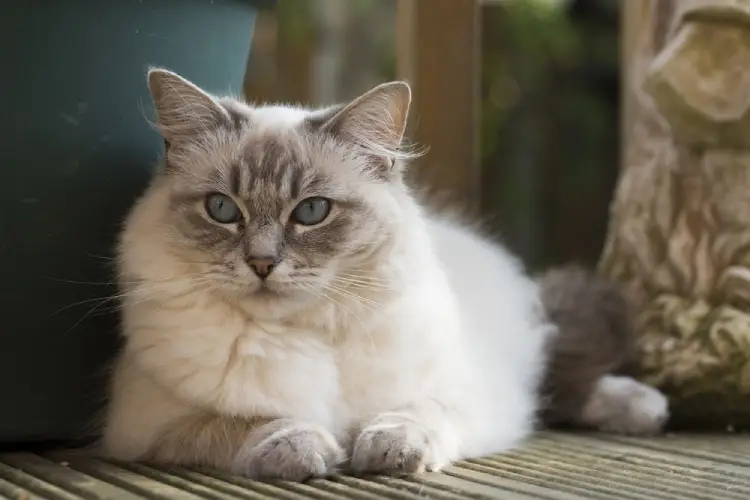
Ragdolls are known for their calm and loving nature. They often go limp when held, hence the name. These cats prefer a peaceful home environment. Ragdolls are very gentle and enjoy cuddling. They get along well with children and pets. Their soft fur and blue eyes add to their charm.
Bengal: Energetic And Playful
Bengals are active and love to play. They have a wild, leopard-like appearance. These cats need a lot of exercise and toys. Bengals are intelligent and enjoy puzzles and games. They do well in homes that can keep up with their energy. Bengals often form strong bonds with their owners.
Persian: Calm And Elegant
Persians are quiet, calm, and elegant cats. They have long, thick fur that needs regular grooming. These cats enjoy relaxing in sunny spots. Persians prefer a calm and stable home. They are affectionate but not overly demanding. Their sweet nature makes them popular pets.
Scottish Fold: Unique Appearance And Sweet Nature
Scottish Folds have folded ears that give them a unique look. They are gentle and friendly cats. These cats enjoy being part of family activities. Scottish Folds adapt well to indoor living. They have a calm temperament and love attention. Their soft fur and round eyes make them very cute.
Matching Cat Breeds To Lifestyle
Choosing the right cat breed means considering your lifestyle. Each breed has unique traits that fit different living situations. Understanding these differences helps you find the perfect feline friend.
Active Households
Active homes need energetic cats. Breeds like Abyssinians and Bengals thrive here. They enjoy playtime and exploring. Their high energy keeps them engaged.
Families With Children
Families with kids require patient, friendly cats. Breeds such as Ragdolls and Maine Coons are ideal. They are gentle and enjoy being around people.
Apartment Living
Small spaces suit certain cats better. Breeds like British Shorthairs and Persians adapt well. They are generally calm and require less space.
First-time Cat Owners
New cat owners benefit from easy-going breeds. Consider adopting a Russian Blue or a Scottish Fold. These cats are friendly and low-maintenance.
Seniors And Retirees
Seniors need companions that are affectionate and low-energy. Breeds like the Birman or the Exotic Shorthair are perfect. They enjoy quiet time and are loving.
Adopting Vs. Buying A Cat
Choosing between adopting and buying a cat is an important decision. Both paths offer different experiences and benefits. Understanding these can help you find the best cat for your home and lifestyle.
Benefits Of Adoption
Adoption saves lives. Many cats in shelters need loving homes. Adopting gives a cat a second chance. Shelter cats are often vaccinated and spayed or neutered. Adoption fees usually cover initial vet care. Shelters provide support and advice for new pet owners. Adopting helps reduce stray and homeless cat populations. It also feels good to give a home to a cat in need.
Considerations When Buying
Buying a cat allows choosing a specific breed. Breeders can provide details on the cat’s health and history. It may be easier to find kittens with certain traits or appearances. Buying usually costs more than adopting. Some breeds require special care or have health issues. Consider the long-term care needs of the breed. Make sure you are ready for the responsibilities. Buying a cat means supporting responsible breeders or breeders you trust.
Finding Reputable Breeders And Shelters
Research breeders carefully to avoid unethical practices. Look for breeders who prioritize health and temperament. Ask for health records and parent information. Visit the breeder’s facility if possible. Shelters often have many cats and kittens available. Visit local shelters or rescue groups in person. Check online reviews and ask for recommendations. Responsible places will welcome questions and provide clear information. Choose a source that matches your values and needs.
Preparing For Your New Cat
Getting ready to welcome a new cat into your life is an exciting journey. It’s more than just picking a breed; it’s about creating an environment where your feline friend feels safe and loved from day one. Preparing well sets the stage for a smooth transition and a lasting bond.
Essential Supplies
Before your cat arrives, gather the basics: a litter box, food and water dishes, and a cozy bed. Choose a litter box that fits your cat’s size and preferences—some cats prefer covered boxes, others open ones.
Don’t forget toys and scratching posts to keep them entertained and prevent furniture damage. I once underestimated the power of interactive toys, and my cat quickly taught me the value of keeping her mind busy.
Setting Up A Safe Space
Designate a quiet, comfortable area where your cat can retreat and feel secure. This space should have their essentials like food, water, and litter box within easy reach.
Think about the flow of your home. Avoid high-traffic or noisy zones initially. Have you considered how your cat might react to your household’s daily rhythms? Creating a calm zone helps reduce stress and encourages exploration at their own pace.
Initial Veterinary Care
Schedule a vet visit soon after bringing your cat home. This ensures they’re healthy and up-to-date on vaccinations and parasite control.
Ask your vet about microchipping and spaying or neutering if not already done. Early vet care prevents future health issues and gives you peace of mind.
Building A Bond
Spend quiet time with your cat daily to build trust. Let them come to you rather than forcing interaction.
Use gentle voices and slow movements. Offering treats during play or petting helps your cat associate you with positive experiences. Have you noticed how patience can turn a shy cat into a cuddly companion?
Credit: www.webbox.co.uk
Credit: www.petsradar.com
Frequently Asked Questions
What Factors Determine The Best Cat Breed For You?
Choosing the right cat breed depends on your lifestyle, living space, allergies, and activity level. Some breeds need more attention, while others are independent. Consider temperament, grooming needs, and compatibility with children or other pets to find your perfect feline companion.
Which Cat Breed Suits Apartment Living Best?
Breeds like the British Shorthair, Scottish Fold, and Ragdoll adapt well to apartments. They are generally calm, less active, and enjoy indoor life. These cats require moderate exercise and minimal outdoor access, making them ideal for smaller living spaces.
Are Hypoallergenic Cat Breeds Truly Allergy-free?
No cat breed is completely hypoallergenic, but breeds like the Siberian and Balinese produce fewer allergens. These cats may reduce allergic reactions in sensitive individuals. However, personal tolerance varies, so spending time with the breed before adoption is advisable.
How Do Cat Breeds Differ In Grooming Needs?
Long-haired breeds like Persians require daily grooming to prevent mats. Short-haired cats need less frequent brushing. Some breeds shed more, influencing grooming frequency. Understanding grooming needs helps maintain your cat’s coat health and reduces shedding around your home.
Conclusion
Choosing the best cat breed depends on your lifestyle and needs. Think about how much time you have for play and care. Some cats need more attention, while others enjoy quiet moments alone. Consider your home size and family members too.
Each breed has its own personality and energy level. Take time to learn about different breeds before deciding. A happy cat means a happy home. Find a cat that fits your life well. This way, both you and your new pet will feel great.

Lily Purrington is the founder of MyKittyPicks.com, a cozy corner of the web dedicated to helping cat lovers discover the best cat products, furniture, toys, and home decor ideas.
A lifelong cat enthusiast, Lily shares trusted tips, honest product recommendations, and stylish inspiration designed to keep kitties happy and homes beautiful.
Her mission is simple: to bring together practical advice and purr-fect picks that make life better for cats and the people who love them.


