
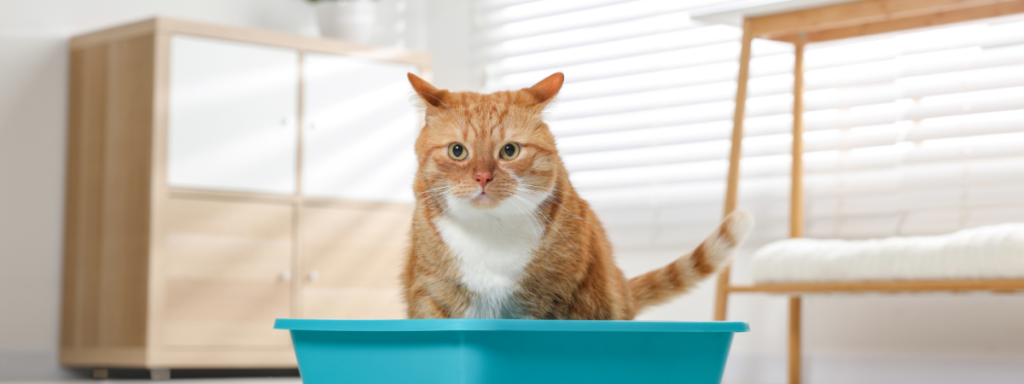
Finding the perfect spot for your cat’s litter box can be trickier than you think. You want a place that keeps your home fresh, your cat happy, and everyone comfortable.
But where exactly should you put cat litter to make this happen? If you’ve ever struggled with unpleasant odors, messy floors, or a cat that refuses to use their box, this guide is for you. Keep reading to discover simple, practical tips that will transform your litter area into a clean, stress-free zone for both you and your furry friend.
Choosing The Right Spot
Choosing the right spot for your cat's litter box is important. The place affects your cat’s comfort and your home’s cleanliness. Picking a good location helps your cat use the box regularly. It also reduces bad smells and mess in your living space.
Quiet And Private Areas
Cats like privacy when they use the litter box. Find a quiet spot where your cat feels safe. Avoid busy rooms or noisy places. A calm corner lets your cat relax and do its business.
Easy Access For Cats
Place the litter box where your cat can reach it easily. Avoid tight spaces or areas with many obstacles. Make sure your cat can enter and exit without trouble. Good access encourages your cat to use the box often.
Away From Food And Water
Keep the litter box far from your cat’s food and water bowls. Cats do not like to eat near their waste. This separation keeps your cat comfortable and healthy. It also prevents food contamination and bad smells.
Common Locations For Litter Boxes
Choosing the right spot for your cat’s litter box can make a big difference in your home’s comfort and your cat’s happiness. Cats like privacy but also need easy access to their bathroom. Finding a balance between convenience, cleanliness, and your cat’s preferences is key.
Bathrooms And Laundry Rooms
Bathrooms and laundry rooms often work well because they are easy to clean and usually have tile or linoleum floors. These areas tend to be quieter and more private, which many cats appreciate. However, make sure the litter box isn’t too close to noisy appliances, like washers or dryers, which might scare your cat away.
Have you noticed your cat avoiding the litter box after the washing machine starts? Try placing the box in a corner of the room away from the machine’s noise. This small change can improve your cat’s comfort and reduce accidents.
Basements And Spare Rooms
Basements and spare rooms offer secluded spots that many cats love. These areas are usually out of the way of daily household traffic, giving your cat a quiet place to do their business. Just be sure the room has good ventilation to avoid odors building up.
If you have a basement, check for any dampness or cold drafts before placing the box there. Cats prefer a cozy environment, so adding a small rug or mat near the litter box can make it more inviting.
Closets And Corners
Closets and unused corners can be great for hiding the litter box from view. These spots give your cat privacy and keep the box out of your main living areas. Just be sure the space is large enough for your cat to enter, turn around, and exit comfortably.
Sometimes, a partially open closet door works better than a fully closed one, allowing your cat to come and go easily. You might be surprised how well your cat adapts to a cozy corner if it feels safe and quiet.
Factors Affecting Litter Box Placement
Choosing a quiet, low-traffic spot helps cats feel safe using their litter box. Avoid placing it near food or noisy appliances to prevent stress. Easy access and privacy are key factors for proper litter box placement.
Finding the perfect spot for your cat’s litter box can feel like a game of trial and error. Yet, it’s crucial for both you and your feline friend. The right placement affects not only cleanliness and odor but also your cat’s comfort and health. Consider several factors when deciding where to put the litter box.Ventilation And Odor Control
Proper ventilation is key to managing the odor from the litter box. Placing it in a well-ventilated area helps disperse any unpleasant smells, making your home more pleasant. Think about a location near a window or an area where air flows freely. Avoid placing the litter box in small, enclosed spaces like closets. This can trap odors, making them more intense. A good airflow keeps the air fresh and your cat happier.Flooring And Cleanliness
The type of flooring under the litter box can significantly impact cleanliness. Hard surfaces such as tile or linoleum are easy to clean and less likely to retain odors. Carpeted areas can absorb smells and are harder to sanitize. Consider placing a mat under the litter box to catch stray litter. This simple addition can save time on cleaning and maintain a tidy area.Household Traffic Patterns
Cats appreciate privacy, so consider the traffic patterns in your home. A high-traffic area might stress your cat, leading to litter box avoidance. A quiet corner away from the hustle and bustle is often ideal. Think about how often people walk by a potential litter box location. Is it near a door that frequently opens and closes? A peaceful spot can make all the difference in ensuring your cat feels secure. By considering these factors, you can create a comfortable and efficient litter box setup. Where have you placed your cat’s litter box, and how has it worked for you?
Credit: www.petplan.co.uk
Multi-cat Household Considerations
Managing cat litter in a multi-cat household needs careful thought. Cats have different habits and preferences. Their litter setup can affect their comfort and behavior.
Providing the right number and placement of litter boxes helps keep peace. It reduces stress and keeps the home cleaner. Let’s explore key points for a multi-cat litter area.
Number Of Litter Boxes Needed
Each cat needs its own litter box. Add one extra box to the total number of cats.
- Two cats require three boxes.
- Three cats need four boxes, and so on.
This prevents fights and overcrowding. Cats feel less stressed with enough options.
Separate Spots For Each Cat
Place litter boxes in different areas of the house. Avoid clustering them in one spot.
- Spread boxes across quiet, low-traffic zones.
- Use different rooms or corners.
- Ensure easy access for every cat.
This helps shy cats feel safe and confident. It reduces the chance of accidents.
Preventing Territorial Issues
Cats are territorial animals. Sharing a litter box can cause fights and anxiety.
- Keep boxes clean to avoid odors that spark disputes.
- Use boxes of different styles or sizes to suit each cat.
- Watch for signs of guarding or blocking the boxes.
Respecting each cat’s space keeps the peace and promotes good litter habits.
Outdoor Vs. Indoor Placement
Choosing between outdoor and indoor placement for your cat’s litter box can impact both your cat’s comfort and your home’s cleanliness. Each option has unique advantages and drawbacks that depend on your living situation, your cat’s personality, and your local environment. Let’s break down what you need to consider before deciding where to put your cat’s litter.
Pros And Cons Of Indoor Boxes
Indoor litter boxes keep your cat’s bathroom routine private and protected from the elements. You can easily monitor and clean the box, reducing odors and mess inside your home.
However, indoor placement can lead to smells lingering if the box isn’t cleaned regularly. Some cats dislike confined spaces or busy areas, which might cause them to avoid the box.
- Pros:Controlled environment, easy access, less risk of pests
- Cons:Potential odor issues, space constraints, some cats may feel stressed
Using Outdoor Litter Areas
Outdoor litter areas offer your cat a natural setting and can keep litter mess outside your home. This setup may be ideal if you have a safe, enclosed yard where your cat feels comfortable.
Still, outdoor litter requires more maintenance to stay clean and free from wildlife interference. You also need to check the area regularly to ensure it’s safe and hygienic for your cat.
- Advantages:Less indoor odor, natural environment, no space limits
- Disadvantages:Exposure to dirt and pests, weather impact, less control over cleanliness
Weather And Safety Concerns
Weather plays a big role in deciding where to place your cat’s litter box. Rain, snow, and extreme heat can make outdoor litter unusable or unpleasant for your cat.
Safety is also critical. Outdoor boxes can attract other animals or expose your cat to potential dangers. If you choose outdoor placement, consider a sheltered, secure spot and keep an eye on local wildlife activity.
Does your outdoor space offer protection from harsh weather? Can you ensure your cat’s safety from other animals? Asking these questions will help you pick the best litter spot.
Credit: www.tuftandpaw.com
Maintaining A Clean Litter Area
Maintaining a clean litter area helps keep your home fresh and your cat happy. A tidy space reduces odors and prevents messes. It also encourages your cat to use the litter box regularly. Small daily efforts make a big difference over time.
Regular Cleaning Routines
Scoop the litter box at least once a day to remove waste. Change the litter completely every one to two weeks. Wash the box with mild soap and warm water during each change. Avoid strong chemicals that can harm your cat or leave a scent. Keeping a schedule helps maintain a clean and inviting space.
Using Mats And Liners
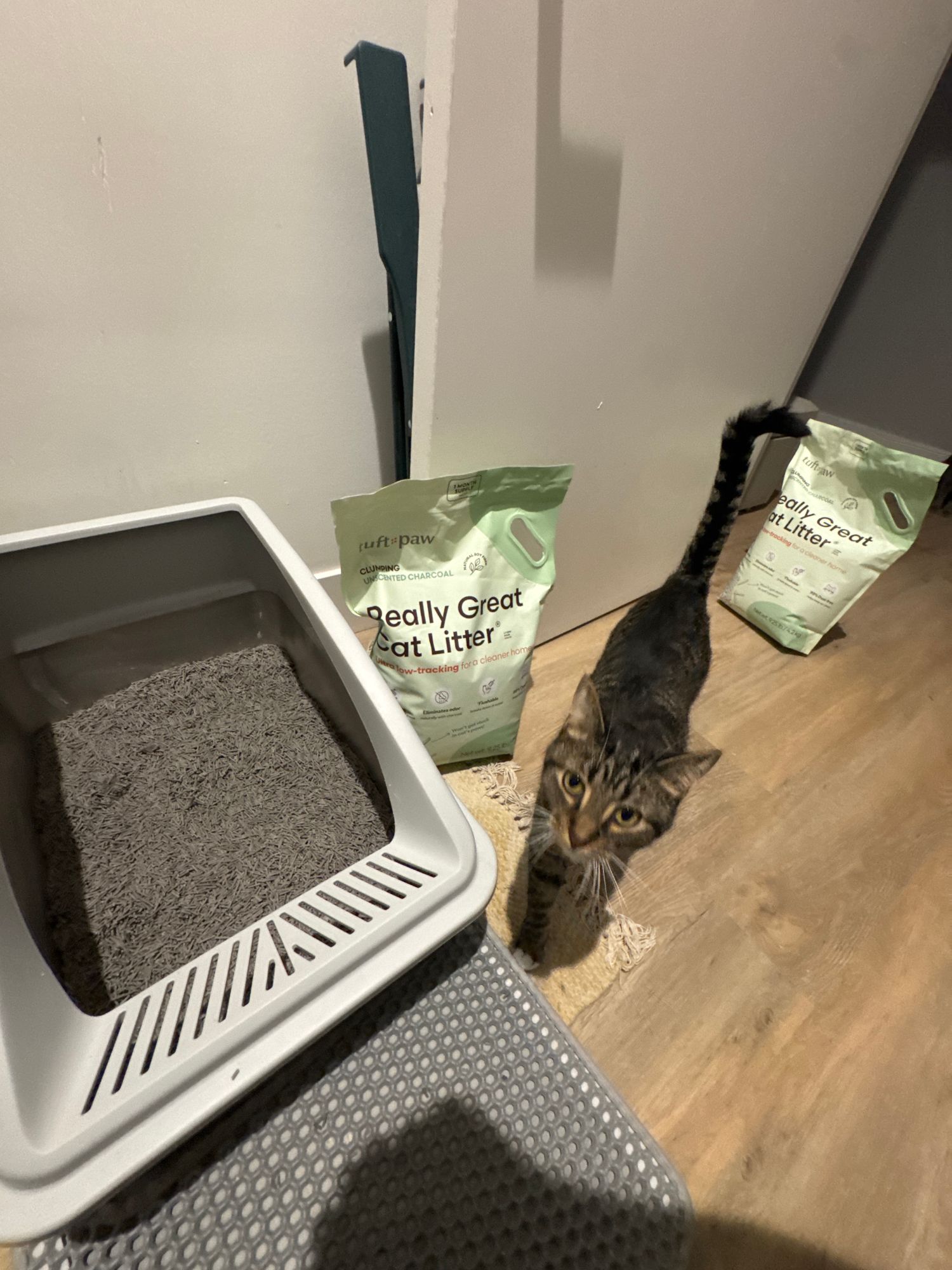
Place mats under and around the litter box to catch stray litter. Choose mats with a textured surface to trap litter effectively. Liners inside the box make cleaning easier and extend the box’s life. Replace liners regularly to prevent buildup of dirt and odors. These tools help keep the area neat and reduce tracking.
Odor Control Tips
Use clumping litter that traps odors well. Add baking soda to the litter for extra freshness. Ensure good ventilation in the litter area to reduce smells. Clean the surrounding floor regularly to prevent odor buildup. Avoid scented litters if your cat is sensitive to smells.
Creative And Space-saving Ideas
Finding the perfect spot for your cat’s litter box can be tricky, especially if space is tight or you want to keep things tidy. Creative and space-saving ideas can help you blend the litter area seamlessly into your home without sacrificing comfort for your pet. Let’s look at some clever ways to place the litter box that save space and keep your home looking neat.
Hidden Litter Boxes
Hiding the litter box is a smart way to keep your home smelling fresh and looking clean. You can use decorative screens, plants, or even old cabinets to conceal the box. I once turned an unused wooden crate into a cozy, hidden spot for my cat’s litter—it cut down on odor and kept the room clutter-free.
Think about spaces like under the stairs or inside a closet with the door slightly ajar. Just make sure there’s enough ventilation and easy access for cleaning. Could a hidden spot transform your cluttered corner into a tidy, pet-friendly area?
Furniture Integration
Furniture that doubles as a litter box cover can be a game changer. Look for pieces designed with a built-in compartment for the litter box or modify an existing one. A bench with a removable lid or a side table with a hidden compartment can keep the litter out of sight and add functionality to your room.
Choosing furniture with washable surfaces makes cleaning easier. If you’re handy, try adding a sliding door or curtain to a bookshelf to hide the box. How could you use your current furniture to make the litter box less noticeable?
Portable Litter Solutions
If you need flexibility, portable litter boxes are ideal. These come in lightweight designs with covers or carry handles. You can move them easily between rooms or tuck them away when guests come over.
Some models even have odor control features built-in. A portable solution gave me the freedom to keep my cat’s litter in the bathroom during the day and move it to the laundry room at night. Would a portable option help you manage space and keep your home fresh?
Credit: www.purina.com
Frequently Asked Questions
Where Is The Best Place To Put Cat Litter Box?
The best place is a quiet, low-traffic area with good ventilation. Avoid noisy or busy spots. Privacy helps cats feel safe and comfortable. Ensure easy access for your cat and easy cleaning for you.
Can Cat Litter Be Placed In The Bathroom?
Yes, the bathroom can be suitable if it’s quiet and spacious. Avoid areas near toilets or sinks to reduce moisture. Ensure good ventilation to prevent odors and dampness that cats dislike.
Should Cat Litter Box Be Kept Away From Food?
Yes, always keep the litter box away from your cat’s food and water bowls. This prevents contamination and encourages healthy eating habits. Cats prefer a clean separation between eating and toileting areas.
Is It Okay To Place Cat Litter Box Outside?
Placing a litter box outside is possible in mild climates. However, it risks exposure to weather, pests, and odors. Indoor placement is generally better for hygiene and cat comfort.
Conclusion
Choosing the right place for your cat’s litter box helps keep your home clean. Find a quiet spot where your cat feels safe. Avoid busy areas or places with loud noises. Ensure the area has good airflow to reduce odors.
Keep the box easy to reach for your cat. Regular cleaning also matters a lot. A well-placed litter box makes your cat happy and your home fresh. Simple steps lead to a better experience for both you and your pet.

Lily Purrington is the founder of MyKittyPicks.com, a cozy corner of the web dedicated to helping cat lovers discover the best cat products, furniture, toys, and home decor ideas.
A lifelong cat enthusiast, Lily shares trusted tips, honest product recommendations, and stylish inspiration designed to keep kitties happy and homes beautiful.
Her mission is simple: to bring together practical advice and purr-fect picks that make life better for cats and the people who love them.


