

Finding the perfect spot for your cat’s litter box in a small house can feel like a tricky puzzle. You want a place that’s convenient, discreet, and keeps your home smelling fresh.
But where do you start? You might worry about space, odor, and your cat’s comfort. Don’t worry—you’re not alone in this dilemma. Many cat owners face the same challenge, and there are clever solutions waiting for you. Imagine a home where the litter box is tucked away neatly, out of sight and out of mind.
Curious to know how to achieve that? Let’s explore the best spots in your cozy home where your cat’s litter box can fit seamlessly. You’ll discover tips that not only keep your home tidy but also ensure your furry friend is happy. Keep reading to find the perfect spot that suits both you and your cat!
Credit: www.litter-robot.com
Choosing The Right Spot
Finding the right spot for a cat litter box in a small house can be tricky. The space must be comfortable for your cat and convenient for you. A well-chosen place keeps your home fresh and your cat happy. Consider factors like noise, moisture, and ease of access. These help create a peaceful and clean environment for your pet.
Quiet And Low-traffic Areas
Cats prefer calm places for their litter box. Choose a spot away from loud noises and busy rooms. Avoid areas near washing machines or TVs. A quiet corner helps your cat feel safe. Low-traffic zones reduce stress and keep the box clean longer. Your cat will use the box more often if it feels secure.
Avoiding Moisture And Heat
Pick a dry place for the litter box. Moisture can cause odor and mold problems. Keep the box away from kitchens and bathrooms. Heat can dry out the litter quickly and cause smells. Avoid spots near heaters or direct sunlight. A cool, dry spot helps maintain a fresh and clean box.
Accessibility For Your Cat
Make sure your cat can easily reach the box. Avoid narrow hallways or places with obstacles. The entrance should be wide and open. Older or disabled cats need easy access without jumping. Place the box on a stable surface at ground level. Accessibility encourages regular use and reduces accidents.
Creative Placement Ideas
Finding the perfect spot for a cat litter box in a small house can be tricky. Creative placement ideas help keep your home tidy and your cat comfortable. Using clever spaces ensures the litter box stays out of sight but remains easy for your cat to reach. These ideas make small homes more livable for both you and your pet.
Under Furniture Solutions
Utilize the space under beds or sofas for a hidden litter box. Choose furniture with enough clearance to fit the box comfortably. This keeps the litter box discreet and protects it from dust. Adding a small curtain or screen can make the area look neat and inviting.
Closet Conversions
Turn a small closet into a private litter area. Remove shelves or doors to create enough space. This offers privacy for your cat and keeps odors contained. Ventilation is key, so leave the door open or use a vent fan to keep air fresh.
Bathroom Corners
Place the litter box in a quiet bathroom corner. Bathrooms often have tile floors, making cleaning easier. Position the box away from sinks and toilets to give your cat space. Use a small mat under the box to catch stray litter and keep the floor clean.
Using Space-saving Litter Boxes
Finding the right spot for a cat litter box in a small house can be tricky, but choosing a space-saving litter box can make a huge difference. These boxes are designed to fit into tight corners or blend discreetly with your home’s layout. They help keep your space tidy while giving your cat a comfortable area to do their business.
Compact Litter Box Designs
Compact litter boxes come in various shapes and sizes, perfect for small living spaces. Some are tall and narrow, fitting into corners or narrow gaps between furniture. Others have a low profile, sliding easily under cabinets or beds.
Think about your available spaces—could a tall box fit beside a bookshelf? Or maybe a shallow one under a desk? These designs help you use space that might otherwise go unused.
Covered Vs. Open Boxes
Deciding between covered and open litter boxes can impact both your cat’s comfort and your room’s cleanliness. Covered boxes contain odors better and hide litter mess, which is great in small rooms. However, some cats prefer open boxes for better ventilation and easier access.
Try observing your cat’s preferences. Does your cat like privacy, or do they avoid enclosed spaces? Your choice affects where the box fits best and how much maintenance you’ll need.
Diy Options
If store-bought boxes don’t suit your space or style, consider DIY options. A simple wooden box with a removable lid can be customized to fit tight spots. Adding a decorative screen or cabinet door can hide the box while allowing airflow.
DIY lets you tailor the size and look to your home’s exact needs. Have you thought about turning a small cabinet or bench into a hidden litter area? This approach keeps the box out of sight without sacrificing your limited space.

Credit: www.reddit.com
Maintaining Hygiene In Tight Spaces
Keeping a cat litter box clean in a small house requires careful attention. Tight spaces can trap odors and bacteria. This makes hygiene a top priority to keep your home fresh and your cat healthy. Small adjustments can make a big difference in managing cleanliness and comfort.
Ventilation Tips
Good airflow helps reduce moisture and odors. Place the litter box near a window or a vent if possible. Avoid enclosed cabinets that block air. Use a small fan to improve circulation in the room. This keeps the air fresh and lowers the risk of bacteria growth.
Odor Control Techniques
Use clumping litter to make cleaning easier and faster. Add baking soda to the litter to absorb smells. Try a covered litter box to trap odors inside. Replace the litter regularly to avoid buildup. Consider charcoal filters or odor-absorbing inserts to keep the air clean.
Regular Cleaning Routines
Scoop waste daily to prevent odor and bacteria. Wash the box with mild soap every week. Dry it completely before adding fresh litter. Use disposable liners to make cleaning quicker. Keep cleaning supplies nearby for easy access and consistent maintenance.
Multi-functional Furniture Ideas
Multi-functional furniture offers smart solutions for small homes. These pieces help save space and keep your cat’s litter box out of sight. They blend style with practicality, making your home tidy and organized.
Litter Box Furniture Combos
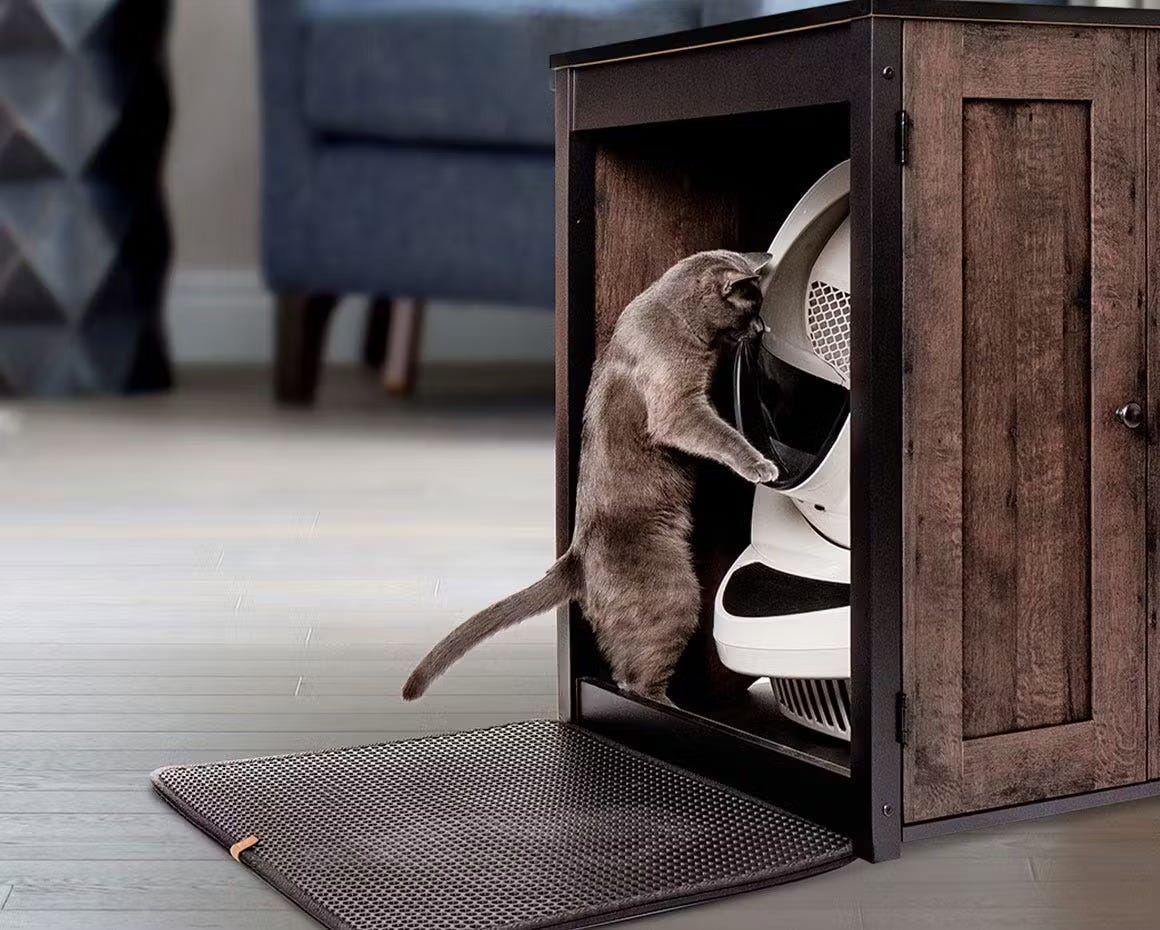
Furniture combos combine a litter box with another function. Examples include benches with hidden litter compartments. These pieces serve as seating while concealing the litter box. They reduce clutter and fit well in small rooms. You can place them near walls or in corners for easy access.
Hidden Storage Solutions
Hidden storage hides the litter box inside cabinets or cupboards. These spaces keep litter odors contained and out of view. Add ventilation holes to maintain airflow. Use shelves above for storing cat supplies. This option keeps everything neat and in one place.
Custom Builds For Small Spaces
Custom-built furniture fits your home’s exact measurements. Tailored designs maximize every inch of space. Consider a built-in litter box under a countertop or inside a closet. Custom pieces can match your room’s style and color. This creates a seamless look while meeting your cat’s needs.
Training Cats For New Litter Spots
Training cats for new litter spots takes patience and care. Cats like routine and may resist changes at first. Helping them adjust makes the transition smooth and stress-free. Use gentle steps to guide your cat to the new litter box location.
Introducing The New Location
Place the litter box in the new spot but keep the old one nearby at first. Let your cat explore both areas freely. This helps them get used to the new place without pressure. After a few days, remove the old litter box. Keep the new location quiet and private to make your cat comfortable.
Encouraging Consistent Use
Keep the litter box clean to attract your cat. Scoop daily and change litter regularly. Use the same litter type to avoid confusion. Praise your cat softly after it uses the new box. Offer small treats to build positive feelings. Keep feeding and playtime near the new spot to create a routine.
Handling Resistance
If your cat avoids the new spot, watch for signs of stress. Try moving the box slightly closer to the old place. Avoid forcing your cat into the new area. Clean accidents with enzyme cleaner to remove smells. Be patient and give your cat time. Consult a vet if problems continue or worsen.
Credit: www.litter-robot.com
Frequently Asked Questions
Where Is The Best Spot For A Litter Box In A Small House?
The best spot is a quiet, low-traffic area with good ventilation. Avoid noisy or busy places to keep cats comfortable and reduce odor buildup.
Can I Put A Litter Box In A Bathroom In A Small Home?
Yes, bathrooms work well if they are clean, private, and have good airflow. Ensure the box is away from sinks and tubs for hygiene.
How To Hide A Litter Box In A Small Space?
Use furniture with built-in litter box compartments or place boxes inside cabinets. This keeps the area tidy while providing privacy for your cat.
Should Litter Boxes Be Placed Near Cat Food In Small Houses?
No, avoid placing litter boxes near food or water. Cats prefer eating and toileting areas to be separate for hygiene and comfort.
Conclusion
Choosing the right spot for a cat litter box keeps your home clean and your cat happy. Find a quiet, low-traffic area with good ventilation. Avoid places near food or noisy appliances. Keep the box easy to reach but private enough for your cat’s comfort.
Regular cleaning helps control odors and encourages use. Small homes need smart space choices, but your cat’s needs come first. A well-placed litter box makes life easier for both you and your furry friend. Simple steps bring peace to your home and joy to your pet.

Lily Purrington is the founder of MyKittyPicks.com, a cozy corner of the web dedicated to helping cat lovers discover the best cat products, furniture, toys, and home decor ideas.
A lifelong cat enthusiast, Lily shares trusted tips, honest product recommendations, and stylish inspiration designed to keep kitties happy and homes beautiful.
Her mission is simple: to bring together practical advice and purr-fect picks that make life better for cats and the people who love them.


