
Have you ever stopped to wonder what exactly is in your cat’s litter? You scoop it daily, but do you really know what’s inside the box?
Understanding what makes up cat litter can help you choose the best option for your furry friend and your home. Whether you want to keep your cat healthy, control odors better, or find something eco-friendly, knowing the ingredients matters. Keep reading, and you’ll discover the surprising facts that can change the way you think about this everyday product.
Common Cat Litter Types
Cat litter comes in many types. Each type has unique features and materials. Knowing the common types helps you pick the right one for your cat.
Clumping Clay Litter
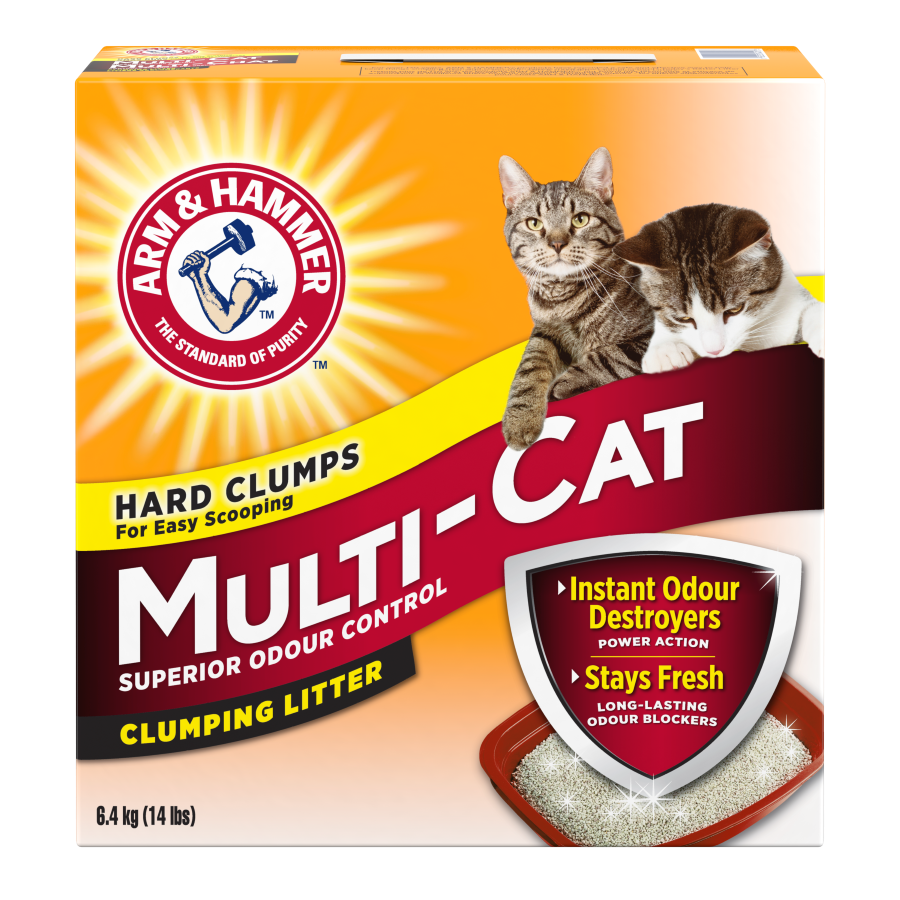
This litter uses bentonite clay. It forms hard clumps when wet. Clumps make cleaning easier and less messy. It controls odor well. Many cat owners prefer this type for convenience.
Non-clumping Clay Litter
Made from clays like kaolin or attapulgite. It absorbs moisture but does not clump. This litter needs full changing more often. It is usually cheaper than clumping types. Good for cats who dislike clumping litter texture.
Silica Gel Crystals
Made of tiny silica beads or crystals. These crystals absorb moisture and trap odors. Lasts longer than clay litters without changing. It is low dust and lightweight. Some cats find the texture unusual at first.
Natural And Biodegradable Litters
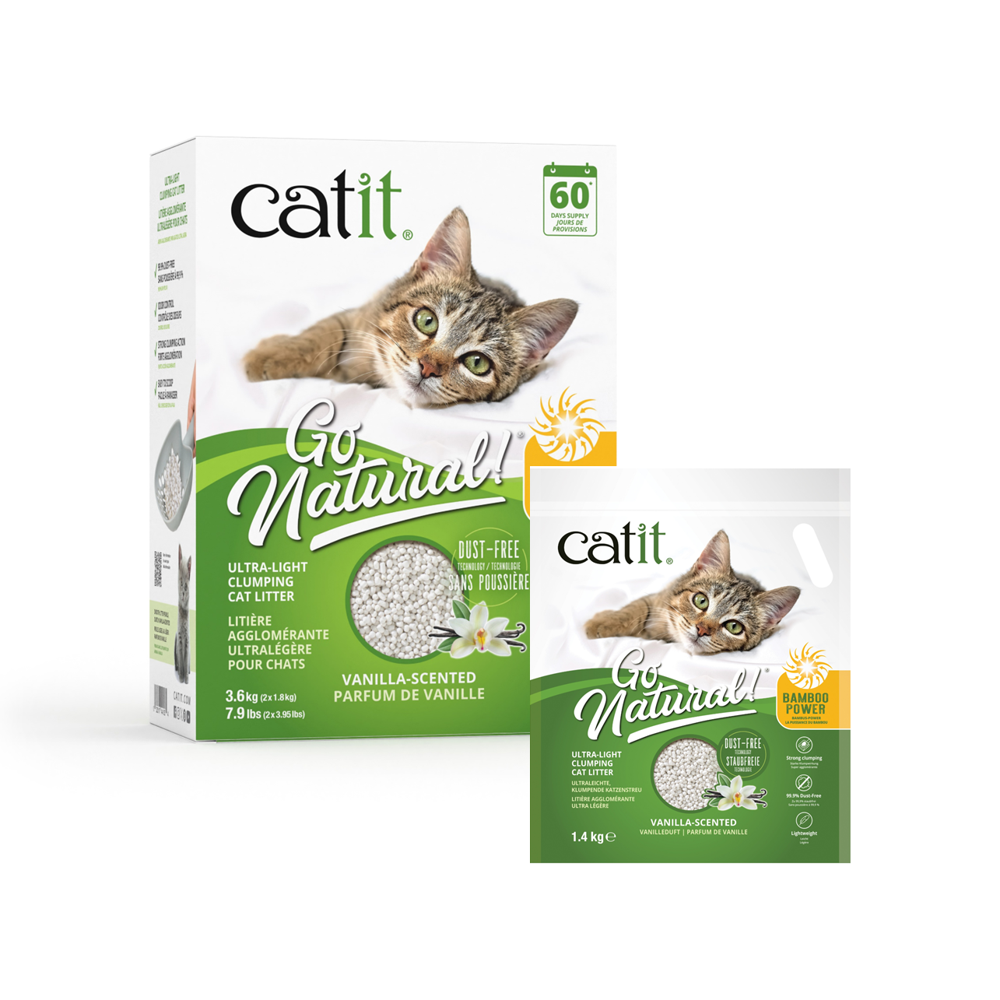
Made from materials like corn, wheat, pine, or paper. These litters break down easily in nature. They are eco-friendly and often dust-free. Some clump well, others do not. Good choice for sensitive cats and earth-conscious owners.
Credit: www.armandhammer.com
Key Ingredients In Cat Litter
Cat litter is essential for maintaining a clean home environment. Understanding its key ingredients helps in choosing the right type. Each ingredient plays a specific role in odor control, clumping, and absorption.
Sodium Bentonite Clay
Sodium Bentonite Clay is a popular choice in cat litter. It clumps quickly when wet, making scooping easier. This clay absorbs moisture efficiently, keeping the litter box dry. It’s a natural mineral, commonly found in clumping litters.
Diatomaceous Earth
Diatomaceous Earth is another common component. It is a naturally occurring soft rock. This ingredient aids in moisture absorption. It also helps in controlling odors. Diatomaceous Earth is gentle and safe for pets.
Activated Charcoal
Activated Charcoal is known for its odor-absorbing properties. It traps smells inside its porous structure. This ingredient keeps the litter box fresh longer. It is an effective option for odor control.
Fragrances And Deodorizers
Fragrances and deodorizers are often added to cat litter. They provide a pleasant smell, masking unwanted odors. These additives can vary from natural to synthetic scents. Some cats might be sensitive to strong fragrances.
Plant-based Components
Plant-Based Components offer a natural alternative. Materials like corn, wheat, or pine are used. They are biodegradable and eco-friendly. Plant-based litters are often dust-free and gentle on paws.
How Ingredients Affect Performance
Understanding what’s inside cat litter can help you choose the best option for your home and furry friend. The ingredients directly impact how well the litter performs in key areas like absorbency, odor control, dust creation, and safety. Let’s look closely at how these components affect your daily experience with cat litter.
Absorbency And Clumping
The main goal of cat litter is to absorb moisture quickly and form solid clumps for easy cleaning. Ingredients like bentonite clay are popular because they swell when wet, creating tight clumps that hold urine and waste together.
Some litters use silica gel crystals, which absorb liquids but don’t clump as strongly. You might notice these litters feel drier and last longer without needing a full change. Think about your cleaning routine—do you want quick clumps or longer-lasting dryness?
Odor Control
Ingredients like activated charcoal and baking soda are often added to trap smells. Clay litters sometimes include deodorizing chemicals to mask odors, but these can vary in effectiveness and scent strength.
Natural litters made from corn, wheat, or pine often rely on their natural smell-blocking properties. If your cat is sensitive to fragrances, or you want a more natural option, these might work better for you. What kind of odor control fits your lifestyle and preferences?
Dust Levels And Air Quality
Dust can irritate both cats and humans, especially those with allergies. Clay litters tend to produce more dust because of their fine particles, which can worsen air quality in your home.
Alternatives like wood or paper-based litters usually create less dust and feel softer under paws. If you’ve noticed sneezing or coughing near the litter box, it might be time to switch to a low-dust option.
Safety For Cats And Humans
Some ingredients, like clumping clay, can pose risks if ingested, especially for kittens or cats with respiratory issues. Biodegradable litters made from plant materials often provide a safer environment.
Think about your cat’s health history and your household members. Have you ever wondered if your litter could affect your cat’s breathing or your own allergies? Choosing the right ingredients can help keep everyone safer and more comfortable.

Credit: catit.ca
Health Benefits Of Different Litters
Choosing the right cat litter affects your cat’s health and your home’s cleanliness. Different litters offer various benefits for both pets and owners. Understanding these benefits helps you pick a litter that suits your needs and keeps your cat safe.
Reducing Allergens
Some cat litters control dust better than others. Low-dust or dust-free litters reduce airborne particles. This helps people with allergies breathe easier. Clumping litters often trap odors and allergens inside. Natural litters made from corn, wheat, or wood reduce chemical exposure. These litters keep the air cleaner and healthier.
Preventing Infections
Certain litters contain ingredients that kill bacteria and germs. Antibacterial litters lower the risk of infections for cats and humans. Clumping litters make it easier to remove waste quickly. This prevents harmful bacteria from growing in the litter box. Some litters also reduce the smell of ammonia, which can irritate the nose and lungs.
Eco-friendly Options For Wellbeing
Eco-friendly litters are made from natural, biodegradable materials. These litters break down faster in landfills and reduce pollution. They avoid harmful chemicals that can affect your cat’s skin and health. Sustainable litters often come from recycled wood, paper, or plant fibers. Choosing eco-friendly options supports a healthier environment and safer home.
Environmental Impact
The environmental impact of cat litter is an important factor to consider. Many types of cat litter have different effects on nature. Choosing the right litter can help reduce pollution and waste. Understanding how litter breaks down and what it is made from matters for the planet.
Biodegradability And Composting
Biodegradable cat litter breaks down naturally over time. It often comes from plant-based materials like corn, wheat, or wood. This type of litter can sometimes be composted safely. Composting cat litter reduces landfill waste and returns nutrients to the soil. Not all biodegradable litters are safe for composting. Litter with chemicals or cat waste should be handled carefully.
Sustainability Of Raw Materials
Some cat litters use renewable resources that grow quickly. Materials like corn, wheat, or recycled paper cause less harm to the environment. Clay-based litters use non-renewable minerals and require mining. Mining damages landscapes and consumes energy. Sustainable litters also avoid harmful chemicals and additives. Choosing litter with eco-friendly ingredients supports better resource use.
Waste Disposal Considerations
Cat litter waste often goes to landfills. Clay litter takes a long time to break down. It adds to landfill volume and pollution. Biodegradable litters reduce landfill burden but need proper disposal. Flushing litter can harm water systems and wildlife. Some communities offer special disposal or composting options. Checking local rules helps manage litter waste safely.
Choosing The Right Cat Litter
Choosing the right cat litter matters for both you and your cat. The right litter keeps your home fresh and your cat happy. Different litters have different ingredients, textures, and odors. Picking the best one depends on your cat’s needs and your lifestyle. Consider your cat’s preferences and your budget to find the ideal fit.
Matching Litter To Cat Preferences
Cats can be picky about their litter. Some prefer fine, sandy textures while others like clumping types. Pay attention to your cat’s behavior and comfort. Watch if they avoid the box or dig a lot. Scented litters may bother sensitive cats. Unscented, natural litters often work well for delicate noses. Observe your cat’s reaction to find what suits them best.
Balancing Cost And Benefits
Cat litter prices vary widely. Cheaper litters may save money but need frequent changes. Premium litters often clump better and control odor longer. Think about how much litter your cat uses daily. Calculate the cost per use, not just the price per bag. Sometimes paying more upfront saves time and effort later. Choose a litter that fits your budget and cleaning routine.
Tips For Transitioning Litters
Changing litter can stress cats. Switch slowly to avoid upset. Mix the new litter with the old one at first. Gradually increase the new litter over several days. Keep the litter box clean during the transition. Watch your cat’s behavior closely. If problems arise, slow down the change or try a different litter. Patience helps your cat adjust smoothly.

Credit: catit.ca
Frequently Asked Questions
What Ingredients Are Commonly Found In Cat Litter?
Cat litter often contains clay, silica gel, recycled paper, or natural materials like wood. These ingredients help absorb moisture and control odor effectively.
How Does Clay Cat Litter Work For Odor Control?
Clay litter clumps when wet, trapping moisture and odors inside. This makes cleaning easier and helps keep the litter box fresh longer.
Are Natural Cat Litters Safe For Cats And Environment?
Yes, natural litters made from materials like corn, wheat, or wood are biodegradable and non-toxic. They are safer for pets and eco-friendly.
What Is Silica Gel Cat Litter Made Of?
Silica gel litter consists of tiny crystals that absorb moisture and odors. It lasts longer without frequent changing compared to clay-based litters.
Conclusion
Cat litter contains materials that absorb moisture and control odor. Common ingredients include clay, silica, and natural fibers. Each type offers different benefits for cats and owners. Knowing what is inside helps you choose the best option. Clean litter keeps your cat healthy and your home fresh.
Always check the label before buying. Simple care makes a big difference for your pet’s comfort. Understanding cat litter ingredients supports better pet care every day.

Lily Purrington is the founder of MyKittyPicks.com, a cozy corner of the web dedicated to helping cat lovers discover the best cat products, furniture, toys, and home decor ideas.
A lifelong cat enthusiast, Lily shares trusted tips, honest product recommendations, and stylish inspiration designed to keep kitties happy and homes beautiful.
Her mission is simple: to bring together practical advice and purr-fect picks that make life better for cats and the people who love them.


