

If you have a cat or are thinking about getting one, you’ve probably heard about a cat litter box. But what exactly is it, and why is it so important for both you and your furry friend?
Understanding what a cat litter box is can make a big difference in keeping your home clean and your cat happy. You’ll discover everything you need to know about cat litter boxes—how they work, the different types, and tips to choose the perfect one for your cat.
Keep reading to make sure you’re giving your pet the best comfort while keeping your space fresh and tidy.

Credit: www.amazon.ca
Types Of Cat Litter Boxes
Cat litter boxes come in various styles to suit different cats and homes. Choosing the right type helps keep your space clean and your cat happy. Each type has unique features and benefits.
Open Litter Boxes
Open litter boxes are simple trays without covers. They offer easy access and good airflow. Cats can enter and exit freely. Cleaning is quick and straightforward. These boxes suit cats that dislike confined spaces.
Covered Litter Boxes
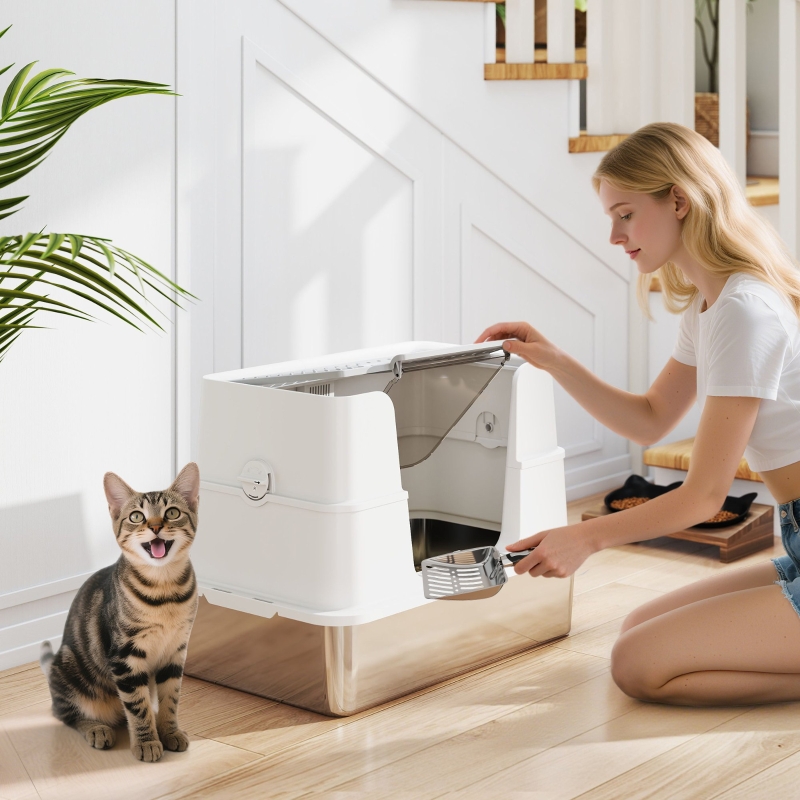
Covered litter boxes have a lid or hood. They provide privacy and reduce odor spread. These boxes keep litter inside, cutting down mess. Some cats may feel trapped, so watch their comfort. Covers help maintain a tidier home environment.
Self-cleaning Litter Boxes
Self-cleaning litter boxes use sensors to detect waste. They automatically scoop and store clumps in a compartment. These boxes save time and effort for owners. Regular maintenance is still needed to empty waste trays. Ideal for busy pet parents.
Disposable Litter Boxes
Disposable litter boxes are made for short-term use. Often lightweight and made from biodegradable materials. Perfect for travel or temporary situations. After use, simply throw them away. They offer convenience without cleaning hassles.
Materials Used In Litter Boxes
Choosing the right material for your cat’s litter box can make a big difference in cleanliness, durability, and your cat’s comfort. Different materials offer various benefits and challenges, so understanding what’s available helps you pick the best option for your home and pet. Let’s look at the most common materials used in litter boxes and what you should consider for each.
Plastic Boxes
Plastic is the most popular material for litter boxes because it’s lightweight, affordable, and easy to clean. Most plastic boxes come with smooth surfaces that prevent litter from sticking, making daily maintenance simpler.
However, plastic can absorb odors over time if not cleaned regularly. You might notice your cat avoiding the box if it smells unpleasant. Choosing high-quality, odor-resistant plastic can help reduce this issue.
Biodegradable Options
Biodegradable litter boxes are gaining attention for being eco-friendly alternatives. Made from materials like bamboo, wheat straw, or recycled paper, these boxes often break down naturally after disposal.
These options are great if you want to reduce plastic waste. Keep in mind, though, they might not be as durable as plastic, and some require more careful cleaning to avoid damage. Have you tried a biodegradable box, and how did your cat react?
Other Materials
Beyond plastic and biodegradable choices, there are litter boxes made from ceramic, metal, or wood composites. Ceramic boxes offer sturdiness and can be easier to clean but tend to be heavier and more expensive.
Metal boxes are durable but can be noisy and cold, which some cats dislike. Wood composites provide natural aesthetics and good odor control but may require extra care to prevent moisture damage.
Think about your cat’s preferences and your cleaning habits when exploring these less common materials. What kind of litter box material feels right for your lifestyle?
Choosing The Right Size
Choosing the right size for a cat litter box is essential for your cat’s comfort and hygiene. A well-sized box encourages your cat to use it regularly and helps avoid accidents around the house. Picking the perfect size depends on a few key factors that relate directly to your cat’s needs.
Consider Your Cat’s Size
The litter box must fit your cat comfortably. Your cat should be able to turn around easily without touching the sides. For small cats, a compact box works well. Larger cats need more space to move freely. Measure your cat from nose to tail to choose the right length. A good rule is the box should be at least one and a half times your cat’s length.
Number Of Cats In Household
Multiple cats need more or bigger litter boxes. The general advice is one litter box per cat plus one extra. This reduces stress and territorial disputes. Using larger boxes or more boxes helps keep the area cleaner. More boxes mean less chance of accidents and happier cats.
Types Of Cat Litter
Choosing the right cat litter can make a big difference for both you and your cat. Cat litter comes in various types, each with unique features. Understanding these can help keep your home clean and your cat happy.
Clumping Vs Non-clumping
Clumping litter forms solid clumps when wet. It makes cleaning easier because you can scoop out waste quickly. Non-clumping litter absorbs moisture but does not form clumps. It often needs full replacement more often. Many cat owners prefer clumping for convenience.
Natural Vs Synthetic Litters
Natural litters use materials like clay, corn, wheat, or pine. They are eco-friendly and biodegradable. Synthetic litters use man-made materials like silica gel crystals. These absorb moisture well and control odor for longer. Natural litters are softer on paws, while synthetic litters last longer.
Scented Vs Unscented Options
Scented litter masks odors with added fragrances. It may keep the litter box smelling fresh. Unscented litter does not have any fragrance. It is better for cats sensitive to smells or allergies. Many cats prefer unscented because it feels more natural to them.
Placement And Maintenance
Cat litter boxes are essential for indoor cats. Their placement and maintenance are crucial. Proper location and care ensure a clean home. It also keeps your cat healthy and happy.
Best Locations For Litter Boxes
Place the litter box in a quiet spot. Avoid busy areas of your home. Cats need privacy when using the litter box.
Keep the box away from their food and water. Cats dislike eating near their waste. A separate location keeps them comfortable.
Ensure easy access to the litter box. Avoid placing it behind closed doors. Cats need to reach it quickly and easily.
Cleaning Frequency And Tips
Scoop the litter box daily to remove waste. Fresh litter is important for odor control. It also prevents bacteria growth.
Change the litter completely each week. Wash the box with mild soap and water. Let it dry before adding new litter.
Keep a small trash bin nearby for easy disposal. This convenience encourages regular cleaning.
Odor Control Strategies
Use a high-quality, odor-absorbing litter. It helps manage unpleasant smells. Unscented litter is often preferred by cats.
Consider using baking soda in the litter. It absorbs odors naturally. Sprinkle a small amount before adding new litter.
Ensure proper ventilation in the litter box area. It helps disperse odors. Open windows or use fans if necessary.
Special Features To Look For
Choosing the right cat litter box goes beyond just size and shape. Special features can make a huge difference in how your cat uses the box and how easy it is for you to maintain it. Paying attention to these details can improve your cat’s comfort and reduce mess around your home.
High Sides And Entry Points
High sides help contain litter scatter and reduce spills, especially if your cat tends to dig vigorously. They also offer privacy, which many cats appreciate. However, consider your cat’s age and agility—older cats or kittens might struggle with high entry points, so look for models with a low or ramped entry for easy access.
Filters And Carbon Covers
Odor control is a common concern for cat owners. Many litter boxes come with built-in filters or carbon covers designed to trap unpleasant smells. If you’ve experienced lingering odors despite regular cleaning, a box with these features could be a game changer for your home’s freshness.
Ease Of Cleaning
Cleaning a litter box can be a daily chore, but some designs make it simpler. Look for boxes with removable liners, smooth surfaces, and detachable parts. These features reduce cleaning time and effort, letting you spend more quality time with your cat instead of scrubbing litter mess.
Common Problems And Solutions
Cat litter boxes can bring common challenges for pet owners. These issues affect both the cat’s comfort and the cleanliness of your home. Understanding these problems helps you find practical solutions quickly. This section covers typical difficulties and ways to fix them.
Litter Box Avoidance
Cats may avoid the litter box for several reasons. The box might be dirty or placed in a noisy area. Some cats dislike the type of litter used or the box size. Stress and health problems can also cause avoidance.
- Clean the box daily to keep it fresh.
- Choose a quiet, private spot for the box.
- Try different litter types to find your cat’s favorite.
- Use a larger box to give more space.
- Consult a vet to rule out health issues.
Mess And Tracking Issues
Litter often ends up outside the box. Cats track litter on their paws as they leave. This can dirty floors and carpets. Some litters stick more than others, increasing mess.
- Use a litter mat to catch stray granules.
- Pick low-tracking litter types like crystals or pellets.
- Place the box away from carpeted areas.
- Clean surrounding floors regularly.
- Trim your cat’s paw fur to reduce tracking.
Health Concerns
Dirty litter boxes can cause infections and odors. Some cats develop urinary or kidney problems from poor hygiene. Allergies to litter dust may affect both cats and humans.
- Change litter completely every week.
- Wash the box with mild soap and water.
- Use dust-free, hypoallergenic litter.
- Watch for signs like frequent urination or blood.
- Visit the vet promptly for any health concerns.

Credit: www.petsafe.com
Credit: www.aosom.ca
Frequently Asked Questions
What Is A Cat Litter Box Used For?
A cat litter box provides a designated spot for cats to urinate and defecate indoors. It helps keep homes clean and odor-free by containing waste in one area.
How Do I Choose The Right Cat Litter Box?
Choose a litter box size suitable for your cat’s size and habits. Consider covered boxes for privacy or open ones for easy access and cleaning.
How Often Should I Clean A Cat Litter Box?
Scoop waste daily to maintain hygiene and reduce odors. Fully change the litter and wash the box with mild soap weekly.
What Types Of Cat Litter Boxes Are Available?
Common types include open trays, covered boxes, self-cleaning, and disposable options. Each offers different benefits for odor control and maintenance.
Conclusion
A cat litter box is a key part of pet care. It helps keep your home clean and your cat happy. Choosing the right box and litter makes a big difference. Regular cleaning keeps odors away and your cat comfortable.
Understanding the basics helps you create a good space for your cat. A simple tool, but very important. Caring for your cat’s litter box shows love and responsibility. It makes life easier for both you and your pet.

Lily Purrington is the founder of MyKittyPicks.com, a cozy corner of the web dedicated to helping cat lovers discover the best cat products, furniture, toys, and home decor ideas.
A lifelong cat enthusiast, Lily shares trusted tips, honest product recommendations, and stylish inspiration designed to keep kitties happy and homes beautiful.
Her mission is simple: to bring together practical advice and purr-fect picks that make life better for cats and the people who love them.


