
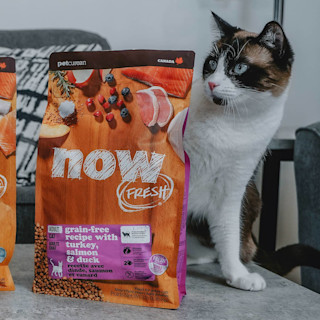
Have you ever stopped to wonder what exactly goes into your cat’s food? You want to make sure your furry friend is eating something healthy and safe, but the ingredients can sometimes be confusing.
Understanding what cat food is made out of can help you choose the best option for your pet’s health and happiness. Keep reading, because knowing what’s inside your cat’s bowl could make a big difference in their energy, coat, and overall well-being.
Let’s dive into the real story behind cat food ingredients.
Common Ingredients In Cat Food
Understanding what goes into your cat’s food can help you make better choices for their health and happiness. Cat food is made up of several key ingredients that provide essential nutrients, energy, and flavor. Let’s look closely at the most common components that you’ll find in many cat food products.
Meat And Animal By-products
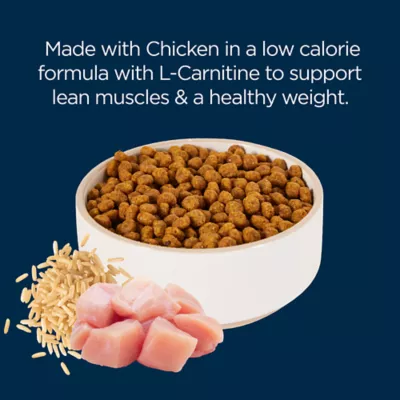
Meat is the primary ingredient in most cat foods because cats are obligate carnivores, meaning they need animal protein to thrive. Ingredients like chicken, beef, turkey, and fish supply crucial amino acids such as taurine, which cats cannot produce on their own.
Animal by-products often sound unappealing, but they can include nutrient-rich parts like liver, heart, and kidneys. These provide vitamins and minerals that support your cat’s overall health. However, it’s important to choose foods where the source and quality of by-products are clearly stated.
Grains And Vegetables
Grains like rice, corn, and barley are sometimes added as fillers or to provide carbohydrates for energy. While cats don’t require a lot of carbs, small amounts can help with digestion and provide fiber.
Vegetables such as peas, carrots, and sweet potatoes add fiber, vitamins, and antioxidants. Some cats may benefit from these ingredients, but if your cat has allergies or sensitivities, you’ll want to watch the ingredient list carefully.
Vitamins And Minerals
Vitamins and minerals are essential to keep your cat’s body functioning properly. Cat food often includes added supplements like vitamin E, vitamin B complex, calcium, and phosphorus.
These nutrients support everything from bone health to immune function. Without these added vitamins and minerals, your cat’s diet might lack the balance they need to stay healthy.
Credit: www.petsmart.ca
Protein Sources
Protein is a key part of cat food. It helps build strong muscles and keeps cats healthy. Cats need high-quality protein because they are natural meat eaters. Cat food often uses different types of animal proteins. These sources provide essential nutrients cats must have.
Chicken And Poultry
Chicken and other poultry are common protein sources in cat food. They contain important amino acids that support cat growth. Poultry is easy to digest and rich in vitamins. Many cats enjoy the taste of chicken, making it a popular choice.
Fish And Seafood
Fish and seafood offer unique nutrients like omega-3 fatty acids. These help keep a cat’s skin and coat healthy. Fish proteins are highly digestible and provide essential minerals. Common fish used include salmon, tuna, and whitefish.
Beef And Lamb
Beef and lamb supply strong protein and iron for energy. These meats have a rich flavor that cats often prefer. They provide important nutrients such as zinc and B vitamins. Beef and lamb are good options for cats with poultry allergies.
Carbohydrates And Fillers
Carbohydrates and fillers play a big role in cat food. They provide energy and help bind ingredients together. Cats are carnivores, but carbs can still appear in their diets. These ingredients often come from grains or vegetables. Knowing what these fillers are helps you understand your cat’s food better.
Corn And Wheat
Corn and wheat are common fillers in cat food. They are cheap sources of carbohydrates. These grains add bulk to the food and provide some energy. But cats do not digest grains well. Some cats may even have allergies to corn or wheat. These ingredients are often used to lower food costs.
Rice And Potatoes
Rice and potatoes are other common carbohydrate sources. They are easier to digest than corn or wheat. Rice is gentle on a cat’s stomach and provides quick energy. Potatoes also add moisture and texture to the food. Both are used to replace more expensive meat ingredients in some recipes.
Credit: www.bluebuffalo.com
Preservatives And Additives
Preservatives and additives play a crucial role in cat food. They keep the food fresh, safe, and tasty for your feline friend. But not all preservatives are the same, and knowing the difference can help you make better choices for your cat’s health.
Natural Preservatives
Natural preservatives come from plants or other natural sources. Common ones include vitamin E (often listed as mixed tocopherols) and vitamin C. These ingredients help prevent fats in the food from going rancid, without adding chemicals.
Have you noticed how some cat foods list rosemary extract or citric acid? These are natural additives that also help keep the food fresh. They’re generally safer and better tolerated by cats, especially those with sensitive stomachs.
Artificial Preservatives
Artificial preservatives are man-made chemicals added to extend shelf life. Examples include BHA (butylated hydroxyanisole), BHT (butylated hydroxytoluene), and ethoxyquin. These chemicals are effective but have raised concerns among pet owners about potential long-term health risks.
When you read labels with these preservatives, consider how often you feed your cat that food. Could frequent exposure affect their wellbeing? Some cat owners switch to foods with natural preservatives to avoid these worries.
Surprising Ingredients
Cat food often contains ingredients that surprise many pet owners. Beyond the usual chicken and fish, manufacturers experiment with diverse sources to boost nutrition and sustainability. These surprising ingredients can offer unique benefits for your cat’s health and even impact the environment.
Exotic Meats
Have you ever seen cat food with kangaroo, alligator, or bison listed as the main protein? Exotic meats are becoming popular because they are less likely to cause allergic reactions in cats. These proteins provide essential amino acids and can offer a novel taste that some picky eaters prefer.
Using exotic meats also helps reduce reliance on traditional livestock farming. This switch can lower environmental impact and support biodiversity. If your cat has food sensitivities, trying a formula with exotic meat might be worth considering.
Insects And Alternative Proteins
Insects like crickets and black soldier fly larvae are now making their way into cat food recipes. They are rich in protein, vitamins, and minerals. Plus, insect farming uses far less water and land compared to raising cattle or poultry.
Some cat food brands use plant-based proteins combined with insects to create balanced meals. You might wonder if your cat will accept such an unusual ingredient. Many cats adapt quickly, especially when the taste is appealing and the food supports their health.
Herbs And Botanicals
Herbs such as rosemary, chamomile, and turmeric are added to some cat foods for their natural antioxidant and anti-inflammatory properties. These botanicals help support your cat’s immune system and digestion without synthetic additives.
Have you noticed your cat’s coat shining more or their digestion improving after switching to food with herbs? These natural ingredients can enhance overall wellbeing. Always check ingredient labels to ensure the herbs used are safe and beneficial for cats.
Nutritional Value Considerations
Understanding the nutritional value of cat food is essential for keeping your feline friend healthy and happy. Cats have unique dietary needs that differ significantly from other pets. Paying attention to what goes into their food can help you make better choices that support their overall well-being.
Balancing Protein And Fat
Cats are obligate carnivores, which means they need a diet high in animal-based protein. Protein provides the building blocks for muscles, skin, and organs, so it’s crucial for their health.
Fat is another important energy source for cats. It also helps absorb fat-soluble vitamins like A, D, E, and K. However, too much fat can lead to weight gain, so the balance between protein and fat matters.
Have you ever checked the label on your cat’s food to see how much protein and fat it contains? Aim for foods where protein is the primary ingredient, followed by moderate fat content to keep your cat active and lean.
Essential Nutrients For Cats
Cats require specific nutrients that you might not find in other pet foods. Taurine, an amino acid, is critical for heart health and vision. Without enough taurine, cats can develop serious health issues.
Other essentials include arachidonic acid (a type of fat), vitamin A, and vitamin B12. Unlike dogs, cats cannot convert certain plant-based nutrients into usable forms, so their food must include these nutrients directly.
Next time you pick up a bag of cat food, check if it lists taurine and other essential nutrients. Your cat’s health depends on these details, even if they don’t seem obvious at first glance.
Trends In Cat Food Ingredients
Trends in cat food ingredients have shifted a lot in recent years. Pet owners want healthier and safer options for their cats. This demand influences how companies choose and label their ingredients.
Many brands now focus on quality and transparency. They aim to provide nutrition that supports cats’ natural diets and lifestyles. This means fewer fillers and more real, recognizable ingredients.
Organic And Natural Options
Organic and natural cat foods use ingredients grown without chemicals or pesticides. These options appeal to owners who want pure and clean nutrition for their pets. They often contain:
- Organic meat or fish
- Natural fruits and vegetables
- Whole grains or legumes without additives
These ingredients reduce exposure to artificial substances. Cats benefit from fewer allergens and better digestibility. Natural preservatives like vitamin E replace synthetic chemicals.
Grain-free Diets
Grain-free diets avoid corn, wheat, and soy. Some cats have trouble digesting grains or show allergies. Grain-free foods replace grains with:
- Potatoes or peas
- Other vegetables
- High protein from meat or fish
These diets focus on higher protein and fat, mimicking a cat’s natural prey. Many pet owners choose grain-free options to help with digestion and skin health. Still, it is important to check the full ingredient list for balance.
Credit: www.whiskas.ca
Reading Cat Food Labels
Reading cat food labels can feel like decoding a secret message. But understanding what’s inside your cat’s meal is key to keeping them healthy and happy. Learning to read these labels helps you spot nutritious choices and avoid fillers or harmful additives.
Decoding Ingredients List
The ingredients list on cat food is usually ordered by weight, so the first few ingredients matter most. Look for real meat like chicken, turkey, or fish near the top. Ingredients such as “meat by-products” or “animal digest” can be vague and may not offer much nutrition.
Grains like corn or wheat often appear as fillers. While some cats tolerate grains well, many benefit from grain-free options. Also, watch out for artificial colors, flavors, and preservatives—they add nothing good to your cat’s diet.
Have you ever noticed terms like “meal” or “by-product”? “Chicken meal,” for example, is concentrated protein from chicken and can be good, but “by-products” are less clear and can include parts you might not want feeding your pet.
Identifying Quality Brands
Not all cat food brands are created equal. Trusted brands usually provide transparency about their sourcing and manufacturing processes. Check if the brand has veterinary nutritionists on staff or follows AAFCO (Association of American Feed Control Officials) standards.
Look for brands that list specific protein sources and avoid vague terms. You can also check online reviews and ask your vet for recommendations. Sometimes, spending a little more on quality food saves money and stress on vet bills down the road.
Does your cat’s food label inspire confidence or leave you guessing? Your choices directly impact your cat’s energy, coat, and overall well-being. Take a moment next time you shop to read the label like you mean it—it makes a difference.
Frequently Asked Questions
What Are The Main Ingredients In Cat Food?
Cat food mainly contains animal proteins like chicken, fish, and beef. It also includes fats, vitamins, minerals, and sometimes grains or vegetables to provide balanced nutrition.
Why Is Protein Important In Cat Food?
Protein supplies essential amino acids cats need for muscle growth, energy, and overall health. Cats are obligate carnivores, so animal-based proteins are vital for their diet.
Are Grains Necessary In Cat Food?
Grains are not essential but often included as fillers or fiber sources. Many cats tolerate grains well, but some require grain-free options due to allergies or sensitivities.
How Do Manufacturers Ensure Cat Food Safety?
Manufacturers follow strict quality control, ingredient sourcing, and testing protocols. These steps ensure cat food is free from harmful substances and meets nutritional standards.
Conclusion
Cat food contains proteins, fats, vitamins, and minerals. These ingredients help keep cats healthy and strong. Understanding what is in cat food helps you make better choices. Always check labels for quality ingredients your cat needs. Good nutrition supports energy, growth, and a shiny coat.
Feeding the right food shows you care about your pet. Simple, balanced meals make cats happy and active every day. Knowing what cat food is made of matters for your pet’s health.

Lily Purrington is the founder of MyKittyPicks.com, a cozy corner of the web dedicated to helping cat lovers discover the best cat products, furniture, toys, and home decor ideas.
A lifelong cat enthusiast, Lily shares trusted tips, honest product recommendations, and stylish inspiration designed to keep kitties happy and homes beautiful.
Her mission is simple: to bring together practical advice and purr-fect picks that make life better for cats and the people who love them.


