
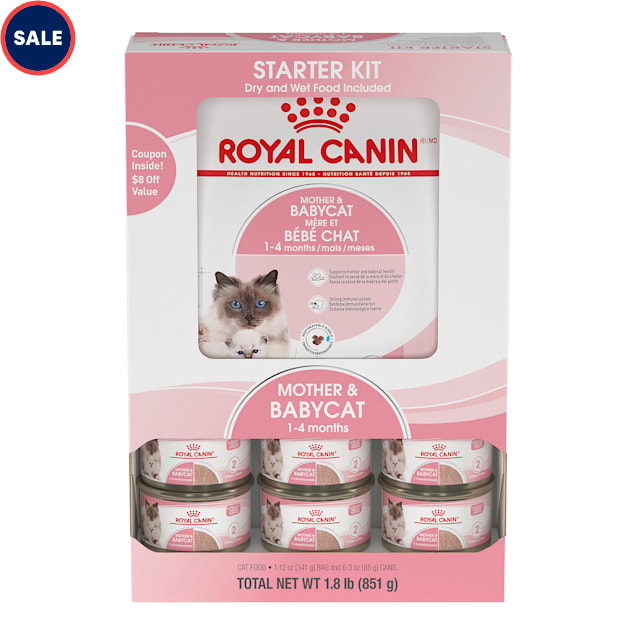
If you have a nursing cat, you want to make sure she gets the best nutrition possible. What you feed her now doesn’t just affect her health—it directly impacts her kittens’ growth and well-being.
But with so many options out there, how do you know what food is truly good for nursing cats? You’ll discover simple, practical advice to help your cat stay strong and healthy during this critical time. Keep reading to learn exactly what your nursing cat needs to thrive.
Nutritional Needs Of Nursing Cats
Nursing cats have special dietary needs. Their bodies work harder to feed their kittens. Proper nutrition supports milk production and keeps the mother healthy. A balanced diet helps her regain strength after birth.
Understanding these needs helps provide the best care for nursing cats. The food must supply extra calories and nutrients. This supports both the mother and her growing kittens.
Increased Caloric Requirements
Nursing cats need more energy than usual. Their calorie intake should double or even triple. This energy fuels milk production and daily activity. Feeding high-calorie food is essential to meet these demands.
Protein Needs For Milk Production
Protein is crucial for nursing cats. It helps build milk and maintain muscle. Diets with high-quality protein sources work best. Look for foods rich in animal-based proteins like chicken or fish.
Essential Vitamins And Minerals
Vitamins and minerals support the cat’s immune system and overall health. Calcium is vital for strong bones and milk quality. Vitamins A and E help cell repair and growth. Balanced nutrients prevent deficiencies during nursing.
Water intake must increase for nursing cats. Milk production uses a lot of fluids. Fresh water should always be available. Wet cat food can also help maintain hydration.
Protein Sources
Protein is essential for nursing cats, as it supports milk production and helps maintain the mother’s energy and strength. Choosing the right protein sources ensures your cat gets the nutrients needed for her health and the kittens’ growth. Let’s look at the best types of protein you can offer.
Animal-based Proteins
Animal proteins are the most natural and effective sources of nutrition for nursing cats. They provide all the essential amino acids that cats need, which plant proteins often lack.
- Chicken:Lean and easy to digest, chicken is a great protein choice. Cook it thoroughly without seasoning to avoid upsetting your cat’s stomach.
- Turkey:Another lean option, turkey is rich in protein and low in fat, supporting muscle repair and milk production.
- Fish:Salmon and tuna are popular but should be given in moderation. They contain omega-3 fatty acids that help with coat health and inflammation.
- Beef:Offers a dense source of protein and iron. Ensure it’s cooked well and served in small, manageable portions.
Have you noticed how your nursing cat reacts differently to various meats? Some cats may prefer turkey over chicken or vice versa. Observing these preferences can help you provide the best nutrition tailored to your cat’s taste and needs.
Plant-based Proteins
While cats are obligate carnivores, small amounts of plant-based proteins can complement their diet. However, these should never replace animal proteins.
- Peas:Often found in commercial cat foods, peas provide fiber and some protein. They support digestion but don’t fulfill all protein needs.
- Lentils:Contain protein and fiber but can be harder to digest for cats. Use sparingly and only if mixed with animal protein.
- Chickpeas:Another source of protein and fiber, chickpeas can be included in small amounts, especially in homemade diets.
Have you thought about the balance between plant and animal proteins in your cat’s diet? Too much plant protein can leave your cat nutrient deficient. Focus on animal proteins first and use plant sources only as supplements.
Fats And Oils
Fats and oils play a crucial role in the diet of nursing cats. They provide a dense source of energy, which is vital for mothers producing milk for their kittens. Additionally, fats support healthy skin, a shiny coat, and overall well-being during this demanding phase.
Healthy Fat Options
You want to focus on fats that are easy to digest and packed with nutrients. Good choices include animal fats like chicken fat and fish oil, which offer essential energy without upsetting the cat’s stomach. Adding a small amount of these fats to your cat’s meals can boost her calorie intake without increasing the food volume.
Vegetable oils such as flaxseed or safflower oil can also be beneficial but should be given sparingly. Make sure the oils are fresh, as rancid fats can harm your cat’s health. Have you noticed how some nursing cats seem more energetic after a slight diet change? That’s often the power of good fats in action.
Omega-3 And Omega-6 Fatty Acids
Omega-3 and Omega-6 fatty acids are vital for nursing cats, supporting brain development in kittens and reducing inflammation in mothers. Fish oil is a rich source of Omega-3, while chicken fat typically provides Omega-6.
Balancing these fatty acids is important. Too much Omega-6 without enough Omega-3 can lead to skin problems and inflammation. You might want to check your cat food labels or consult your vet to ensure the right balance.
Have you ever wondered why some cats have dull coats during nursing? It might be a sign they need more Omega-3s. Adding a small amount of fish oil can make a noticeable difference in their health and the quality of their milk.
Credit: www.purina.com
Vitamins And Minerals
Vitamins and minerals play a vital role in the health of nursing cats. These nutrients support milk production and help kittens grow strong. Feeding nursing cats a diet rich in essential vitamins and minerals ensures they get the nutrients they need during this demanding time.
Essential Vitamins
Vitamins help the mother cat maintain her energy and immune system. Important vitamins include:
- Vitamin A:Supports vision and skin health.
- Vitamin D:Helps with calcium absorption for strong bones.
- Vitamin E:Acts as an antioxidant and supports the immune system.
- B Vitamins:Boost energy and aid digestion.
These vitamins must be part of the nursing cat’s diet to keep her healthy and active.
Key Minerals For Lactating Cats
Minerals are crucial for milk quality and kitten growth. Key minerals include:
- Calcium:Essential for strong bones and teeth in kittens and mother.
- Phosphorus:Works with calcium to build healthy bones.
- Iron:Prevents anemia and supports oxygen transport in blood.
- Zinc:Aids in healing and immune function.
Proper mineral intake helps avoid deficiencies and health problems during nursing.
Hydration Importance
Keeping your nursing cat well-hydrated is crucial for her health and the health of her kittens. Hydration supports milk production and helps her recover energy after feeding her litter. Without enough fluids, your cat can face serious health issues that might affect her ability to care for her babies.
Water Intake
Always provide fresh, clean water for your nursing cat. Cats often prefer running water, so a pet water fountain might encourage her to drink more. Place multiple water bowls around the house to make access easy and inviting.
Watch her drinking habits closely. If you notice she’s not drinking enough, try changing the water frequently or offering ice cubes as a treat. Sometimes, cats drink less when water is stale or the bowl is dirty.
Moisture-rich Foods
Feeding your cat wet food can significantly increase her fluid intake without her realizing it. Wet food contains around 70-80% water, making it an excellent choice for hydration.
You can also add a little water or low-sodium broth to her meals to boost moisture content. Just be sure to avoid ingredients like onions or garlic, which are harmful to cats.
Have you noticed how much your cat drinks when she eats mostly dry food? Switching to wet food or mixing it in can make a big difference in her hydration levels and overall comfort during nursing.
Credit: petsqtr.com
Special Dietary Considerations
Nursing cats need special care with their diet. Their bodies work hard to feed their kittens. Their food must support both their health and milk production. Attention to specific dietary needs helps avoid problems.
Allergies And Sensitivities
Some nursing cats have food allergies or sensitivities. These can cause itching, vomiting, or diarrhea. Common allergens include certain proteins and grains. Choose hypoallergenic or limited-ingredient foods for sensitive cats. Watch for signs like scratching or upset stomach. A vet can help identify the exact cause. Avoid foods with artificial colors and preservatives. Natural, simple ingredients are best for sensitive nursing cats.
Weight Management
Nursing cats need more calories but should not gain too much weight. Excess weight strains their bodies and can cause health issues. Provide food rich in protein and fat to meet energy needs. Measure portions carefully to avoid overeating. Frequent, smaller meals help keep energy steady. Monitor weight regularly during nursing. Adjust food amounts based on activity level and milk production. Balanced nutrition keeps nursing cats healthy and strong.
Feeding Schedule
Keeping a proper feeding schedule for nursing cats is crucial to support their health and the growth of their kittens. A well-timed meal plan ensures your cat gets enough energy and nutrients without feeling overwhelmed or stressed. Let’s look at how often and how much to feed your nursing cat to keep her thriving.
Meal Frequency
Nursing cats need to eat more often than usual because producing milk uses a lot of energy. Instead of two big meals, offer smaller meals throughout the day.
- Feed your cat at least 3 to 4 times daily.
- Smaller, frequent meals help maintain steady energy levels.
- Watch your cat’s appetite and adjust if she seems hungrier.
Have you noticed how your cat’s hunger changes during the nursing period? Some cats may want to eat almost constantly, especially in the first few weeks after giving birth.
Portion Control
It’s easy to think more food is better, but too much can cause digestive issues. Portion control helps you give just the right amount to fuel your cat without overeating.
- Calculate portions based on your cat’s weight and activity level.
- Start with about 25% more food than usual and adjust as needed.
- Use a measuring cup to keep portions consistent.
Pay close attention if your cat leaves food behind or seems restless. This can be a sign to tweak the portion size. How do you know if you are feeding enough? Watching her weight and energy is your best guide.
Homemade Vs. Commercial Food
Choosing the right food for nursing cats can be a tough decision. You want to give your feline friend the best nutrition possible to support her and her kittens. Both homemade and commercial foods have their own sets of benefits. Understanding these can help you make a choice that fits your cat’s specific needs and your lifestyle.
Benefits Of Homemade Diets
Homemade diets let you control every ingredient your cat consumes. You can avoid fillers, artificial additives, and preservatives that might upset her stomach.
Many cat owners find joy in preparing meals tailored to their cat’s preferences and health requirements. For example, adding cooked chicken, boiled eggs, or fish ensures high-quality protein. You can also adjust the fat and calorie content to match the energy your nursing cat needs.
However, making sure the diet is balanced is crucial. You might want to consult a vet or pet nutritionist to avoid missing out on essential vitamins and minerals. Have you ever wondered if your cat’s homemade meals truly cover all her nutritional bases?
Advantages Of Commercial Foods
Commercial foods are designed to be nutritionally complete. They save time and effort, especially when your hands are full caring for kittens.
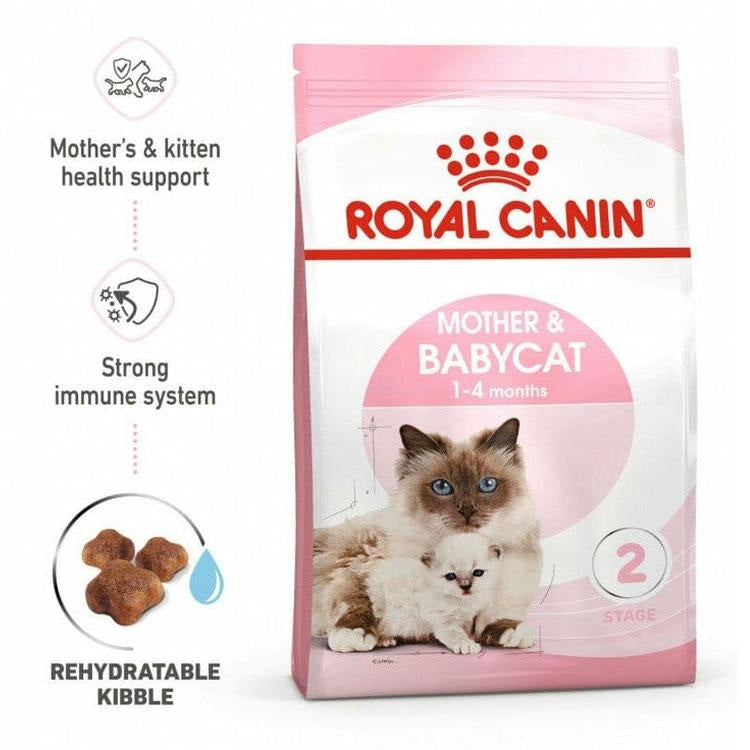
Many brands offer formulas specifically for nursing or pregnant cats, loaded with extra calories, calcium, and other important nutrients. They undergo strict quality control, so you can trust the consistency and safety of each batch.
Moreover, commercial foods often have a longer shelf life than homemade meals. This makes them a convenient choice when you need a reliable and quick option. Have you checked if your cat’s current food supports her increased nutritional demands during nursing?
Signs Of Nutritional Deficiencies
Recognizing signs of nutritional deficiencies in nursing cats is crucial. Proper nutrition supports their health and the kittens’ growth. Deficiencies can cause serious problems if ignored. Watch for changes in behavior and physical symptoms. Early detection helps in providing the right food and care.
Behavioral Changes
- Decreased energy or unusual tiredness
- Loss of appetite or refusal to eat
- Increased irritability or restlessness
- Less grooming or neglecting kittens
- Unusual hiding or withdrawal from family
Physical Symptoms
- Weight loss or poor weight gain
- Dull or patchy fur coat
- Swollen or painful joints
- Dry skin or flaky patches
- Weakness or difficulty moving
- Slow wound healing

Credit: www.namibian.com.na
Frequently Asked Questions
What Food Is Best For Nursing Cats?
Nursing cats need high-protein, high-calorie diets. Wet cat food or kitten formula provides essential nutrients. Include foods rich in fats, vitamins, and minerals to support milk production and recovery.
Can Nursing Cats Eat Dry Food?
Dry food is less ideal but can be supplemented. Nursing cats benefit more from wet or specially formulated kitten food due to higher moisture and nutrient content.
How Often Should Nursing Cats Be Fed?
Feed nursing cats small meals 4-6 times daily. Frequent feeding ensures they get enough calories and nutrients to support milk production and maintain their energy levels.
Is Kitten Food Suitable For Nursing Cats?
Yes, kitten food is highly recommended. It contains the right balance of protein, fats, and calories needed by nursing cats for their health and milk supply.
Conclusion
Nursing cats need good food to stay healthy and strong. High-quality protein helps them make milk for kittens. Wet food with extra calories supports their energy needs. Fresh water must always be available for hydration. Feeding small meals often keeps their digestion smooth.
Balanced nutrition helps cats recover after birth quickly. Careful food choices boost their well-being and kitten growth. Healthy moms mean healthy babies. Simple, nutritious meals make a big difference. Keep feeding right, and your nursing cat will thrive.

Lily Purrington is the founder of MyKittyPicks.com, a cozy corner of the web dedicated to helping cat lovers discover the best cat products, furniture, toys, and home decor ideas.
A lifelong cat enthusiast, Lily shares trusted tips, honest product recommendations, and stylish inspiration designed to keep kitties happy and homes beautiful.
Her mission is simple: to bring together practical advice and purr-fect picks that make life better for cats and the people who love them.


