

Have you ever stopped to think about what germs might be hiding in your cat’s litter box? You clean it regularly, but did you know that certain diseases can actually be passed to you through cat litter?
Understanding these risks is important for your health and your family’s safety. You’ll discover which illnesses can come from cat litter, how they affect you, and simple steps you can take to protect yourself. Keep reading—your well-being depends on what you know next.
Common Diseases Linked To Cat Litter
Cat litter can sometimes carry germs that cause illness. Handling litter without care may lead to infections. Knowing these diseases helps you stay safe.
Some common diseases linked to cat litter include toxoplasmosis, cat scratch disease, ringworm, and salmonella infection. Each has different symptoms and risks.
Toxoplasmosis
Toxoplasmosis is caused by a parasite found in cat feces. It can infect people who touch contaminated litter and then touch their mouth. Pregnant women and those with weak immune systems are most at risk.
Symptoms may include flu-like signs, such as fever and muscle pain. Some people show no symptoms but can still spread the parasite.
Cat Scratch Disease
Cat scratch disease is a bacterial infection from a cat scratch or bite. The bacteria can be on a cat’s claws or in their saliva. Handling litter does not usually cause this disease, but contact with cats can.
Signs include swollen lymph nodes, fever, and tiredness. It usually gets better without treatment but sometimes needs antibiotics.
Ringworm
Ringworm is a fungal infection that can spread from cats to humans. The fungus can live on cat fur and litter. It causes red, itchy, circular skin patches on people.
It is easy to catch by touching infected cats or litter. Treatment includes antifungal creams and keeping the area clean.
Salmonella Infection
Salmonella bacteria can be found in cat feces and litter. People can get sick if they handle the litter and then eat without washing hands. This infection causes stomach pain, diarrhea, and fever.
Good hygiene is important to prevent salmonella. Always wash hands after cleaning cat litter boxes.
How Cat Litter Spreads Illness
Cat litter can carry germs that make people sick. It is important to know how these germs spread.
Illness can spread through cat litter by contact with waste, dust in the air, or touching the litter box.
Contamination From Feces
Cat feces can contain harmful bacteria and parasites. These can cause diseases in humans.
Cleaning the litter box without gloves can spread these germs. Some germs include Toxoplasma gondii and Salmonella.
- Toxoplasmosis from Toxoplasma gondii
- Salmonella infections
- Campylobacter bacteria
Airborne Particles
Dust from cat litter can carry germs into the air. People can breathe in these particles unknowingly.
Airborne particles can spread diseases like toxoplasmosis and respiratory infections. This is risky for pregnant women and children.
- Dust may carry Toxoplasma cysts
- Particles can irritate lungs
- Breathing in dust can cause infection
Direct Contact Risks
Touching cat litter or the litter box can transfer germs to hands. These germs enter the body if hands touch the mouth or eyes.
Washing hands after cleaning is important to stop illness. Some germs can also spread through scratches or bites near the litter box.
- Germs transfer from litter to hands
- Touching face spreads germs inside body
- Scratches near litter box can get infected
Symptoms To Watch For
Cat litter can carry germs that cause diseases in both humans and cats. It is important to know the signs of illness linked to cat litter. Watching for symptoms helps catch infections early.
Some diseases spread through cat litter include toxoplasmosis and bacterial infections. These illnesses can affect health in many ways. Recognizing symptoms helps you get proper care fast.
Signs In Humans
Humans can catch diseases from cat litter, especially if they touch it often. Symptoms vary but usually affect the stomach, muscles, or eyes. Some people may have mild signs while others get sick quickly.
- Fever and chills
- Muscle pain and stiffness
- Headache and fatigue
- Swollen lymph nodes
- Blurred vision or eye redness
- Diarrhea or upset stomach
If you notice these signs after cleaning cat litter, see a doctor. Early treatment helps prevent serious problems.
Signs In Cats
Cats can also get sick from dirty litter or infections passed in the box. Watch your cat’s behavior and health closely. Some signs show that your cat may have an illness linked to litter.
- Loss of appetite
- Weight loss
- Diarrhea or vomiting
- Fever and lethargy
- Difficulty walking or stiff movements
- Eye discharge or redness
Take your cat to the vet if it shows these symptoms. Early care can stop infections from getting worse.

Credit: www.reddit.com
Preventive Measures
Cat litter can carry germs that cause diseases. Taking steps to handle litter safely helps keep you healthy. Simple habits protect you from infections like toxoplasmosis and ringworm.
Learn how to handle litter, clean properly, and maintain hygiene. These actions reduce health risks for you and your family.
Safe Litter Handling
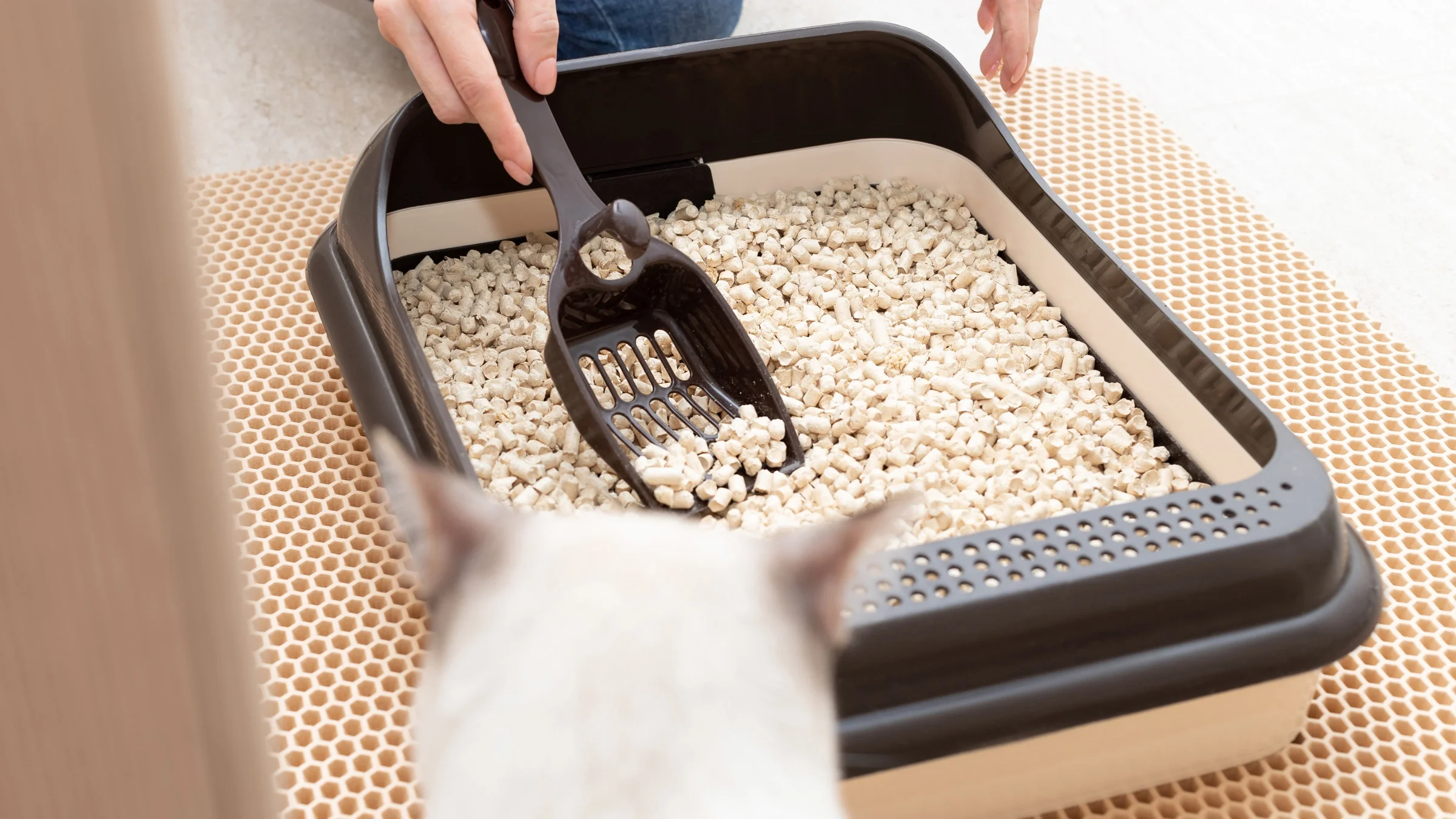
Always scoop cat litter daily to reduce germs. Wear disposable gloves when cleaning the litter box. Avoid breathing in dust from the litter. Keep litter boxes in well-ventilated areas to lower risk.
- Use gloves when handling litter
- Scoop waste every day
- Choose low-dust litter
- Wash hands after touching litter
- Keep litter boxes away from food areas
Proper Cleaning Practices
Clean the litter box weekly with soap and hot water. Avoid harsh chemicals that can harm cats. Replace litter completely during cleaning. Dry the box well before adding fresh litter to prevent mold and bacteria.
| Cleaning Task | Recommended Frequency |
| Scoop waste | Daily |
| Wash litter box | Weekly |
| Replace litter | Weekly or as needed |
| Wear gloves | Every time |
Hygiene Tips
Wash your hands with soap and water after handling litter or your cat. Keep children and pregnant women away from litter boxes. Avoid touching your face during cleaning. Regularly wash any clothing or cloths used for cleaning litter.
Additional hygiene advice:
- Do not eat or drink near the litter box
- Use a mask if you are sensitive to dust
- Keep cats indoors to reduce disease spread
Choosing The Right Cat Litter
Cat litter is important for your pet’s health and home cleanliness. Picking the right type can reduce risks of disease.
Some cat litters can carry germs that make people sick. Knowing your options helps you choose the safest litter.
Types Of Cat Litter
There are many kinds of cat litter. Each type has different materials and features.
- Clay litter is common and clumps well but creates dust.
- Silica gel litter absorbs moisture and controls odor.
- Biodegradable litter uses natural materials like corn or wood.
- Recycled paper litter is soft and dust-free but less absorbent.
Choose a litter that fits your cat’s needs and your cleaning habits. Some cats prefer softer litter.
Health Considerations
Cat litter can spread diseases if not handled safely. Toxoplasmosis is a common infection from cat waste.
Dusty litters may cause breathing problems for cats and people. Some litters have chemicals that irritate skin.
- Use low-dust or dust-free litter to protect lungs.
- Wear gloves when cleaning the litter box.
- Change litter often to reduce bacteria growth.
- Keep the litter box in a well-ventilated area.
Credit: www.litter-robot.com
When To See A Doctor
Cat litter can sometimes carry diseases that affect humans. Knowing when to seek medical help is important for your health.
Understanding the symptoms and recognizing high-risk groups can help with early diagnosis and treatment.
High-risk Groups
Certain people are more at risk from diseases associated with cat litter. These groups should be extra cautious.
- Pregnant women
- Individuals with weakened immune systems
- Young children
- Older adults
Early Diagnosis Benefits
Early diagnosis of diseases linked to cat litter can lead to better health outcomes. It allows for timely treatment and care.
Consider regular check-ups if you belong to a high-risk group. Early detection can prevent serious health issues.
| Symptom | Action |
| Fever | See a doctor |
| Fatigue | Monitor closely |
| Swollen lymph nodes | Seek medical advice |
Credit: www.goodrx.com
Frequently Asked Questions
What Diseases Can You Catch From Cat Litter?
Cat litter can harbor toxoplasmosis, a parasitic infection. It may also contain bacteria like Salmonella and E. coli, causing illness. Proper hygiene reduces the risk of catching these diseases from cat litter.
How Does Toxoplasmosis Spread Through Cat Litter?
Toxoplasmosis spreads when infected cat feces contaminate litter. The parasite can infect humans who accidentally ingest the contaminated material. Regular litter cleaning and hand washing help prevent transmission.
Can Cat Litter Cause Respiratory Problems?
Yes, dusty cat litter can cause respiratory issues. Inhaling litter dust may trigger allergies or asthma, especially in sensitive individuals. Using low-dust or dust-free litter minimizes respiratory risks.
How To Safely Handle Cat Litter To Avoid Diseases?
Wear gloves and wash hands after changing litter. Clean the litter box daily to reduce bacteria and parasites. Avoid inhaling dust and keep litter boxes in well-ventilated areas.
Conclusion
Cat litter can carry germs that cause illness. Toxoplasmosis is a common disease linked to cat waste. It can harm pregnant women and those with weak immunity. Regular cleaning and wearing gloves reduce risks. Always wash hands after handling litter boxes.
Choose safe litter types and change them often. Keep your cat healthy with regular vet visits. Stay aware, stay safe, and protect your family. Small steps make a big difference in health.

Lily Purrington is the founder of MyKittyPicks.com, a cozy corner of the web dedicated to helping cat lovers discover the best cat products, furniture, toys, and home decor ideas.
A lifelong cat enthusiast, Lily shares trusted tips, honest product recommendations, and stylish inspiration designed to keep kitties happy and homes beautiful.
Her mission is simple: to bring together practical advice and purr-fect picks that make life better for cats and the people who love them.


