

Have you ever wondered if your beloved cat could pass on any illnesses to you? While cats bring joy and comfort, it’s important to know about the diseases they might carry that can affect your health.
Understanding these risks helps you keep both yourself and your furry friend safe. You’ll discover which diseases cats can give humans and simple steps you can take to protect your well-being. Keep reading—you might be surprised by what you learn.
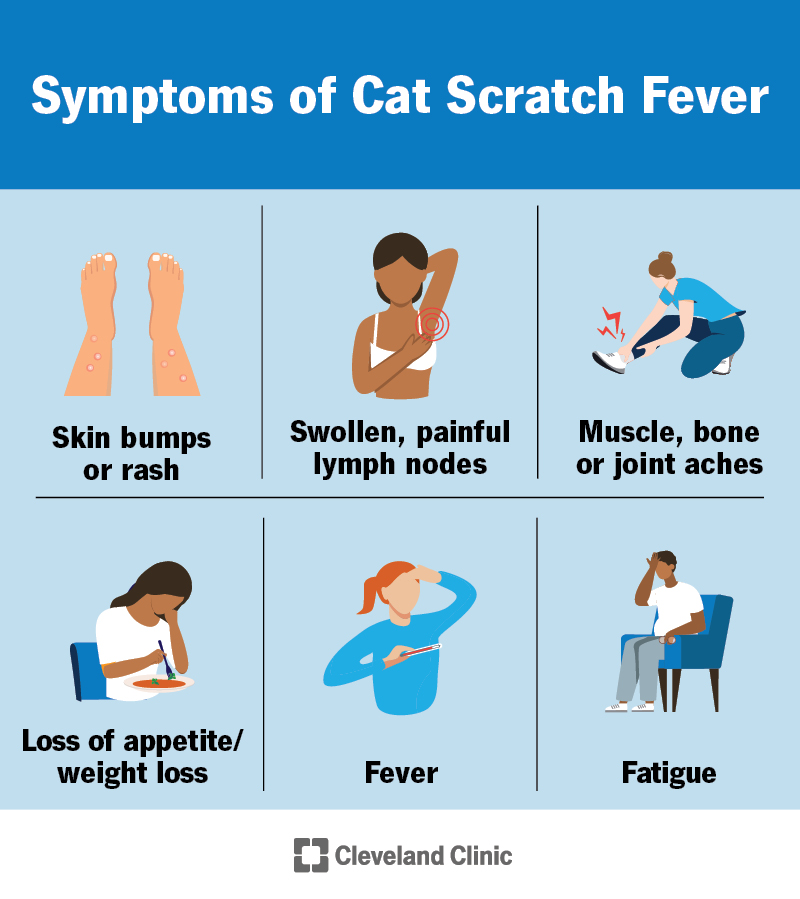
Credit: my.clevelandclinic.org
Common Zoonotic Diseases
Cats can carry diseases that spread to humans. These are called zoonotic diseases.
Knowing the common diseases helps you stay safe and protect your pet.
Cat Scratch Disease
Cat scratch disease is caused by bacteria from cat scratches or bites. It can cause swollen lymph nodes and fever in humans.
Ringworm Infection
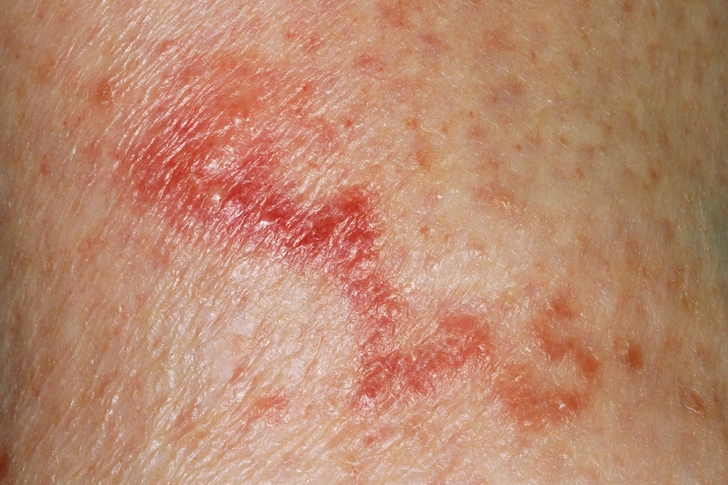
Ringworm is a fungal infection that causes skin rashes in cats and humans. It spreads through direct contact.
Toxoplasmosis
Toxoplasmosis is caused by a parasite found in cat feces. It can cause flu-like symptoms in people and serious problems for pregnant women.
Salmonella Risk
Salmonella bacteria can be present in cat feces and on their fur. It causes stomach upset and diarrhea in humans.
Campylobacteriosis
Campylobacteriosis is a bacterial infection from contact with cat feces. It causes diarrhea, cramps, and fever in people.
- Wash hands after petting or cleaning litter
- Keep cats indoors and healthy
- Clean litter boxes daily
- Avoid rough play to prevent scratches
How Diseases Spread
Cats can carry diseases that humans might catch. These diseases spread in different ways.
Understanding how diseases spread helps keep both cats and people safe.
Direct Contact
Many diseases spread when people touch cats directly. Bites or scratches can pass germs.
Touching a cat’s saliva, blood, or fur may also spread infections.
- Cat bites can cause bacterial infections
- Scratches may carry viruses or bacteria
- Handling cats without washing hands increases risk
Flea And Tick Transmission
Fleas and ticks on cats can carry diseases. They bite humans and pass infections.
These pests are small but can spread serious illnesses like Lyme disease or flea-borne typhus.
- Fleas carry bacteria that cause typhus
- Ticks can spread Lyme disease and other infections
- Pets should be treated to reduce flea and tick risks
Contaminated Surfaces
Germs from cats can live on surfaces like furniture or floors. People touch these and get sick.
Cleaning surfaces regularly helps stop the spread of disease from cats.
- Cat saliva or feces can contaminate furniture
- Shared bedding or toys can spread germs
- Wash hands after touching cat items
Litter Box Hazards
Cat litter boxes can hold parasites and bacteria. These can infect humans if not handled well.
Cleaning litter boxes with care and washing hands lowers the risk of disease.
- Toxoplasmosis spreads through cat feces
- Bacteria in litter can cause infections
- Wear gloves and wash hands after cleaning
Symptoms In Humans
Cats can carry diseases that affect humans. These diseases show different symptoms. Knowing the signs helps with quick treatment.
This guide covers common symptoms humans get from cat-related diseases. These include skin, flu, stomach, and eye problems.
Skin Reactions
Contact with cats can cause skin problems. These include redness, itching, and rash. Some people may get blisters or bumps.
- Red or swollen skin
- Itching or burning sensation
- Rashes or hives
- Small blisters or bumps
- Scaly or flaky patches
Flu-like Symptoms
Some infections from cats cause flu-like symptoms. You may feel tired or weak. Fever and chills are also common. Muscle aches and headaches happen too.
- Fever and chills
- Muscle pain
- Headaches
- Fatigue or weakness
- Sore throat
Gastrointestinal Issues
Cat-borne diseases can upset your stomach. Symptoms include nausea, vomiting, and diarrhea. You may also have stomach cramps or loss of appetite.
| Symptom | Description |
| Nausea | Feeling like you want to vomit |
| Vomiting | Throwing up stomach contents |
| Diarrhea | Loose or watery stools |
| Stomach cramps | Sharp pains in the belly |
| Loss of appetite | Not feeling hungry |
Eye Infections
Eye infections from cats may cause redness and pain. You might see discharge or feel itching. Vision can become blurry in some cases.
- Red or swollen eyes
- Eye pain or discomfort
- Itching or burning sensation
- Discharge or crusting
- Blurred vision
Preventive Measures
Cats can carry diseases that sometimes spread to humans. Taking steps to prevent this helps keep everyone safe.
Simple actions can reduce the risk of catching illnesses from cats. Learn how to protect yourself and your pet.
Hygiene Practices
Wash your hands after touching your cat or cleaning their area. This stops germs from spreading.
Keep your cat’s bedding and toys clean. Avoid letting cats lick your face or open wounds.
Regular Vet Visits
Take your cat to the vet at least once a year. Checkups catch diseases early before they spread.
Vaccines and tests protect your cat and your family. Follow the vet’s advice for care and treatments.
Flea And Tick Control
Fleas and ticks carry infections that can pass to humans. Use safe flea and tick preventives for your cat.
- Apply vet-approved flea treatments regularly
- Check your cat daily for ticks
- Keep your home clean and vacuum often
Safe Litter Handling
Cat litter can contain harmful germs. Always wear gloves when cleaning the litter box.
Change litter daily and wash your hands after. Keep the litter box in a safe, clean area.
Who Is At Higher Risk
Cats can carry diseases that might pass to humans. Some people have a higher chance of getting sick from cats.
Knowing who is more at risk helps in taking extra care around cats.
Children And Elderly
Young children and older adults have weaker immune defenses. They can get infections from cats more easily.
- Children may touch cats and then put their hands in their mouths.
- Older adults often have health issues that reduce immunity.
- Both groups can catch diseases like ringworm or cat scratch fever.
Pregnant Women
Pregnant women need to be careful around cats. Some cat diseases can harm unborn babies.
Toxoplasmosisis a serious disease pregnant women can get from cat feces. It can cause birth defects or miscarriage.
Pregnant women should avoid cleaning litter boxes or use gloves and wash hands well.
Immunocompromised Individuals
People with weak immune systems face the highest risk. They may get very sick from cat diseases.
| Risk Group | Why They Are at Risk | Common Cat Diseases |
| People with HIV/AIDS | Immune system is damaged | Toxoplasmosis, Cat Scratch Disease |
| Cancer patients | Chemotherapy lowers immunity | Ringworm, Bartonella infection |
| Organ transplant recipients | Take drugs that suppress immunity | Toxoplasmosis, Fungal infections |
Credit: www.webmd.com
When To See A Doctor
Cats can carry diseases that affect humans. It is important to know when to seek medical advice.
See a doctor if you notice symptoms after contact with cats. Early treatment can prevent complications.
Persistent Symptoms
If you have symptoms that do not go away, it is time to see a doctor. Cats can transmit diseases like ringworm and cat scratch disease.
- Fever lasting more than two days
- Redness or swelling at the site of a scratch or bite
- Fatigue or muscle pain that persists
Severe Reactions
Severe reactions can occur, particularly in those with weakened immune systems. Watch for these serious symptoms.
| Symptom | Action |
| High fever | Visit a healthcare provider |
| Difficulty breathing | Seek emergency help |
| Severe headache | Consult a doctor |
Exposure Concerns
Concerns about exposure to cat-borne illnesses should be addressed. This is especially true if you are pregnant or have a compromised immune system.

Credit: justcatsclinic.com
Frequently Asked Questions
What Diseases Can Cats Transmit To Humans?
Cats can transmit diseases like toxoplasmosis, cat scratch fever, ringworm, and bartonellosis to humans. These infections spread through bites, scratches, or contact with cat feces.
How Does Cat Scratch Disease Affect Humans?
Cat scratch disease causes swollen lymph nodes, fever, and fatigue in humans. It occurs after a cat scratch or bite infected with Bartonella bacteria.
Can Cats Transmit Ringworm To People?
Yes, cats can transmit ringworm, a fungal infection causing itchy, red, circular skin patches. It spreads through direct contact with an infected cat’s fur or skin.
Is Toxoplasmosis From Cats Dangerous To Humans?
Toxoplasmosis can cause flu-like symptoms in healthy people but is riskier for pregnant women and immunocompromised individuals. It spreads via contact with infected cat feces.
Conclusion
Cats can carry diseases that affect humans. Knowing these risks helps keep you safe. Simple hygiene, like washing hands after petting, reduces chances of illness. Regular vet visits keep your cat healthy and lower disease spread. Watch for any unusual symptoms in yourself or your cat.
Staying informed means better care for both you and your pet. Protect your health while enjoying your cat’s company. Safe pets make happy homes.

Lily Purrington is the founder of MyKittyPicks.com, a cozy corner of the web dedicated to helping cat lovers discover the best cat products, furniture, toys, and home decor ideas.
A lifelong cat enthusiast, Lily shares trusted tips, honest product recommendations, and stylish inspiration designed to keep kitties happy and homes beautiful.
Her mission is simple: to bring together practical advice and purr-fect picks that make life better for cats and the people who love them.


