
If you’re a cat owner, you want what’s best for your furry friend, right? You might have heard that vitamin C is good for people, but what about cats?
Is vitamin C safe for your kitty, or could it do more harm than good? Understanding this can help you make smart choices about your cat’s health. Keep reading to discover the truth about vitamin C and how it can affect your beloved pet.
Your cat’s well-being depends on it.
Credit: www.holistapet.com
Vitamin C And Cats
Vitamin C plays different roles in animals. Cats, unlike humans, can make their own vitamin C inside their bodies. This means they usually do not need extra vitamin C from food or supplements. Still, understanding vitamin C’s function in cats helps pet owners care for their health better.
Role In Cat Health
Vitamin C acts as an antioxidant in a cat’s body. It helps protect cells from damage caused by harmful molecules. It also supports the immune system, helping cats fight infections. While cats produce enough vitamin C naturally, stress or illness can increase their needs. In such cases, extra vitamin C might support recovery. Always ask a vet before giving supplements.
Natural Sources
Since cats make their own vitamin C, it is rare to find it listed as a needed nutrient in their diet. However, small amounts appear in some foods. These include:
- Fresh meats
- Organ meats like liver
- Certain vegetables, though cats rarely eat them
Commercial cat foods usually provide all necessary nutrients. They are formulated to keep cats healthy without extra vitamin C. Avoid giving human vitamin C supplements to cats without professional advice. Too much vitamin C can cause health problems like kidney stones.

Credit: www.amazon.com
Cats’ Ability To Produce Vitamin C
Cats have a unique biological trait that affects how they get essential nutrients like vitamin C. Unlike humans and some other animals, cats can produce their own vitamin C naturally. This ability plays a big role in whether you need to add vitamin C supplements to your cat’s diet.
Cats’ Natural Vitamin C Production
Cats generate vitamin C in their liver through a specific enzyme called L-gulonolactone oxidase. This means they usually don’t need extra vitamin C from food or supplements. Their bodies make enough to meet their daily needs, even during stress or illness.
How This Affects Your Cat’s Diet
Because cats produce vitamin C internally, most commercial cat foods don’t add it as an ingredient. This helps you avoid overloading your cat with unnecessary vitamins. But it’s important to remember that not all cats are the same—some might have health conditions that affect vitamin C production.
When Vitamin C Supplementation Might Be Needed
- Cats with certain illnesses or infections
- Older cats with weakened liver function
- Cats under extreme stress or injury
In these cases, your vet might recommend vitamin C supplements to support recovery. Always check with your vet before adding supplements because too much vitamin C can cause issues like stomach upset or kidney problems.
What This Means For You As A Cat Owner
Knowing that your cat can produce vitamin C should make you think twice before giving supplements. Could you be causing more harm than good by adding extra vitamins? Paying attention to your cat’s overall health and diet is a smarter approach than just assuming more is better.
Benefits Of Vitamin C For Cats
Vitamin C plays a surprising role in keeping your cat healthy. Although cats naturally produce their own vitamin C, extra support can benefit them in certain situations. Understanding these benefits helps you decide if adding vitamin C to your cat’s routine is right.
Immune Support
Your cat’s immune system fights off infections every day. Vitamin C helps strengthen this defense by boosting white blood cell function. When your cat faces stress or illness, extra vitamin C may give their immune system the edge it needs.
Have you noticed your cat getting sick more often after stressful events like moving or vet visits? Vitamin C might help reduce those vulnerabilities.
Wound Healing
Wounds and injuries can take time to heal, especially in older cats. Vitamin C helps your cat’s body produce collagen, a protein essential for skin repair. Giving your cat vitamin C could speed up healing after cuts or scratches.
Think about the last time your cat had a small injury. Could faster healing have saved you a vet visit?
Antioxidant Effects
Vitamin C acts as an antioxidant, protecting your cat’s cells from damage caused by harmful molecules called free radicals. This protection supports overall health and may reduce the risk of chronic diseases. Cats exposed to environmental toxins or those with busy outdoor lives benefit the most from this protection.
Are you aware of hidden toxins your cat might encounter daily? Adding antioxidants like vitamin C can help neutralize those threats.
Risks Of Excess Vitamin C
Giving cats too much vitamin C can cause health problems. Cats usually get enough vitamin C from their diet. Excess intake might lead to unwanted effects. Understanding these risks helps keep cats safe and healthy.
Potential Toxicity
High doses of vitamin C can be harmful to cats. Their bodies do not need extra vitamin C. Too much can cause toxicity, stressing organs like kidneys. Toxicity symptoms may include weakness and unusual behavior. Avoid large supplements unless a vet advises otherwise.
Digestive Issues
Excess vitamin C often causes stomach upset in cats. Symptoms include vomiting, diarrhea, and loss of appetite. These issues occur because cats have sensitive digestive systems. Small amounts are usually safe, but too much triggers discomfort. Monitor your cat after giving any supplements.
Safe Supplementation Guidelines
Safe supplementation of vitamin C for cats requires careful attention. Cats naturally produce vitamin C in their bodies, so extra amounts can sometimes cause problems. Knowing the right dosage and supplement form helps avoid risks. Following clear guidelines ensures your cat stays healthy and happy.
Recommended Dosages
Most healthy cats do not need extra vitamin C. If a vet suggests supplements, keep doses low and controlled. Typical amounts range from 30 to 60 mg per day. Never exceed the vet’s advice to prevent stomach upset or kidney issues. Small cats need smaller doses than larger ones. Always watch for changes in behavior or digestion after giving supplements.
Forms Of Supplements
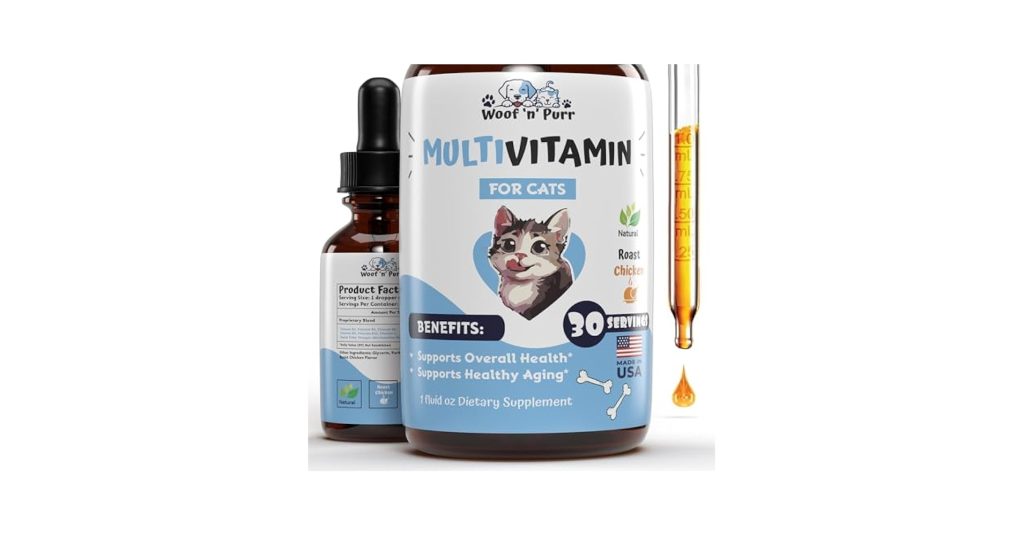
Vitamin C comes in several forms suitable for cats. Common options include powders, chewable tablets, and liquid drops. Powders mix easily into food without fuss. Liquid drops offer precise dosing with a dropper. Chewable tablets can be tricky if your cat refuses to chew. Choose supplements made specifically for pets to avoid harmful additives. Store all supplements in a cool, dry place to keep them effective.

Credit: www.vetriscience.com
When To Consult A Veterinarian
Knowing when to consult a veterinarian about Vitamin C for your cat is essential for their well-being. Cats have unique nutritional needs, and any imbalance in vitamins can lead to health issues. Paying attention to specific signs and health conditions can help you decide the right moment to seek professional advice.
Signs Of Deficiency Or Overdose
Watch for unusual symptoms that might indicate a Vitamin C problem. Deficiency signs can include poor coat quality, slow healing wounds, or increased susceptibility to infections. On the other hand, an overdose may cause digestive upset such as vomiting or diarrhea.
If you notice your cat showing any of these symptoms, don’t wait to get a vet’s opinion. Early intervention can prevent complications and keep your cat comfortable. Have you ever seen subtle changes in your pet that turned out to be a vitamin-related issue?
Special Health Conditions
Certain health problems can affect how your cat processes Vitamin C. Cats with kidney disease or urinary tract issues might need adjusted vitamin intake. Also, cats undergoing stress or illness could require different supplementation levels than healthy cats.
Always inform your vet about any ongoing health concerns before adding Vitamin C supplements. Your vet can tailor advice specific to your cat’s condition and avoid unintended side effects. How closely do you monitor your cat’s health changes with diet adjustments?
Frequently Asked Questions
Is Vitamin C Safe For All Cats?
Yes, Vitamin C is generally safe for cats in small amounts. However, excessive intake can cause digestive upset or kidney issues. Always consult a vet before supplementing your cat’s diet to ensure safety and proper dosage.
Can Cats Produce Vitamin C Naturally?
Cats can produce Vitamin C naturally in their liver. Unlike humans, they don’t usually need supplementation. Supplementing Vitamin C is only necessary if a vet identifies a specific deficiency or health condition.
What Are Signs Of Vitamin C Deficiency In Cats?
Vitamin C deficiency in cats may cause lethargy, joint pain, and poor healing. It is rare due to natural synthesis, but if symptoms appear, consult a vet immediately for diagnosis and treatment options.
Should I Give My Cat Vitamin C Supplements?
Only give Vitamin C supplements to your cat if prescribed by a vet. Unsupervised supplementation can lead to toxicity or health problems. Always follow veterinary advice for proper dosage and safety.
Conclusion
Vitamin C can be safe for cats in small amounts. Cats usually get enough vitamin C from their diet. Giving extra vitamin C without advice may cause problems. Always check with a vet before adding supplements. Watch your cat for any changes after giving vitamin C.
Remember, natural food is best for your cat’s health. Keep your cat happy and healthy with good care. Vitamin C is not always needed, but sometimes helpful. Stay informed and make safe choices for your pet.

Lily Purrington is the founder of MyKittyPicks.com, a cozy corner of the web dedicated to helping cat lovers discover the best cat products, furniture, toys, and home decor ideas.
A lifelong cat enthusiast, Lily shares trusted tips, honest product recommendations, and stylish inspiration designed to keep kitties happy and homes beautiful.
Her mission is simple: to bring together practical advice and purr-fect picks that make life better for cats and the people who love them.


