

Are you thinking about bringing a furry friend into your home? Cats make wonderful companions, but you might be wondering, “Is it hard to take care of a cat?”
You’re not alone—many potential cat owners have the same question. Cats are known for being independent and low-maintenance, but does that mean they’re easy to care for? Before you make a decision, it’s important to understand what cat ownership really involves.
You’ll discover the secrets to cat care that many new owners wish they knew beforehand. Whether you’re a first-time pet owner or an experienced animal lover, you’ll find valuable insights that can help you create a happy, healthy life for your new feline friend. Stick around and learn what it takes to be the purr-fect cat parent.

Credit: www.webbox.co.uk
Cat Care Basics
Taking care of a cat may seem simple, but understanding the basics can make all the difference. Knowing what your feline friend needs ensures a healthy, happy life. Let’s look at key points to get you started on the right paw.
Choosing The Right Cat
Not all cats have the same personality or care requirements. Some breeds need more attention and grooming, while others are more independent. Think about your lifestyle—do you have time for a playful kitten or would an older, calmer cat suit you better?
Consider allergies, too. Some cats shed less and might be better if you’re sensitive. Visiting a shelter and spending time with different cats can help you find one that fits your energy and home environment.
Essential Supplies
Before your cat arrives, gather the basics to avoid last-minute trips. You’ll need:
- A sturdy litter box and clumping litter
- Food and water bowls—preferably ceramic or stainless steel
- High-quality cat food suited to your cat’s age and health
- A scratching post to protect your furniture
- A cozy bed for naps
Adding toys like feather wands or laser pointers keeps your cat active and mentally sharp. Have you noticed how a simple cardboard box can become your cat’s favorite toy? Keep exploring what makes your cat happy.
Setting Up A Safe Space
Your cat needs a quiet and secure area to feel comfortable. Choose a spot away from loud noises and busy traffic areas. This space should have easy access to food, water, and the litter box.
Remove toxic plants and small objects that can be swallowed. Window perches or shelves are great for cats to watch the outside world safely. How can you adjust your home to make your cat feel truly at home?
Credit: www.felinepurrspective.com
Feeding And Nutrition
Feeding and nutrition play a vital role in keeping a cat healthy and happy. Cats need a balanced diet to maintain energy and support their body functions. Understanding their food needs helps you provide the right care. Good nutrition prevents health problems and boosts their immune system.
Selecting Quality Food
Choose cat food with real meat as the main ingredient. Avoid foods with too many fillers like corn or wheat. Check labels for essential nutrients such as protein, fats, and vitamins. Wet food can be more hydrating, while dry food supports dental health. Consider your cat’s age, weight, and health when picking food.
Feeding Schedule Tips
Feed your cat at regular times each day. Most adult cats do well with two meals daily. Kittens need more frequent, smaller meals. Avoid free-feeding to prevent overeating and obesity. Use measured portions to control calorie intake. Watch your cat’s weight and adjust food amounts as needed.
Hydration Needs
Cats often drink less water than needed. Wet food helps increase moisture intake. Always provide fresh, clean water in a bowl. Some cats prefer running water, so a pet fountain can help. Monitor your cat’s water drinking habits to avoid dehydration. Proper hydration supports kidney and urinary health.
Grooming Made Simple
Grooming your cat doesn’t have to be a chore. With a few simple steps, you can keep your feline friend looking and feeling great. Understanding the basics of grooming helps you build a routine that fits both your lifestyle and your cat’s comfort.
Brushing And Bathing
Regular brushing removes loose hair and prevents mats. Short-haired cats usually need brushing once a week, while long-haired cats benefit from daily sessions. Use a soft brush and be gentle to avoid stressing your cat.
Bathing is less frequent and often unnecessary unless your cat gets into something messy. Use cat-specific shampoo and warm water. Make the experience quick and calm to avoid scaring your pet.
Nail Trimming Tips
Trimming your cat’s nails keeps them from scratching furniture and reduces injury risks. Use sharp, small pet nail clippers and trim just the tip to avoid the quick, which is sensitive and bleeds easily.
Try clipping after playtime when your cat is more relaxed. If your cat resists, wrap them gently in a towel and offer treats for cooperation. Regular trims can make this less stressful for both of you over time.
Dental Care Basics
Dental health is often overlooked but critical for your cat’s overall well-being. Brush your cat’s teeth with a pet-safe toothpaste a few times a week to prevent plaque buildup.
If brushing isn’t possible, dental treats and toys can help reduce tartar. Keep an eye on bad breath or difficulty eating, as these might signal dental problems needing a vet’s attention.
Health And Vet Visits
Taking care of your cat’s health means more than just feeding and playing. Paying attention to their well-being and scheduling regular vet visits can prevent minor issues from becoming serious problems. Understanding what to watch for and when to act empowers you to keep your feline friend happy and healthy.
Recognizing Common Illnesses
Noticing when your cat isn’t feeling well can be tricky because they often hide symptoms. Look out for signs like decreased appetite, lethargy, coughing, sneezing, or sudden changes in behavior.
For example, my cat once stopped grooming himself and became unusually withdrawn. A quick vet visit revealed a urinary tract infection that was easy to treat once caught early.
Learning these warning signs helps you act quickly and reduce your cat’s discomfort.
Vaccination Importance
Vaccinations protect your cat from dangerous diseases like feline leukemia, rabies, and distemper. These shots are essential, even for indoor cats, because some viruses can enter through contact with other pets or the environment.
Think about how vaccinations work for people—you wouldn’t skip your flu shot, so why skip your cat’s vaccines? They boost your pet’s immune system and lower the risk of costly treatments later.
Routine Checkups
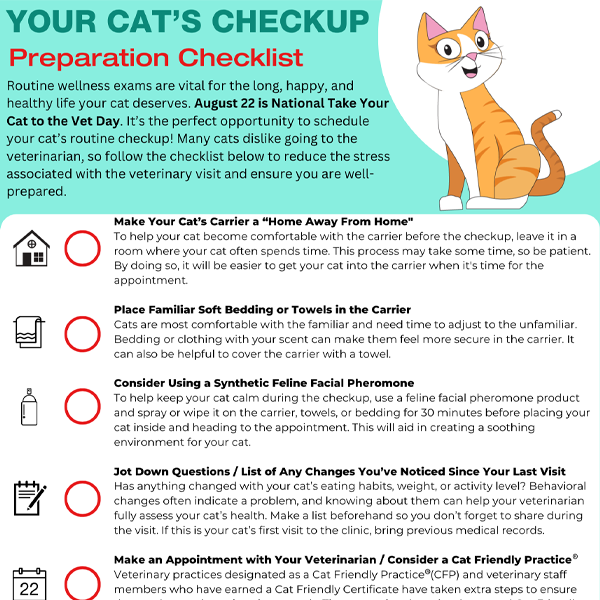
Regular vet visits help catch health issues before they escalate. Even if your cat looks healthy, routine checkups allow the vet to assess their weight, teeth, and overall condition.
During these visits, you can discuss your cat’s diet, behavior changes, or any concerns. Scheduling checkups every six to twelve months keeps your cat’s health on track and gives you peace of mind.
Behavior And Training
Caring for a cat means understanding its behavior and knowing how to guide it gently. Training a cat isn’t about strict rules but about creating habits that fit both your life and your cat’s nature. Let’s look closer at some key areas where behavior and training play a big role.
Litter Box Habits
Most cats instinctively use a litter box, but sometimes they need a little help getting comfortable with it. Keep the box clean and placed in a quiet, accessible spot to encourage regular use.
If your cat avoids the litter box, ask yourself if the type of litter or box size suits them. Some cats prefer unscented, fine-grain litter, while others might want a covered or open box. Have you noticed if your cat’s box habits change with different litter types?
Dealing With Scratching
Scratching is natural for cats—it helps them mark territory and keep their claws healthy. Instead of trying to stop this behavior, direct it to places where it’s welcome.
Place scratching posts or pads near favorite resting spots. You might even try different materials, like sisal or cardboard, to see what your cat prefers. Have you ever caught your cat scratching a piece of furniture? Redirecting their attention right then can make a big difference.
Encouraging Play
Playtime is essential for your cat’s physical and mental well-being. Use toys that mimic prey, such as feather wands or small balls, to tap into their hunting instincts.
Set aside short, regular play sessions each day. Cats often respond well to brief bursts of activity rather than long periods. Have you noticed how your cat changes after a good play session? It’s a great way to reduce unwanted behaviors caused by boredom.
Credit: catfriendly.com
Creating A Stress-free Environment
Creating a stress-free environment is key to caring for a happy cat. Cats feel safe and calm in quiet, comfortable spaces. Reducing noise and clutter helps them relax. A peaceful home supports their health and behavior. Understanding what makes a cat feel secure can improve your bond.
Safe Hiding Spots
Cats love small, cozy places where they can hide. Provide boxes, cat trees, or covered beds. These spots help cats feel secure and less anxious. Place hiding spots in quiet corners away from busy areas. Let your cat choose when to use these safe spaces.
Managing Multiple Pets
Introducing new pets can stress cats. Keep separate feeding and sleeping areas. Watch their behavior closely for signs of stress or aggression. Use gradual introductions and supervised meetings. Respect each pet’s space to reduce tension and build peace.
Adapting To Changes
Cats do not like sudden changes in their environment. Move slowly with new furniture or routines. Keep familiar items like toys and bedding around. Spend extra time comforting your cat during changes. Patience helps cats adjust and stay calm.
Frequently Asked Questions
Is Taking Care Of A Cat Difficult For Beginners?
No, taking care of a cat is manageable for beginners. Cats require basic feeding, grooming, and regular vet visits. Understanding their behavior helps ease care. With simple routines, cat care becomes easy and rewarding.
How Much Time Does Daily Cat Care Require?
Daily cat care usually takes 15 to 30 minutes. This includes feeding, cleaning the litter box, and playtime. Regular interaction keeps cats healthy and happy. Time investment is minimal compared to other pets.
What Are The Main Challenges In Cat Care?
Main challenges include litter box maintenance, grooming, and health monitoring. Cats may hide illness, requiring attentive observation. Providing mental stimulation and proper nutrition is essential for well-being.
Do Cats Need Special Diets Or Feeding Routines?
Cats need balanced diets rich in protein and moisture. Specialized diets may be required for health conditions. Feeding routines should be consistent to avoid digestive issues and obesity.
Conclusion
Taking care of a cat is not too hard with some basic knowledge. Cats need love, food, and a clean place to live. They enjoy playtime and quiet moments. Regular vet visits keep them healthy. Patience and attention help build a strong bond.
Small daily efforts make a big difference. Cats bring joy and comfort in return. Caring for a cat fits well into many lifestyles. A little care goes a long way in cat ownership. Simple steps create a happy, healthy cat at home.

Lily Purrington is the founder of MyKittyPicks.com, a cozy corner of the web dedicated to helping cat lovers discover the best cat products, furniture, toys, and home decor ideas.
A lifelong cat enthusiast, Lily shares trusted tips, honest product recommendations, and stylish inspiration designed to keep kitties happy and homes beautiful.
Her mission is simple: to bring together practical advice and purr-fect picks that make life better for cats and the people who love them.


