
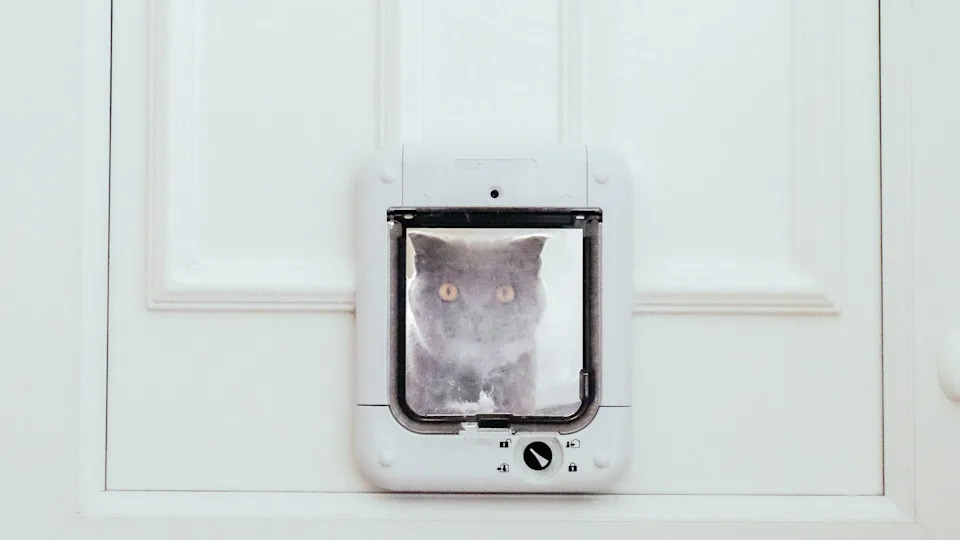
Imagine giving your cat the freedom to come and go as they please, without you having to get up every time. Training your cat to use a cat door can make your life easier and give your furry friend more independence.
But if you’re worried about how to start or if your cat will even cooperate, don’t worry—you’re not alone. In this guide, you’ll discover simple, step-by-step tips to help your cat master the cat door quickly and confidently. Ready to make your home more cat-friendly and stress-free?
Let’s dive in!

Credit: www.holistapet.com
Choosing The Right Cat Door
Choosing the right cat door is the first step in training your cat. It affects how easily your cat adapts to using it. A well-chosen door makes the process smooth and safe. Consider your cat’s size, habits, and the door’s features. This section helps you pick the best cat door for your pet.
Types Of Cat Doors
There are several types of cat doors available. Each type suits different needs and homes.
- Manual Flap Doors:Simple and affordable. Your cat pushes the flap to go in or out.
- Magnetic or Microchip Doors:Only open for your cat using a collar magnet or microchip. Keeps other animals out.
- Electronic Doors:Use sensors to allow entry. Often programmable for specific cats.
- Sliding Doors:Fit into sliding glass doors. Good for homes without wall access.
Size And Placement Tips
Choose a door size that fits your cat comfortably. It should allow easy entry without squeezing.
- Measure your cat’s height and width before buying.
- Place the door at your cat’s natural walking height.
- Avoid spots with heavy foot traffic or loud noises nearby.
- Install on a wall or door that your cat uses often.
Safety Features To Consider
Safety is important when selecting a cat door. Look for features that protect your cat and home.
- Locking mechanisms to control when the door opens.
- Weatherproof seals to keep out rain and cold air.
- Durable materials that resist wear and tear.
- Flaps that close softly to avoid trapping paws.
Preparing Your Cat For Training
Training a cat to use a cat door can be a rewarding experience. Start by preparing your feline friend for this new adventure. Proper preparation ensures a smooth transition. It helps your cat feel comfortable and confident.
Introducing The Door Slowly
Begin by letting your cat see the door. Allow them to sniff and explore it at their own pace. Prop the door open to reduce fear. Encourage your cat to walk through it without pressure. This step builds familiarity and reduces anxiety.
Using Positive Reinforcement
Use treats or toys to encourage your cat. Reward them each time they approach or go through the door. Praise them with gentle words. Positive reinforcement helps create a positive association with the door.
Creating A Comfortable Environment
Ensure the area around the door is inviting. Remove loud noises and distractions. Place a cozy mat or blanket near the door. This makes the space welcoming and secure. Your cat will feel more at ease to explore.
Step-by-step Training Process
Training a cat to use a cat door takes patience and gentle guidance. The process involves helping your cat feel safe and curious about the door. Breaking the training into small steps makes it easier for your cat to learn. Each stage builds confidence and encourages your cat to try the door on its own.
Encouraging Exploration
Let your cat sniff and touch the cat door without forcing it. Place toys or treats near the door to spark interest. Spend time sitting by the door, praising your cat’s calm behavior. This helps your cat feel curious, not scared. Repeat this daily until your cat shows interest.
Guiding Through The Door
Hold the flap open and call your cat gently through the door. Use treats or toys to lead your cat inside or outside. Support your cat if it hesitates, but never push. Practice this step until your cat moves through the door without fear. Gradually lower your help and let the cat try alone.
Rewarding Successful Attempts
Give praise and treats immediately after your cat uses the door. Positive rewards build a strong connection with the action. Use soft words and gentle petting to encourage repeat behavior. Celebrate every small success to keep your cat motivated. Consistent rewards help your cat learn quickly and happily.

Credit: www.yahoo.com
Troubleshooting Common Issues
Training your cat to use a cat door can sometimes hit a few bumps. Troubleshooting common issues early on helps keep the process smooth and stress-free for both you and your feline friend. Understanding what causes hesitation or damage, and knowing how to adjust your approach, makes all the difference in success.
Dealing With Fear Or Hesitation
Your cat might be scared of the cat door at first. It’s a new object, often with unfamiliar sounds or movements. Try placing treats on both sides of the door to encourage exploration without pressure.
Use a calm, gentle tone when near the door. If your cat backs away, don’t force the issue—give them time. Sometimes, sitting quietly by the door and letting your cat approach on their own works wonders.
Ask yourself: is the door too noisy or does it swing too fast? Adjusting the flap’s tension or adding a soft cover can reduce startling sounds. Patience and positive reinforcement help build your cat’s confidence.
Preventing Door Damage
Cat doors can suffer scratches or dents if your cat is overly enthusiastic or nervous. To protect the door, install a durable flap made of scratch-resistant material. Adding a protective shield around the frame can also minimize wear and tear.
If your cat scratches around the door, provide alternative outlets for their scratching instincts. Place scratching posts nearby or use catnip-infused toys to redirect their energy.
Consider whether the door’s location encourages scratching. If it’s in a high-traffic or stressful area, your cat might act out. Moving the door or creating a calm entry point can reduce damage significantly.
Adjusting Training Techniques
Not every cat responds the same way to training. If your initial method isn’t working, try changing your approach. For example, switch from treats to playtime rewards or use clicker training to mark positive behavior.
Observe your cat’s reactions closely. Are they motivated by food, toys, or affection? Tailoring the training to what excites your cat boosts progress.
Don’t hesitate to break the training into smaller steps. Instead of expecting your cat to use the door immediately, celebrate small wins like touching the flap or walking near the door.
Maintaining Cat Door Habits
Maintaining good habits with your cat door is key to keeping your feline friend happy and your home hassle-free. Once your cat has learned to use the door, consistent care and attention will ensure it stays a smooth experience for both of you. Let’s look at how regular upkeep and observation can make a big difference.
Regular Cleaning And Maintenance
Clean the cat door regularly to prevent dirt and grime buildup. Use a damp cloth and mild soap to wipe down the flap and frame, especially around the edges where dust collects. This keeps the door functioning smoothly and avoids any unpleasant smells that might discourage your cat from using it.
Check for any signs of wear or damage frequently. If the flap becomes stiff or the locking mechanism sticks, your cat might stop using the door altogether. Fixing small issues early saves you from bigger problems later.
Monitoring Usage Patterns
Observe how often and when your cat uses the door. Does your cat go out more in the morning or evening? Keeping track helps you understand their routine and notice any sudden changes. If your cat suddenly stops using the door, it could signal discomfort or health issues.
Consider using a pet camera or a motion sensor near the door to monitor activity without disturbing your cat. This insight can also tell you if other animals are trying to sneak in, which may require adjusting your door’s security settings.
Ensuring Long-term Success
Stay patient and consistent with your cat’s door habits. Even after your cat is comfortable, occasional encouragement through treats or praise can reinforce positive behavior. If your cat resists the door again, revisit the training steps rather than forcing the issue.
Think about how your cat’s needs might change over time. Older cats might need a softer flap or easier access. Adjusting the door setup to fit your cat’s lifestyle keeps it user-friendly and stress-free for years to come.

Credit: www.youtube.com
Frequently Asked Questions
How Long Does Cat Door Training Usually Take?
Training a cat to use a cat door typically takes one to two weeks. Consistency and patience speed up learning. Short, frequent sessions help your cat become comfortable with the door faster.
What Is The Best Cat Door Type For Training?
A flap-style cat door with a clear flap works best for training. It allows cats to see the other side. Magnetic or electronic doors may confuse beginners.
How Can I Encourage My Cat To Use The Door?
Use treats and positive reinforcement to encourage door use. Gently guide your cat through the door multiple times. Praise and reward every successful attempt to build confidence.
What Common Mistakes Should I Avoid During Training?
Avoid forcing your cat through the door or rushing the process. Don’t punish mistakes; it causes fear and setbacks. Ensure the door is the right size and easy to open.
Conclusion
Training a cat to use a cat door takes patience and time. Start slow and reward your cat for trying. Use treats and praise to encourage good behavior. Keep the door open at first to build confidence. Watch your cat’s progress and adjust your approach if needed.
Soon, your cat will enjoy the freedom to come and go. This simple skill helps both you and your pet. Remember, every cat learns at its own pace. Stay calm and consistent for the best results.

Lily Purrington is the founder of MyKittyPicks.com, a cozy corner of the web dedicated to helping cat lovers discover the best cat products, furniture, toys, and home decor ideas.
A lifelong cat enthusiast, Lily shares trusted tips, honest product recommendations, and stylish inspiration designed to keep kitties happy and homes beautiful.
Her mission is simple: to bring together practical advice and purr-fect picks that make life better for cats and the people who love them.


