
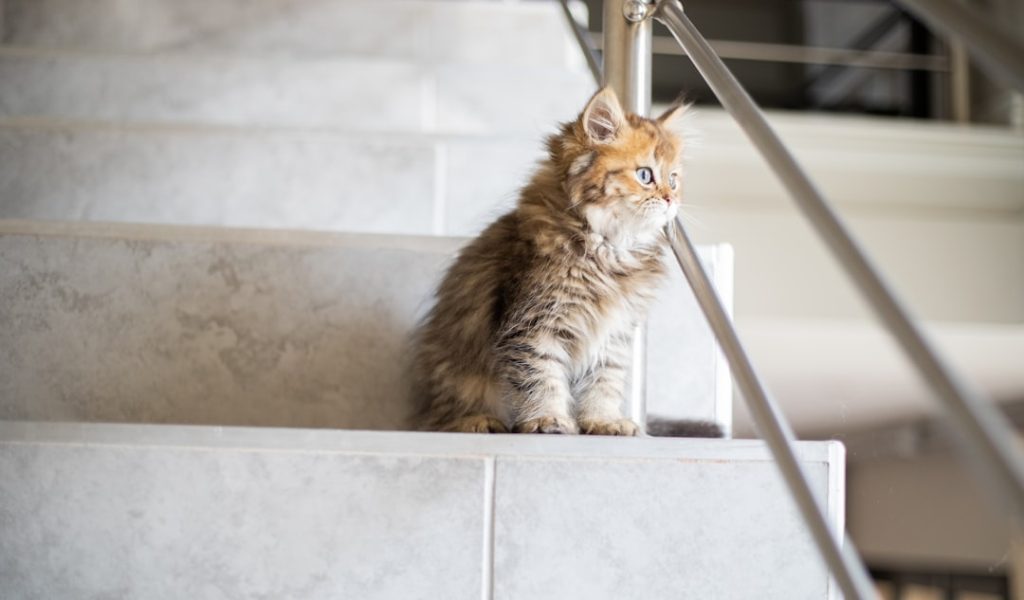
Are you tired of cleaning litter boxes every day? Imagine if your cat could learn to go outside for their toilet needs.
It might sound tricky, but with the right approach, you can train your cat to do just that. This not only keeps your home cleaner but also gives your feline friend a bit of fresh air and freedom. Keep reading, and you’ll discover simple, step-by-step tips to make this change smooth and stress-free for both you and your cat.
Ready to make life easier? Let’s get started!
Preparing Your Cat For Outdoor Toilet Training
Preparing your cat for outdoor toilet training sets the stage for success. It requires careful planning and patience. Starting with the right environment helps your cat feel safe and confident. Equipping yourself with necessary items ensures smooth training. Understanding your cat’s behavior guides your approach. Preparation is key to making this transition easy for both of you.
Choosing The Right Outdoor Spot
Select a quiet, safe area for your cat’s outdoor toilet. Avoid places with heavy traffic or loud noises. Look for a spot with soft soil or grass. Cats prefer natural surfaces to dig and cover waste. Make sure the area is easy to access from your home. Keep the spot consistent to help your cat learn quickly.
Gathering Necessary Supplies
Prepare items to support your cat during training. A small shovel or scoop helps clean the outdoor spot. Use gloves for hygiene when handling waste. Provide treats to reward your cat’s progress. Consider a portable litter box for transition times. Bring a leash and harness for controlled outdoor visits.
Assessing Your Cat’s Temperament
Observe your cat’s personality before starting outdoor training. Some cats are curious and adapt easily to new environments. Others may be shy or anxious outside. Note how your cat reacts to outdoor noises and sights. Be patient and adjust your training pace accordingly. Respect your cat’s comfort to avoid stress and fear.

Credit: www.chewy.com
Introducing Your Cat To The Outdoor Toilet Area
Introducing your cat to the outdoor toilet area requires patience and care. Cats need time to feel safe and confident outside. Start by choosing a quiet, secure spot for their toilet. This area should be easy to access and away from loud noises or busy places.
Take small steps to help your cat get used to the new space. Let them explore the area slowly. Watch their behavior and respond with kindness. Creating a calm and positive experience will encourage your cat to use the outdoor toilet.
Guided Outdoor Visits
Lead your cat outside on a leash or carrier at first. Stay close and let them sniff around the toilet area. Guide them gently to the spot you want them to use. Do not rush or force your cat. Allow them to explore at their own pace.
Spend a few minutes outdoors during each visit. Repeat this several times a day. Your cat will start associating the area with safety and comfort.
Using Positive Reinforcement
Reward your cat for good behavior near the outdoor toilet. Use treats, soft praise, or petting to show approval. Positive reinforcement helps your cat understand what you want.
Give rewards immediately after your cat uses the toilet outside. This clear connection boosts their learning. Avoid punishment or harsh words, which can create fear.
Establishing A Routine
Consistency is key to training your cat. Take them outside at the same times daily. Cats respond well to regular schedules. This predictability helps them form habits.
Monitor your cat’s signals for needing to go. Common signs include sniffing or scratching. Take your cat outside as soon as you notice these behaviors.
Encouraging Consistent Outdoor Toilet Use
Encourage your cat to use the outdoor toilet by creating a calm, familiar spot outside. Praise and gentle guidance help build good habits quickly. Consistency and patience make the process smoother for both you and your cat.
Encouraging a cat to consistently use the outdoors as its toilet can be a rewarding process. It involves understanding and patience. Cats are creatures of habit. Helping them transition to outdoor toilet use requires recognizing their natural tendencies. This journey involves observing their signals, managing mishaps, and gradually reducing reliance on indoor facilities.Recognizing Toilet Signals
Cats often show signs before they need to go. They might sniff around, scratch, or circle an area. Pay attention to these signals. Guide your cat outside when you notice these behaviors. Consistent guidance helps them understand where to go. With time, they will begin associating these signals with outdoor trips.Handling Accidents Calmly
Accidents may happen, especially in the beginning. Stay calm and avoid scolding. Clean the area thoroughly to remove scents. Use pet-safe cleaners for this purpose. Redirect your cat outdoors at the next opportunity. Patience is key. Cats learn better in a stress-free environment.Gradual Reduction Of Indoor Litter Use
Start by moving the litter box closer to the door. Gradually reduce its size and content. Eventually, eliminate it altogether. This transition encourages your cat to seek outdoor options. Reward successful outdoor trips with treats or affection. Positive reinforcement strengthens their new habit.Dealing With Common Training Challenges
Training your cat to use the outdoors as their toilet spot can be rewarding, but it often comes with a few hurdles. Understanding common challenges helps you stay patient and adjust your approach effectively. Let’s dive into how to handle some of the most frequent issues you might face during this process.
Fear Or Reluctance To Go Outside
Many cats feel uneasy about venturing outdoors at first. Strange noises, unfamiliar smells, or open spaces can trigger fear or reluctance.
Try starting with very short, supervised outdoor sessions in a quiet area. Use treats and gentle praise to create positive associations.
Have you noticed your cat freezing or hiding when outside? That’s a clear sign to slow down and let them explore at their own pace.
Other Pets Or Environmental Distractions
Neighborhood dogs, birds, or even other cats can distract your feline friend from their training goals. These distractions might cause your cat to rush back inside or avoid the outdoors altogether.
Consider choosing quieter times of day for outdoor sessions. You can also use a leash or a secure harness to keep your cat focused and safe.
Have you tried observing your cat’s natural outdoor behavior to identify specific distractions? This insight helps you manage the environment better.
Weather And Seasonal Considerations
Weather changes greatly affect your cat’s willingness to go outside. Rain, cold, or extreme heat may make the outdoors unappealing or even unsafe.
Adapt your training schedule to mild weather conditions and provide shelter or shaded spots. Sometimes, a covered outdoor area can make a big difference.
Are you prepared to adjust your approach as seasons change? Your cat’s comfort should always come first to maintain training progress.
Maintaining Outdoor Toilet Habits Long-term
Keeping your cat consistent with outdoor toilet habits takes ongoing effort and attention. Once your cat is comfortable going outside, your role shifts to maintaining a clean, safe, and inviting environment. This helps prevent accidents and keeps both your pet and your yard happy.
Regular Cleaning Of Outdoor Toilet Area
Cleaning the outdoor toilet spot regularly is essential. Cats are naturally clean creatures and won’t use an area that smells unpleasant or is full of old waste. You should remove solid waste daily and rinse the area with water to keep it fresh.
Consider adding a small patch of loose soil or sand that your cat likes to dig in. Refresh this material often to avoid odors and keep it appealing. Have you noticed your cat avoiding a certain spot? It might be time to clean or change the area.
Monitoring Health And Behavior
Watch your cat’s bathroom habits closely. Sudden changes like going inside the house or hesitation outdoors can signal health problems or stress. Keeping a journal of their behavior can help you spot patterns or issues early.
If your cat seems reluctant to go outside, check for signs of illness like lethargy or discomfort. Sometimes environmental changes, such as new pets or loud noises, can affect their willingness to use the outdoor toilet. How often do you check on your cat’s well-being during this training phase?
Adjusting Training As Needed
Flexibility is key to long-term success. Your cat’s preferences may change over time, so be ready to adjust the toilet area or your approach. If your cat starts avoiding the outdoor spot, try moving it to a quieter location or adding familiar scents to encourage use.
Reinforce positive behavior with treats or praise when your cat uses the outdoor toilet correctly. If problems persist, revisit earlier training steps or consult a vet for advice. What small changes can you make today to improve your cat’s outdoor toilet routine?

Credit: www.purina.com
Credit: www.okqgarage.com
Frequently Asked Questions
How Long Does It Take To Train A Cat To Go Outside?
Training a cat to go outside usually takes 2 to 4 weeks. Consistency and patience are key. Start with supervised outdoor visits and gradually increase time outdoors to build comfort and confidence.
What Supplies Are Needed For Outdoor Cat Toilet Training?
You need a litter tray, cat-safe outdoor space, leash, and treats. A designated outdoor toilet area helps your cat learn where to go. Use positive reinforcement to encourage proper behavior.
How To Keep A Cat Safe During Outdoor Toilet Training?
Supervise your cat outside and use a secure leash. Ensure the area is free from hazards like traffic or predators. Gradually increase outdoor freedom as your cat becomes more confident.
Can All Cats Be Trained To Use The Outdoor Toilet?
Most cats can be trained, but some may resist. Age, personality, and previous habits affect success. Be patient and adapt training methods to your cat’s needs for the best results.
Conclusion
Training your cat to use the outdoors for toilet takes time and patience. Start slow and watch your cat’s behavior closely. Praise your cat for good habits and stay consistent. Expect some accidents, but don’t give up. Your cat will learn to enjoy the fresh air and feel more comfortable outside.
This training helps keep your home cleaner and your cat happier. With steady effort, your cat can adapt well to outdoor toilet habits. Keep calm, be kind, and enjoy the process.

Lily Purrington is the founder of MyKittyPicks.com, a cozy corner of the web dedicated to helping cat lovers discover the best cat products, furniture, toys, and home decor ideas.
A lifelong cat enthusiast, Lily shares trusted tips, honest product recommendations, and stylish inspiration designed to keep kitties happy and homes beautiful.
Her mission is simple: to bring together practical advice and purr-fect picks that make life better for cats and the people who love them.


