

Have you ever wondered how to train your cat to enjoy the outdoors safely? Letting your feline friend explore outside can bring them joy and fresh air, but it requires the right approach.
If you want your cat to become a confident outside cat without risking their safety, this guide is for you. Keep reading to discover simple, effective steps that will help your cat love the outside world while staying protected. Your furry companion will thank you!
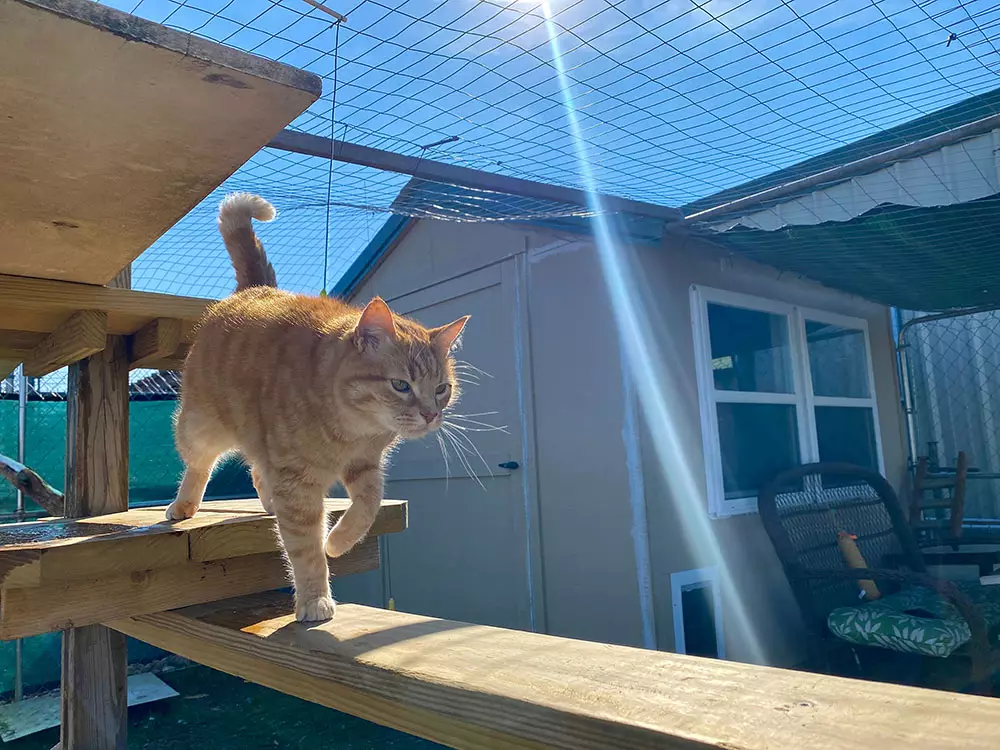
Credit: www.henrycountyymca.org
Benefits Of Outdoor Life
Letting your cat experience the outdoor world opens up a range of benefits that indoor life alone can’t match. Outdoor time can transform your cat’s daily routine, enriching their life in ways you might not expect. It’s not just about fresh air; it’s about giving your cat the chance to thrive physically, mentally, and emotionally.
Physical Exercise And Mental Stimulation
Outdoor environments invite your cat to move more. Chasing leaves, climbing trees, and exploring new scents keep their muscles active and their minds sharp. This natural play helps prevent obesity and reduces the risk of common health problems.
Have you noticed how your cat reacts to a new outdoor space? Their curiosity spikes, and they become more alert. This kind of mental stimulation is crucial for preventing boredom and destructive behaviors at home.
Natural Instincts And Behavior
Outdoor life allows cats to express their natural behaviors fully. Hunting, stalking, and climbing are all instincts that get limited indoors. When your cat practices these behaviors, it boosts their confidence and satisfies their survival instincts.
Allowing your cat to explore outside can reduce stress and frustration. It gives them a sense of control over their environment, which is something many indoor cats miss out on. How often have you seen your cat staring longingly out the window? That’s a sign they want to engage with the world beyond.
Health And Well-being
Exposure to sunlight helps your cat produce vitamin D, essential for strong bones and overall health. Fresh air can also improve their respiratory function and reduce allergens that build up indoors.
Outdoor cats often develop stronger immune systems thanks to varied exposures. Of course, safety measures are important, but a well-managed outdoor routine can lead to a longer, happier life for your feline friend. What changes could you make today to help your cat enjoy these benefits safely?

Credit: www.purina.com
Assessing Your Cat’s Readiness
Observe your cat’s behavior to see if it shows curiosity about the outdoors. Ensure your cat is healthy and comfortable before starting outdoor training. Safety and confidence are key signs your cat is ready to explore outside.
Assessing Your Cat’s Readiness Deciding to let your cat explore the outdoors is a big step. Before making this decision, it’s crucial to determine if your feline friend is ready for this change. This involves assessing their age, temperament, health, and safety needs.Age And Temperament
Your cat’s age plays a significant role in their readiness to go outside. Kittens are often too young and inexperienced to handle the challenges of the outside world. Ideally, your cat should be at least a year old, with a personality that shows curiosity and confidence. Temperament is equally important. Is your cat adventurous or more of a homebody? A naturally timid cat might find the outdoors overwhelming. Observing how your cat reacts to new environments can give you insights into their readiness.Health Checkup
Before your cat ventures outside, a health checkup is essential. Ensure all vaccinations are up to date. Discuss with your vet about any additional precautions or treatments your cat might need, like flea and tick prevention. A healthy cat is better equipped to handle the outdoors. Regular vet visits can also help identify any underlying health issues that might make outdoor life risky.Safety Considerations
Consider the safety of your neighborhood. Are there busy roads nearby? Check for potential hazards like stray animals or toxic plants. You might want to start with supervised outdoor time. Use a harness and leash to guide your cat and let them explore safely. Gradually increase their time outside as they become more comfortable. Creating a safe outdoor space in your backyard can also be a great first step. A secure, enclosed area allows your cat to enjoy the outdoors without the risks. Are you ready to help your cat embrace their wild side? Remember, careful preparation ensures a smooth transition to outdoor life.Preparing Your Home And Yard
Preparing your home and yard is a key part of training a cat to be an outside cat. The environment must be safe and welcoming. This encourages your cat to enjoy outdoor time without risks. Proper preparation also helps prevent accidents and keeps your cat healthy.
Secure Boundaries And Safe Zones
Start by checking your yard for secure boundaries. Cats can slip through small gaps easily. Use fencing that is tall and solid. Consider adding cat-proof barriers to prevent escapes. Create safe zones inside your yard where your cat can relax. These zones should be quiet and free from predators or loud noises.
Creating Shelter And Shade
Cats need places to rest and hide outside. Build or buy a small shelter to protect from rain and wind. Shade is essential to keep your cat cool on hot days. Use trees, umbrellas, or shade cloths to provide cover. Make sure the shelter is easy to access and comfortable.
Removing Hazards
Inspect your yard for dangers that could harm your cat. Remove toxic plants like lilies or azaleas. Secure tools, chemicals, and sharp objects out of reach. Cover pools or ponds to prevent drowning. Check for holes or gaps where your cat could get stuck. Clearing hazards keeps your cat safe and happy outdoors.
Introducing Outdoor Time Gradually
Introducing your cat to the outdoors requires patience and care. Rushing the process can overwhelm your feline friend and make them fearful of the outside world. Gradual exposure helps your cat build confidence while staying safe and comfortable.
Using A Harness And Leash
Start by getting your cat used to wearing a harness indoors. Let them wear it for short periods while offering treats and praise. Once your cat is comfortable, attach a leash and gently guide them around your home.
Taking your cat outside on a harness and leash allows controlled exploration. It keeps your cat safe from running off and lets you observe how they react to outdoor sights and sounds. Have you noticed how some cats freeze when they first see grass? Patience here is key.
Supervised Exploration
After leash training, let your cat explore a secure outdoor area under your watchful eye. Choose a quiet spot free from loud noises and other animals. Sit calmly and encourage your cat with gentle words or toys.
Supervised time outside helps your cat get used to different smells, textures, and sunlight. Watch for signs of stress, like crouching or excessive grooming, and be ready to bring them back inside if needed. How does your cat respond when you let them sniff the grass?
Extending Outdoor Sessions
Gradually increase the time your cat spends outdoors as they grow more confident. Start with just a few minutes and slowly add more time over days or weeks. This helps your cat adjust without feeling overwhelmed.
Keep sessions positive by offering treats or playtime once back inside. Consistency builds trust and makes your cat look forward to outdoor adventures. What outdoor activities does your cat enjoy the most during these sessions?
Encouraging Positive Outdoor Behavior
Encouraging positive outdoor behavior is key when training a cat to enjoy the outside safely. This helps your cat feel confident and happy in new surroundings. Positive experiences make outdoor time fun and stress-free. Patience and consistency create a strong bond between you and your cat. The right approach keeps your cat safe and helps prevent unwanted behaviors.
Using Treats And Rewards
Treats motivate cats to explore and learn good habits. Use small, tasty treats to reward calm and curious behavior outside. Praise your cat with gentle petting or soft words. Give treats when your cat comes back or stays near you. This builds trust and encourages your cat to repeat good actions. Avoid using food as the only reward; mix with affection.
Establishing A Routine
Cats thrive on routine and feel safe with regular schedules. Take your cat outside at the same times daily. Short visits at first help your cat adjust slowly. Use consistent commands or signals before going out. This prepares your cat for outdoor time. A steady routine reduces stress and builds positive habits. Over time, your cat learns what to expect.
Handling Fear And Anxiety
Fear can stop cats from enjoying the outdoors. Watch for signs like hiding, trembling, or refusing to move. Speak softly to calm your cat and avoid sudden movements. Let your cat explore at its own pace. Use a safe harness or leash for control and security. Provide a quiet spot outside where your cat can rest. Patience helps your cat feel safe and confident outside.
Training For Recall And Safety
Training your cat for recall and safety is crucial before letting them explore outdoors. It builds trust and ensures they come back when called, keeping them safe from potential dangers. This phase also helps set clear boundaries so your cat knows how far they can roam without getting lost.
Teaching Come When Called
Start by choosing a simple, consistent word or phrase like “come” or your cat’s name. Use a happy, inviting tone to make your cat curious and eager to respond. Reward them immediately with a treat or affection when they come to you.
Practice this indoors first, in a quiet area with minimal distractions. Gradually increase the distance between you and your cat. If they don’t come, never punish — instead, try to make the experience more positive next time.
Using Signals And Cues
Alongside verbal commands, add visual or auditory signals to help your cat understand what you want. Try a specific hand gesture or a gentle whistle. Cats often respond well to consistent cues combined with your voice.
Keep signals clear and simple. Using multiple cues can confuse your cat, so stick to one or two that feel natural to you. This combination makes it easier for your cat to recognize and respond even from a distance.
Preventing Wandering Too Far
Set physical boundaries using fences or safe outdoor enclosures. If you don’t have these, regularly call your cat back during their outdoor time to reinforce limits. Reward them when they return promptly to strengthen this habit.
Consider attaching a lightweight GPS collar to track your cat’s movements. It gives peace of mind and helps you react quickly if they stray too far. How far would you feel comfortable letting your cat roam? Setting that limit early is key to their safety.
Dealing With Common Challenges
Training a cat to live outdoors brings some challenges. These challenges need careful attention to keep your cat safe and happy. Understanding common issues helps you prepare better. Here are key concerns and ways to handle them for a smooth transition.
Nighttime Safety
Nighttime can be risky for outdoor cats. Darkness hides dangers like cars and predators. Keep your cat safe by establishing a routine.
- Bring your cat inside at dusk or before dark.
- Use reflective collars to make your cat visible.
- Set up a safe, warm shelter outdoors.
- Provide outdoor lighting near your cat’s favorite spots.
Interactions With Other Animals
Outdoor cats meet many animals. Some encounters may cause fights or injuries. Teach your cat to avoid trouble.
- Supervise early outdoor visits to monitor behavior.
- Use deterrents to keep wild animals away.
- Keep vaccinations and flea treatments up to date.
- Provide your cat with hiding spots for safety.
Weather And Seasonal Changes
Weather affects your cat’s comfort and health. Cold, heat, rain, and snow need special care. Prepare your outdoor cat for all seasons.
- Offer insulated shelters to protect from cold and wind.
- Ensure fresh water is always available.
- Limit outdoor time in extreme heat or storms.
- Check your cat for signs of frostbite or heat stress.

Credit: www.outdoorbengal.com
Maintaining Outdoor Habits
Maintaining your cat’s outdoor habits is key to keeping them safe and happy. Once your cat adjusts to the outside world, your role shifts to consistent care and observation. This ensures your furry friend enjoys their freedom without compromising their health or wellbeing.
Regular Health Checks
Regular vet visits are essential for an outdoor cat. Check for injuries, parasites, or signs of illness that might not be obvious at home. Outdoor cats face risks like scratches from other animals or infections from plants, so a quick health check helps catch problems early.
You might notice changes in appetite or energy levels before your vet does. Keep a simple diary of your cat’s behavior and physical condition. This practice can help you communicate clearly with your vet and spot issues faster.
Updating Vaccinations And Flea Control
Outdoor cats encounter more germs and parasites than indoor cats. Keep your cat’s vaccinations up to date to protect against diseases like rabies and feline leukemia. Talk to your vet about a vaccination schedule tailored to your cat’s outdoor activity.
Flea and tick prevention is equally important. Use vet-recommended treatments regularly, especially during warmer months. This not only protects your cat but also your home from unwanted pests.
Monitoring Behavior Changes
Outdoor cats often show subtle behavior changes that signal stress or health issues. Look for signs like hiding more than usual, excessive grooming, or changes in litter box use. These clues can help you intervene before small problems turn serious.
Have you noticed your cat coming home less often or acting differently? These shifts might indicate new dangers or discomfort. Staying alert to behavior changes helps you keep your cat safe and comfortable outside.
Frequently Asked Questions
How Long Does It Take To Train A Cat Outside?
Training a cat to be an outside cat usually takes several weeks. Consistency and patience are key. Gradually increase outdoor time daily. Always supervise initial outings for safety. Each cat adapts at its own pace.
What Are The Safety Tips For Outdoor Cats?
Keep your cat up-to-date on vaccinations and flea control. Use a breakaway collar with an ID tag. Supervise outdoor time initially. Avoid dangerous areas like busy roads. Provide a safe shelter and fresh water outside.
Can Indoor Cats Adjust To Being Outside?
Yes, many indoor cats can adjust with proper training. Introduce them to the outdoors gradually. Start with short supervised sessions. Provide treats and positive reinforcement. Some cats may take longer depending on personality.
Should I Use A Leash To Train My Cat Outside?
Using a leash is highly recommended for safety. It helps control your cat and prevents escape. Choose a comfortable harness designed for cats. Leash training also builds confidence for outdoor exploration.
Conclusion
Training a cat to be an outside cat takes time and patience. Start slow and let your cat explore safely. Always watch for dangers like traffic or other animals. Use treats and praise to encourage good behavior. Keep your cat’s needs in mind, like water and shelter.
Remember, each cat learns at its own pace. Enjoy the process and build trust with your pet. A happy outside cat means a happy owner too. Keep practicing and stay consistent for the best results.

Lily Purrington is the founder of MyKittyPicks.com, a cozy corner of the web dedicated to helping cat lovers discover the best cat products, furniture, toys, and home decor ideas.
A lifelong cat enthusiast, Lily shares trusted tips, honest product recommendations, and stylish inspiration designed to keep kitties happy and homes beautiful.
Her mission is simple: to bring together practical advice and purr-fect picks that make life better for cats and the people who love them.


