

You love your cat, but sometimes their behavior drives you crazy. Maybe they scratch the furniture, jump on counters, or knock things over.
You want to stop these habits without hurting or scaring them. The good news is, you can teach your cat to avoid unwanted actions with simple, effective techniques. You’ll discover easy steps to train your cat not to do something—and keep your home peaceful.
Ready to make life with your cat more enjoyable? Let’s get started.
Common Unwanted Cat Behaviors
Every cat owner faces behaviors that test patience and sometimes furniture. Cats act out for many reasons—boredom, stress, or natural instincts. Understanding these common unwanted behaviors is the first step in guiding your cat toward better habits.
Scratching Furniture
Scratching is a natural need for cats to keep their claws sharp and mark territory. Still, it can be frustrating when your sofa or curtains become the target. You can redirect this behavior by providing scratching posts made of sisal or cardboard close to their favorite spots.
Try placing catnip or treats on the posts to encourage use. Have you noticed your cat preferring vertical or horizontal surfaces? Matching the post type to their preference can make a big difference.
Jumping On Counters
Counter surfing is a common annoyance, often driven by curiosity or the lure of food. Cats see counters as prime real estate, especially when they smell something tasty. Instead of yelling, which can scare your cat, make counters less appealing by keeping them clean and using double-sided tape or aluminum foil as deterrents.
Offer alternative high places like cat trees or shelves. Cats love to observe from above—why not give them an approved spot to perch?
Biting And Scratching People
Sometimes cats express their mood through biting or scratching, especially during play or when they feel threatened. It’s important to stop this behavior early by withdrawing attention immediately after an incident. Replace your hands with toys during playtime to teach boundaries.
Have you noticed if your cat bites more when overstimulated? Learning their triggers helps prevent unwanted attacks before they happen.
Litter Box Issues
Not using the litter box can signal medical problems, stress, or dissatisfaction with the box itself. Keep the litter box clean and in a quiet location, away from food and water bowls. If your cat suddenly stops using the box, a vet checkup is wise.
Consider the type of litter you use—some cats prefer fine-grain or unscented options. Have you tried adding an extra box in a different spot? Multiple boxes often solve many problems, especially in multi-cat households.
Reasons Behind Bad Behavior
Cats may act out due to boredom, stress, or lack of training. Understanding these causes helps guide better behavior. Consistent, gentle correction teaches cats what is acceptable.
Understanding why your cat behaves in certain ways is the first step in addressing unwanted actions. Cats don’t misbehave out of spite or malice. Often, there are underlying reasons driving their behavior. Let’s explore some common causes.Boredom And Lack Of Stimulation
Cats are natural hunters with an instinct to explore. When they don’t have enough to engage with, they can resort to scratching furniture or knocking things off shelves. Imagine your cat sees your home as a jungle gym waiting to be conquered. To combat boredom, introduce interactive toys or play games that mimic hunting. A laser pointer or a feather wand can be your best ally. This not only keeps them entertained but also strengthens your bond.Stress And Anxiety
Just like humans, cats can experience stress and anxiety. Changes in their environment, like moving houses or introducing a new pet, can unsettle them. A stressed cat might hide away or become aggressive. Creating a safe space for your cat can help alleviate their anxiety. Consider using calming aids like pheromone diffusers. Ask yourself, is your home a sanctuary or a source of stress for your feline friend?Territorial Instincts
Cats are territorial creatures by nature. They mark their territory to assert dominance or feel secure. This can manifest as spraying or excessive scratching. To address this, ensure your cat feels secure in their environment. Providing plenty of vertical spaces like cat trees can help. Encourage positive interactions with treats and praise when they display good behavior. Understanding these reasons can transform how you approach training your cat. Which of these resonates with your current situation?Effective Training Tools
Training a cat to stop unwanted behaviors needs the right tools. These tools help communicate what you want clearly. They make learning easier and more fun for your cat. Using the right tools increases success and builds trust.
Clickers And Treats
Clickers mark good behavior with a clear sound. Your cat learns to connect the click with a reward. Treats motivate your cat to repeat the right actions. Use small, tasty treats for quick rewards. Clickers and treats together help your cat learn fast.
Spray Bottles And Noise Makers
Slight sprays of water stop bad habits gently. Noise makers like claps or rattles startle your cat briefly. These tools interrupt unwanted actions without harm. Use them carefully to avoid fear or stress. They teach your cat which behaviors to avoid.
Cat Toys And Scratch Posts
Toys distract your cat from forbidden activities. Scratch posts offer a safe place for scratching needs. These tools redirect your cat’s energy positively. Provide many toys to keep your cat busy. Scratch posts protect your furniture and keep your cat happy.

Credit: www.caninkart.com
Step-by-step Training Process
Training a cat not to do something can feel tricky, but breaking it down into manageable steps makes the process clearer and more effective. You’ll need to create clear rules, reward good behavior, and gently steer your cat away from bad habits. Patience and consistency are your best tools here, even when progress feels slow.
Setting Clear Boundaries
Start by deciding exactly what behavior you want to stop. Is your cat jumping on the kitchen counter or scratching the sofa? Define these limits clearly so your cat can understand what’s off-limits.
Use physical barriers or simple verbal cues to mark these boundaries. For example, placing double-sided tape on a surface discourages cats because they dislike the sticky feel. Does your cat respond to a firm “no” or a gentle clap? Observing this helps you communicate more effectively.
Using Positive Reinforcement
Reward your cat immediately when it behaves well. This could be a treat, affection, or playtime—whatever motivates your cat most. Timing is key; rewards must come right after the good behavior to connect the dots.
Try using a clicker or a consistent word like “yes” to mark the moment your cat does something right. Over time, your cat will associate this marker with positive rewards and repeat the good behavior more often. What small reward does your cat go crazy for?
Redirecting Unwanted Actions
Instead of just saying “no,” offer an alternative. If your cat scratches furniture, provide a scratching post nearby and encourage its use. When your cat starts to do the unwanted action, gently guide it toward the acceptable option.
Keep the replacement attractive by rubbing catnip on it or rewarding your cat when it chooses the right behavior. Redirecting taps into your cat’s natural curiosity and helps them learn better habits without feeling punished. How can you make the preferred option more exciting for your cat?
Consistency And Patience
Every member of your household must follow the same rules to avoid confusing your cat. Mixed messages can slow down or even undo progress. Make sure everyone uses the same commands and rewards.
Patience is crucial because cats don’t change overnight. It might take weeks for your cat to fully understand and respect boundaries. Celebrate small wins and stay calm even if setbacks happen. How can you keep yourself motivated when training feels slow?
Tips For Preventing Recurrence
Stopping a cat from repeating unwanted behavior takes more than just correction—it requires creating a lifestyle that naturally discourages those actions. Preventing recurrence means understanding your cat’s needs and adjusting their environment to keep them engaged and comfortable. Here are practical ways to reduce the chances of your cat falling back into old habits.
Environmental Enrichment
Your cat’s environment plays a big role in their behavior. Boredom often leads to mischief, so adding new stimuli can keep your cat’s mind busy and less likely to act out.
- Place scratching posts or pads in different rooms to redirect scratching away from furniture.
- Use puzzle feeders that make your cat work for treats, providing both mental and physical activity.
- Rotate toys regularly to keep them interesting and prevent your cat from losing interest.
I once noticed my cat was scratching the couch repeatedly. Adding a few cardboard scratchers around the room quickly diverted her attention. Have you tried changing your cat’s surroundings to see if their behavior improves?
Regular Playtime
Scheduled play sessions create a positive outlet for your cat’s energy. Cats need daily interactive play to stay happy and less likely to engage in unwanted behaviors.
- Set aside at least 15 minutes twice a day for active play using wand toys or laser pointers.
- Engage your cat in hunting-like activities to satisfy their natural instincts.
- Observe which types of play excite your cat the most and focus on those to keep them interested.
After I started playing with my cat every morning, she stopped jumping on the counters. Can you dedicate a few minutes daily to play and see if it changes your cat’s behavior?
Creating Safe Spaces
Cats need safe, quiet places where they can retreat and feel secure. Providing these spaces can reduce stress, which often triggers unwanted actions.
- Set up cozy hiding spots with blankets or cat beds in low-traffic areas.
- Use cat trees or shelves to give vertical territory where your cat can observe safely.
- Keep these areas free from loud noises or sudden disturbances to encourage your cat to use them.
When my cat had a quiet corner to escape to, her anxiety dropped, and so did her bad habits. Could a peaceful spot in your home help your cat feel more relaxed and well-behaved?

Credit: www.outdoorbengal.com
When To Seek Professional Help
Knowing when to seek professional help is crucial in training your cat not to do something. Sometimes, despite your best efforts, certain behaviors persist or even worsen. Recognizing the signs that require expert intervention can save you frustration and help your cat live a happier, healthier life.
Behavioral Consultations
If your cat continues to scratch furniture or eliminate outside the litter box despite consistent training, a behavioral consultation might be necessary. Experts can identify underlying causes like anxiety, territorial issues, or environmental stressors that you might miss.
Behaviorists offer tailored strategies beyond basic training tips. Have you noticed your cat suddenly acting out only when you’re not home? This could be a sign of separation anxiety that needs professional attention.
Veterinary Advice
Sometimes, unwanted behaviors stem from health problems. If your cat’s behavior changes abruptly—such as increased aggression or inappropriate urination—consult your vet first to rule out medical issues.
Illness or pain can make your cat act differently. Your vet can perform exams or tests to check for infections, arthritis, or other conditions affecting behavior. Have you considered that your cat’s misbehavior might actually be a cry for help?
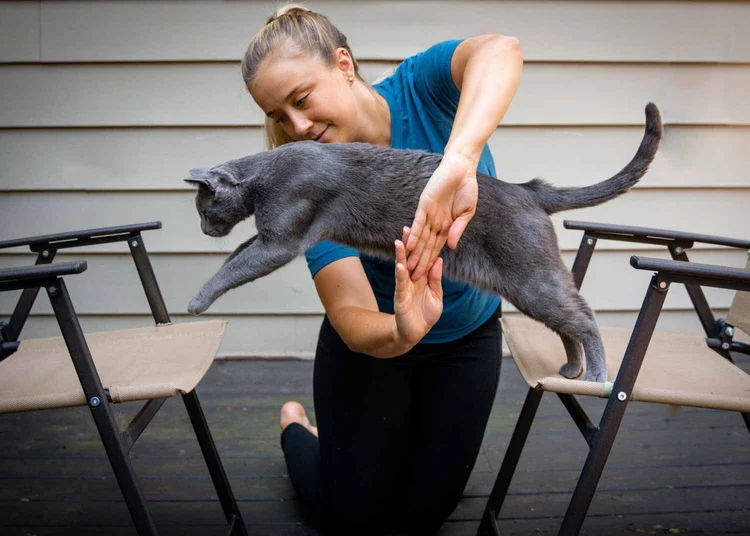
Credit: www.catschool.co
Frequently Asked Questions
How Can I Stop My Cat From Scratching Furniture?
Provide scratching posts and use deterrents like double-sided tape. Reward your cat for using posts. Consistency is key to changing this behavior.
What Is The Best Way To Discourage Cats From Jumping On Counters?
Use safe deterrents like aluminum foil or citrus scents on counters. Offer alternative high places, like cat trees, for climbing and perching.
How Do I Train A Cat To Avoid Biting During Play?
Redirect biting to toys, not hands. Use gentle play and stop interaction if biting occurs. Reward gentle behavior with treats or praise.
Can I Use Positive Reinforcement To Stop Unwanted Cat Behavior?
Yes, rewarding good behavior with treats or affection encourages cats to repeat it. Avoid punishment as it can create fear and stress.
Conclusion
Training a cat takes time and patience. Consistency helps your cat learn what is right. Use gentle corrections and rewards to guide behavior. Avoid punishment; it can make cats scared. Watch your cat’s reactions and adjust your methods. Small steps lead to big changes over time.
Remember, every cat is different and learns at its own pace. Stay calm and keep training sessions short. Soon, your cat will understand what to avoid. Enjoy the process and celebrate little successes along the way.

Lily Purrington is the founder of MyKittyPicks.com, a cozy corner of the web dedicated to helping cat lovers discover the best cat products, furniture, toys, and home decor ideas.
A lifelong cat enthusiast, Lily shares trusted tips, honest product recommendations, and stylish inspiration designed to keep kitties happy and homes beautiful.
Her mission is simple: to bring together practical advice and purr-fect picks that make life better for cats and the people who love them.


