

When you travel with your cat, keeping them safe and comfortable is your top priority. But have you ever wondered how to secure your cat carrier in the car properly?
If your carrier slides around or tips over during the drive, it can stress your furry friend and even put them at risk. You want a smooth ride—not just for you, but for your cat too. You’ll discover simple, effective ways to secure your cat carrier so your pet stays calm and protected every mile of the way.
Keep reading to learn the best tips that make traveling with your cat safer and easier than ever.
:strip_icc()/spruce-pets-road-trip-tips-43d4a32ee1bb481a8a8a141203eda5de.png)
Credit: www.thesprucepets.com
Choosing The Right Cat Carrier
Choosing the right cat carrier is key to a safe and calm car trip. A good carrier fits your cat well and keeps them comfortable. It should be strong enough to protect your pet during sudden stops. Look for features that help your cat relax and reduce stress.
Size And Comfort
The carrier must fit your cat’s size perfectly. Too small, and your cat feels cramped. Too big, and your cat can slide around during travel. Choose a carrier that allows your cat to stand, turn, and lie down easily.
Soft padding inside adds comfort. A cozy interior helps calm your cat. Extra cushioning also protects against bumps on the road.
Material And Durability
Strong materials keep your cat safe. Hard plastic carriers offer sturdy protection. Fabric carriers can be lighter but must have a strong frame. Check for secure locks and zippers to prevent escapes.
Durability matters for long trips and frequent use. Pick a carrier that withstands wear and tear. Easy-to-clean materials save time and effort.
Ventilation And Visibility
Good airflow keeps your cat cool and comfortable. Look for multiple mesh windows or vents. Proper ventilation prevents overheating and stuffiness.
Visibility helps reduce anxiety. Cats feel safer when they can see outside. Transparent panels or mesh sides provide a clear view without making your cat feel trapped.
Positioning The Carrier In The Car
Positioning your cat carrier correctly in the car is key to keeping your feline friend safe and calm during the trip. The right spot can reduce stress and protect your cat from sudden stops or bumps. Let’s look at how to find the best location, shield your pet from heat, and secure the carrier firmly.
Best Locations For Safety
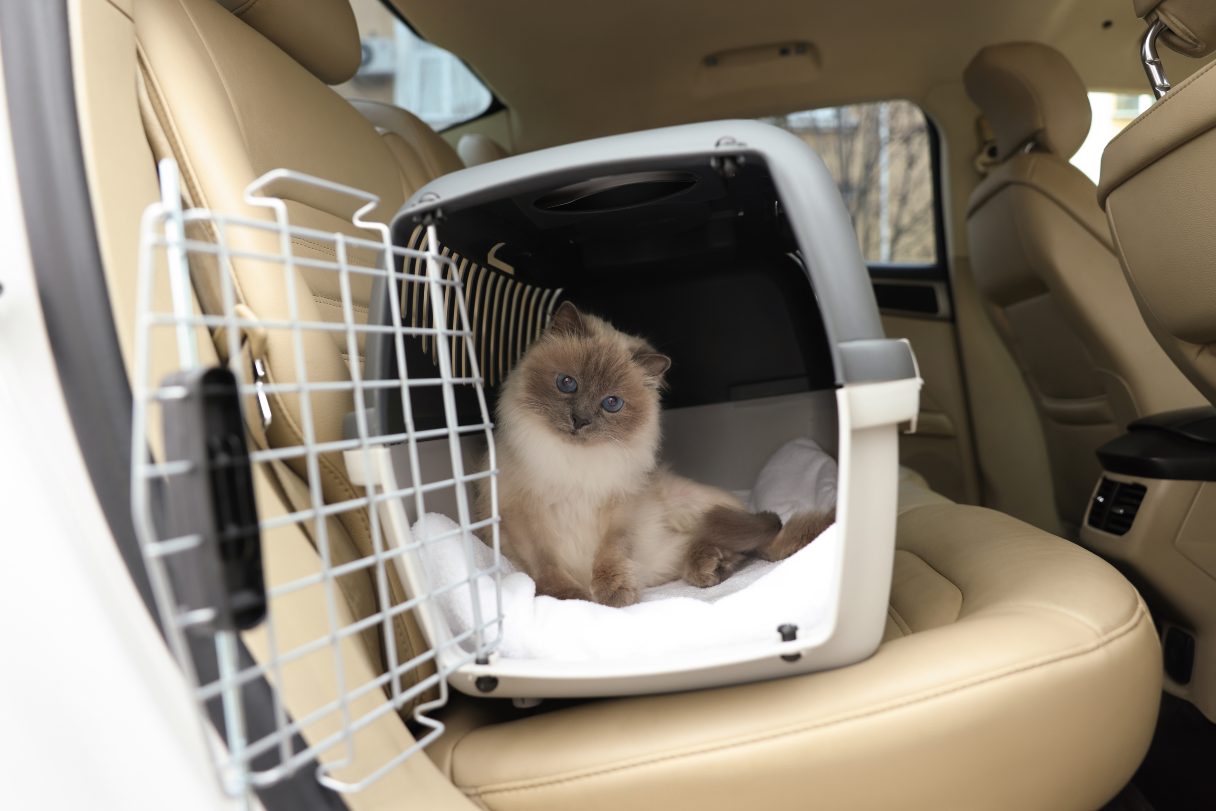
The safest place for a cat carrier is usually the back seat, away from airbags that could deploy unexpectedly. Placing the carrier on the floor behind the front seats offers stability and limits movement.
Avoid the front passenger seat. Airbags can be dangerous for pets in crashes. If the back seat isn’t an option, secure it tightly and keep your cat close but safe.
Avoiding Direct Sunlight And Heat
Car interiors heat up quickly under direct sunlight, which can stress or harm your cat. Position the carrier where it will stay shaded during the entire trip.
Look for spots behind seats or near tinted windows. If unavoidable, use a sunshade or cover the carrier with a breathable cloth to block sunlight without restricting airflow.
Securing Against Movement
Movement inside the car can scare or injure your cat. Use seat belts, bungee cords, or specially designed straps to lock the carrier in place.
Test the carrier’s stability before you start driving by giving it a gentle push. It should not slide, tip, or bounce easily.
Have you ever noticed how a shaky ride affects your cat’s mood? Securing the carrier well can make all the difference in keeping your pet calm and safe.
Methods To Secure The Carrier
Securing your cat carrier in the car is essential for both your pet’s safety and your peace of mind. A well-secured carrier prevents sudden shifts and keeps your cat calm during the ride. Let’s look at practical ways you can fasten the carrier firmly in place.
Using Seat Belts
Seat belts are one of the easiest and most reliable ways to secure a cat carrier. Simply slide the seat belt through the carrier’s handle or designated slots and buckle it in. This keeps the carrier snug against the seat, reducing movement during sharp turns or stops.
Have you noticed how a loose carrier can rattle and stress your cat? Using the seat belt tightly changes that experience completely. It’s a straightforward fix that requires no extra tools but makes a huge difference in stability.
Straps And Harnesses
Straps and harnesses offer added security beyond seat belts. Adjustable straps can wrap around the carrier and the car seat, locking the carrier firmly in place. Some carriers come with built-in harness loops designed for this purpose.
If you’ve ever tried to hold a carrier with one hand while driving, you know how risky it can be. Straps free your hands and keep the carrier stable. Look for straps with quick-release buckles for easy setup and removal.
Non-slip Mats And Additional Anchors
Non-slip mats are a simple yet effective way to reduce carrier sliding on smooth car seats. Placing a rubber mat under the carrier creates friction and keeps it from sliding forward or sideways. This method works well in combination with seat belts or straps.
For extra security, consider using additional anchors like cargo hooks or tether points if your vehicle has them. These anchors can be attached to the carrier with bungee cords or carabiners for a firm hold. Have you checked if your car has these handy anchor points? Using them could be the missing piece in your carrier setup.
Preparing Your Cat For Travel
Preparing your cat for travel is key to a smooth and stress-free car ride. Cats are creatures of habit, and sudden changes can unsettle them quickly. Taking time to get your cat comfortable with the carrier and the idea of travel can make a huge difference in their behavior during the trip.
Familiarizing With The Carrier
Start by placing the carrier in a quiet corner of your home. Leave the door open so your cat can explore it at their own pace. Add a soft blanket or a favorite toy inside to create a cozy, inviting space.
Try feeding your cat near or inside the carrier to build positive associations. You might be surprised how quickly your cat starts using it as a resting spot once it feels safe. Have you noticed your cat’s favorite hiding places? Mimic that feeling inside the carrier to boost comfort.
Calming Techniques
Before the trip, use gentle petting and soft talking to soothe your cat. Consider natural calming aids like pheromone sprays or collars designed to reduce anxiety. These products can help your cat feel more secure during the ride.
Playing calming music or white noise in the car can also help mask unfamiliar sounds. Keep the environment as calm as possible—avoid sudden movements and loud noises. Have you tried deep breathing exercises with your cat? Your calm energy can be contagious.
Feeding And Hydration Tips
Avoid feeding your cat a large meal right before travel to prevent nausea. Instead, offer a small snack a few hours before the trip. Always provide fresh water to keep your cat hydrated, especially on longer journeys.
If your cat is prone to motion sickness, ask your vet about special diets or supplements. Carry a portable water bowl and some favorite treats to encourage drinking and reduce stress. How do you ensure your cat stays comfortable and hydrated on the road?
Safety Checks Before And During Travel
Ensuring your cat’s safety during car travel starts with careful checks before and while on the road. These safety steps reduce stress and prevent accidents. Regular attention helps your cat stay calm and secure in the carrier. Safety checks involve inspecting the carrier, watching your cat’s behavior, and preparing for emergencies.
Carrier Inspection
Check the carrier for any damage before travel. Look for broken latches, loose parts, or sharp edges. Make sure the carrier door closes securely and locks well. The carrier should be stable and not wobble when placed in the car. Use seat belts or straps to fasten the carrier firmly. This prevents it from sliding or tipping during the drive.
Monitoring Your Cat
Keep an eye on your cat’s behavior throughout the trip. Watch for signs of stress like panting, meowing, or restlessness. Avoid opening the carrier while driving to keep your cat safe. Use a mirror or camera to check your cat without distraction. Speak softly to calm your pet if needed. Regular checks help ensure your cat feels secure and comfortable.
Emergency Preparedness
Prepare for unexpected situations by packing an emergency kit. Include water, food, and any medications your cat needs. Have a towel or blanket to cover the carrier if your cat feels scared. Keep your vet’s contact information handy. Know the locations of nearby animal hospitals along your route. Being ready helps you handle emergencies calmly and quickly.

Credit: www.holistapet.com
Credit: www.carecredit.com
Frequently Asked Questions
How Do I Secure A Cat Carrier In The Car Safely?
Use a seatbelt to strap the cat carrier firmly. Place it on the back seat to avoid airbags. This prevents movement during sudden stops and keeps your cat safe and comfortable throughout the trip.
What Is The Best Position For A Cat Carrier In Car?
The back seat is the safest place for a cat carrier. Avoid front seats due to airbags. Securing the carrier here reduces injury risk and ensures a smoother, less stressful ride for your cat.
Can I Use A Pet Seatbelt For A Cat Carrier?
Yes, pet seatbelts or harnesses are effective. They keep the carrier stable and prevent it from sliding. Always choose a seatbelt compatible with your car and the carrier size for maximum safety.
Should The Cat Carrier Be Open Or Closed In The Car?
Always keep the cat carrier closed during car rides. This prevents your cat from escaping or getting injured. A closed carrier provides a secure, cozy environment that helps reduce your cat’s travel anxiety.
Conclusion
Ensuring your cat carrier is secure in the car is crucial. It keeps your pet safe and reduces distractions while driving. Choose the right carrier and use seat belts. These steps help your cat stay calm and comfortable. Always check the carrier’s condition before each trip.
A secure carrier means peace of mind for both you and your pet. Practice these tips regularly for a safe journey. Remember, a little preparation goes a long way. Your cat will appreciate the care and attention. Safe travels with your furry friend!

Lily Purrington is the founder of MyKittyPicks.com, a cozy corner of the web dedicated to helping cat lovers discover the best cat products, furniture, toys, and home decor ideas.
A lifelong cat enthusiast, Lily shares trusted tips, honest product recommendations, and stylish inspiration designed to keep kitties happy and homes beautiful.
Her mission is simple: to bring together practical advice and purr-fect picks that make life better for cats and the people who love them.


