
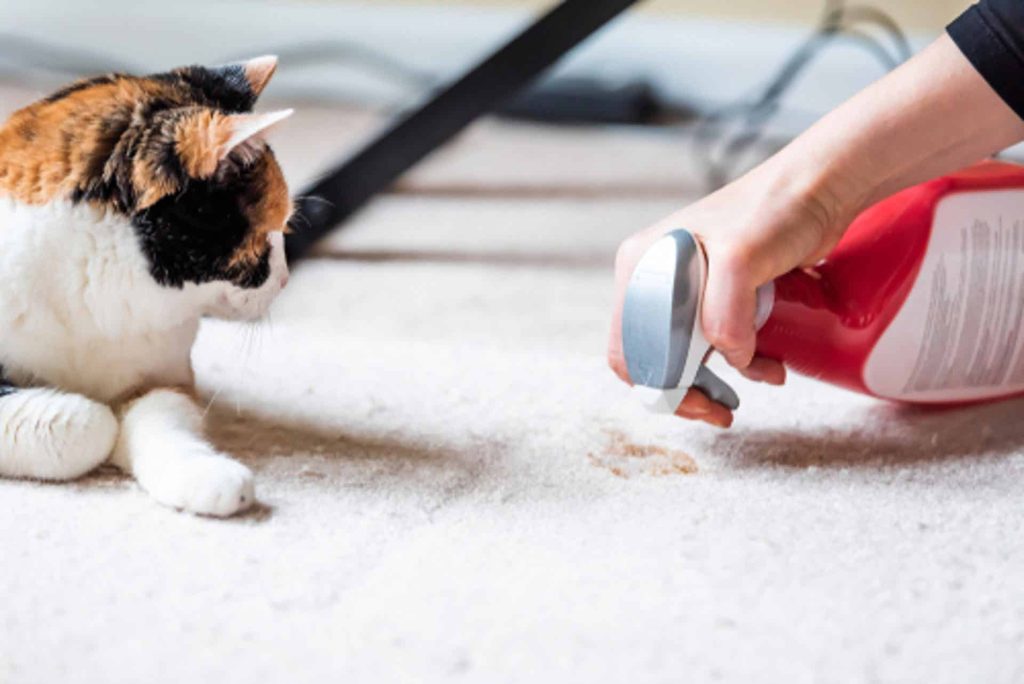
Are you tired of that stubborn cat odor lingering in your home no matter how much you clean? You’re not alone.
Cat smells can sneak into carpets, furniture, and even the air you breathe, making your space less fresh and welcoming. But don’t worry—there are simple, effective ways to get rid of that smell for good. You’ll discover easy steps you can take right now to make your home smell clean and inviting again.
Keep reading, and say goodbye to unwanted cat odors once and for all!

Credit: purrifiedair.com
Sources Of Cat Odor
Understanding where cat odors come from is key to tackling them effectively. Cat smells can sneak into your home in various ways, some more obvious than others. Identifying these sources helps you target the problem directly and keep your living space fresh.
Litter Box Smells
The litter box is the most common source of cat odor. Even with regular cleaning, ammonia from urine can build up and create a strong smell.
Using clumping litter and scooping daily can reduce the odor significantly. Placing the box in a well-ventilated area also helps keep the smell from spreading.
Cat Urine Spots
Sometimes cats pee outside the litter box, leaving behind stubborn urine spots. These spots can soak into carpets, furniture, or floors, causing a lingering odor.
It’s important to clean these areas quickly and thoroughly with an enzymatic cleaner. Have you noticed certain spots that seem to attract your cat repeatedly?
Pet Dander And Fur
Cat dander and fur don’t just cause allergies—they carry their own subtle scent. Fur can trap odors from food, outdoors, or even the litter box.
Regular grooming and vacuuming help keep dander and fur under control. How often do you clean your furniture and bedding where your cat likes to rest?
Accidental Spills
Food and water spills from your cat’s bowls can create damp areas that smell over time. Left unnoticed, these can become a breeding ground for bacteria and odors.
Check around your cat’s eating area daily and wipe up spills right away. Have you ever found a hidden spill that was the real cause of a mystery smell?

Credit: smart.dhgate.com
Immediate Cleanup Steps
Taking quick action right after discovering cat odor is crucial to prevent the smell from setting deep into your home. Immediate cleanup not only tackles the surface mess but also stops bacteria and enzymes from creating long-lasting odors. Knowing the right steps can save you time and keep your living space fresh.
Blotting And Absorbing Liquids
Start by gently blotting the affected area with paper towels or a clean cloth. Press down to soak up as much liquid as possible without rubbing, which can push the mess deeper into fabrics or carpets.
Using absorbent materials like baking soda or cornstarch can help draw out moisture and neutralize odor. Sprinkle a generous amount, let it sit for 10–15 minutes, then vacuum it up thoroughly.
Using Enzymatic Cleaners
Enzymatic cleaners break down the proteins in cat urine and feces that cause odor. These cleaners are designed specifically for pet messes, unlike regular detergents that might mask smells but don’t eliminate them.
Apply the cleaner liberally to the stained area and follow the instructions on the label. Often, letting the product sit for several minutes increases its effectiveness.
Avoiding Common Mistakes
Many people reach for bleach or ammonia-based products, not realizing these can make cat odors worse or even attract cats back to the same spot. Avoid harsh chemicals that can damage surfaces or irritate your pet.
Don’t rush to dry the area too quickly with heat, as this can lock in the smell. Instead, allow the cleaned spot to air dry naturally or use a fan to speed up the process.
Have you noticed that some cleaning products just don’t work on pet odors? What if the key is in avoiding the wrong ones rather than finding a new miracle cleaner?
Deep Cleaning Techniques
Deep cleaning removes hidden dirt and odors from carpets, furniture, and floors. Using enzyme cleaners breaks down cat urine and stops smells. Regularly washing pet bedding also helps keep your home fresh.
Removing cat odor from your home can be a challenging task, but with the right deep cleaning techniques, you can effectively tackle the problem. A clean and fresh-smelling home is not only inviting but also essential for a pleasant living environment. Let’s dive into some practical methods to ensure your home smells as great as it looks.Carpet And Upholstery Care
Carpets and upholstery are notorious for trapping odors. Start by vacuuming thoroughly to remove fur and debris. Use a pet-specific enzyme cleaner to break down odor-causing bacteria. This step is crucial because regular cleaners may not eliminate the odor entirely. For stubborn smells, consider renting a carpet cleaner. You can also sprinkle baking soda over carpets and let it sit for a few hours before vacuuming. Baking soda is a natural deodorizer that helps neutralize odors.Washing Bedding And Fabrics
Cat odors love to linger on fabrics. Regularly wash your cat’s bedding, blankets, and any other washable fabrics they frequent. Use hot water and a pet-safe detergent to ensure a thorough clean. Adding a cup of vinegar during the rinse cycle can help neutralize odors. Don’t forget your own bedding and clothes if your feline friend likes to snuggle with you. Are there any fabrics you’ve overlooked?Cleaning Hard Surfaces
Odors can cling to hard surfaces too. Wipe down walls, baseboards, and floors with a mix of water and vinegar. Vinegar is excellent for cutting through odor. For tougher stains and smells, a mild bleach solution can be effective. Just be sure to ventilate the area well and keep your pets away until it’s dry. Consider how often these surfaces get cleaned; could a more regular schedule help? By implementing these deep cleaning techniques, you’ll create a fresher, more pleasant home environment for both you and your furry friend.
Credit: www.familyhandyman.com
Odor Neutralizers And Fresheners
Odor neutralizers and fresheners help keep your home smelling clean and inviting. They target unwanted cat smells and make the air fresher. Using the right products can reduce odors quickly and safely. Choose options that suit your home and preferences.
Natural Remedies
Natural remedies use simple ingredients to fight cat odors. Baking soda is a popular choice. Sprinkle it on carpets, let it sit, then vacuum. White vinegar works well too. Mix with water and spray on smelly areas. Activated charcoal absorbs bad smells effectively. Place charcoal bags around your home to freshen the air.
Commercial Products
Commercial products offer strong and fast odor control. Enzyme cleaners break down odor-causing molecules. They are safe for pets and work on urine stains. Odor neutralizing sprays mask smells and add a fresh scent. Choose products labeled pet-safe and non-toxic. Some come in pleasant fragrances like lavender or citrus.
Air Purifiers And Dehumidifiers
Air purifiers clean the air by removing particles and odors. Look for purifiers with HEPA and carbon filters. These trap pet dander and neutralize smells. Dehumidifiers reduce moisture, preventing mold and odor buildup. Use them in damp rooms or basements. Together, they keep the air fresh and dry.
Preventing Future Odors
Preventing future cat odors is all about creating habits and environments that keep your home fresh. You want to tackle the root causes before they become a problem. The right care routines and attention to your cat’s behavior can make a huge difference.
Litter Box Maintenance
Keep the litter box clean by scooping it at least once a day. Cats are very particular, and a dirty box can lead them to go elsewhere, causing unwanted smells.
Change the litter completely every week and wash the box with mild soap. Using a deodorizing litter or adding baking soda can help absorb odors.
Place the litter box in a well-ventilated, quiet spot. Have you noticed if your cat avoids the box sometimes? It might be a sign to clean it more often or try a different litter type.
Regular Grooming
Brushing your cat regularly reduces loose fur and dirt that can trap smells. This is especially important for long-haired breeds.
Bathing your cat occasionally, if they tolerate it, can prevent buildup of oils and odors on their coat. Don’t forget to check their ears and teeth, as infections can also cause bad smells.
Think about your cat’s individual needs—some require more grooming than others. How often do you brush your cat? Increasing this can make a noticeable difference in odor control.
Training And Behavior Tips
Encourage your cat to use the litter box by rewarding them with treats or affection. Positive reinforcement creates a clean bathroom habit.
Address any stress or anxiety your cat may have, as this can cause inappropriate urination. Providing hiding spots and interactive toys keeps your cat calm and distracted.
If your cat marks territory, consult a vet for advice. Sometimes medical issues or behavioral training can stop this problem before it worsens.
When To Call A Professional
Sometimes, no matter how hard you try, cat odor just won’t go away. Knowing when to call a professional can save your home from lingering smells and potential damage. It’s not just about stubborn smells; it’s about protecting your living space and keeping it fresh for everyone.
Persistent Odors
If you’ve cleaned multiple times and the smell still lingers, it’s time to get help. Professional cleaners have tools and solutions that go beyond what you can buy at the store.
Have you noticed the smell coming back shortly after cleaning? That’s a clear sign the odor is deep-rooted. Professionals can find hidden spots you might miss, like inside walls or under carpets.
Deep Stains And Damage
Cat urine and other accidents can cause damage that regular cleaning won’t fix. If stains have soaked into carpets, wood floors, or upholstery, the odor will stick around.
Trying to clean deep stains yourself might even make things worse, spreading the smell or damaging surfaces. Professionals can assess the damage and apply treatments that remove both stains and odor at the source.
Specialized Cleaning Services
Some cleaning jobs require specialized equipment like ozone machines or enzymatic cleaners, which only professionals have access to. These tools break down odor-causing compounds effectively.
Would you rather spend hours scrubbing or let experts handle it quickly and thoroughly? Using professional services can also prevent future odors by treating the area completely.
Frequently Asked Questions
How Can I Quickly Remove Cat Odor From Carpets?
To quickly remove cat odor from carpets, use a mixture of baking soda and vinegar. Sprinkle baking soda, spray vinegar, then blot and vacuum after drying. This neutralizes odors and refreshes the carpet effectively and safely.
What Household Items Eliminate Cat Urine Smell?
Household items like baking soda, white vinegar, and hydrogen peroxide effectively eliminate cat urine smell. These natural cleaners break down odor-causing compounds, making your home smell fresh again without harmful chemicals.
How Do Enzymatic Cleaners Work On Cat Odors?
Enzymatic cleaners break down organic compounds in cat urine. They contain enzymes that digest odor-causing molecules, fully removing the smell instead of masking it. This method is highly effective and safe for pets and surfaces.
Can Regular Cleaning Prevent Cat Odor Buildup?
Yes, regular cleaning prevents cat odor buildup. Clean litter boxes daily, wash pet bedding weekly, and promptly clean accidents. Maintaining hygiene stops odors from settling and keeps your home fresh and inviting.
Conclusion
Removing cat odor from your home takes time and patience. Clean affected areas often and use safe, natural products. Keep your cat’s litter box fresh and well-maintained. Regular cleaning helps prevent smells from returning. Fresh air and good ventilation also make a big difference.
With consistent care, your home can smell clean again. Enjoy a fresh, odor-free space where both you and your cat feel happy.

Lily Purrington is the founder of MyKittyPicks.com, a cozy corner of the web dedicated to helping cat lovers discover the best cat products, furniture, toys, and home decor ideas.
A lifelong cat enthusiast, Lily shares trusted tips, honest product recommendations, and stylish inspiration designed to keep kitties happy and homes beautiful.
Her mission is simple: to bring together practical advice and purr-fect picks that make life better for cats and the people who love them.


