

If your cat has been diagnosed with kidney disease, you probably have many questions and concerns. Managing this condition can feel overwhelming, but you don’t have to face it alone.
Understanding the right steps can make a big difference in your cat’s health and comfort. You’ll discover simple and effective ways to care for your furry friend, helping them live a happier, healthier life despite kidney disease. Keep reading to find out what you can do today to support your cat’s well-being.
Recognizing Kidney Disease Symptoms
Kidney disease in cats is common, especially in older cats. Early detection helps manage the condition better.
Knowing the symptoms lets you act quickly and keep your cat comfortable. Watch for changes in health and behavior.
Early Signs In Cats
At first, signs of kidney disease can be hard to see. Cats may drink more water than usual and urinate often.
Other early signs include loss of appetite and weight loss. Your cat might seem tired or weak more than before.
- Increased thirst and urination
- Loss of appetite
- Weight loss
- Lethargy or weakness
Behavioral Changes To Watch
Behavior changes may show kidney problems too. Cats might hide more or stop grooming themselves.
Some cats become irritable or show signs of nausea. Vomiting and bad breath are also signs to watch for.
- Hiding or avoiding people
- Less grooming or dirty coat
- Irritability or unusual aggression
- Vomiting
- Bad breath with a chemical smell

Credit: kimvet.co.za
Dietary Adjustments For Kidney Health
Kidney disease in cats needs careful diet changes. Feeding the right food helps support kidney function.
Good nutrition can slow kidney damage and improve your cat’s quality of life.
Choosing The Right Food
Select foods low in protein and phosphorus. This reduces kidney stress and waste buildup.
Wet food is better because it has more moisture and is easier to digest.
- Look for special kidney support cat foods
- Choose wet or canned food over dry kibble
- Avoid high phosphorus ingredients like fish meal
- Use foods with moderate protein from high-quality sources
Hydration Tips
Water helps flush toxins from your cat’s kidneys. Keep fresh water available at all times.
Encourage drinking by placing water bowls in quiet spots and using fountains.
- Offer wet food to increase water intake
- Use multiple water bowls around the house
- Change water daily to keep it fresh
- Try adding a little low-sodium broth to water
Medication And Treatment Options
Kidney disease in cats needs proper care to help them live comfortably. Medicines and treatments can slow the disease and ease symptoms.
Owners must understand the common medicines and how to handle side effects. This helps cats stay healthy longer.
Common Medications
Many medicines help cats with kidney disease. These drugs support kidney function and control symptoms.
- Phosphate binders reduce phosphate in the blood and protect kidneys.
- Potassium supplements help if potassium levels are low.
- Appetite stimulants encourage cats to eat more food.
- Anti-nausea drugs stop vomiting and improve comfort.
- Blood pressure medicines keep blood pressure normal.
- Fluids given under the skin help keep cats hydrated.
These medicines work best when used as the vet directs. Regular check-ups are important for proper dosing.
Managing Side Effects
Medications may cause side effects like vomiting or tiredness. Watch your cat closely after starting new drugs.
Contact your vet if side effects happen. The vet can adjust medicines or suggest ways to reduce symptoms.
- Give medicines with food to lower stomach upset.
- Keep your cat calm and rested to help with tiredness.
- Monitor eating and drinking habits every day.
- Report any changes in behavior or health to your vet.
Regular Veterinary Care
Managing kidney disease in cats needs regular veterinary care. This care helps keep your cat comfortable and healthy.
Veterinarians check the cat’s condition and suggest treatments that slow disease progress. Regular visits catch problems early.
Scheduling Checkups
Set regular checkups with your vet to monitor your cat’s kidney health. Early stages need visits every three months.
As the disease advances, visits may increase to every one or two months. Your vet will guide you on the schedule.
- Early kidney disease: checkups every 3 months
- Moderate kidney disease: visits every 1-2 months
- Severe disease: frequent monitoring as advised
Diagnostic Tests To Expect
Your vet uses tests to see how well your cat’s kidneys work. These tests help adjust treatment plans.
Common tests include blood work, urine checks, and blood pressure measurement. Each test gives important health details.
- Blood tests to check kidney function
- Urine tests to measure protein and concentration
- Blood pressure to detect hypertension
- Ultrasound or X-rays to view kidney size and shape
Home Care Strategies
Managing kidney disease in cats requires careful home care. You can help your cat feel better and live longer with the right steps.
Focus on making your cat comfortable and watch their health closely. Small changes can make a big difference.
Creating A Comfortable Environment
Make sure your cat has a quiet and warm place to rest. Keep their bedding soft and clean to reduce stress.
Place food, water, and litter boxes near their resting area. This helps your cat move easily without extra effort.
- Keep the room temperature steady and warm
- Use soft blankets or cushions for bedding
- Place litter boxes close to resting spots
- Provide fresh water near where your cat rests
- Limit loud noises and sudden changes in the area
Monitoring Your Cat’s Condition
Watch your cat’s behavior and health every day. Note any changes in eating, drinking, or bathroom habits.
Keep track of your cat’s weight and energy levels. Report any changes to your vet right away.
- Check food and water intake daily
- Observe urination frequency and amount
- Monitor weight weekly
- Look for signs of vomiting or diarrhea
- Note changes in activity or mood
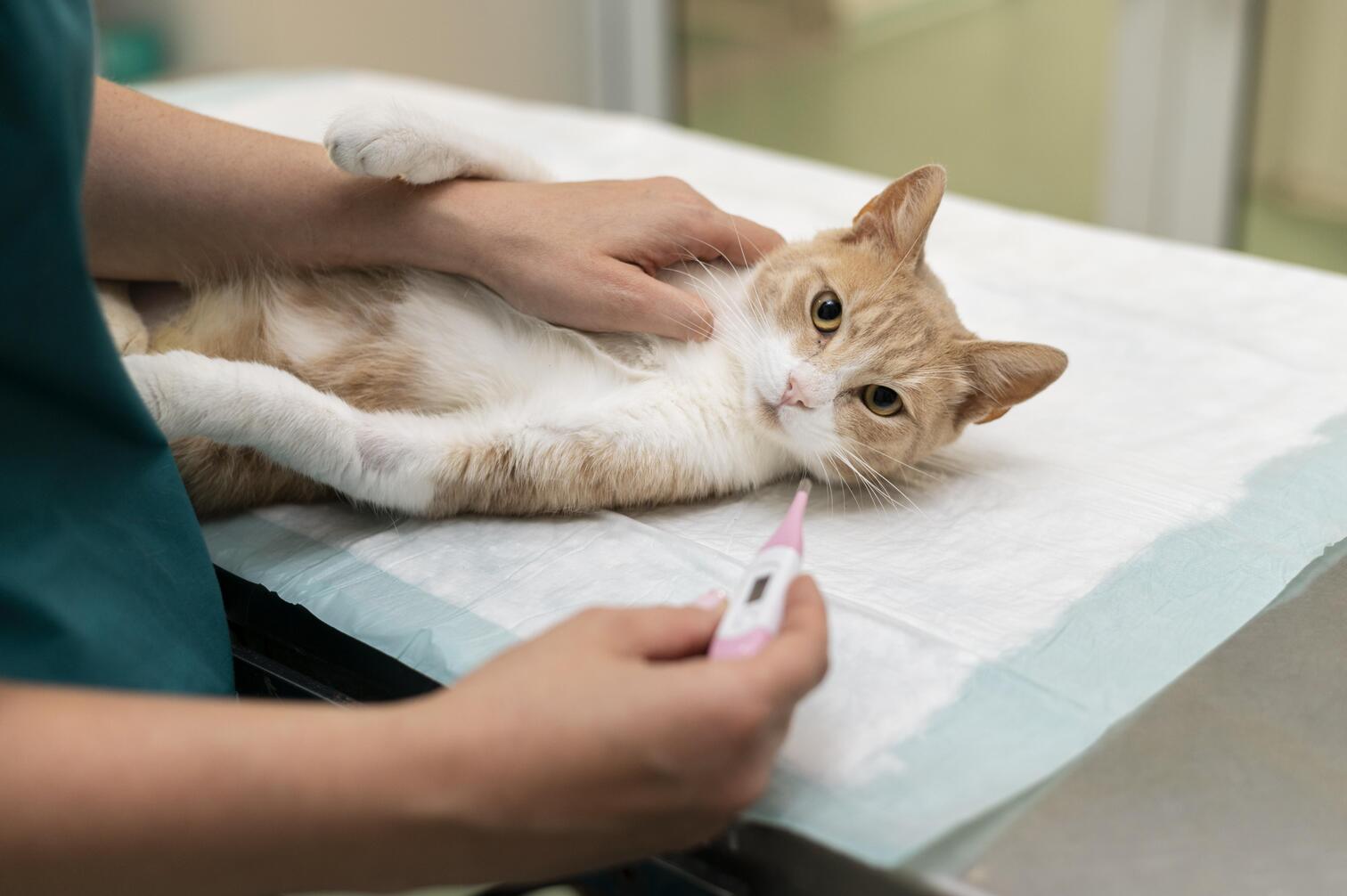
Credit: medicanimal.com
Preventing Disease Progression
Managing kidney disease in cats is essential to slow down its progression. Careful attention to diet, lifestyle, and stress management can make a difference.
Monitoring your cat’s health and making necessary changes can help maintain their quality of life. Let’s explore some effective strategies.
Lifestyle Changes
Adjusting your cat’s lifestyle can help manage kidney disease. Focus on providing a balanced diet and regular vet check-ups.
- Feed a kidney-friendly diet with low phosphorus
- Ensure constant access to fresh water
- Schedule regular vet visits for monitoring
- Encourage light exercise to maintain a healthy weight
Stress Reduction Techniques
Reducing stress is crucial for cats with kidney disease. A calm environment supports their overall well-being.
Create a peaceful space for your cat. Avoid loud noises and sudden changes in their routine.
- Provide a quiet and comfortable resting area
- Use calming pheromone diffusers
- Maintain a consistent daily routine
- Offer interactive toys to keep them engaged

Credit: kimvet.co.za
Frequently Asked Questions
What Are Common Symptoms Of Kidney Disease In Cats?
Common symptoms include increased thirst, frequent urination, weight loss, vomiting, and lethargy. Early detection improves treatment success and quality of life.
How Can Diet Help Manage Feline Kidney Disease?
A kidney-friendly diet low in protein, phosphorus, and sodium helps reduce kidney workload and slows disease progression. Consult your vet for specific recommendations.
Can Medication Improve Kidney Function In Cats?
Certain medications can control symptoms and complications but cannot cure kidney disease. Regular vet check-ups help adjust treatment for best results.
How Often Should I Take My Cat For Kidney Check-ups?
Cats with kidney disease should visit the vet every 3 to 6 months. Frequent monitoring helps manage symptoms and prevent complications.
Conclusion
Managing kidney disease in cats takes patience and care. Regular vet visits help catch problems early. Feeding a special diet supports your cat’s kidneys. Keep fresh water available at all times. Monitor your cat’s behavior and appetite daily. Small changes can improve their quality of life.
Stay consistent with treatments and follow your vet’s advice. Your love and attention make a big difference. Helping your cat stay comfortable is the main goal. Kidney disease is tough, but you can handle it.

Lily Purrington is the founder of MyKittyPicks.com, a cozy corner of the web dedicated to helping cat lovers discover the best cat products, furniture, toys, and home decor ideas.
A lifelong cat enthusiast, Lily shares trusted tips, honest product recommendations, and stylish inspiration designed to keep kitties happy and homes beautiful.
Her mission is simple: to bring together practical advice and purr-fect picks that make life better for cats and the people who love them.


