
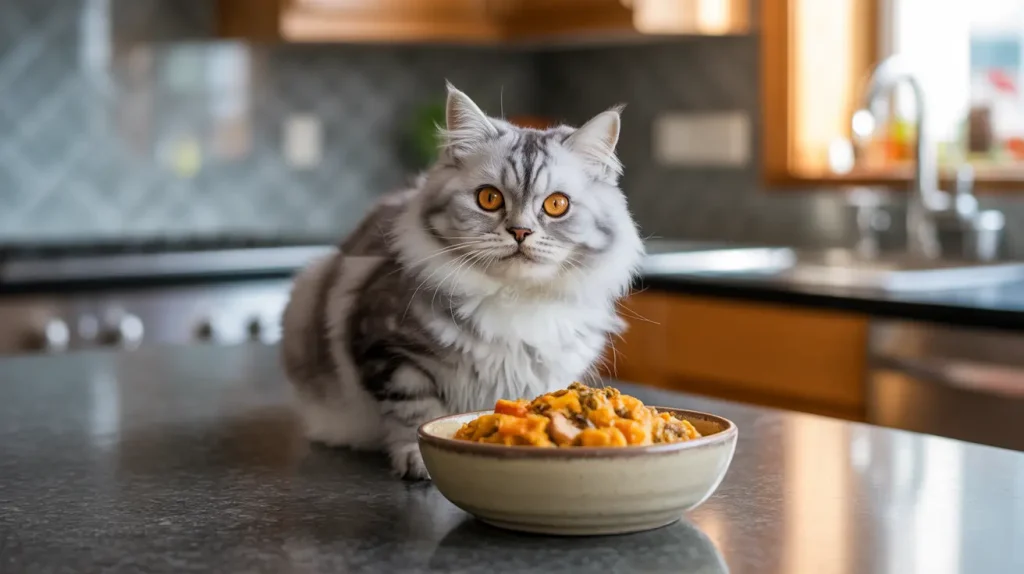
If you have a senior cat, you know how important it is to give them the best care possible. One of the most powerful ways to support their health is through the food you provide.
But store-bought options often contain ingredients that might not be ideal for your aging feline friend. What if you could make homemade cat food tailored specifically for your senior cat’s needs? You’ll discover simple, effective steps to prepare nutritious meals that keep your cat healthy, happy, and full of energy.
Keep reading to learn how you can take control of your cat’s diet and see the difference it makes in their golden years.
Nutritional Needs Of Senior Cats
Senior cats need special care in their diet. Their bodies change as they age. This affects how they use nutrients. Proper nutrition helps keep them healthy and active. Understanding their needs helps you make the best homemade food.
Protein Requirements
Older cats need high-quality protein. Protein supports muscle strength and repair. Their bodies use protein less efficiently with age. Include lean meats like chicken, turkey, or fish. Avoid too much fat, which can cause weight gain.
Essential Vitamins And Minerals
Vitamins and minerals support overall health in senior cats. Key vitamins include A, E, and B-complex. Minerals like calcium and phosphorus keep bones strong. Taurine is vital for heart and eye health. Use fresh ingredients to provide these nutrients naturally.
Hydration Importance
Water is crucial for older cats. They often drink less and can get dehydrated easily. Proper hydration helps kidney function and digestion. Wet homemade food helps increase water intake. Always provide fresh, clean water alongside their meals.
Credit: pethelpful.com
Choosing Ingredients For Homemade Cat Food
Choosing the right ingredients is key to making healthy homemade cat food for senior cats. Their needs change as they age, so ingredients must support their health and digestion. Focus on quality and safety to keep your cat happy and strong.
Safe Proteins To Use
Protein is essential for senior cats to maintain muscle and energy. Choose high-quality, easy-to-digest proteins. Good options include:
- Chicken (cooked, skin removed)
- Turkey (lean, cooked)
- Fish like salmon or tuna (cooked, boneless)
- Lean beef (cooked well)
- Eggs (fully cooked)
Always cook proteins thoroughly to kill bacteria. Avoid raw meat to protect your cat’s health.
Vegetables And Supplements
Vegetables add fiber and nutrients but only small amounts. Safe choices are:
- Carrots (cooked and mashed)
- Pumpkin (plain, cooked)
- Green beans (steamed)
Supplements help fill nutritional gaps. Consider adding taurine, fish oil, and vitamin E. Consult your vet for the right dosage.
Avoiding Harmful Foods
Some foods can harm senior cats. Never include:
- Onions and garlic (toxic to cats)
- Chocolate or caffeine
- Grapes and raisins
- Raw dough or bones
- Dairy products, if your cat is lactose intolerant
Keep spices and salt out of homemade meals. Always check ingredients before feeding.
Preparing Balanced Meals
Preparing balanced meals for your senior cat is essential to support their health and vitality as they age. Older cats have unique nutritional needs that differ from younger felines. Focusing on the right balance of proteins, fats, and vitamins ensures your cat stays active and comfortable.
Portion Sizes For Seniors
Senior cats often have slower metabolisms and reduced activity levels, which means their portion sizes should be carefully controlled. Overfeeding can lead to weight gain and strain on their joints and organs.
Start by consulting your vet about the ideal daily calorie intake for your cat’s age and weight. Then, divide this amount into smaller, more frequent meals to keep digestion smooth and energy levels steady throughout the day.
Cooking Techniques
Simple cooking methods like boiling or steaming help retain nutrients while making the food easier to digest. Avoid frying or using heavy oils, which can add unnecessary fats that strain your cat’s system.
Make sure to cook all proteins thoroughly to eliminate harmful bacteria. Softening vegetables by steaming can aid digestion, but keep the ingredients limited to those safe for cats, such as carrots or pumpkin.
Incorporating Supplements
Senior cats often benefit from added supplements to fill nutritional gaps. Omega-3 fatty acids can support joint health, while antioxidants help boost their immune system.
Before adding supplements, ask yourself: is this ingredient vet-approved and safe? Common additions include fish oil, taurine, and certain vitamins, but too much can do more harm than good.
Always introduce supplements gradually and monitor your cat’s reaction. Your goal is to enhance their diet, not complicate it.

Credit: wellnessmama.com
Adjusting Diet For Health Issues
Adjusting the diet of senior cats is vital for managing their health. Aging cats often face specific health challenges that require special nutrition. Tailoring homemade cat food can support their well-being and comfort. Understanding how to modify recipes helps address common issues like kidney problems, weight gain, and digestion troubles.
Kidney-friendly Recipes
Kidney health is crucial for older cats. Homemade meals should have lower protein and phosphorus. Use high-quality proteins like boiled chicken or turkey breast. Avoid fish and red meat, which can strain kidneys. Add moisture-rich ingredients such as pumpkin or cooked carrots. These help keep cats hydrated and reduce kidney workload.
Weight Management Tips
Many senior cats gain weight due to less activity. Adjust portions to control calorie intake. Include lean proteins and fiber-rich vegetables. Fiber helps cats feel full without extra calories. Avoid high-fat ingredients like liver or fatty cuts. Feeding smaller, frequent meals supports steady energy levels.
Digestive Support
Digestive issues are common in aging cats. Use easily digestible foods like boiled chicken and rice. Adding a small amount of plain pumpkin can aid digestion. Probiotics, such as plain yogurt, may improve gut health. Avoid spices and rich sauces that upset the stomach. Keep meals simple and gentle on the digestive system.
Storage And Serving Tips
Storing and serving homemade cat food properly keeps your senior cat healthy and happy. Freshness and safety are key to protect your cat’s sensitive digestive system. Follow these tips to handle food with care and make mealtime enjoyable.
Proper Storage Methods
Store homemade cat food in airtight containers to keep it fresh. Use glass or BPA-free plastic containers for best results. Refrigerate food if you plan to use it within three days. For longer storage, freeze portions in small containers or ice cube trays.
Label containers with the date to track freshness. Avoid storing food near strong-smelling items to prevent odor absorption. Always discard leftover food after two hours at room temperature to avoid bacteria growth.
Serving Temperature
Serve homemade cat food at room temperature for better taste and digestion. Cold food can upset your cat’s stomach or make them less interested in eating. Warm food slightly by placing the container in warm water for a few minutes. Avoid using a microwave, as it can create hot spots and destroy nutrients.
Transitioning From Commercial Food
Switch slowly from commercial to homemade food to avoid digestive upset. Mix a small amount of homemade food with their usual food for several days. Gradually increase the homemade portion while reducing commercial food. Watch your cat’s response and adjust the pace if needed.
Keep fresh water available at all times during the transition. This helps your cat stay hydrated and supports digestion.

Credit: zigly.com
Frequently Asked Questions
What Ingredients Are Best For Senior Cat Food?
High-quality protein, easy-to-digest carbs, and healthy fats are essential. Include cooked chicken, rice, and fish oil for joint health. Avoid onions, garlic, and artificial additives.
How To Ensure Balanced Nutrition In Homemade Cat Food?
Use a mix of protein, fats, and vitamins. Add taurine supplements and consult your vet for proper ratios. Variety in ingredients helps meet all nutritional needs.
Can Homemade Food Improve Senior Cat’s Health?
Yes, homemade food can improve digestion and energy. It offers fresh, natural nutrients and avoids fillers. Always monitor your cat’s response and adjust recipes accordingly.
How Often Should I Feed My Senior Cat Homemade Food?
Feed small, frequent meals two to three times daily. Senior cats digest better with smaller portions. Consistent feeding times help maintain their metabolism and weight.
Conclusion
Making homemade cat food for senior cats takes care and attention. Choose fresh, healthy ingredients that suit their needs. Always check with your vet before changing their diet. Homemade food can support their health and happiness. It allows you to control what they eat every day.
Keep meals balanced and watch your cat’s reactions closely. Your senior cat deserves good nutrition and love. Simple steps can make a big difference in their life. Try cooking at home and see how your cat feels.

Lily Purrington is the founder of MyKittyPicks.com, a cozy corner of the web dedicated to helping cat lovers discover the best cat products, furniture, toys, and home decor ideas.
A lifelong cat enthusiast, Lily shares trusted tips, honest product recommendations, and stylish inspiration designed to keep kitties happy and homes beautiful.
Her mission is simple: to bring together practical advice and purr-fect picks that make life better for cats and the people who love them.


